

Nioh 3, the hardcore action-RPG from Team Ninja, launched on February 6, 2026 for PlayStation 5 and PC without any selectable difficulty settings. There is no easy mode, no hard mode, and no way to manually adjust the challenge level from a menu. This is a deliberate design choice that has been consistent across the entire Nioh series.
Quick answer: You cannot change the difficulty in Nioh 3. There are no difficulty settings in the game's menus. Instead, you manage the challenge through in-game mechanics like gear, builds, leveling, co-op, and combat style choices.
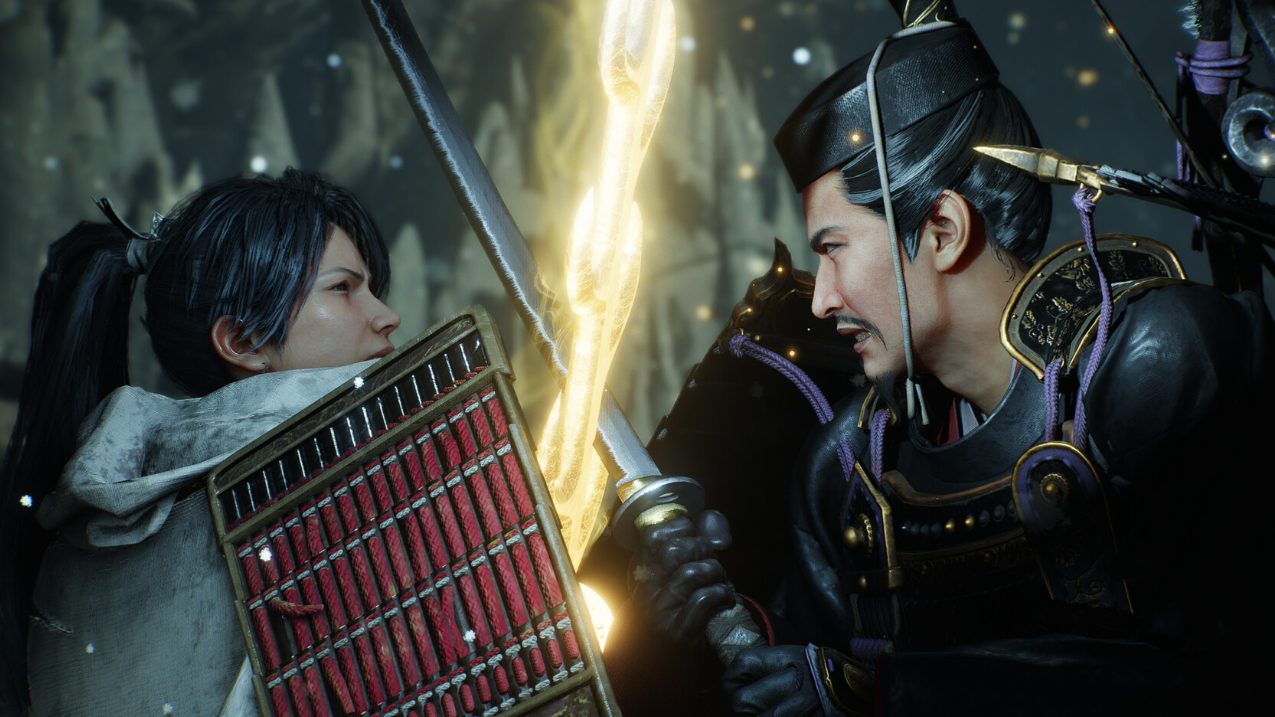
Why Team Ninja won't add difficulty options to Nioh
Nioh 3 game director Masaki Fujita has been unambiguous on this point. "We've never considered adding difficulty settings to the Nioh series," Fujita stated ahead of the game's launch. "The value of clearing the game is something that is unifying, and since Nioh 3 has even more variations on strategies to clear the game compared to previous games in the series, our approach is not to change the difficulty setting when you can't clear it."
Team Ninja's philosophy centers on the sense of accomplishment that comes from overcoming obstacles through experimentation and adaptation. Fujita described it plainly: "The enjoyment and sense of accomplishment of being able to figure out on your own how to overcome a situation is what we see as one of the best parts of this series." The studio views the shared baseline difficulty as a unifying experience for all players, rather than something to be toggled.
This mirrors the broader design ethos seen in games like Dark Souls and Elden Ring, where FromSoftware director Hidetaka Miyazaki has similarly argued that players don't need exceptional skill — they need willingness to try different approaches when one strategy isn't working.
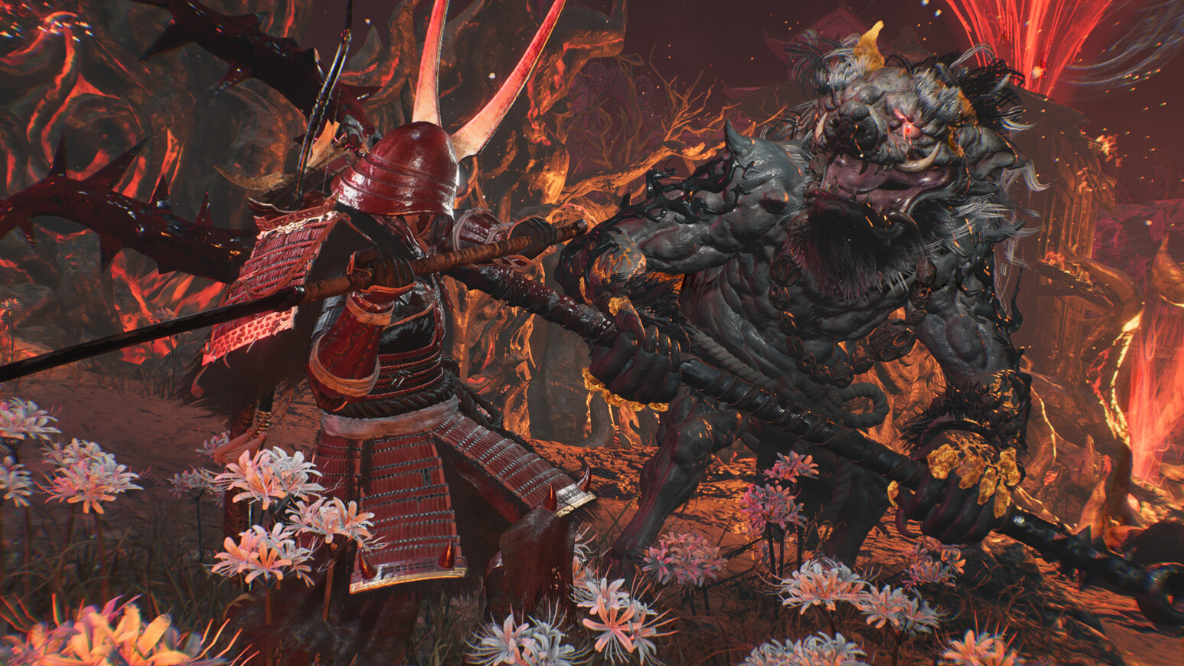
How to make Nioh 3 easier without a difficulty slider
While you can't flip a switch in the settings, Nioh 3 gives you a wide range of tools to effectively lower the challenge. The game is built so that struggling players can find relief through its own systems rather than a menu option.
Level up by exploring the open world. Nioh 3 features open-world areas where you can freely roam, complete side missions, and gather experience. The level scaling in the game is steep — gaining even five levels can make a dramatic difference against a boss or area that was previously overwhelming. If something feels too tough, leaving to grind side content and returning later is a viable and intended strategy.
Experiment with builds and respec freely. The game offers magic, ninjutsu, Guardian Spirit skills, and a broad arsenal of weapon types. If a particular boss is giving you trouble, respeccing your character to try a completely different approach — switching from melee-focused samurai builds to ranged ninjutsu, for example — can transform a fight. Nioh 3 has more build variety than its predecessors, and the game is designed so that players who hit walls can chip away at them by rethinking their loadout.
Use the Ninja Style. Pressing R2 to enter Ninja Style gives you access to a faster, more agile combat approach that many players find makes encounters significantly more manageable, especially against aggressive enemies.
Summon help through co-op. Nioh 3 supports up to three-player co-op, and summoning other players is one of the most effective ways to trivialize difficult encounters. Unlike some other games in the genre, Nioh's co-op allows skilled partners to essentially carry you through bosses and tough areas. Blue spirit summons are also available for solo players, though these consume a limited resource (Ochoko Cups).
Upgrade and optimize gear. Exploring the open world naturally rewards you with new weapons, armor, and full sets that come with powerful bonuses. Keeping your equipment upgraded and paying attention to set bonuses can meaningfully reduce how punishing combat feels.
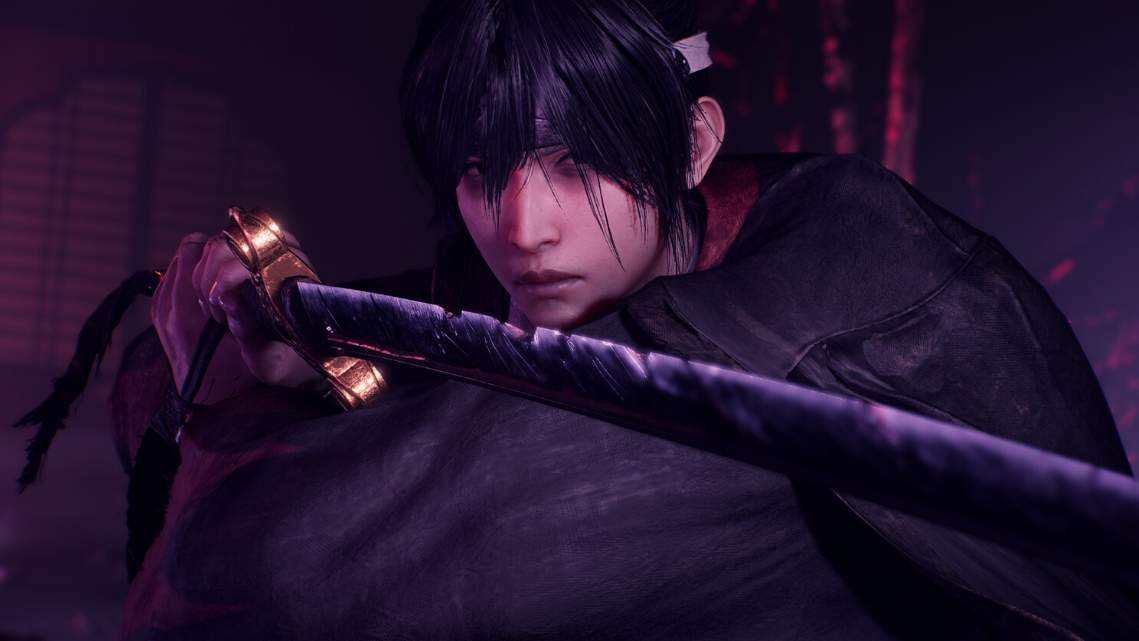
Nioh 3 is considered the most accessible game in the series
Despite having no formal easy mode, Nioh 3 has been widely described as the most approachable entry in the franchise. The open-world structure plays a big role here. Previous Nioh games funneled players through linear missions with fixed difficulty curves, but Nioh 3 lets you choose where to go and what to tackle. If a main mission boss is destroying you, you can wander the map, find better gear, level up, and return with a significant power advantage.
The game also front-loads more tools and skill points than its predecessors. Players have access to ninjutsu, onmyo magic, and summons much earlier than in Nioh 1 or Nioh 2, which means you have more options for dealing with challenges from the very start. Early impressions from veteran players suggest that standard enemies go down faster than in previous entries, though boss encounters — particularly mission bosses — still pack a serious punch.
For players who want a harder experience, that comes later. Like Nioh 2 before it, Nioh 3 features New Game Plus cycles that ramp up the difficulty by changing enemy placements and adding new attack patterns to familiar foes. There's no way to manually increase the difficulty on a first playthrough, but the endgame and NG+ tiers are designed to challenge even the most experienced players.
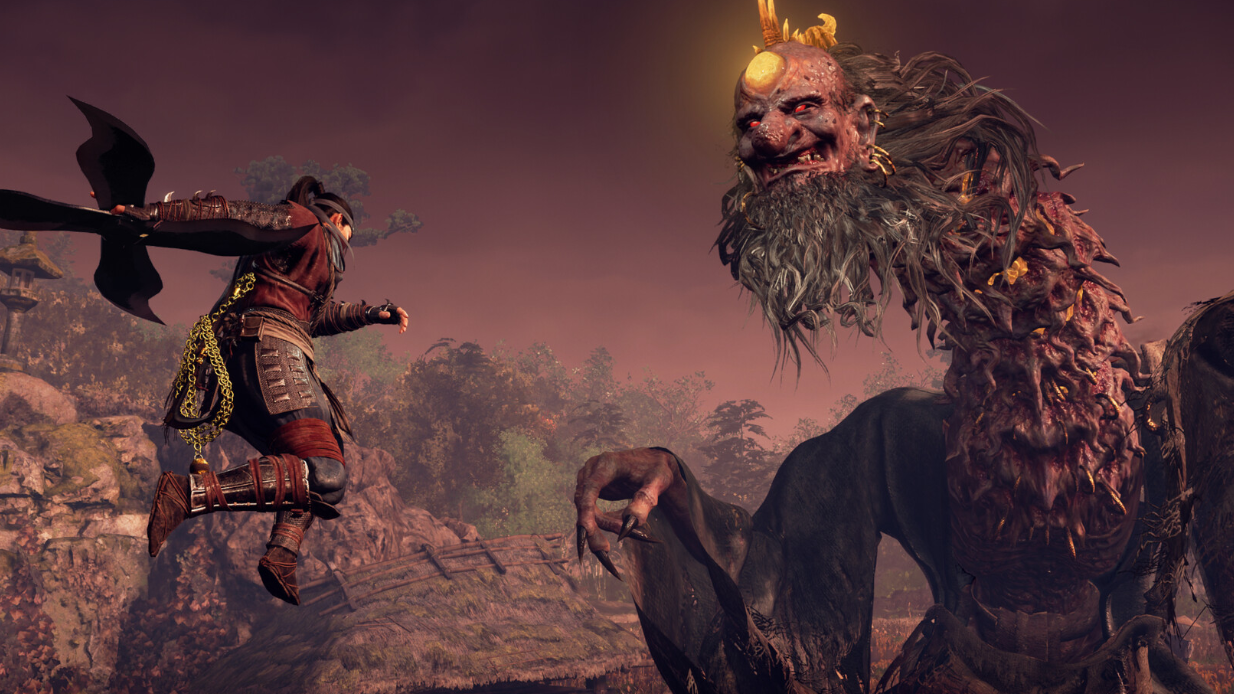
Other settings you can adjust
While difficulty itself is locked, Nioh 3 does let you tweak a range of other settings that can make gameplay smoother. You can adjust controls, camera behavior, visual settings, audio levels, and various accessibility options. None of these directly change enemy stats or damage numbers, but fine-tuning camera speed or control layouts can make combat feel more responsive and reduce frustration caused by mechanical awkwardness rather than genuine challenge.
Nioh 3's lack of difficulty settings is a conscious choice rooted in Team Ninja's belief that overcoming a shared challenge is central to the experience. But the studio clearly designed the game with more escape valves than ever before — between the open world, expanded build options, co-op, and generous early skill access, players who are willing to engage with the game's systems have real ways to control how hard things feel, even without a slider in the menu.