

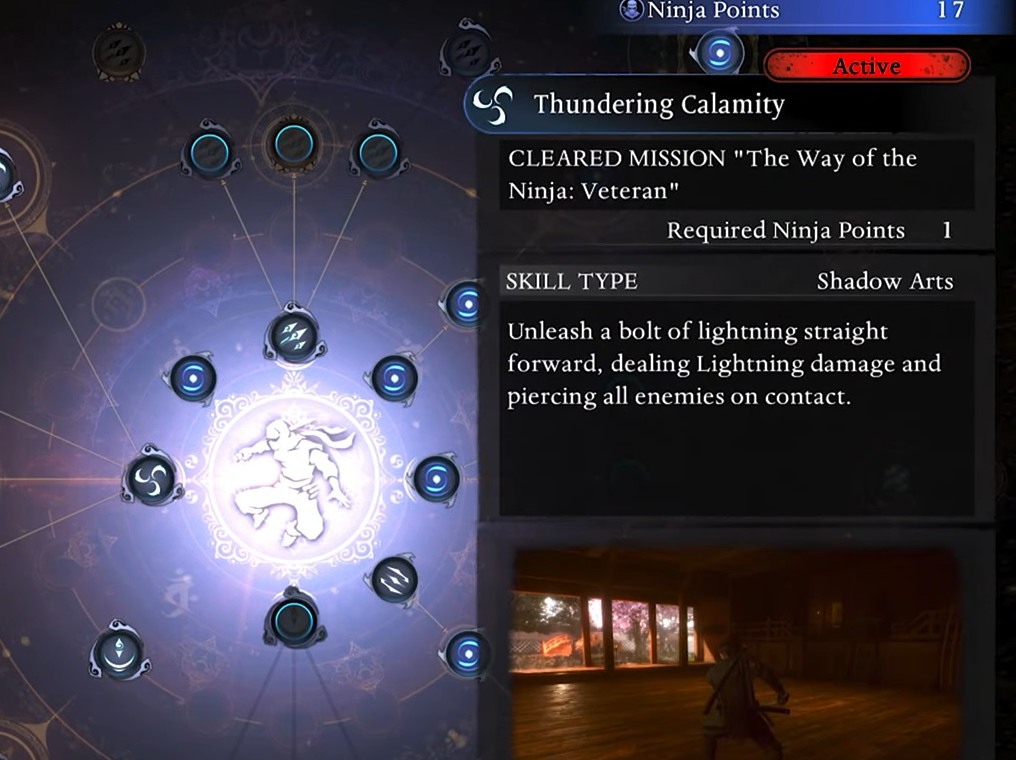
Shadow Arts in Nioh 3 are a specific category of Ninjutsu abilities tied to the Ninja skill tree. The game doesn't go out of its way to explain the term in its glossary or menu descriptions, which has left plenty of players confused. The label is actually a skill-type tag applied to individual Ninjutsu nodes — primarily the elemental techniques found on the left side of the Ninja skill tree. If you hover over any Ninja skill at a Shrine, the tooltip will display "Skill Type: Shadow Art" for the ones that qualify.
Quick answer: Shadow Arts are the elemental Ninjutsu abilities in the Ninja skill tree. You can identify them by hovering over a skill at a Shrine and checking whether its Skill Type reads "Shadow Art."
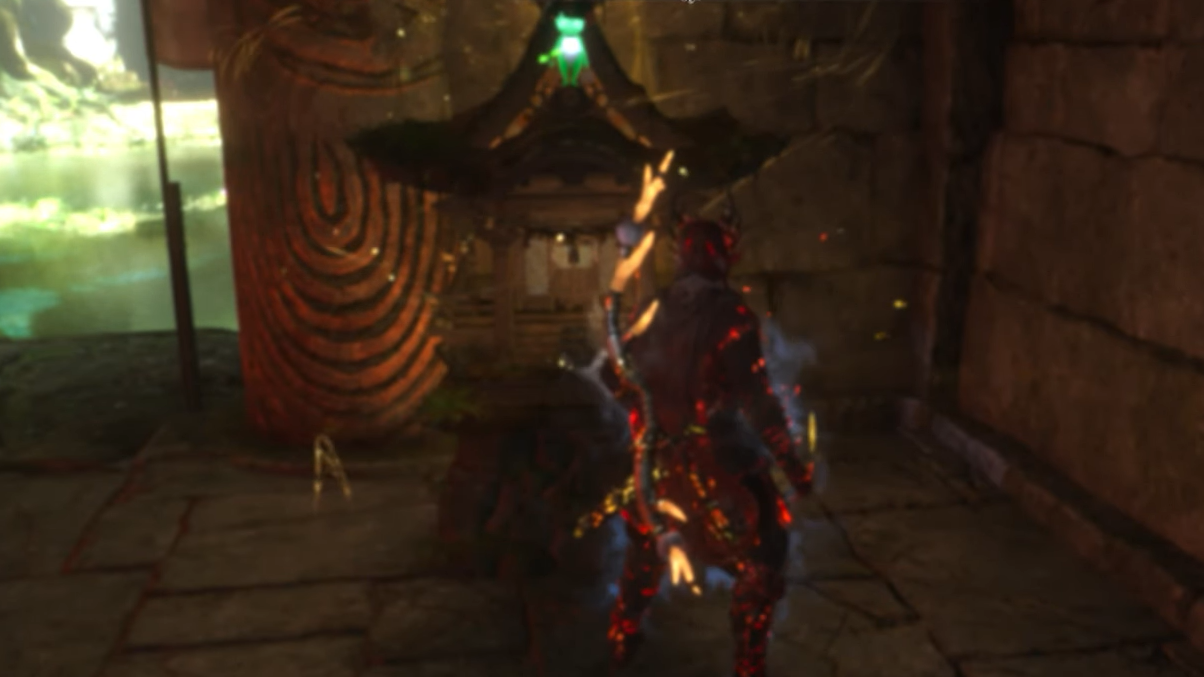
How to identify Shadow Arts in the Ninja skill tree
Open the Skill Management menu at any Shrine and navigate to the Ninja skill tree. When you highlight a skill node, a detail panel appears showing its name, capacity cost, effect description, and — critically — its Skill Type. Skills tagged as "Shadow Art" belong to this category. Most of them are the elemental Ninjutsu techniques clustered on the left branch of the tree, including abilities like Uncanny Flame, Uncanny Bubble, Uncanny Bolt, Uncanny Breeze, and the various Calamity skills (Infernal Calamity, Glacial Calamity, Thundering Calamity, Tempestuous Calamity). The distinction matters because several passive skills and equipment effects specifically amplify Shadow Arts damage rather than Ninjutsu damage in general.
Shadow Art Superiority passive skill
The most direct way to increase Shadow Arts output is the passive skill called Shadow Art Superiority. It sits in the Ninja skill category, costs 6 capacity to equip, and provides a flat 12% damage increase to all Shadow Arts Ninjutsu — but only when you are wielding a weapon whose innate element matches the element of the Shadow Art you're using. Pairing a fire-imbued weapon with Infernal Calamity, for example, activates the bonus, while mixing mismatched elements does not.
Shadow Art Superiority is not unlocked through normal skill-tree progression. You need to find the Secret Skills Text: Shadow Art Superiority, which is obtained in the Gion area. After clearing a Lesser Crucible in the eastern section of Gion, cross past the nearby shrine to locate a Sudama merchant. Exchange Yokai Teardrops with the Sudama to receive the text, then learn the skill at any Shrine.
Shadow Arts Damage special effects on gear
Beyond the passive skill, Nioh 3 includes equipment-based special effects that further scale Shadow Arts. Two distinct versions exist, and understanding the difference between them helps when planning a build.
| Special Effect | What It Does | Where to Find It |
|---|---|---|
| Shadow Arts Damage | Flat increase to damage dealt by Shadow Arts attacks | Flying Kato Set (3-piece bonus) |
| Shadow Arts Damage (Skill) | Increases Shadow Arts damage in proportion to your Skill stat | Fuma Chief Set (2-piece bonus) |
The first version is a straightforward percentage boost. The second scales with the Skill stat, rewarding builds that invest heavily in that attribute. Neither effect currently appears as a fixed roll on individual weapons or armor pieces outside of set bonuses, so equipping the right armor set is the primary way to access them. The Flying Kato Set requires three pieces for its Shadow Arts Damage bonus, while the Fuma Chief Set only needs two pieces for the Skill-scaling variant, making it easier to fit into hybrid loadouts.
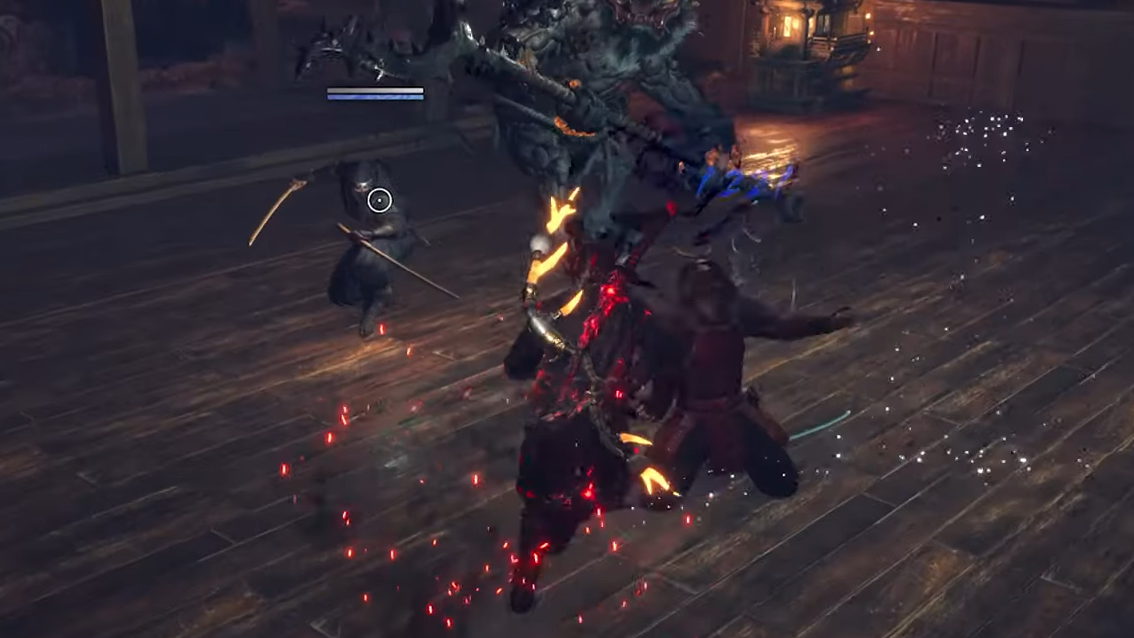
Building around Shadow Arts
A focused Shadow Arts build in Nioh 3 stacks these bonuses together. The general approach involves equipping enough pieces of the Flying Kato or Fuma Chief sets to activate their respective bonuses, slotting Shadow Art Superiority as a passive skill, and ensuring your melee weapon carries an element that matches the Shadow Arts you plan to use most. Since the elemental Ninjutsu skills cover fire, water, lightning, and wind, you have flexibility in choosing which element to lean into based on the enemies you're facing or the weapon you prefer.
Broader Ninjutsu damage modifiers — like the Ninjutsu Damage special effect found on various gear — also apply to Shadow Arts, since Shadow Arts are a subset of Ninjutsu. Stacking both general Ninjutsu damage and the Shadow Arts-specific bonuses yields the highest multiplier.
Related shadow-themed Ninja abilities
The word "shadow" appears in several other Ninja skill and martial art names, which can add to the confusion. Shadow Step is a Talons martial art classified as a Crucible Art — it has nothing to do with the Shadow Arts skill type. You unlock it by equipping Crucible Talons that carry the martial art and raising the weapon to 100% familiarity. Similarly, Shadow Cyclone and Shadow Cyclone Combo are Ninja Sword martial arts, not Shadow Arts Ninjutsu. The Martial Arts Guide for Shadow Cyclone Combo is found late in the game, in the Bakumatsu map area. None of these martial arts benefit from Shadow Art Superiority or the Shadow Arts Damage gear effects.
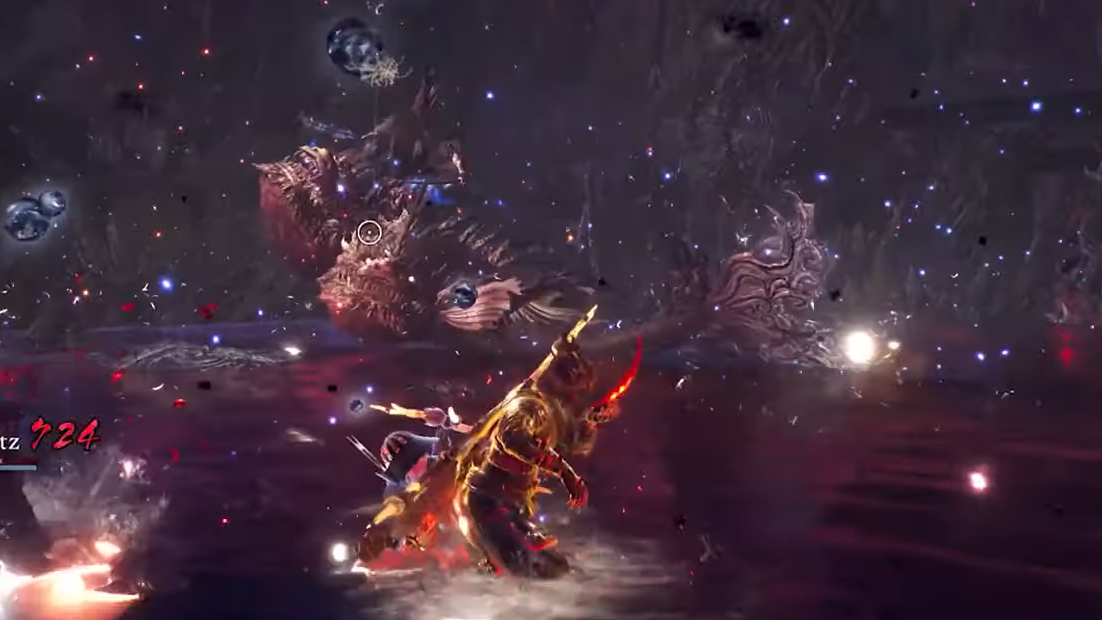
Shadow Arts occupy a narrow but powerful niche in Nioh 3's Ninja toolkit. Once you understand that the label is simply a skill-type tag on elemental Ninjutsu, the rest falls into place: match your weapon element, grab the Secret Skills Text from the Sudama in Gion, and layer on the right set bonuses. The payoff is a noticeable spike in elemental Ninjutsu damage that scales well into later difficulties.