

The Xeno Arena update for No Man's Sky introduced a surprisingly deep turn-based combat system called Creature Battles. Fought inside the Holo-Arena, these encounters revolve around creature affinities, ability cooldowns, stat management, and strategic evolution — mechanics that can feel overwhelming if you walk in unprepared.
Quick answer: Focus on learning the eight creature affinities and their type matchups, pay close attention to ability cooldowns and buffs/debuffs each turn, and evolve your creatures with Retroviral Pellets and gene edits to boost Combat Effectiveness, Agility, and Health.

All eight creature affinities and type effectiveness
Every creature in the Holo-Arena carries one of eight affinities, determined by the biome where it was originally found. Matching your creature's strengths against an opponent's weaknesses — and avoiding the reverse — is the single most important factor in winning battles.
The eight affinities are Fire, Frost, Toxic, Desert, Tropical, Radioactive, Mechanical, and Anomalous.

Each affinity has separate attack and defense profiles. A creature can be strong on offense against one type while being vulnerable on defense to a completely different type. The confirmed matchups so far are listed below.
| Affinity | Attack — Strong Against | Attack — Weak Against | Defense — Strong Against | Defense — Weak Against |
|---|---|---|---|---|
| Fire | — | — | — | — |
| Frost | Mechanical | Radioactive | Frost | Anomalous |
| Toxic | — | — | — | — |
| Desert | — | — | — | — |
| Tropical | — | — | — | — |
| Radioactive | Fire | Toxic | Frost | Anomalous |
| Mechanical | Desert | Anomalous | Tropical | Frost |
| Anomalous | — | — | — | — |
Dashes indicate matchups that have not yet been fully mapped. The community is still cataloguing every interaction, so expect this picture to fill in over time. For now, if you're running a Frost creature, you'll hit Mechanical opponents hard on offense but need to watch out for Radioactive attackers and Anomalous-type damage on defense.

Creature stats — Combat Effectiveness, Agility, and Health
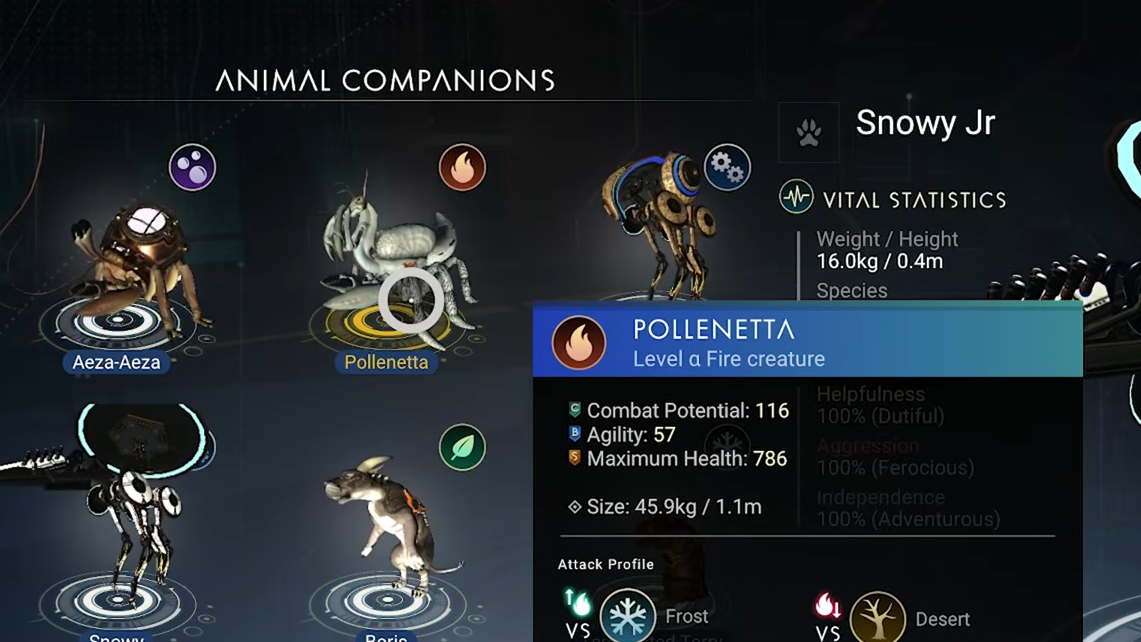
Beyond affinities, every creature has a rating (S, A, B, or C) and three core stats that directly determine battle performance.
| Stat | What it does |
|---|---|
| Combat Effectiveness | Governs overall damage output and how hard your creature hits with its abilities. |
| Agility | Determines turn order. A higher Agility score means your creature acts first. |
| Health | Total hit points your creature can absorb before being knocked out. |
Agility is particularly important in close matchups. Acting first lets you apply debuffs or land damage before the opponent can respond, which can snowball across multiple turns. When choosing between two creatures of similar rating, lean toward the one with higher Agility unless you specifically need a tanky, high-Health option to absorb punishment.

Abilities, cooldowns, and buff/debuff planning
Creature Battles are turn-based, and each creature has multiple abilities with distinct cooldowns, miss chances, and effects. Some deal immediate damage, others apply damage or healing over several future turns, and many layer buffs or debuffs that shift the fight's momentum.
Take the Permafrost ability as an example. It reduces the opposing creature's Combat Effectiveness by 4% for six turns. If the debuff is dispelled, it instead deals 522–559 Frost damage. It has a four-turn cooldown and an 8% miss chance.
This kind of delayed payoff is common. You'll encounter abilities that deliver a massive heal several turns in the future, deal chip damage repeatedly over a stretch of turns, or front-load heavy damage but then give small heals to the opponent over subsequent rounds. The variety forces you to think ahead rather than just spamming your strongest attack every turn.
Tracking cooldowns is essential. If your best debuff is on a four-turn cooldown, you need to plan your filler turns with abilities that either deal consistent chip damage or provide defensive buffs to keep your creature alive until the key ability is available again.
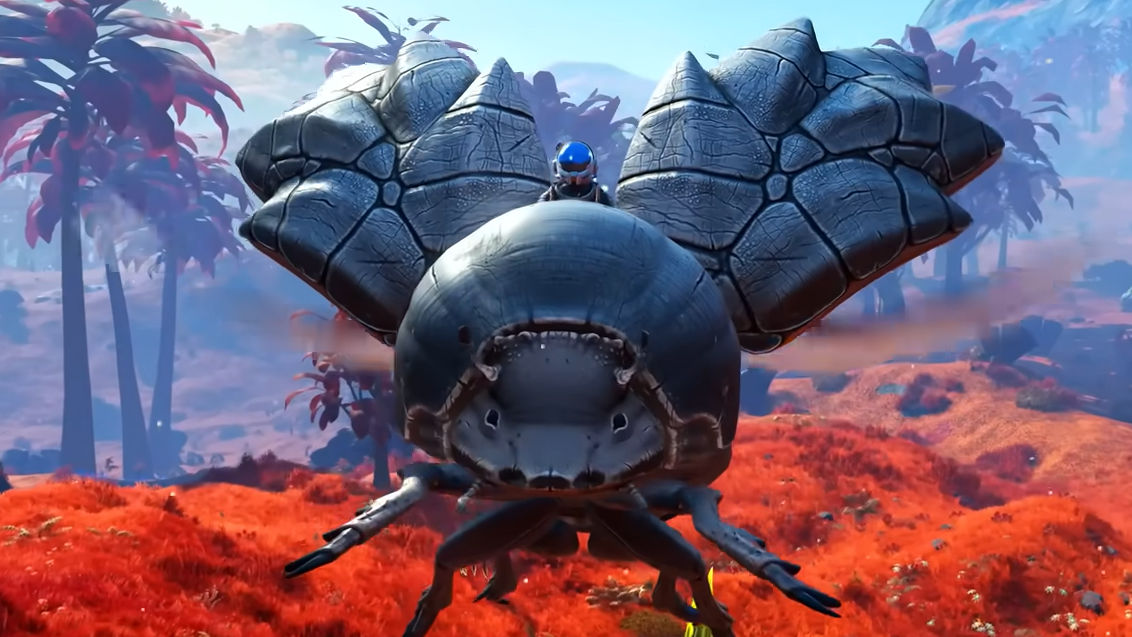
Evolving creatures and applying gene edits
Creatures improve their stats naturally as you use them in battles, but the real power jumps come from evolution and genetic mutation.
Step 1: Open the Creatures menu, select the companion you want to evolve, choose "Interact," and then select "Evolve Companion." This requires a Retroviral Pellet.
Step 2: After evolving, you gain access to gene edits. These let you apply genetic mutations that directly increase Combat Effectiveness, Health, or Agility.
Prioritize evolving the creatures you use most frequently in the arena. Gene edits are the primary way to push a creature's stats beyond what natural battle experience provides, so don't neglect them — especially on high-rating (S or A) companions that you plan to keep in your main rotation.
Companion slots and Nanite costs
The Xeno Arena update raised the maximum companion limit to 30 creatures. You start with two slots unlocked. Every additional slot costs Nanites, beginning at 500 for the third slot and increasing with each subsequent unlock.
Building a diverse roster matters because affinity matchups are so important. Having creatures from multiple biome types means you can always counter whatever affinity your opponent fields. Budget your Nanites accordingly — unlocking slots early gives you more flexibility in the arena, but the escalating cost means you'll want to be selective about which creatures you actually keep and invest evolution resources into.

Creature Battles in No Man's Sky reward preparation over reflexes. Knowing your affinity matchups, reading ability descriptions thoroughly, managing cooldowns across turns, and investing in evolutions and gene edits will carry you much further than simply fielding the highest-rated creature you own. The system is still relatively new, and the full type effectiveness chart continues to expand, so experimenting with different creature compositions is half the fun.