

Nosferatu turns Forsaken into a game of silent pressure. He floats instead of walking, flies as a bat, chains survivors from range, and leaves the map covered in slowing blood. Played well, he controls not just space but stamina and panic.
How to unlock Nosferatu in Forsaken
Nosferatu arrives through The Masquerade event rather than the standard killer shop.
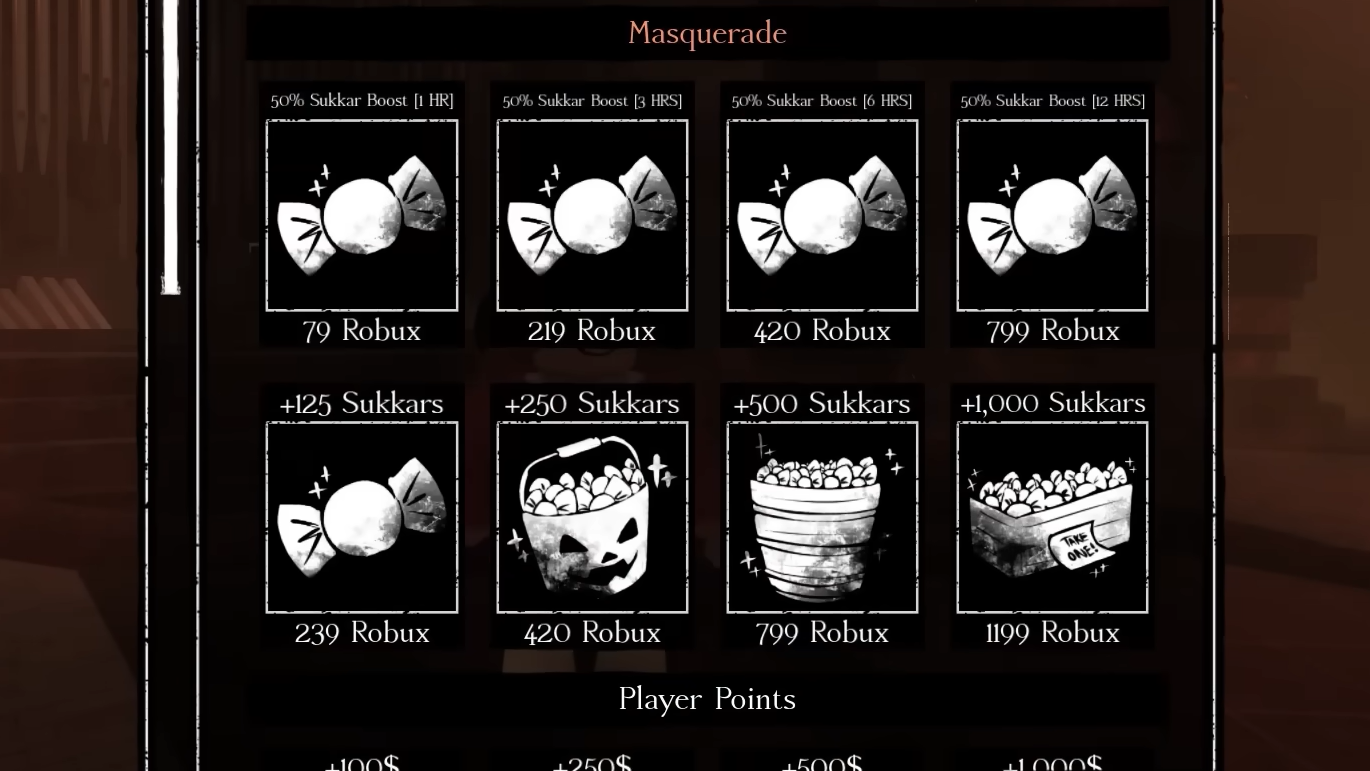
Step 1: During The Masquerade event, earn Sukkars by finishing matches. You gain more by winning, and extra Sukkars come from colorful candy bags that spawn around the map.
Step 2: Spend Sukkars on Masquerade skins. Nosferatu is the final reward and costs 3,500 Sukkars, and you need to have already unlocked a set number of Masquerade cosmetics before buying him.
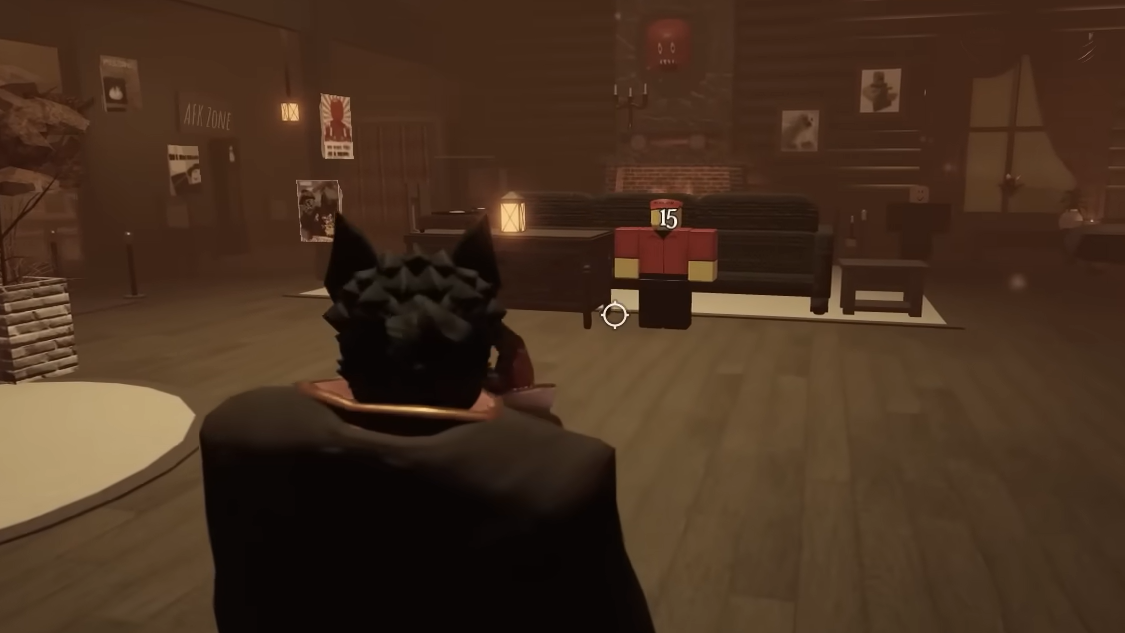
Step 3: From the lobby, move toward the beach, turn left to find the basement window covered in vines, drop down, and walk to the organ. Interact with Nosferatu there to purchase him.
After the event, Nosferatu moves to the regular killer shop for a converted cost in the standard in‑game currency, so missing the event does not lock him out permanently.

Nosferatu stats and role
Nosferatu is tuned as a higher‑skill killer with strong map control.
| Stat | Value |
|---|---|
| Difficulty | ★★★★ (4‑star) |
| Health | 1700 |
| Sprint speed | 27.5 |
| Stamina | 110 |
| Stamina loss / second | 21 |
| Stamina gain / second | 9.5 |
| Terror radius | 60 |
| Cost | 3,500 Sukkars |
In practical terms, that stat line makes Nosferatu fast, with enough stamina to sustain pressure, and a large terror radius that contrasts with how quietly he actually moves. His kit is built for:
- Silent ambushes.
- Anti‑loop and route denial.
- Long‑range punishes when survivors misposition.
- Rapid rotation between objectives with bat form.
Nosferatu abilities and status effects
| Ability | Type | Core effect |
|---|---|---|
| Levitation | Passive | Removes footstep sounds while moving. |
| Lacerate | Main | Short‑cooldown melee slash dealing solid damage with good reach. |
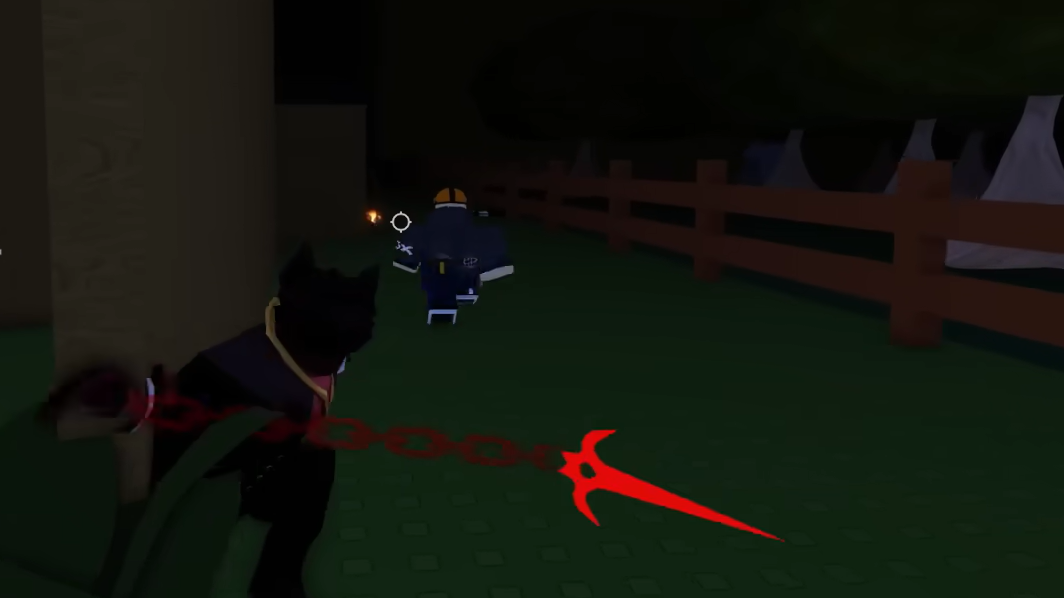
| Bloodhook | Alt 1 | Ranged hook that hits multiple survivors and drags one into melee through a quick‑time event. |
| Cataclysm | Alt 2 | Invisible dash that leaves a returning trail and blood puddles applying Bleeding and Slowness. |
| Hunter’s Feast | Alt 3 | Redirectable orb of bats that debuffs a survivor and grants Nosferatu strong stealth buffs. |
| Ascension | Alt 4 | Transforms Nosferatu into a bat, allowing free flight for a short period. |
| Dismount | Bat‑only main | Dive attack from bat form that deals heavy damage and a stun on hit. |
Levitation
Levitation is passive but defines how Nosferatu plays. He glides without making footstep sounds, so survivors can only track him through the terror radius, line of sight, and ability animations.
Use it to:
- Walk instead of sprinting when close to objectives, so survivors get no warning from audio.
- Cut loops and approach from unexpected angles behind walls or up ramps.
- Hold briefly behind cover near generators or doors, waiting for survivors to burn stamina before committing.

Lacerate
Lacerate is Nosferatu’s standard claw swipe. It has a very short cooldown and respectable range, and it lingers slightly in space, catching survivors who try to sidestep too late.
Practical uses:
- Anti‑jukes: Swing as survivors commit to sharp turns or zig‑zags; the lingering hitbox punishes sudden lateral movement.
- Post‑Bloodhook follow‑up: When you drag someone in, buffer Lacerate as they arrive to secure damage even if they try to juke on landing.
- Loop glue: At pallets and corners, swing just as survivors exit cover to force them into predictable paths.
Bloodhook
Bloodhook is a ranged chain that hits multiple targets and then selects one survivor to reel in through a mini‑game.
- On hit, it deals impact damage.
- Successfully finishing the time‑based prompt applies extra damage and inflicts Helpless and Slowness III to the survivor if they were at longer range.
- Failing the mini‑game releases the survivor and inflicts Helpless on Nosferatu instead.
To get value from Bloodhook:
- Use it as a punish, not a poke. Fire it when survivors are already pressured — out of stamina, trapped by terrain, or leaving a corner. They have less room to dodge and are slower to respond to the quick‑time prompts.
- Prioritize clear sightlines. At long range, only shoot when you have a clean path and no walls or props that can eat the projectile.
- Chain it after Cataclysm. Survivors slowed by Cataclysm’s puddles are dramatically easier to reel in, and they often panic, making the prompt easier for you to win.
Cataclysm
Cataclysm turns Nosferatu invisible and launches him forward in a dash, tracing his path on the ground. After a short delay he explodes into bats at the end point, dealing burst damage in a radius, then teleports back to the starting location. The dashed path is marked with blood puddles that remain for around 10 seconds and apply Bleeding III and Slowness II to survivors who cross them.
The ability does not exist to deal massive direct damage; it exists to carve the map into “safe” and “unsafe” zones.
- Close off corridors. In tight hallways or doorways, dash in a shallow curve that forces survivors to cross your trail if they continue forward.
- Delete loops. When a survivor tries to transition into a strong loop, dash across their intended line so the only options are stepping in blood or retreating into your melee range.
- Set up for Bloodhook. As soon as Cataclysm ends and the survivor hits your puddles, pivot to Bloodhook while they are slowed, then finish with Lacerate.
Hunter’s Feast
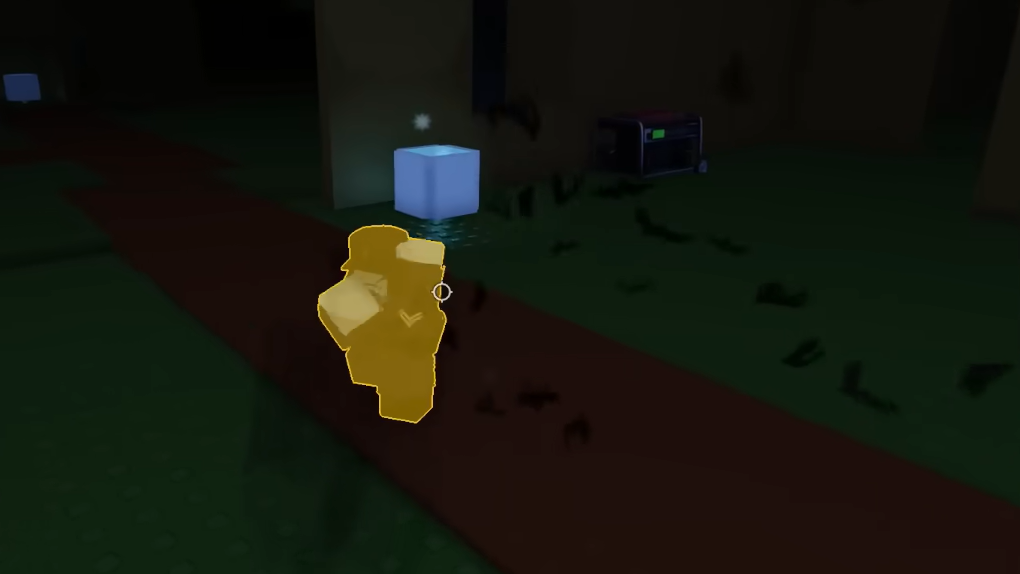
Hunter’s Feast fires a bat‑filled projectile that can be redirected mid‑flight. On contact:
- The survivor suffers Oblivious and Creatures for around 10 seconds, increasing the damage they take from subsequent hits.
- Nosferatu gains Invisibility and Undetectable at a high tier for roughly the same duration.
Ways to leverage it:
- Pre‑burst amplification. Tag a survivor and immediately follow with Lacerate or a Dismount dive, so the damage boost applies to your opening hit.
- Stealth repositioning. Mark one survivor, then leave them and glide silently toward another objective while invisible, starting a new chase at point‑blank range.
- Dark‑zone shots. In low‑light interiors or shadowy areas, the projectile is harder to see. Combined with Levitation, this makes surprise tags much easier.
Ascension and Dismount
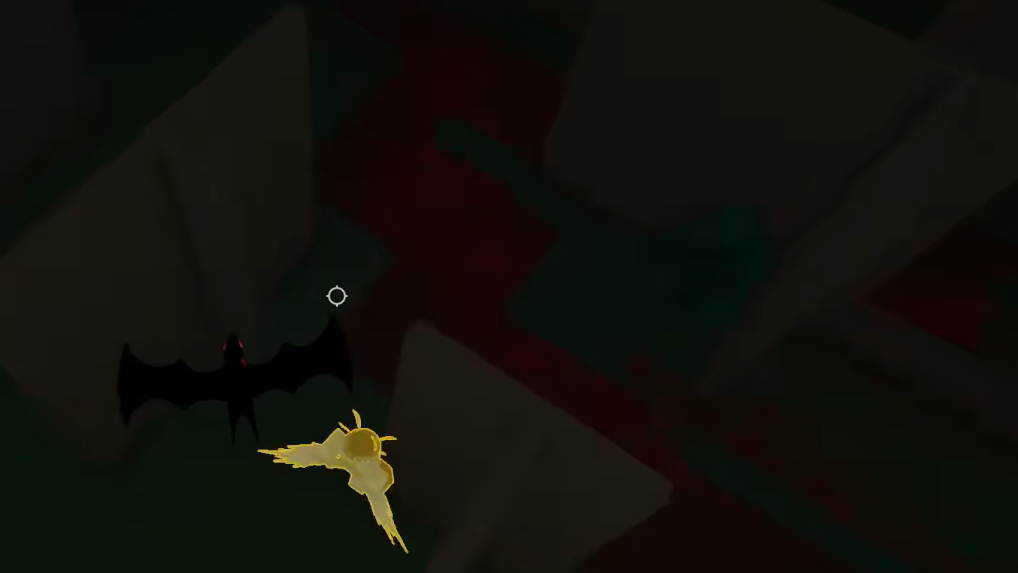
Ascension turns Nosferatu into a bat with increased speed, reduced terror radius, and the ability to fly freely around the map for up to 10 seconds. While transformed, he cannot use his regular ground abilities but gains a bat‑only dive: Dismount.
Dismount is a high‑risk, high‑reward dive attack:
- On hit, it deals heavy damage (around 40) and stuns the survivor.
- On miss, Nosferatu suffers Slowness III and Helpless, giving survivors an opening.
Use the pair as a control tool, not just a finisher:
- Opening chases. Fly high over structures and around walls to approach from behind or above. Dismount from height so survivors have minimal time to react.
- Objective scouting. While airborne, look for generator auras and survivor silhouettes to decide where to rotate next. End Ascension with a dive on anyone stuck in an animation such as repairing, opening exits, or vaulting.
- Target priority. Focus mobile or stun‑heavy survivors like Veeronica or those with strong disruption skills. Ascension’s speed lets you catch them before they control the pace of the match.
Playing Nosferatu: core game plan
Nosferatu’s kit rewards planning. The strongest play patterns layer multiple abilities so survivors are always dealing with either slowed movement, impaired awareness, or an incoming ambush.
Early game: first contact and information
- Open with Ascension as soon as it is available to quickly locate survivors and generators.
- Stay high and behind cover rather than flying directly at a target; breaking line of sight keeps your approach ambiguous.
- Look for someone deep into an objective animation. Use Dismount from above or behind to open with a large health swing.
Mid game: chase structure and combos
Once survivors are spread out and objectives are ticking, Nosferatu shifts into route control and punishes.
- Cataclysm → Bloodhook → Lacerate: Dash to cut off escape, force a step into blood for Bleeding and Slowness, then chain Bloodhook as they slow, and finish with Lacerate when they arrive.
- Hunter’s Feast → Levitation walk‑up → Lacerate: Tag someone from an off‑angle, then immediately close distance silently to land an empowered basic hit they did not expect.
- Bloodhook near corners: Fire Bloodhook right as survivors exit a corner or ramp; they typically have less space to strafe, making the mini‑game much easier to win.
Late game: exit control
Near the end, Nosferatu wants to deny clean escapes and force risky paths.
- Use Cataclysm to lace exits, common doors, and choke points with blood puddles, turning standard routes into health‑draining risks.
- Pop Ascension when gates are powered to patrol both doors quickly and dive onto survivors who try to sneak a last‑second open.
- Hold Bloodhook for survivors committing to gates or narrow corridors; the long wind‑up does not matter when they have limited movement options.
How to counter Nosferatu as a survivor
Nosferatu looks overwhelming when you first meet him, but his power comes with hard weaknesses: visible wind‑ups, punishable misses, and no protection against stuns.
General movement and positioning
- Don’t run in straight lines. Bloodhook has a noticeable charge animation. If you keep changing direction, especially just as the animation finishes, the hook is much harder to land.
- Use walls and corners. Staying near cover makes Cataclysm and Bloodhook less effective. Nosferatu has to curve his dash around obstacles and risks hitting terrain with his chain.
- Watch the sky. Ascension dives are easiest when survivors stare straight ahead. Make a habit of scanning above you in open areas, especially when you hear bat sounds or lose track of his terror radius.
Dealing with Bloodhook
- Exploit the wind‑up. The ability has a long preparation time. As soon as you see the animation start, angle sideways instead of backward, and break line of sight if possible.
- If you are hooked, stay calm. The drag mini‑game punishes panic. Hit the on‑screen prompts cleanly rather than mashing; controlled inputs slow or break the pull.
- Use block abilities. Survivors like Guest 1337 can block many of Nosferatu’s skills. Blocking Bloodhook wastes his cooldown and lets your team reposition.
Playing around Cataclysm
- Keep moving forward, not backward. When Nosferatu vanishes into Cataclysm, retreating toward his starting position often hands him a free hit when he reappears. Instead, push past his current line using side paths when possible.
- Bait the dash, then leave. If your stamina is healthy, briefly act as if you are out of options to encourage him to commit Cataclysm, then sprint away along a different route before the trail fully boxes you in.
- Avoid circling with him. If he is drawing loops around you, do not stay in the center waiting for the explosion. Escape the area before he completes his path.
Survivor picks that counter Nosferatu
- Stun‑heavy survivors (e.g., Shedletsky): Nosferatu has no built‑in answers to stuns. Well‑timed stuns during his Bloodhook or Cataclysm recovery can completely reset chases.
- Block‑centric survivors (Guest 1337): High‑impact abilities with long wind‑ups are perfect block targets. Blocking Cataclysm or Bloodhook lets you waste his cooldowns and leave while he recovers.
- Flankers (Two Time): While Nosferatu is focused on Cataclysm paths or Bloodhook, backstab‑oriented survivors can hit him from behind, especially if they move to his original Cataclysm position as he explodes forward.
Is Nosferatu worth learning?
Nosferatu is not the easiest killer to pick up. Most of his tools demand timing and planning: Cataclysm needs forethought, Bloodhook punishes sloppy aim, and Dismount will lose you chases if you dive on guesses instead of guarantees. But once the pieces click, he offers a rare mix of map‑wide presence, oppressive chase tools, and a constant psychological threat. Survivors have to think about where they run, when they spend stamina, and even where they look.
If you are willing to practice hit timing, pathing, and reading survivor routes, Nosferatu becomes one of the most flexible and expressive killers in Forsaken—and one of the hardest for survivors to ignore.