

For more than a year, Marvel Rivals held a comfortable lead over Overwatch on Steam. That changed on February 10, 2026, when Blizzard dropped the "2" from Overwatch's name, launched five new heroes at once, and reset the game's seasonal structure under a new narrative called "Reign of Talon." The result was an immediate and dramatic spike in players — enough to surpass Marvel Rivals in concurrent users on Steam for the first time.
Quick answer: Overwatch hit a new all-time Steam peak of over 165,000 concurrent players on February 10–11, 2026, surpassing Marvel Rivals, which sat around 70,000–112,000 during the same window.
The Steam numbers in early February 2026
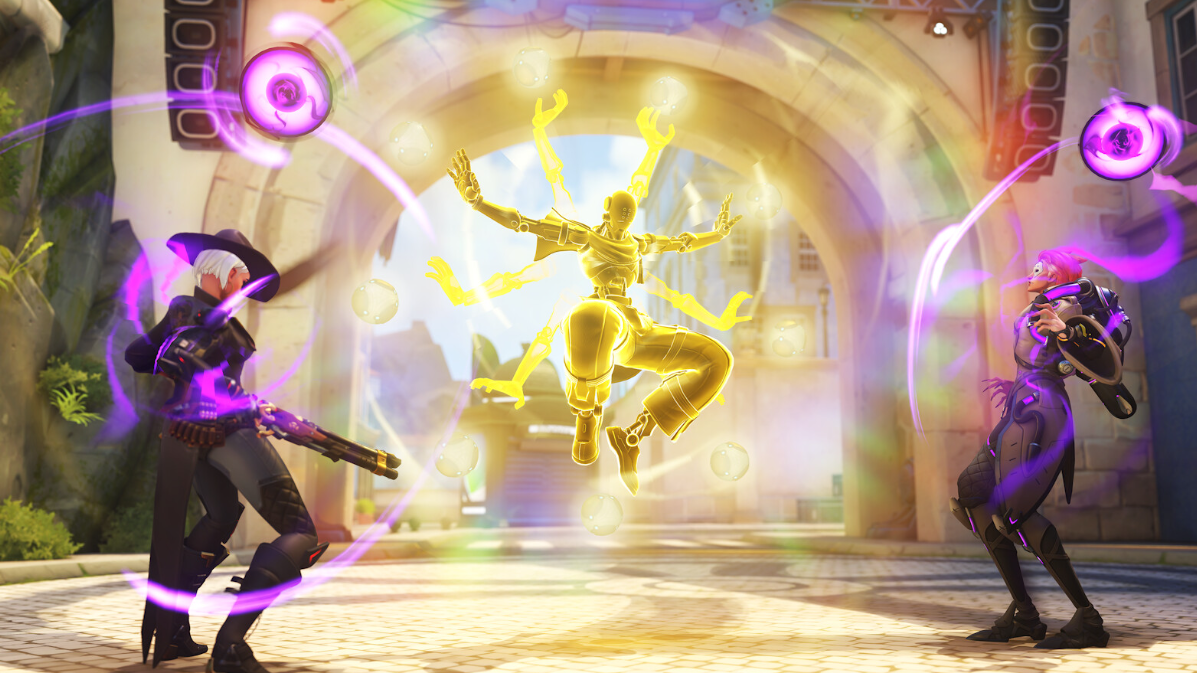
On the day of the relaunch, Overwatch climbed past 126,000 concurrent Steam players within hours and eventually peaked above 165,000 — more than double its previous all-time Steam record of roughly 75,600, set when the game first arrived on the platform in August 2023. Marvel Rivals, meanwhile, had around 70,000 current players and a 24-hour peak just above 112,000. By February 11, Overwatch was sitting above 108,000 concurrent users while Marvel Rivals hovered around 70,000.
Marvel Rivals still holds a significantly higher all-time Steam peak of 642,333, reached in January 2025 during its explosive launch window. But the game's Steam average has been on a long downward slide since then. After averaging over 306,000 players in January 2025, it fell to roughly 64,000–77,000 through much of mid-to-late 2025 before rebounding slightly to around 88,000–93,000 in January 2026. Overwatch's relaunch pushed it past that range in a single day.
Why Steam numbers don't tell the full story
Steam concurrent counts are the only publicly visible metric for either game, but they represent a fraction of each title's total player base. Overwatch launched on Battle.net in 2016 and only came to Steam in August 2023. The vast majority of its PC players still use Blizzard's own launcher. Community estimates from players tracking Steam badges in their lobbies suggest that Steam accounts for somewhere between 7 and 25 percent of Overwatch's total PC population, depending on region. On European and Asian servers, the Steam share appears even lower.
Marvel Rivals is also available through the Epic Games Store, though Steam is widely considered its dominant PC platform. Both games have substantial console player bases that are invisible in Steam tracking — Overwatch runs on PlayStation, Xbox, and Nintendo platforms, while Marvel Rivals is on PlayStation 5 and Xbox Series X|S.
The practical implication is that when the two games are tied or close on Steam, Overwatch's total player count across all platforms is likely considerably higher. That was already the case in late August 2025, when the two games first reached parity on Steam following months of Marvel Rivals decline.
What drove Overwatch's surge
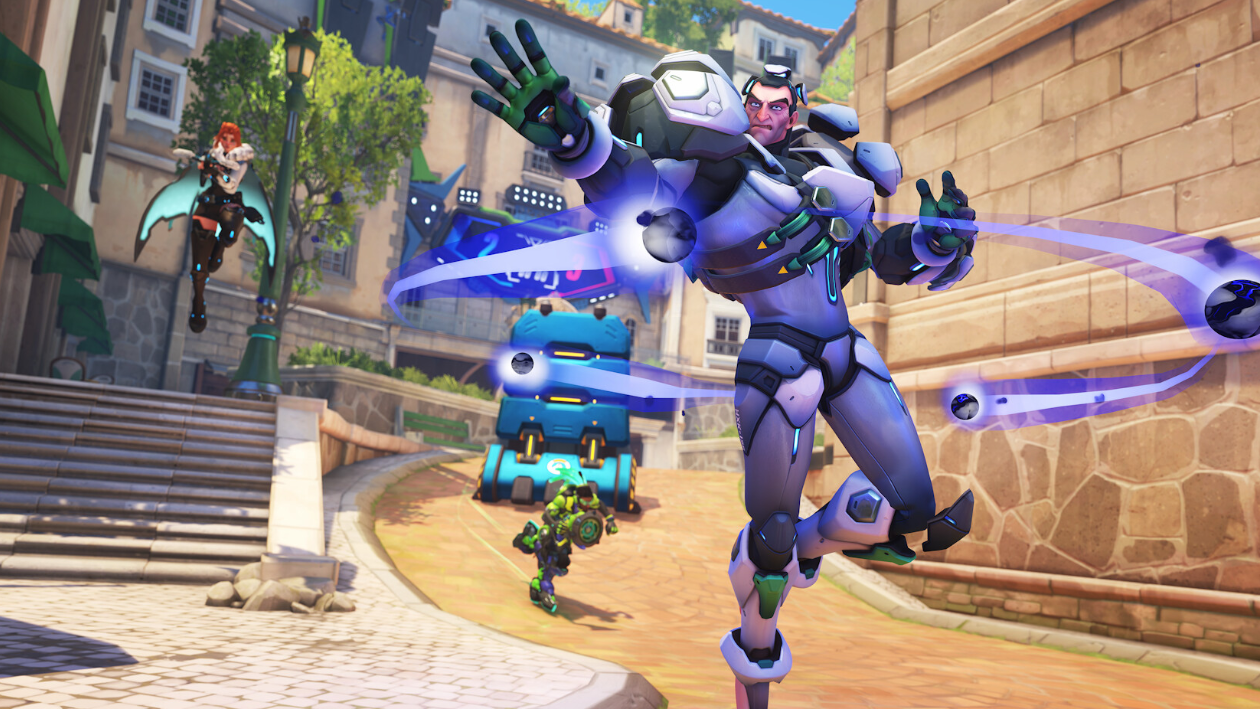
The February 10 update was the largest single content drop in Overwatch's history. Five new playable heroes arrived simultaneously: Emre, a character from the game's comic tie-ins; Jetpack Cat, a fan-requested concept from early development; Anran; Domina; and Mizuki. The game also introduced hero sub-roles that grant class-specific passive abilities, an overhauled UI, and a faction-choice system tied to the new "Reign of Talon" storyline.
Blizzard reset the seasonal counter back to Season 1, subtitled "Conquest," and promised a total of ten new heroes across six seasons in 2026 — a dramatic acceleration from the three heroes released throughout all of 2025. The pacing is a clear response to Marvel Rivals, which introduced 12 new heroes in 2025 alone, typically releasing two per season.
The relaunch also dropped the "Overwatch 2" branding entirely, reverting to the original name. That symbolic move, combined with the sheer volume of new content, drew back lapsed players and generated significant attention.
Marvel Rivals' trajectory and ongoing challenges
Marvel Rivals launched in December 2024 to enormous fanfare, peaking above 440,000 concurrent Steam players. NetEase Games maintained an aggressive content schedule, adding heroes at a pace Overwatch couldn't match at the time. By February 2026, the roster had grown to over 45 characters, with Elsa Bloodstone announced as the next addition on February 13.
But the game's Steam population has been in a persistent decline since early 2025. Several factors have contributed. Marvel Rivals has struggled to gain traction in Asian markets — a critical problem for NetEase, a Chinese company. Overwatch, by contrast, remains popular in South Korea and China, where it has maintained a presence in PC bang rankings. The Marvel IP resonates most strongly in North America, and the game's audience appears concentrated there.
Design decisions have also become friction points. Marvel Rivals uses open queue with no role lock, and the developers have publicly committed to never implementing role queue. Combined with a roster that skews heavily toward DPS characters, this has led to widespread complaints about match quality — teams frequently end up with no tank or a single support player. Overwatch went through a similar crisis years ago before adding role queue, and many players who tried Marvel Rivals have noted the parallels.
Polish and feel are another recurring comparison. Overwatch's first-person shooting, sound design, and movement have been refined over nearly a decade. Marvel Rivals uses a third-person camera for many characters, and players frequently describe its gunplay as less precise and its visual presentation as cluttered. Support hero design, in particular, has drawn criticism for being shallow and focused almost entirely on healing output rather than utility.
Competition is shaping both games
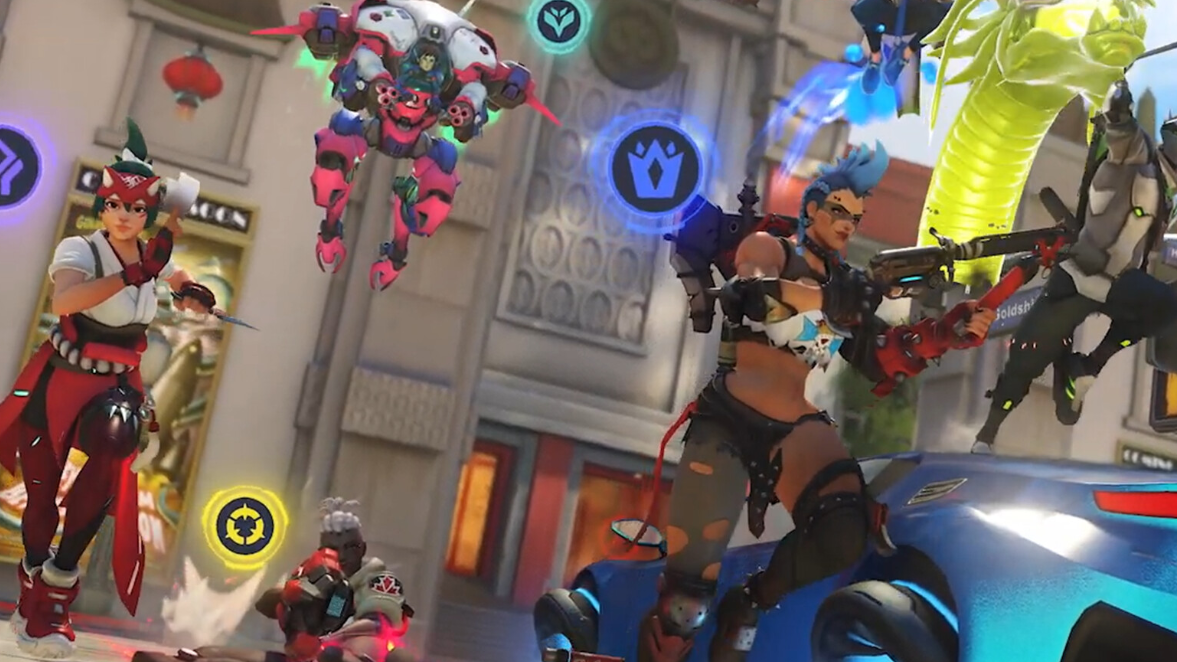
The rivalry between these two hero shooters has been productive. Blizzard's decision to accelerate its content pipeline and deliver a massive relaunch is widely seen as a direct response to the pressure Marvel Rivals created. Before Rivals launched, Overwatch was releasing heroes at a glacial pace — one every other season — and the game's population had been slowly eroding.
Marvel Rivals, for its part, continues to push new characters and seasonal content at a rapid clip. The game still has a healthy player base by live-service standards, and its Marvel IP gives it a built-in audience that few competitors can match. Whether NetEase addresses the structural issues around role balance and match quality will likely determine whether the game stabilizes or continues to lose ground.
For now, Overwatch has reclaimed the top spot among hero shooters on Steam — something that seemed unlikely just a few months ago. Whether it can hold that position once the relaunch excitement fades will depend on how well Blizzard delivers on its promise of sustained, regular content throughout 2026.