

Phantom Blade Zero is a single-player wuxia action RPG built around fast, martial-arts combat and a hard time limit on its story. It comes from Beijing-based studio S-GAME and revisits the universe of the earlier Rainblood and Phantom Blade games with a new, self-contained plot.
Release date and regional timing
Phantom Blade Zero is slated to launch worldwide on September 9, 2026 for PlayStation 5 and PC. The date was revealed alongside a new gameplay trailer during The Game Awards 2025.
On PC storefronts, the listing currently shows a planned unlock date of September 8, 2026, which reflects time zone differences between regions rather than a fundamentally different launch window. In practice, players on both PS5 and PC can expect access in early September 2026, with exact local timing adjusted per region.
Platforms and 12‑month PS5 exclusivity
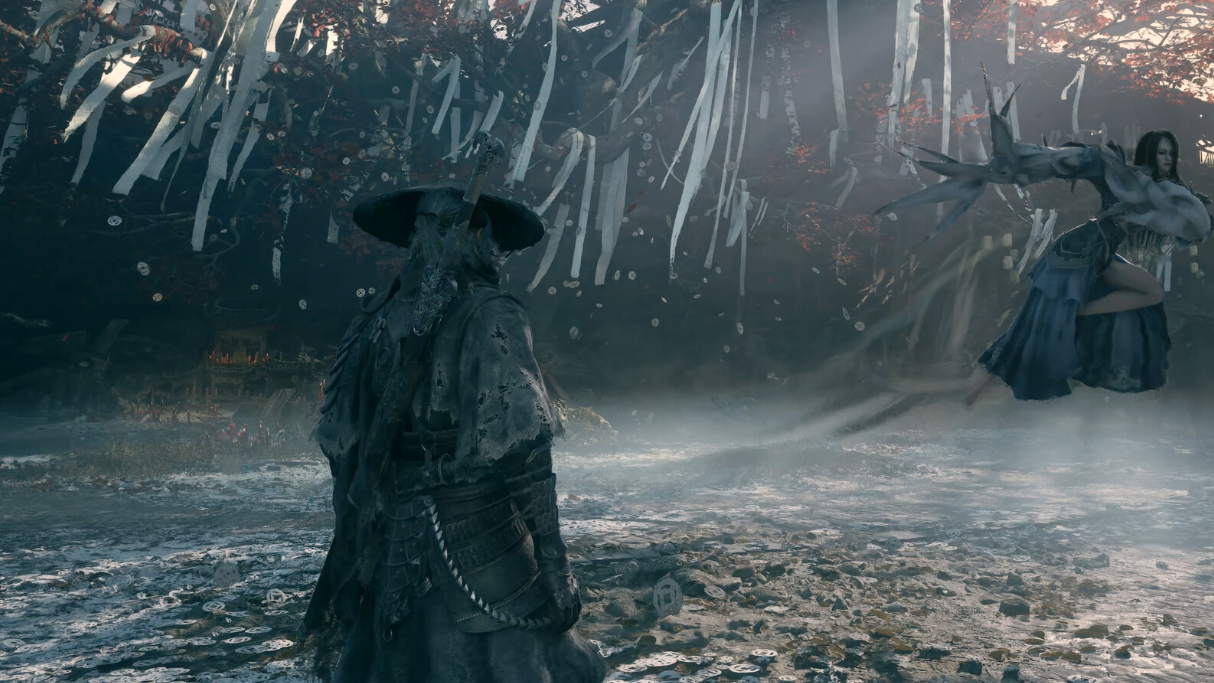
At launch, Phantom Blade Zero targets two platforms: PS5 and Windows PC. The game is built in Unreal Engine 5 and is positioned as a high-end console and PC release rather than a cross-generation project.
On consoles, it is a timed exclusive for PlayStation 5. A notice attached to the PlayStation release date trailer makes clear that Phantom Blade Zero will not appear on “other consoles until at least 12 months after release date.” That means Xbox Series X|S or any potential future console versions will have to wait until at least September 2027, and they have not been formally announced.
PC players will be able to pick the game up through storefronts such as Steam. The Steam page confirms single-player support, Denuvo anti-tamper DRM, and a full set of interface and subtitle languages, with English and Simplified Chinese voiceover.
Basic premise and setting
The story follows Soul, an elite assassin working for a secretive organization known simply as The Order. After the patriarch of The Order is murdered, Soul is framed for the killing and becomes the target of his own comrades.
During the ensuing manhunt, Soul is mortally wounded. A mysterious healer saves him, but the cure is imperfect: his heart is ruined and he is left with only 66 days to live. The entire campaign unfolds under that ticking clock as Soul hunts for the truth behind the conspiracy, fends off assassins, and decides how to use the time he has left.
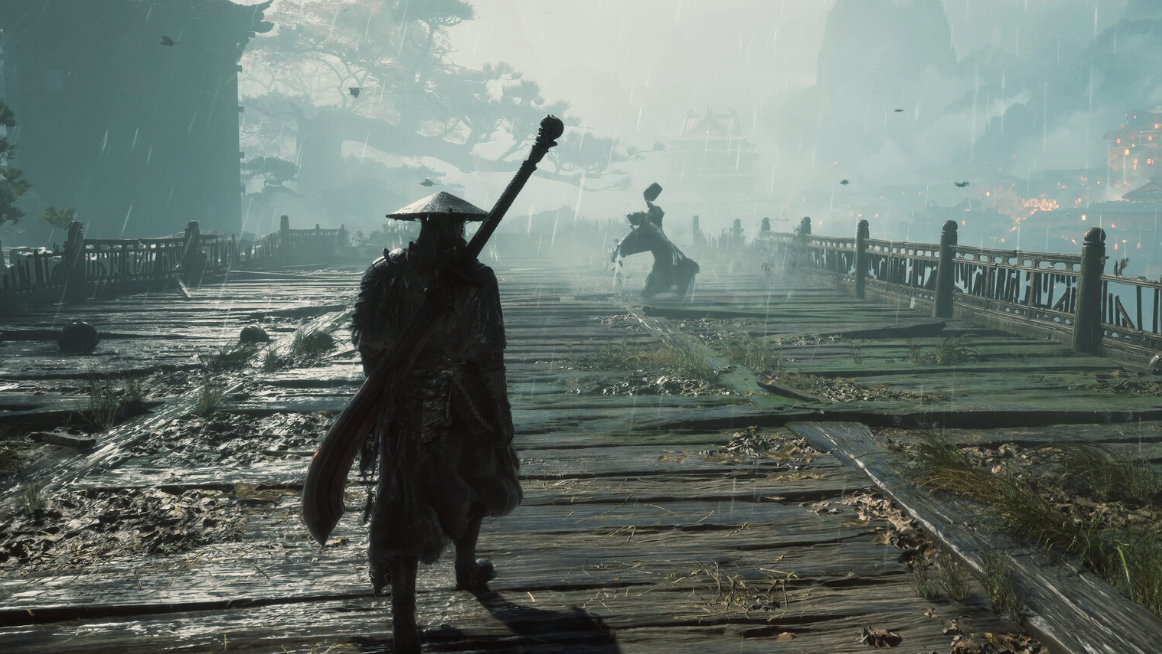
The game takes place in the Phantom World, an alternate universe inspired by Ming dynasty China and the classic wuxia “jianghu” — a society of martial artists and outsiders operating beyond imperial authority. The world blends traditional Chinese martial arts, steampunk and cyberpunk machinery, horror-tinged dark fantasy, and elements of folk ritual.
The creative team describes this overall style as “kungfupunk”: traditional kungfu aesthetics fused with industrial and cybernetic augmentation. Expect ornate temples and ancestral halls alongside mechanical limbs, bizarre apparatus, and otherworldly entities.
World structure and progression
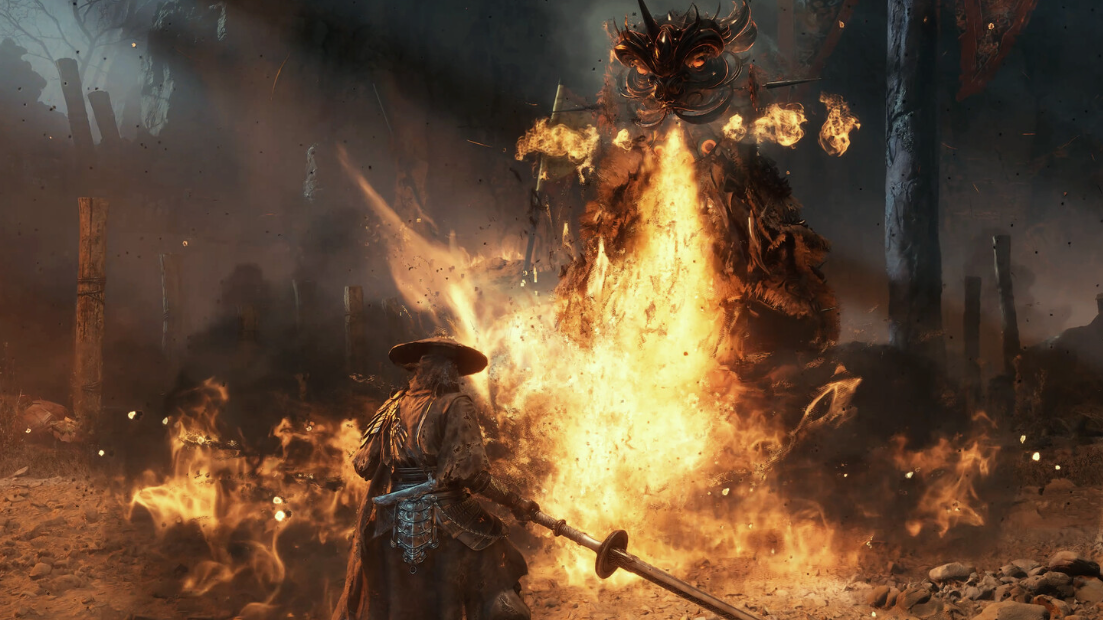
Phantom Blade Zero uses a semi-open world rather than a fully open sandbox. The Phantom World is split into large, interconnected regions that you explore in a third-person perspective.
Some areas are inaccessible at first and open up later, but progression is not strictly linear. Multiple routes and shortcuts connect regions, encouraging exploration and backtracking in a way that recalls earlier Souls games before fully open-world entries. Side quests are woven into this structure and can influence both story beats and the final ending.
The narrative is built with multiple endings. Choices you make during side content and the order in which you tackle certain challenges have consequences for Soul’s journey and the fate of the world around him.
Combat system overview
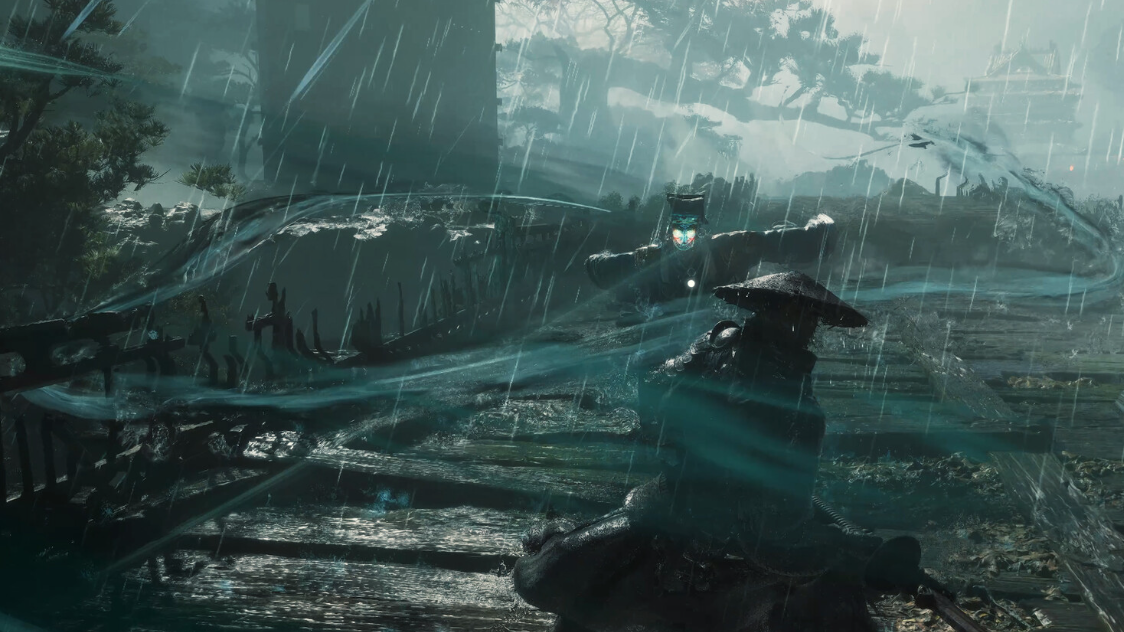
Combat is the core of Phantom Blade Zero and is designed to evoke Hong Kong martial arts cinema more than traditional character-action games. Fights are fast and tightly choreographed, with an emphasis on blades, timing, and movement.
You control Soul in third person, with real-time melee combat driven by a mix of light and heavy attacks, weapon skills, and defensive maneuvers. The team worked extensively with Chinese martial arts practitioners and stunt coordinators; motion capture performances were captured at full speed with wire work to preserve the look and rhythm of screen wuxia rather than relying on simple animation speed-ups.
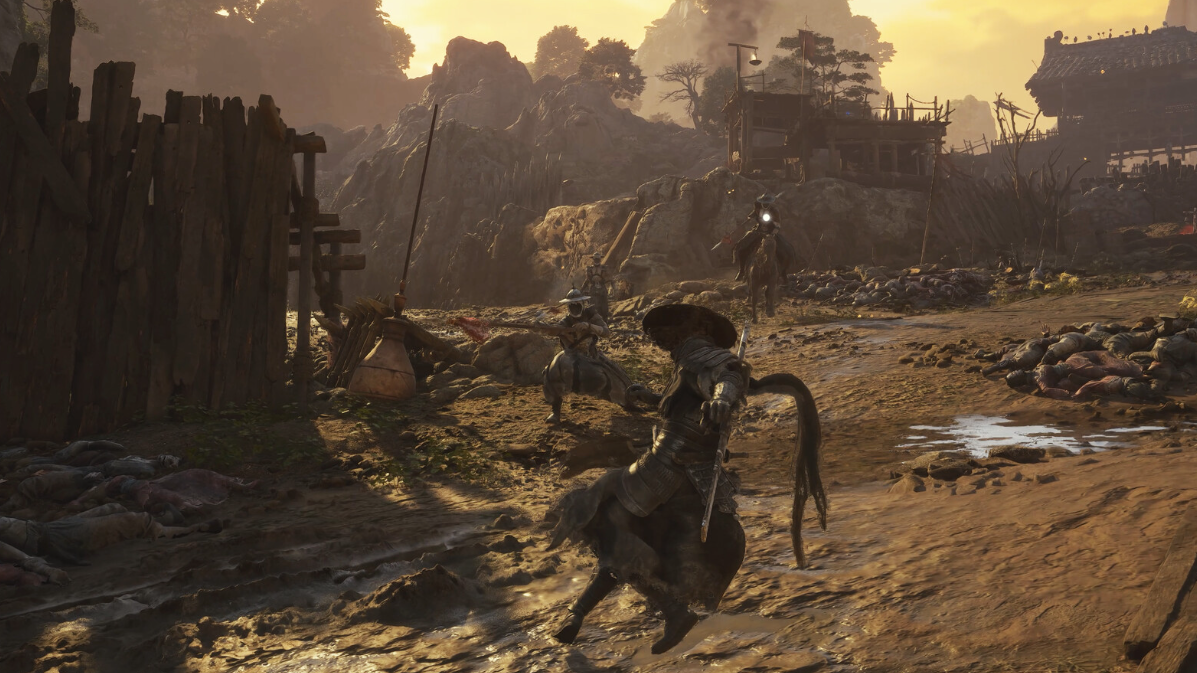
Movement is intentionally exaggerated in a cinematic way. Soul can run along walls, close distance with sudden dashes that resemble teleportation, and trigger context-sensitive finishers that briefly shift the camera into wide or close-up shots, mimicking fight scenes from films.
Weapons, Phantom Edges, and Power Surges
Soul fights with a flexible loadout built around two main weapon slots and two secondary slots. Blades are his primary weapons, and Phantom Edges are his secondary tools.
Primary blades cover different martial style,s and each one has an associated “Power Surge,” which functions as an ultimate move. Power Surges are high-impact techniques with long wind-ups or resource requirements, meant to punctuate encounters rather than be used constantly.
Phantom Edges are a broad family of secondary weapons that range from heavy axes and hammers to lances and even canons. They act as modular extensions to Soul’s core style, letting you layer in ranged pressure, crowd control, or heavy single-hit damage depending on the encounter.
Weapon variety is central to progression. There are more than thirty weapons in total, with over twenty distinct Phantom Edges. Defeating powerful enemies and bosses can grant their weapons and signature techniques, which then become part of your own arsenal. Each weapon comes with its own bespoke move set rather than relying on a single shared template per weapon type.
Sha‑Chi, Brutal Moves, and Ghostep
Combat revolves around a resource called Sha‑Chi. It powers offensive Sha‑Chi techniques and also feeds into blocking and other defensive actions. Managing Sha‑Chi is as important as managing health.
Enemies use two special categories of attacks that interact directly with your defenses:
- Brutal Moves are heavy attacks that can be blocked but drain a large amount of Sha‑Chi if you choose to stand your ground.
- Killer Moves cannot be blocked or parried at all, forcing you to evade or use other tools.
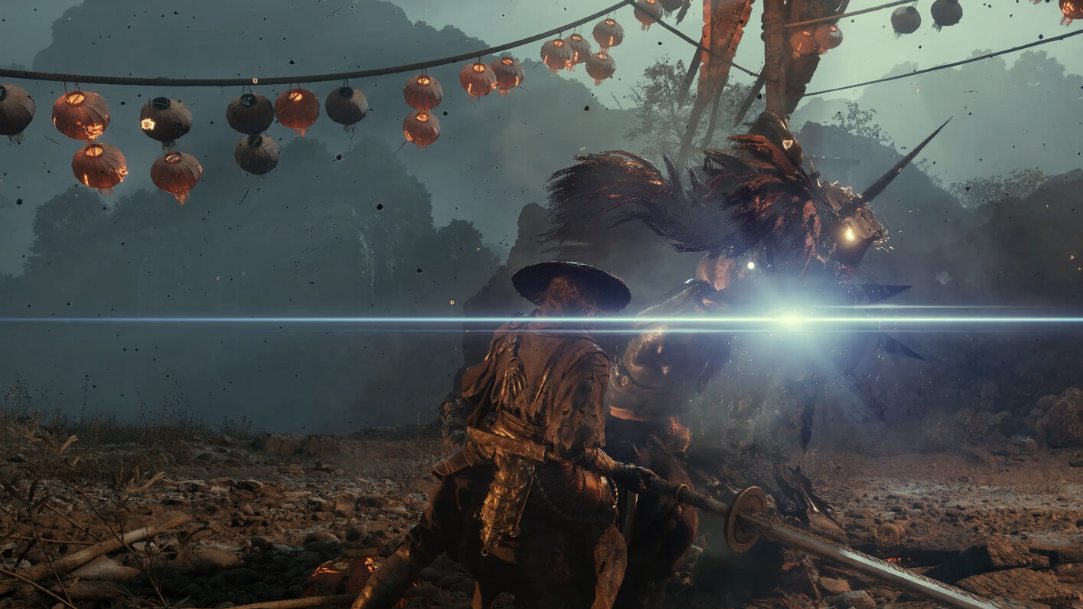
If you meet these attacks with precise timing, you unlock one of Soul’s signature mechanics. Parrying a Brutal Move or dodging a Killer Move at the last possible moment triggers a “Ghostep,” a maneuver that instantly repositions Soul behind the enemy. Ghostep both looks like a cinematic teleport and gives you a brief window to counterattack from a favorable angle.
The defensive toolkit—standard blocks, directional dodges, and parries—therefore isn’t just about mitigation. It is a way to create openings and manipulate positioning in line with the philosophy of Chinese martial arts, where attacking and defending flow together.
Difficulty options and New Game Plus
Phantom Blade Zero offers multiple difficulty settings. These do more than simply adjust incoming and outgoing damage numbers. They can also modify combat mechanics and enemy AI behavior.
At the high end, a dedicated “hardcore” style mode has been built that pushes enemy AI into more reactive, fighting-game-like behavior. Enemies assess your spacing, timing, and habits and respond more dynamically, creating duels that feel closer to competitive play.
A New Game Plus mode is included. Once you finish a run, you can restart with your character progression intact and face stronger enemies, experiment with different story paths, or chase alternate endings.
The 66‑day time limit
The 66‑day time limit created by Soul’s ruined heart is not just a narrative hook; it shapes how you approach the campaign. The plot is explicitly framed around those remaining days of life.
Public previews have described a structure where death does not reset the entire world. When Soul falls, he returns to the last checkpoint, but previously defeated enemies stay dead. The real punishment is that each death consumes one of the limited days he has left.
This design encourages careful play and adds long-term tension without forcing you to refight every trash encounter. The exact consequences of running out of days — and whether that clock can be extended or rewound in any way — are being kept for players to discover.
Story tone and characters
The narrative leans darker than traditional heroic wuxia. Horror elements are threaded through the story, drawing tonal parallels to series like Resident Evil or Alan Wake, with supernatural threats, warped realities, and psychological tension layered on top of political conspiracy.
Even so, Soul himself is meant to embody the classic xiake archetype: a Chinese martial hero who appears cold and reserved but acts out of a fierce sense of justice. He speaks little, moves decisively, and consistently tries to shield weaker people despite his short remaining lifespan.
Major characters are built on scanned likenesses of live actors. Soul uses the face and performance of model and stage actor Yucheng, while characters such as Mu Xiaokui are also portrayed by specific performers. That emphasis on grounded performances aligns with the game’s broader push for film-style choreography.
Kungfupunk aesthetics and cultural references
Beyond its combat system, Phantom Blade Zero is a tour through Chinese martial traditions and folk culture, reframed through a stylized, industrial lens.
On the martial side, S-GAME’s team spent years visiting temples, mountain schools, and traditional troupes to absorb techniques from places like the Shaolin Temple, Emei Mountain, and southern lion dance groups. Those influences show up not only in attack animations but in stances, rhythm, and how weapons are held and transitioned.
The world itself is packed with visual and ritual references: ancestral halls and their worship practices, Guangdong lion dances, Zhejiang puppetry, Fujian deity processions, Jiangxi nuo masks, Sichuan face-changing, Beijing opera, and echoes of imperial ceremony. These are interwoven with mechanical prosthetics, strange devices, and other “punk” elements to create a setting that is both specific and surreal.
Real-world structures, weapons, and props were scanned and adapted into the game to ground the more fantastical elements in recognizable materials and forms.
Development background
Phantom Blade Zero is both a continuation and a restart for the Phantom Blade universe. Its director, Soulframe Liang, previously created the 2D Rainblood games and mobile Phantom Blade titles, and now treats Zero as a “spiritual rebirth” that returns to the core ideas of those projects with a new story and much larger scope.
Early work on a 3D Phantom Blade project began around 2017 with Unreal Engine 4, but development was paused in 2018. The project was revived in 2021 when conditions improved for large-scale Chinese PC and console games and when S-GAME secured backing from partners, including Tencent, to support UE5 development.
The modern incarnation of Phantom Blade Zero has been in full production for several years. A 2023 appearance during a PlayStation showcase dramatically raised its profile, which in turn encouraged the studio to scale the project up rather than treat it as a smaller experimental title. The subsequent success of other high-budget Chinese action games put further spotlight and pressure on S-GAME, but also brought additional resources.
The team itself is distributed, with the core studio in Beijing, motion capture and animation operations in Shanghai, concept and design support in Hong Kong, and publishing staff in Los Angeles. Action director Kenji Tanigaki, known for his work on kungfu films, leads the fight choreography, alongside martial arts director Master Yang.
For anyone interested in high-speed melee combat, wuxia storytelling, or seeing more large-scale Chinese games on console and PC, Phantom Blade Zero is one of the key releases to watch in 2026. Its mix of a strict narrative timer, semi-open world, and film-informed action sets it apart from straightforward Soulslikes and more conventional character action games.