

A Pokémon x Fortnite collaboration is one of the most requested crossovers in gaming. Fan concepts regularly flood Reddit and Instagram, and a recent fan-made trailer by creator feraalsy reignited the conversation in February 2026, imagining trainer skins, Poké Ball emotes, a Pikachu back bling, and a Charizard glider soaring through the endgame. The numbers alone make the idea tantalizing — Pokémon is the highest-grossing media franchise in history with over $100 billion in lifetime revenue, and Fortnite boasts more than 500 million registered players. On paper, it's a match that would reach every generation of gamers. In practice, it faces a wall of licensing, platform politics, and brand philosophy that neither Epic Games nor Nintendo has shown any willingness to climb over.
Quick answer: No official Pokémon x Fortnite collaboration has been announced or confirmed. The crossover remains fan speculation, and significant obstacles — primarily Nintendo's IP restrictions and cross-platform requirements — make it extremely unlikely in the near term.
The failed Metroid deal and what it reveals
The strongest evidence that a Nintendo-Fortnite partnership faces deep structural problems comes from a previously planned Metroid collaboration. Epic Games and Nintendo reportedly discussed adding Samus Aran to Fortnite, but the deal collapsed over a fundamental disagreement. Nintendo wanted the Samus skin to be visible only to players on Nintendo Switch — anyone on PC, PlayStation, or Xbox would see a default skin instead. Epic rejected this condition because it contradicts Fortnite's cross-platform model, where every cosmetic is visible to every player regardless of hardware. The deal fell through entirely.
This isn't a one-off quirk. Nintendo has a consistent pattern of restricting its characters to its own ecosystem. Rocket League, for instance, does include Mario-themed cosmetics, but they are exclusive to the Nintendo Switch version of the game. Epic was reportedly willing to pay millions for the Samus skin available across all platforms, but Nintendo turned that offer down. The message is clear: Nintendo prioritizes platform exclusivity over revenue from third-party collaborations.
Pokémon's ownership structure complicates everything
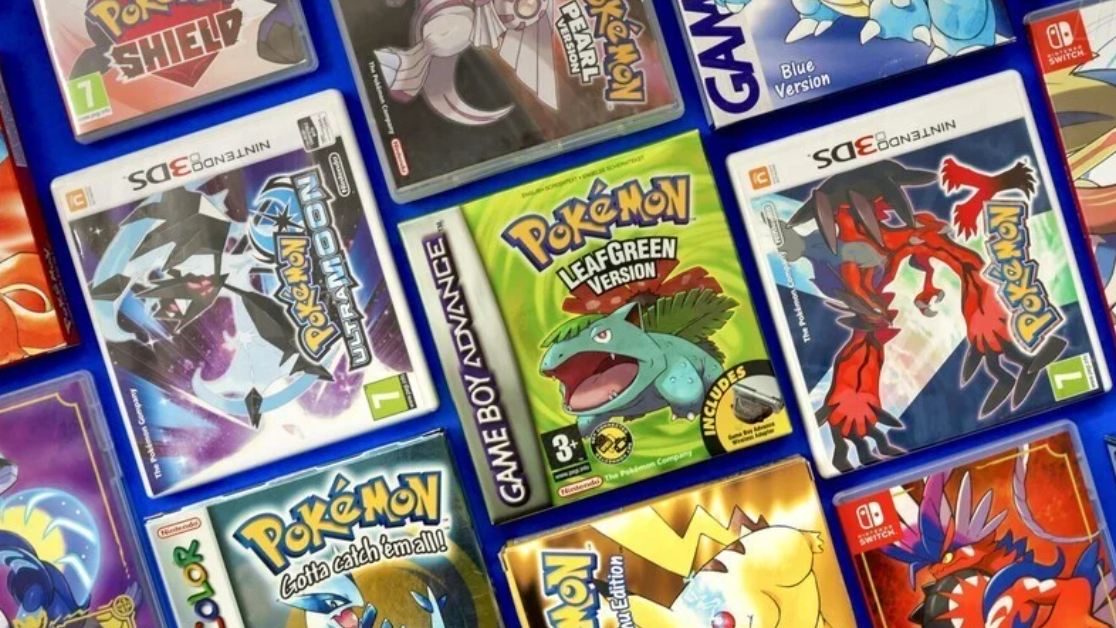
Pokémon licensing is unusually complex because the franchise isn't controlled by a single entity. The Pokémon Company (TPC) manages the brand, but it's jointly owned by three stakeholders: Nintendo holds roughly 33 percent, with Game Freak and Creatures Inc. holding the remaining shares. Any major licensing decision — especially one involving a third-party game on non-Nintendo platforms — would need buy-in from all parties.
Some fans speculate that TPC's merchandising arm might be open to a Fortnite deal since the company aggressively licenses Pokémon for clothing, toys, and mobile games. But Nintendo's one-third ownership gives it effective veto power over deals that conflict with its platform strategy. And a Fortnite collaboration that works on PlayStation, Xbox, PC, and mobile would directly conflict with Nintendo's longstanding approach to keeping its characters tied to its own hardware.
The "Pokémon with guns" problem
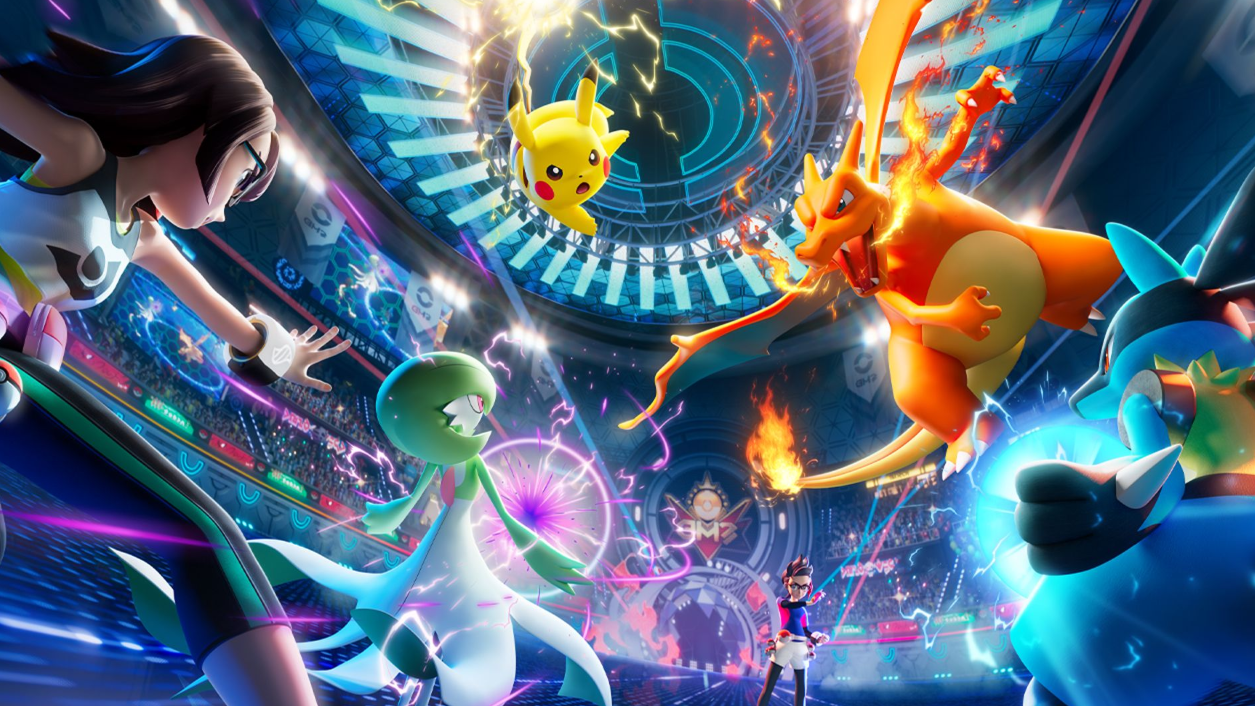
Beyond the business obstacles, there's a significant brand compatibility issue. Pokémon is built around family-friendly creature collecting and battling. Fortnite is a battle royale where players eliminate each other with firearms, explosives, and melee weapons. The image of Lucario holding a shotgun or Pikachu standing next to a player wielding an assault rifle creates a tonal clash that Nintendo and TPC have historically avoided.
This concern isn't hypothetical. Nintendo sued the developers of Palworld — a game widely described as "Pokémon with guns" — over patent infringement. Approving an official collaboration that places Pokémon characters in a shooter context would undermine the legal and brand positioning Nintendo took in that case. Even on the official Pokémon community forums, fans have noted this contradiction, with some pointing out that TPC consistently avoids depicting its characters in gun-adjacent scenarios.
Fortnite has worked around similar issues before. The game's LEGO mode removes weapons entirely, and some collaborations have featured characters in non-combat roles. A hypothetical Pokémon deal could theoretically involve only back blings, gliders, sidekicks, or emotes rather than full character skins holding weapons. But even that level of integration would require Nintendo to accept its IP appearing in a game fundamentally built around combat.
What fans actually want from the crossover
Community concepts have been remarkably detailed and consistent in what they envision. The most popular ideas include:
- Trainer skins featuring characters like Ash, Red, Misty, Brock, or the Team Rocket trio — keeping human characters as the ones holding weapons rather than Pokémon themselves
- Pokémon sidekicks using Fortnite's existing companion system, with Pikachu, Eevee (with unlockable Eeveelutions), or other small creatures following players around the map
- Charizard or Rayquaza gliders for dramatic endgame arrivals
- Poké Ball emotes or grenades that summon random Pokémon with varying effects
- Pikachu or Eevee pet back blings that sit on the player's shoulder or backpack
A February 2026 concept post on the FortNiteBR subreddit imagined full Pokémon skins for Lucario, Meowscarada, and Zeraora with shiny alternate styles and Mega Evolution variants. The creator acknowledged the collaboration would almost certainly never happen but noted that the Pokémon Company tends to favor using Pokémon themselves over human trainers in crossover appearances — pointing to Super Smash Bros., where over 150 Pokémon spirits exist but almost none feature trainers.
Another popular concept from November 2025 on the FortniteConcept subreddit took a different approach, imagining customizable trainer skins wearing Pokémon-themed outfits rather than literal Pokémon characters. That post earned over 500 upvotes and prompted widespread discussion about Eevee sidekicks with unlockable evolutions — a mechanic that would mesh naturally with Fortnite's existing sidekick progression system.
Could it ever actually happen?
The short answer is that nothing in Nintendo's recent behavior suggests a shift toward allowing its IP on competing platforms through third-party games. The company's strategy with the Switch and its successor hardware relies heavily on exclusive content as a purchase incentive. Letting Pokémon appear in Fortnite across all platforms would dilute that exclusivity for no clear strategic gain — Nintendo's own games already sell tens of millions of copies without crossover marketing.
There are narrow scenarios where something could theoretically work. A Switch-exclusive Pokémon cosmetic bundle — similar to what Rocket League has done with Mario — would align with Nintendo's platform strategy. But Epic has already rejected that approach once with the Metroid deal, and there's no indication the company's position has changed. Fortnite's entire cosmetic economy depends on universal visibility across platforms.
For now, the Pokémon x Fortnite crossover lives entirely in fan art, concept posts, and viral trailers. The creative community continues to produce increasingly polished visions of what the collaboration could look like, and the engagement those concepts generate — thousands of upvotes, tens of thousands of likes — proves the demand is real. Whether the business realities ever catch up to that demand is another question entirely.