

Recycling turns unwanted gear in The Forge into another shot at the ores you care about most. Instead of dumping a bad roll or running the same vein route again, you can pay gold to dismantle crafted items and reclaim part of the materials that went into them.
How ore recycling works in The Forge
Recycling is a core mechanic that lets you break down crafted equipment to recover some of the ores used to forge it. The system is straightforward:
- You only recycle crafted gear. That includes weapons and armor made at the forge. Pickaxes cannot be recycled.
- You get back 50% of the ores that went into the item in most cases.
- You pay gold equal to the item’s sell value to perform the recycle.
- Recovered materials go straight into your inventory if you have space.
The 50% refund applies per ore type, rounded down. If a Straight Sword used 2 Yeti Heart, 2 Void Star, and 2 Snowite, recycling that sword returns 1 of each. The Recycle menu shows exactly what you will get back before you confirm, so there is no random element.
There is one important exception: daggers that use exactly one ore of each rarity typically return all three ores when recycled. That only applies to those three-ore dagger recipes; larger recipes still follow the 50% rule.
Which NPCs handle recycling and where to find them
Recycling runs through existing blacksmith NPCs rather than a separate vendor.
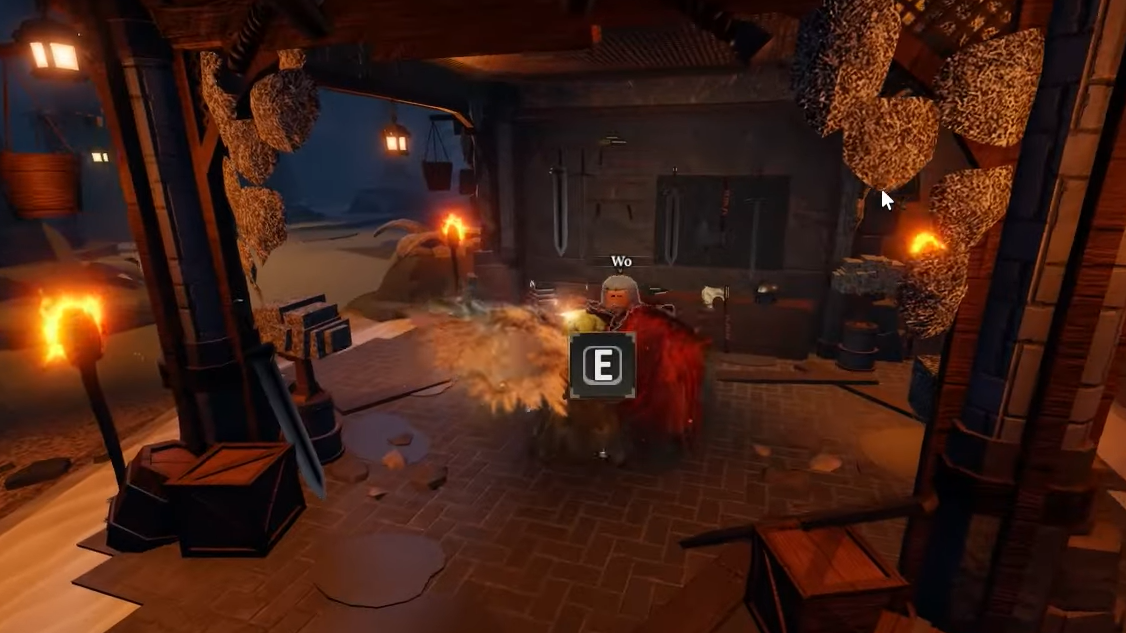
- Wo handles recycling in the later islands.
- Marbles covers recycling on the starting island.
Specifically:
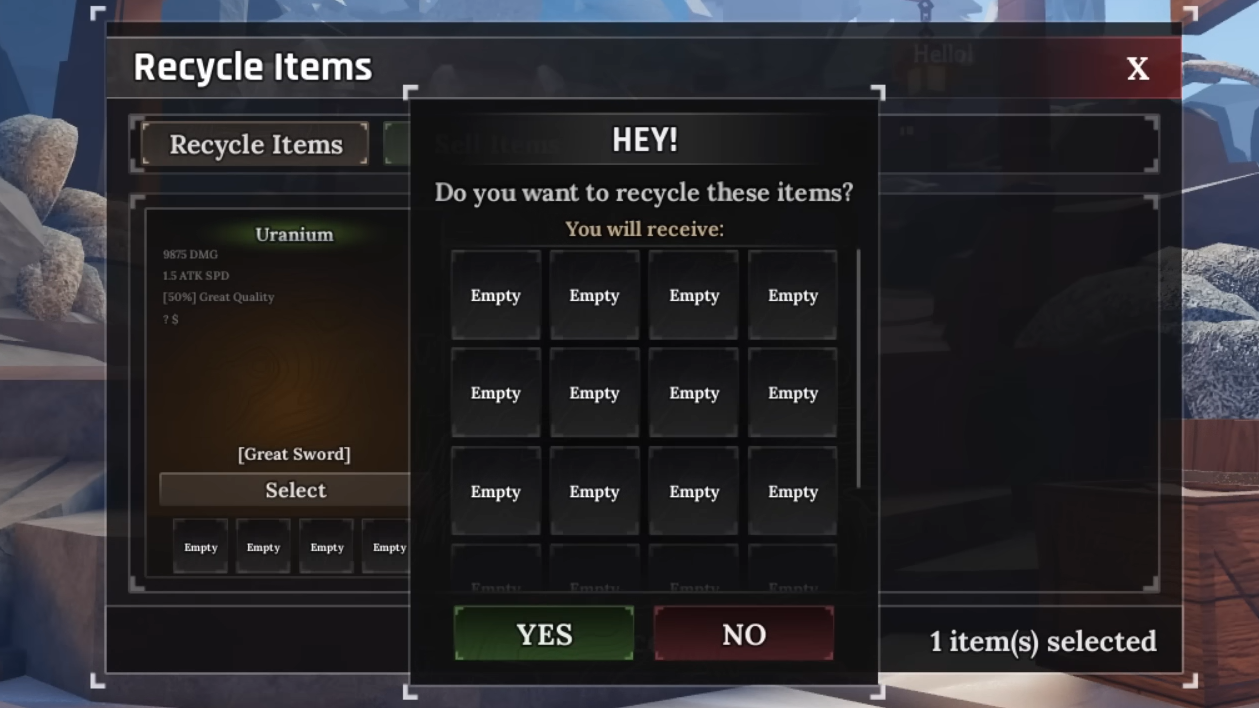
- Stonewake’s Cross: Talk to Marbles to sell or recycle crafted items.
- Forgotten Kingdom town: Talk to Wo, near the pickaxe shop.
- Frostspire Expanse town: Talk to Wo again, this time near the forging station.
At each of these locations, the same blacksmith who buys equipment also opens the Recycle menu. The flow is identical across towns; the main difference is which NPC model you walk up to.
How to recycle items step by step
Step 1: Travel to Stonewake’s Cross, Forgotten Kingdom, or Frostspire Expanse and walk to the relevant blacksmith (Marbles in Stonewake’s Cross, Wo in the other two towns).
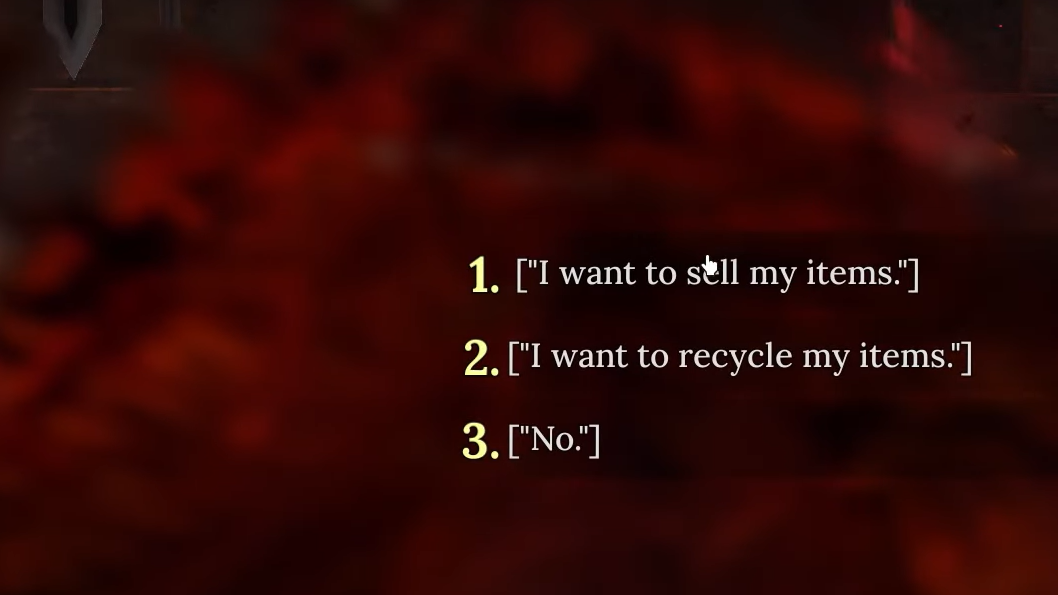
Step 2: Interact with the NPC to open the dialogue. Choose the option related to recycling, not the one that only sells items. With Wo, this is the second dialogue choice.
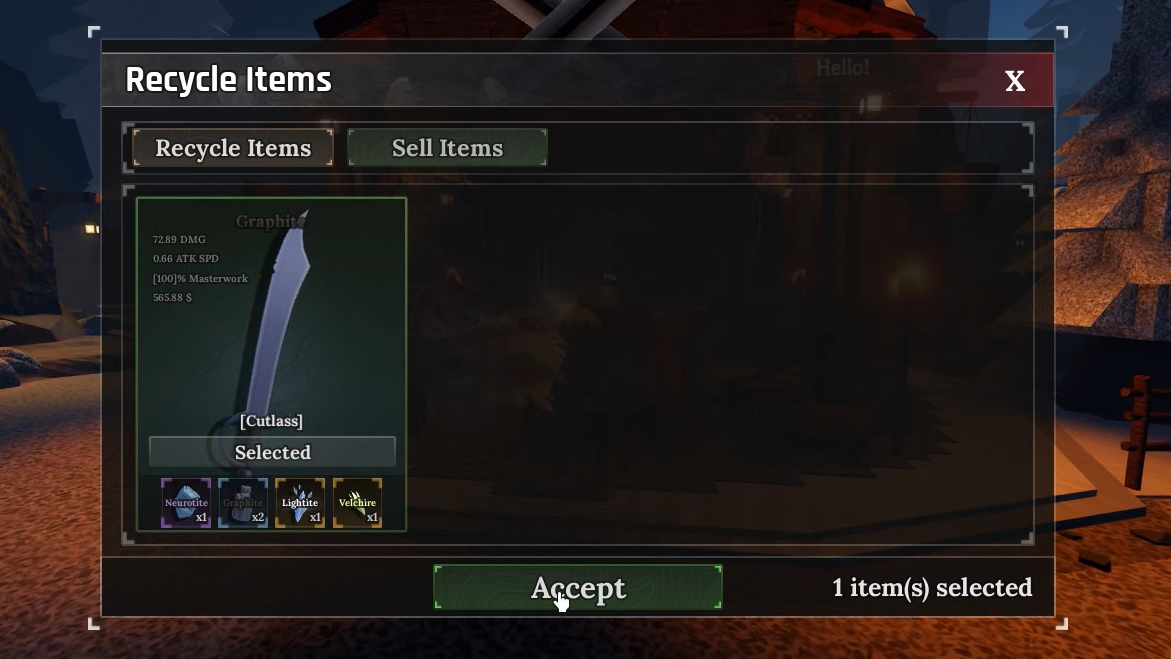
Step 3: In the merchant interface, switch to the Recycle Items tab. This is separate from the tab that lists items you can sell.
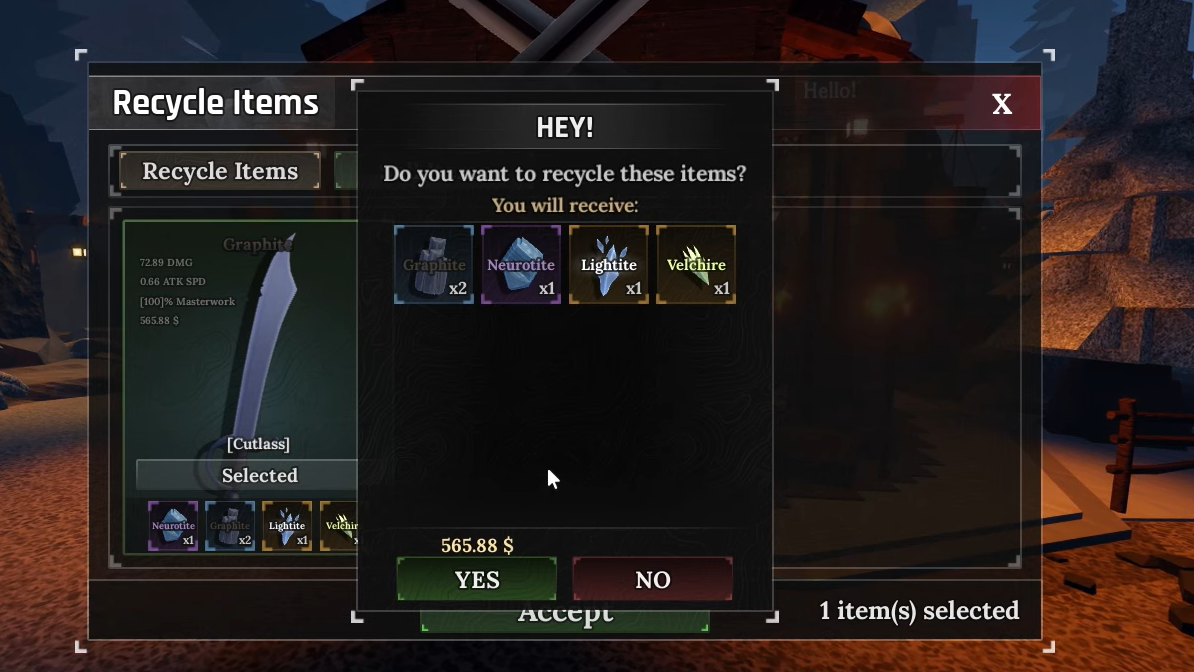
Step 4: Highlight the weapon or armor you want to break down. The interface shows two key things: the gold cost to recycle the item and the ores that will be refunded, including their quantities.
Step 5: Check your inventory capacity. Make sure you have enough open slots for every ore listed in the refund preview. If your bag or storage is full, the system will still take your item and your gold, but the returned ores will be lost.
Step 6: Confirm the recycle. The item disappears, the listed amount of gold is removed from your balance, and the displayed ores appear in your inventory.
Gold costs and refund math
Recycling is not free. The gold cost is tied directly to how valuable the item is when sold.
- Recycle cost equals sell value. If a weapon sells for 1,000 gold, recycling it costs 1,000 gold instead of paying you.
- Rarer recipes are more expensive to recycle. High-tier armor and weapons that sell for a lot require a larger gold payment to break down.
That cost structure creates a trade-off between gold and ores. Cheap items that use rare ores are strong candidates for recycling because the gold you give up is low relative to the materials you get back. Expensive armor that is easy to remake might be better off sold for pure gold, especially early in a playthrough.
On the refund side, the game calculates roughly half of each ore stack in the item and rounds down. That is why a six-ore recipe returns three ores, and a single-ore slot for a rarity normally returns zero for that specific slot unless it falls into the special three-ore dagger case.
What you can and cannot recycle
Recycling does not treat every item the same way.
- Weapons: Fully supported. Swords, gauntlets, spears, axes, and other forged weapons can be broken down.
- Armor: Also supported, including heavy armor sets, but at higher gold costs due to their strong sell values.
- Pickaxes: Explicitly excluded. You cannot recycle any pickaxe to get ores back.
The system only works on items that were actually forged using ores. Dropped loot or quest rewards that did not consume ores are not part of the recycling loop, even if they appear in your gear list.
Why recycling matters for rare ores
Recycling is most impactful for the top end of The Forge’s ore tiers. Mythic, Relic, and Divine ores are both scarce and central to late-game builds, and they are often locked behind RNG-heavy rolls on weapons and armor.
When you chase a specific combination and end up with an off-meta or simply bad roll, recycling gives you a controlled way to claw back half of the rare materials you invested. That effectively doubles the number of attempts you can make with the same pool of high-rarity ores, at the cost of some gold and the time it takes to reforge.
Because straight damage weapons like Straight Sword, Gauntlets, Spears, and Axes rarely sell for eye-catching amounts of gold, their recycle cost stays relatively low while still returning the rare ores used to craft them. That makes them prime recycling candidates when you are hunting specific traits and passives.
When it is better to recycle versus sell
Recycling is not always the right move. The balance shifts as you progress through the game.
Recycling for late-game players
Once you reach late-game and have strong money-making options and one of the best pickaxes, gold becomes much less of a bottleneck. At that point:
- Paying the sell value to recycle a weapon is usually worth it to get rare ores back.
- Even expensive heavy armor can be recycled if the build requires specific high-tier ores, and you can easily refill your gold.
- Duplicates and failed rolls should almost always be recycled instead of sold, unless you are deliberately building a gold stockpile.
In this stage, the Recycle tab becomes part of the normal forging loop: craft, check the roll, and if it is not what you want, recycle for another attempt.
Recycling for early and mid-game players
Early on, gold and basic ores are both limited. Heavy armor pieces in particular sell for a lot, which means they also cost a lot to recycle. That changes the calculation:
- Heavy armor that sells for a high price is usually better sold than recycled until you have a strong income stream.
- Weapons that sell for relatively little but use rare ores are still reasonable to recycle, but only if you can comfortably afford the gold.
- If paying the recycle fee blocks core progression expenses, such as pickaxe upgrades, it is better to delay recycling and mine more.
For most early and mid-game players, treating recycling as a luxury rather than a default action is safer. Waiting until you reach late-game and have stronger gold generation makes the system far easier to use aggressively.
Practical safety checks before you recycle
Recycling feels trivial once you have done it a few times, but a couple of small mistakes can permanently waste resources.
- Always check storage space. If your bag is full, the game still consumes the item and gold but discards the returned ores.
- Confirm the refund preview. The UI clearly lists which ores and how many you will get. If a key ore is missing, cancel and review which item you selected.
- Verify the correct tab. Selling instead of recycling loses the ores for good.
- Compare recycle cost to sell value in your head. For high-selling armor, ask whether you would rather have that gold now and re-mine later.
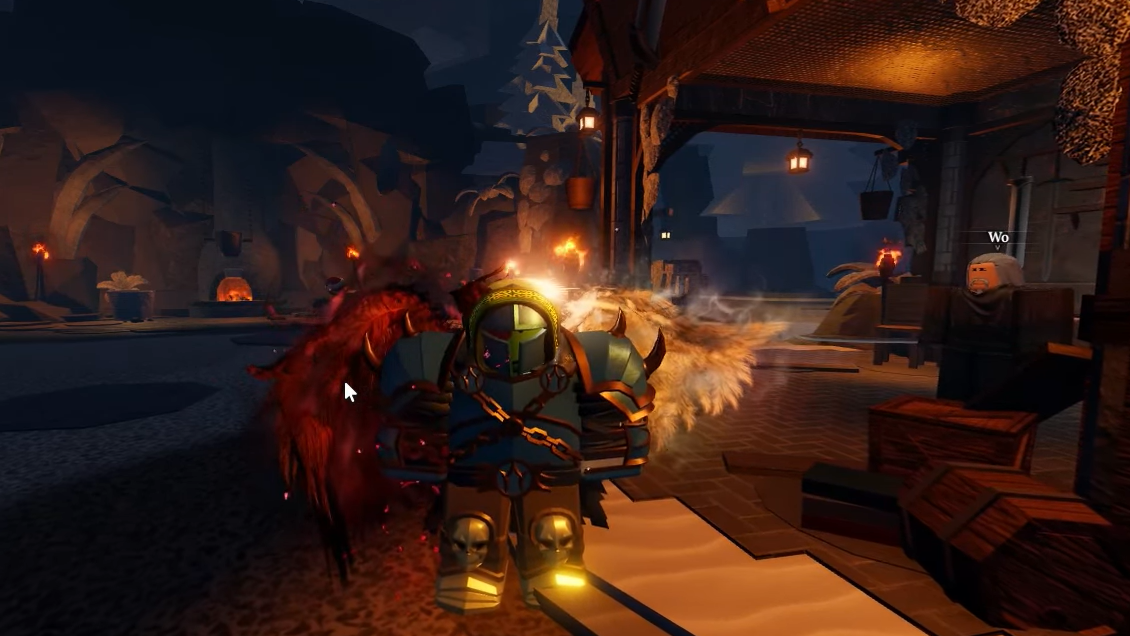
Used thoughtfully, recycling turns bad luck into progress. Once you are comfortable spending gold freely, it becomes the main way to loop Mythic, Relic, and Divine ores back into fresh rolls instead of leaving them trapped in gear you will never equip again.