

One of Us splits every lobby into a single hidden Killer and a team of Survivors racing to repair generators and escape. Your character pick matters as much as your game sense. Each Killer and Survivor brings a unique passive ability, a specific price in coins, and a very different impact on the overall meta.
The rankings below group characters from S-tier (strongest, most reliable picks) down to D-tier (usable, but clearly outclassed). Tier placement reflects ability power, ease of use, and how often a character can swing a match in typical public lobbies.
Killer tier list overview
| Tier | Killers |
|---|---|
| S | Curseclaw, Krampus |
| A | Grim Reaper, Scarfoot, Stabby The Clown |
| B | Dreadfin |
| C | Cleavus |
| D | The Slasher |
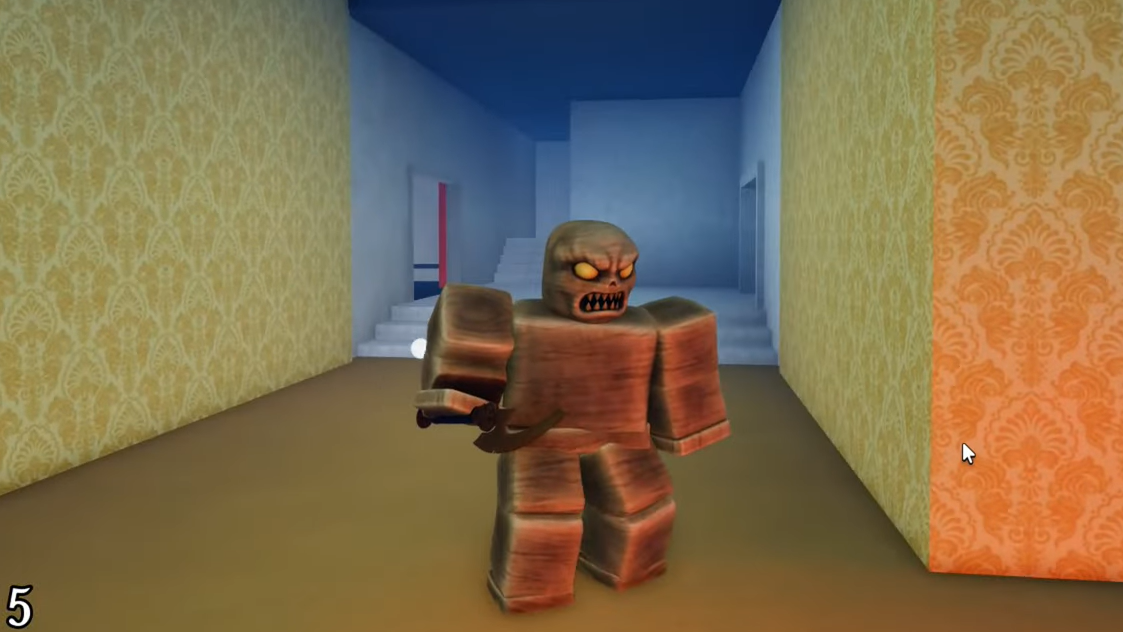
S-tier Killers combine strong chase potential with high-pressure abilities that are difficult for Survivors to play around. A-tier options are still excellent and can dominate in the right hands, while lower tiers either demand more setup than they’re worth or bring tools that are too situational.
S-tier Killers: meta picks that punish any mistake
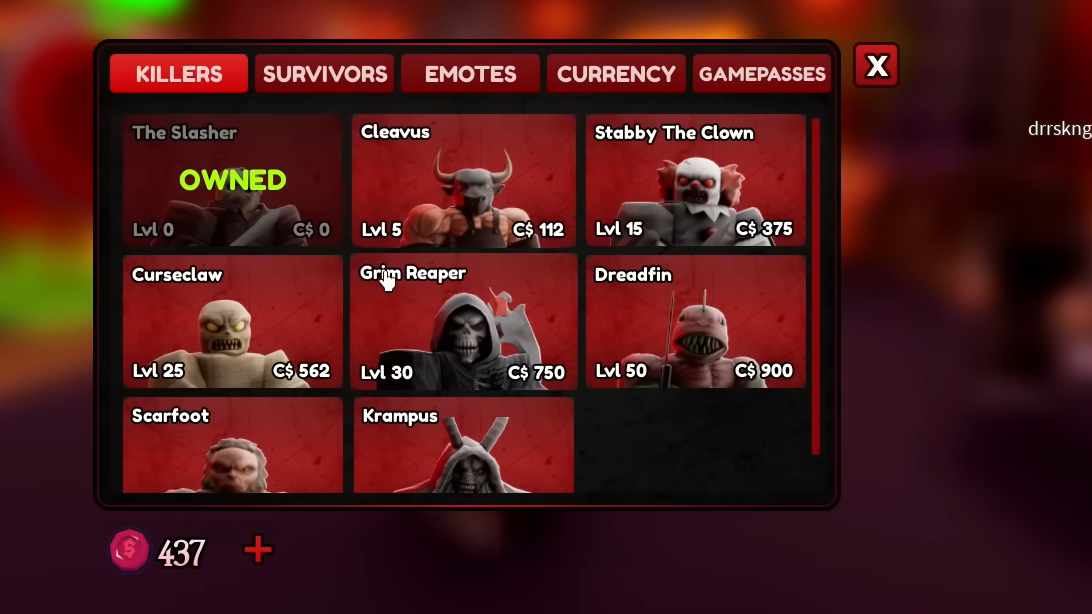
Curseclaw sits at the top of the Killer roster thanks to invisibility. The passive lets Curseclaw turn invisible and stalk Survivors without being seen, which creates constant uncertainty on the map. Picking off isolated targets becomes trivial, and even coordinated teams struggle to track rotations. At 562 C$, Curseclaw is also relatively affordable for how strong the power is.
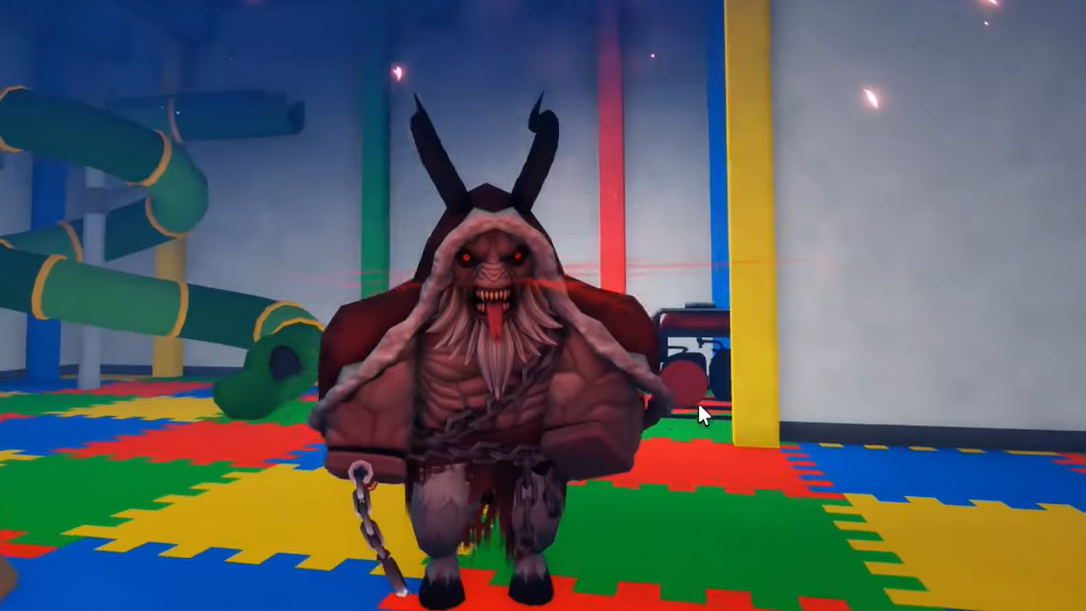
Krampus is the other S-tier Killer, built around frost and direct chase pressure. Krampus uses a claw weapon with solid range and a frostbite effect that automatically targets the nearest Survivor. The slow effect on victims makes kiting much harder and shortens chases dramatically, so Krampus can cycle through targets faster and keep generator progress under control. The tradeoff is cost: Krampus is one of the most expensive Killers at 3.0K C$.
A-tier Killers: strong, but with sharper learning curves
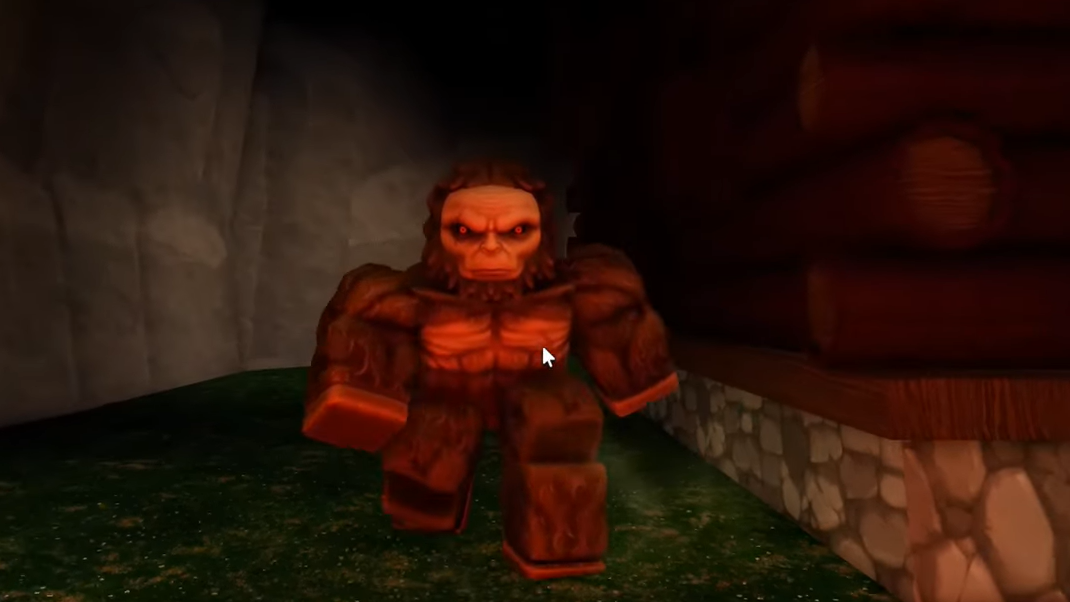
Grim Reaper leans on a global disruption tool. The passive throws a flash that blinds Survivors across the map, leaving them disoriented and vulnerable. The effect lingers for a while, opening windows for downs, interrupting generator work and revives, and generally forcing teams to break formation. The catch is execution. To get full value from the 750 C$ investment, you need to time the flash around known Survivor positions and be ready to capitalize on the confusion.
Scarfoot is built for direct aggression. Beast mode temporarily boosts movement speed and attack power, turning Scarfoot into one of the scariest Killers in open chases. Fast Survivors, including mobility-focused picks like Athlete, struggle to maintain distance once beast mode is active. Outside that window, however, Scarfoot is more ordinary, which is why the Killer lands in A-tier instead of S despite the high 2.2K C$ price tag.
Stabby The Clown focuses on area control with a toxic gas bomb. Throwing the bomb creates a damaging and disruptive zone that’s especially punishing for stacked Survivors repairing a generator together or rotating through tight spaces. Stabby is also cheap at 375 C$, making the Killer a good early upgrade from the default Slasher. The limitation is that the gas shines against grouped targets; in scattered lobbies, Stabby falls closer to the middle of the pack.
B-tier Killer: effective, but aim dependent
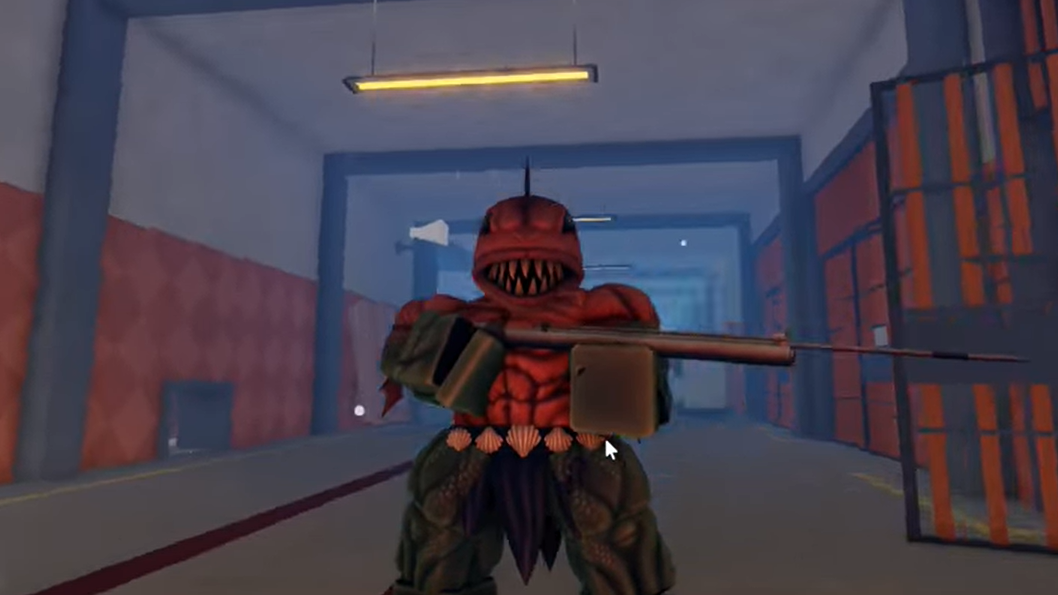
Dreadfin brings a ranged playstyle with the speargun. The passive allows Dreadfin to impale Survivors from a distance and drag them closer, which is useful both for catching runners and punishing greedy rescues. The weapon can be used at both close and long range and is relatively straightforward mechanically, but it still demands decent aim and map awareness. At 900 C$, Dreadfin is a solid option if you prefer ranged picks, yet the lack of mobility or large-scale map pressure keeps this Killer out of the top tiers.
C-tier Killer: accessible traps with limited ceiling
Cleavus is a trap-based Killer that places up to four traps around the map to catch careless Survivors. Trap gameplay is easy to understand and forgiving for beginners, which makes Cleavus a reasonable starting purchase at just 112 C$. The problem is pacing. Traps take time to set up, they rely on Survivors walking into them, and they don’t apply the same constant map pressure that high-mobility or high-disruption Killers can generate. Against players who pay attention to terrain and choke points, Cleavus feels noticeably behind the field.
D-tier Killer: the starter option you should replace quickly
The Slasher is the default, free Killer, and it plays exactly like that label suggests. The passive allows a thrown knife that can hit Survivors at range, giving at least some reach in chases. There’s no mobility, no area denial, and no information component. Knife throws also require consistent aim, which is a lot to ask when you’re learning both maps and general Killer fundamentals. Slasher is serviceable for the first few matches, but every paid Killer outperforms it once you can afford an upgrade.
Survivor tier list overview
| Tier | Survivors |
|---|---|
| S | Police Officer, Nurse, Detective |
| A | Mechanic, Athlete |
| B | Hacker, Burger Boy |
| C | Noob |
| D | Bacon Hair |
Survivor strength is about more than staying alive. The best characters combine personal safety with tools that speed up generators, reveal the Killer, or directly stall an incoming down. S-tier Survivors either hard-counter Killers in key moments or give the entire team high-value information. A- and B-tier picks are still strong, but they skew more toward specific roles or playstyles.
S-tier Survivors: control, information, and sustain
Police Officer is the standout Survivor because of the taser. Starting each match with a stun tool dramatically changes how you play chases. Instead of relying only on line of sight, you can turn dangerous corners into reversal moments, stop a Killer at a doorway, or save a teammate who’s about to get caught. The taser has no built-in healing or generator speed bonus, but its ability to cancel a Killer’s push in high-pressure situations makes the 1.8K C$ cost feel justified.
Nurse delivers healing power at a fraction of that price. Faster heals and extra medkits make the Nurse valuable in both solo and team queues. You can take more aggressive risks around generators and rescues, knowing that downtime after a hit will be shorter. At 375 C$, Nurse unlocks early and offers one of the most efficient power spikes in the Survivor lineup.
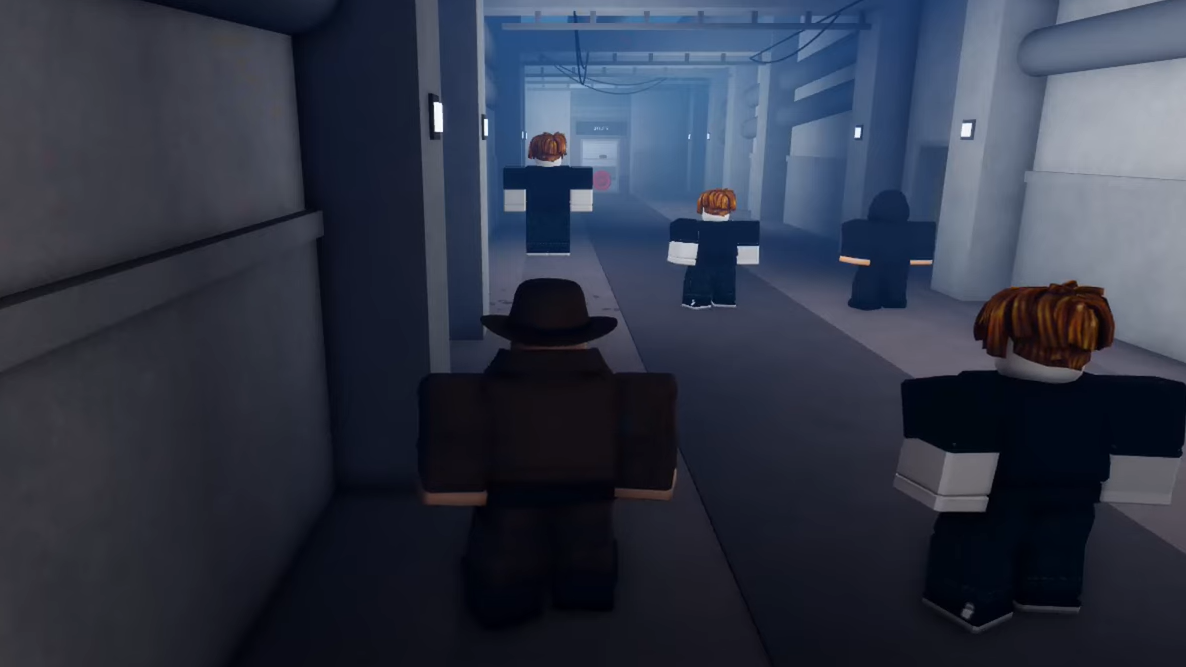
Detective earns S-tier as a pure information engine. The passive tracks the Killer through footprints and sensors, giving you a live read on where the threat is moving. That awareness translates directly into safer generator routes, fewer surprise ambushes, and better calls for teammates. At 1.1K C$, Detective is cheaper than Police Officer while providing a team-wide benefit. The tradeoff is a slower, methodical playstyle that shines most in coordinated groups, but the raw value of knowing the Killer’s location is too high to ignore.
A-tier Survivors: specialists that carry objectives and chases
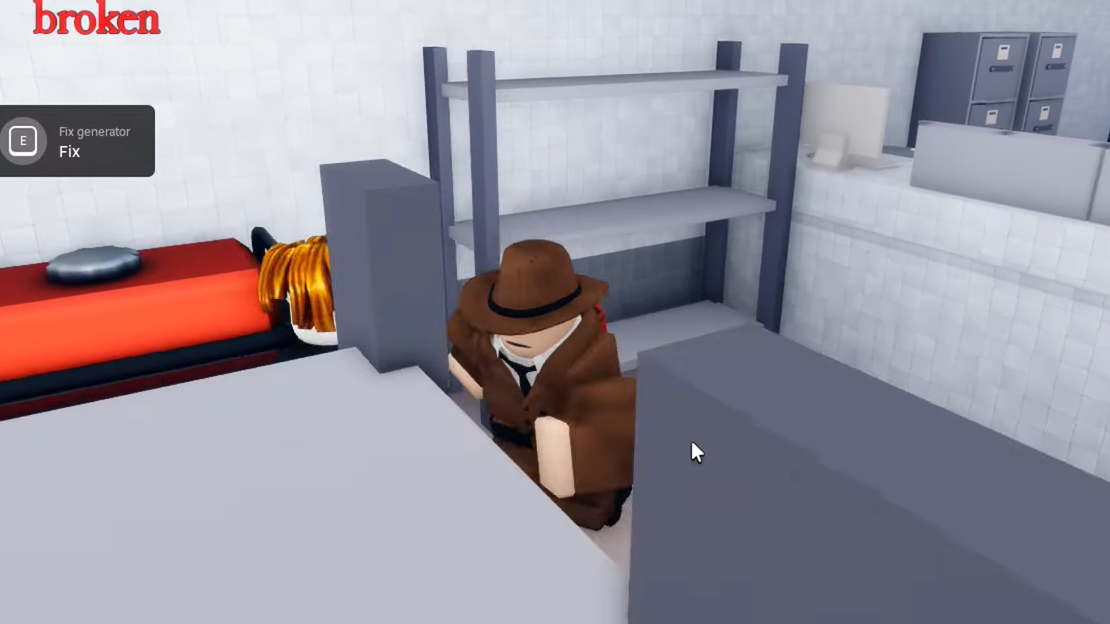
Mechanic is the objective specialist. Faster generator repairs alone would be strong, but the ability to disable traps also directly counters Cleavus and any future trap-centric designs. In coordinated lobbies, one Mechanic can shave meaningful time off the match length and keep the team moving quickly between objectives. The downside is fragility. Mechanic brings no direct escape or combat tool, so if you are pressured early and often, you need teammates to peel the Killer off you. At 1.5K C$, this Survivor is a high-impact pick when your group plays around them.
Athlete shifts power into movement. A speed boost plus extra stamina creates long chases that waste the Killer’s time, and that alone is a huge advantage. With good map knowledge, Athlete can loop structures repeatedly and drag the Killer across the map, buying space for allies to finish generators. There is no healing or repair bonus on the kit, though, so value depends entirely on your ability to kite effectively. At 1.3K C$, Athlete is a strong pick if you enjoy being the primary chase target.
B-tier Survivors: disruptive but inconsistent
Hacker plays a mind game with the Killer by hiding generator failures and creating false alerts. That deception can send Killers to the wrong part of the map, protect risky generator rushes, or conceal a teammate’s mistake on a skill check. It’s inexpensive at 225 C$, which makes Hacker an attractive early option if you want something more active than Bacon Hair. Still, experienced Killers can learn to read the patterns of fake notifications, so the long-term ceiling is lower than the S and A tiers.
Burger Boy adds survivability instead of trickery. The Power Burger reduces incoming damage, effectively giving you more time before you go down. In tight situations, that extra hit window can let you reach a safer tile or complete an important generator interaction. At 1.1K C$, however, Burger Boy competes directly with Detectives and other more flexible picks. The kit does nothing for objectives or team awareness, so you need mechanical confidence in your chase skills to justify picking pure tankiness.
C-tier Survivor: niche crowd control
Noob uses Bloxy Cola spills to block Killers and slow chases. On paper, being able to physically obstruct movement sounds powerful. In practice, it requires you to predict exact paths and timings, and many Killers have ways to play around obstacles with patience or alternative routes. At 750 C$, Noob is not a bad upgrade from the starter, but the block effect is more situational than the consistent power offered by similarly priced options.
D-tier Survivor: the starter you move on from
Bacon Hair is the default Survivor and comes with a single-use strip of bacon that restores a small amount of health. It’s technically helpful, but there is no way to repeat the effect and no additional utility once the bacon is gone. Every other Survivor in the roster offers either more healing, stronger chase tools, or objective power. Bacon Hair is fine for your first few matches and nothing more.
How Killer and Survivor abilities interact
The strongest matches in One of Us come from pairing the right characters on both sides of the lobby. A stealth Killer like Curseclaw forces Survivors to respect every blind corner, which pushes the value of information picks like Detective. Chase-heavy Killers such as Scarfoot and Krampus reward Survivors who can waste their time, so Athlete and Burger Boy rise in priority there. Trap-based Killers like Cleavus are softened heavily by a Mechanic who can disarm traps before they become a problem.
On the Killer side, tools that cut through top Survivors define the meta. Krampus’ slows help negate Athlete’s speed, global flashes from Grim Reaper disrupt Police Officer’s rescue attempts, and long-range options from Dreadfin or Slasher punish greedy unhooks if Survivors misjudge their spacing.
How to unlock Killers and Survivors
Killers and Survivors are purchased with coins. You earn coins simply by playing matches and picking up the coins that spawn randomly during rounds. The more efficiently you play your role, the faster those purchases become realistic. If you want to shortcut the grind, you can also buy coins with Robux through the in-game shop.
Step 1: From the main lobby, look at the bottom of the screen and select the shop button. This opens the character purchase interface.
Step 2: Browse the Killer or Survivor tabs to view each character’s cost and passive ability description. Take note of both the coin price and any level requirement attached to the character.
Step 3: Once you have enough coins and meet the level requirement, select the character you want and confirm the purchase. The character then becomes available in your loadout rotation.
Every Killer and Survivor has a level requirement, so coins alone aren’t enough. You need to play regularly to raise your account level before some of the strongest options, such as Krampus or high-tier Survivors, can be unlocked.
Character choice in One of Us is less about raw damage numbers and more about how you want to control the tempo of the match. Killers like Curseclaw and Krampus shorten games through relentless pressure; Survivors like Police Officer, Nurse, Detective, Mechanic, and Athlete stretch them out just long enough for an escape. Once you understand where each name sits on the tier lists, experimenting with combinations becomes the real fun.