

Gold sits behind almost every decision in The Forge. It pays for stronger pickaxes, lets you upgrade weapons and armor, and keeps you supplied with potions. The game throws small payouts at you for nearly everything, but a few loops are far more efficient than others.
Craft gear instead of selling raw ore
Vendors will happily buy your ores on the spot, but that exchange rate is bad. Turning those same ores into equipment before selling multiplies your income with almost no extra risk.
Why forging first is better
Raw common and uncommon ores sell for tiny amounts, even in bulk. When you drop 20–25 of those ores into the forge and craft a weapon or armor piece, the resulting item often sells for two to five times the value of the ore pile.
For example, selling a stack of quartz directly gives only a few hundred gold. Forging that same amount into a helmet or chestplate can push the sale price into the low thousands, even when the roll is not perfect.
What to craft for profit
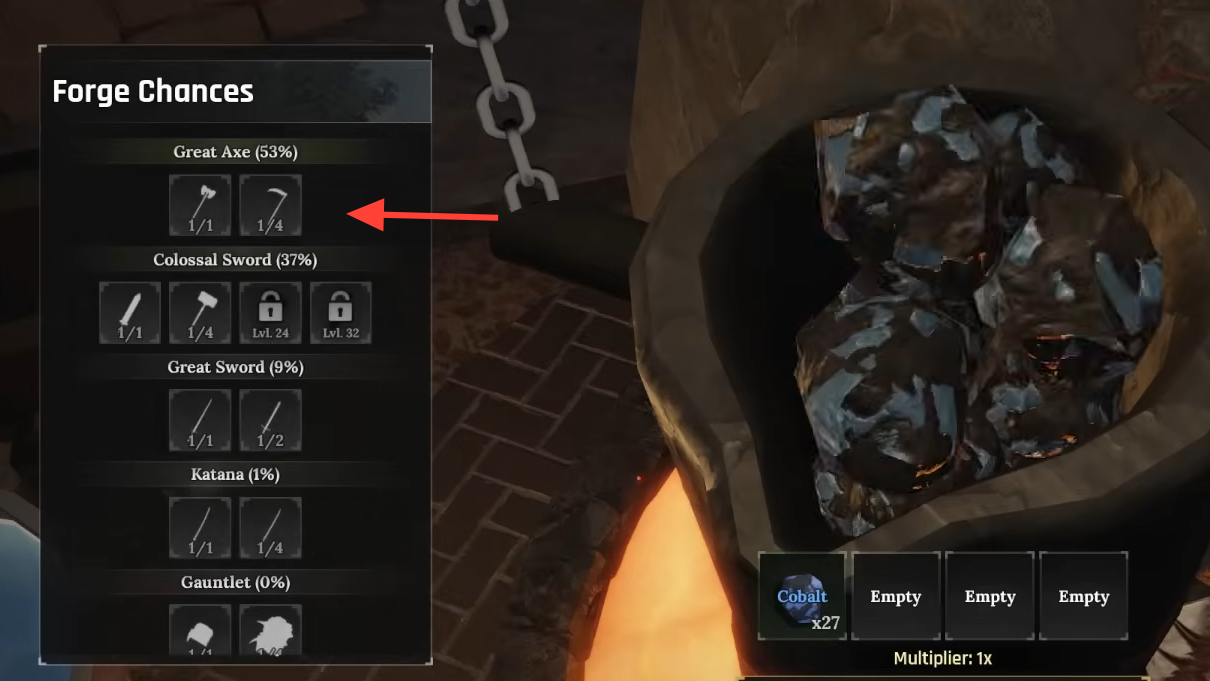
- Great Axes / Gran Hachas: Use 20–22 total ores of any mix to push the forge preview toward a Great Axe. Probabilities around 60–70% are common at that amount. A single Great Axe in the “excellent” range can clear well over 1,000 gold when sold.
- Skull Crushers / heavy hammers: Require around 30 ores. These cost more material but sell for more when you land them.
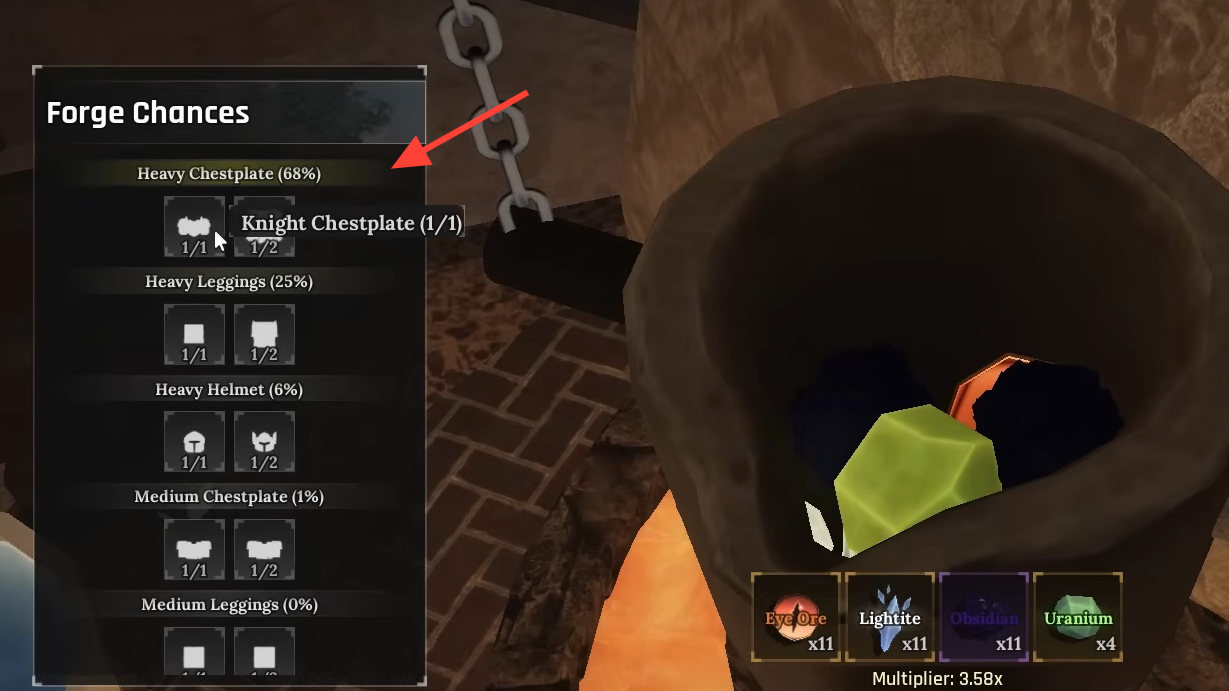
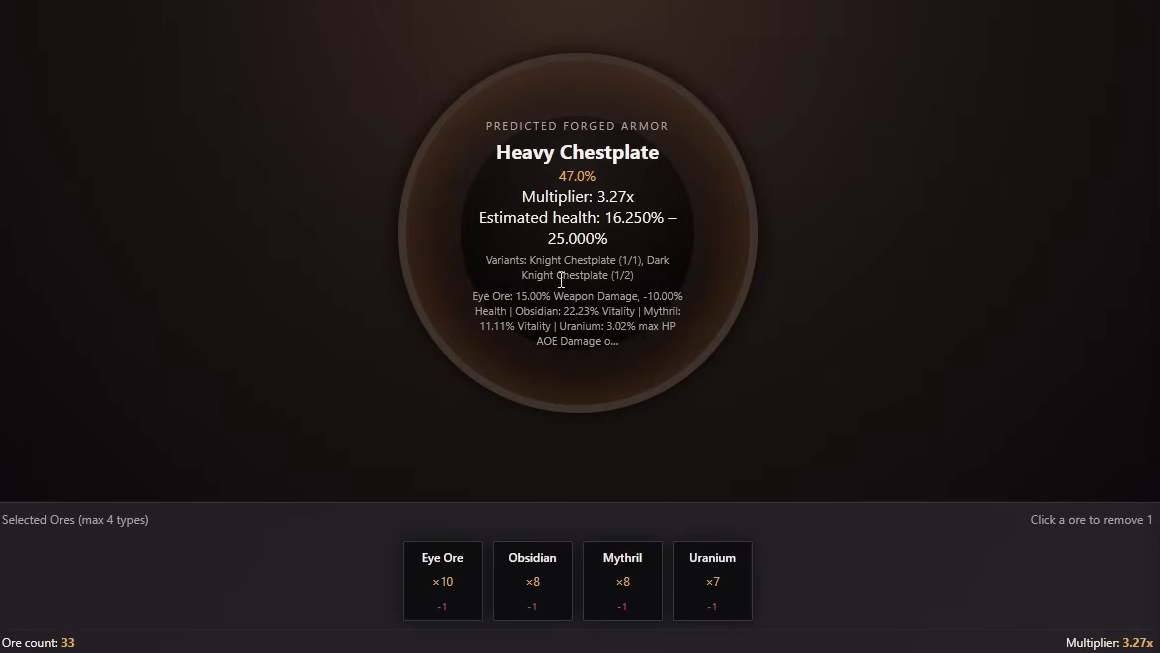
- Heavy helmets and chestplates: Feeding ~25–46 ores into an armor recipe with a “heavy” outcome almost always beats selling that ore raw. Even a mid-roll heavy helmet can be worth several times its material cost.
- Colossal and Battle Axes tier weapons: Once you reach higher-tier recipes, only bother with weapons in the Battle Axes class or above. Lower-class weapons eat the same ores but pay far less.
Higher rarity ores (uncommon, rare) improve both stats and resale price. There is no penalty for mixing compatible ores as long as you hit the required total count and stay in the correct weight/class band.
How to run an efficient forge-and-sell loop
Step 1: Mine until your stash is close to full, prioritizing low-HP rocks that break quickly and drop common, uncommon, and rare ores in bulk.
Step 2: At the anvil, stack 20–22 ores for Great Axes or ~30 for Skull Crushers. Aim the preview toward your target weapon type (axe or hammer) before committing.
Step 3: Play the forging minigames carefully. Hitting as many “perfect” circles as possible improves quality, which directly raises sale value.
Step 4: Repeat until you run out of junk ores, then go to the equipment vendor (such as Marbles or the generic equipment seller) and sell the crafted pieces in bulk.
Even with some unlucky rolls yielding swords or lighter gear, the average payout per ore stays far above what you would get from dumping ore stacks directly to Greedy Cey or similar NPCs.
Mass craft Great Axes for early-game income
Before you unlock heavier recipes, Great Axes are the simplest, most repeatable way to turn starter ores into useful money.
Why Great Axes work so well
- They only require 20–22 total ores, which is easy to farm early.
- The forge often shows a roughly two-thirds chance to hit the Great Axe outcome at that amount.
- Any common or uncommon ore works, and you can freely mix types.
- Sale values over 1,000 gold per axe are common even without perfect forging.
Once you reach the point where minerals “overflow” in your inventory, dumping spare quartz, amethyst, topaz, dark bones, and similar materials into this recipe becomes a reliable money printer.
How To farm Great Axes
Step 1: Farm easy clusters of low-HP ore nodes until you have at least 40–60 ores sitting in your stash.
Step 2: At the forge, insert exactly 20–22 ores. If you are short on one type, combine it with another (for example, 15 quartz + 7 amethyst) until the total count reaches 20–22.
Step 3: Confirm that the preview on the left highlights Great Axe with a high percentage. If the probability looks unusually low, adjust the ore amount slightly.
Step 4: Run through the three forging minigames, focusing on clean, consistent inputs rather than speed. Even a non-perfect axe with “excellent” quality sells very well.
Step 5: Repeat until your ore pile is gone, then bulk-sell every extra axe and any stray weapons you do not plan to use.
Players routinely walk away with 7,000–16,000 gold after clearing a batch of a dozen or so Great Axes, even with some bad luck mixed in.
Turn spare essences into direct gold
Essences drop from enemies and power the Enhancer NPC, but they also sell for strong amounts of gold when you have more than you need.
How essence selling works
- Essence comes in tiers: small, medium, large, epic, superior, and more.
- High-tier essences (epic, superior) fetch the highest prices and are central to fast money farms.
- Essence vendors such as Greedy Cey accept essence and will quote you a combined total for everything you select.
Dumping a modest pile of essence at once can net tens of thousands of gold. For example, clearing out a stash of mixed-tier essence can easily hit around 18,000 gold, even when the pile does not look huge.
When to sell essence vs. when to keep it
- Keep enough essence to upgrade your current main weapon and armor at the Enhancer NPC.
- Sell duplicate or excess essence once your core gear is upgraded to a point you are comfortable with.
- Avoid selling rare runes. Runes sell for trivial amounts and are much more useful socketed on gear.

How to cash out essence
Step 1: Run PvE content (caves, Volcanic regions, magma areas) and focus on killing dense packs of enemies such as skeletons, Reapers, and other mid- to high-level mobs.
Step 2: Equip damage-focused races and runes if you have them (Demon, Dragonborn, or similar, plus offensive runes like Drain Edge) to speed up kills.
Step 3: Use Luck Potions or Luck Totems, especially in Volcanic Depths or magma tunnels, to increase the chance and quality of drops.
Step 4: Once you have a sizeable stack of essence and have kept what you need for upgrades, go to the essence buyer NPC, select only essence (not runes), and confirm the sale.
This method scales with power. The stronger your PvE build, the more enemies you can mow down per hour, and the faster the gold piles up.
Farm magma and Volcanic Depths for essences and XP
Enemy-dense areas like the magma zone and Volcanic Depths double as leveling and money hotspots, because every kill adds both XP and valuable loot.
Magma tunnel farm
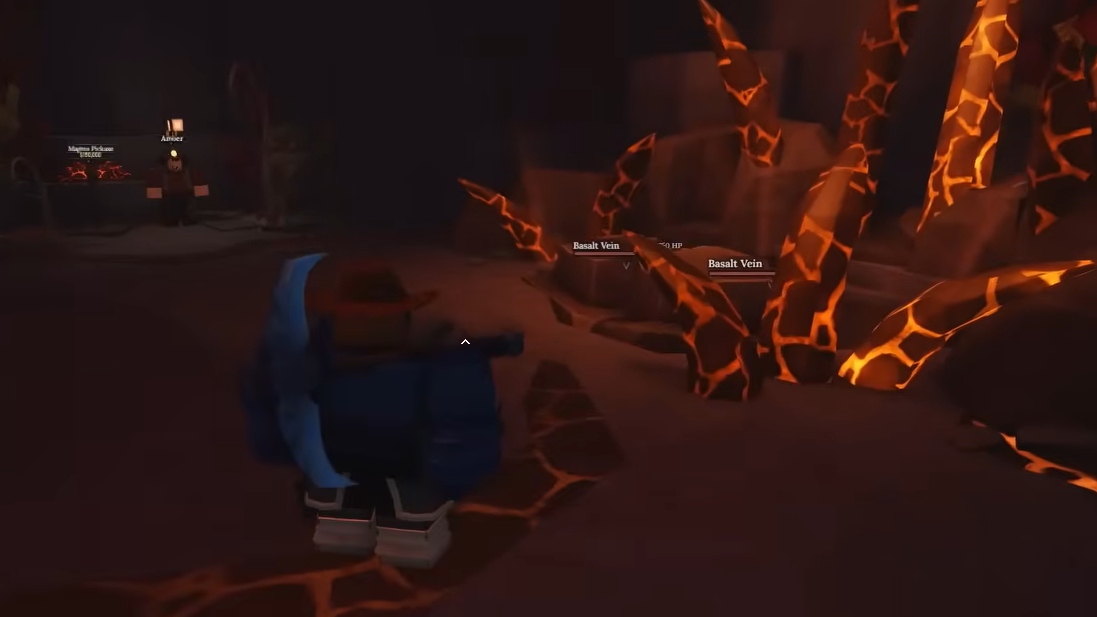
Just past the main cave, a magma section hides behind breakable or glitchable rocks. Once inside, you can loop through a tight area filled with mobs that drop essences at a high rate.
Step 1: Travel to the magma zone entrance. If the path is blocked by a rock you cannot yet break, align your character at the edge, move the camera to clip slightly, and dash through to slip inside.
Step 2: Clear every NPC in the immediate area, then cycle back as they respawn. The spawn density keeps your damage uptime high.
Step 3: Equip a Luck Totem on the ground nearby if you have one, to boost drop quality in the area while you farm.
Step 4: Continue looping until your inventory is filled mainly with essences, then leave to sell or stash them.
This loop is especially effective for players who enjoy combat-focused gameplay and want to level and earn gold at the same time.
Volcanic Depths late-game farm
Once you unlock Ashen Passage and Volcanic Depths, that region becomes one of the highest-paying PvE farms.
Step 1: Enter Volcanic Depths through Ashen Passage with strong gear and a high-damage build appropriate for your level.
Step 2: Drink a Luck Potion and, if available, place a Luck Totem in the area where you plan to grind.
Step 3: Focus on high-value mobs like Reapers or elite skeletons. Group them and clear quickly for maximum drops per minute.
Step 4: Once your inventory is full or your potion timer runs out, return to town and sell the spare equipment and essence. Keep anything that upgrades your loadout.
With solid gear, this loop can reach tens of thousands of gold per hour while also driving your character level and Index progress forward.
Use quests as a passive income engine
Quests in The Forge are not just tutorials or XP bonuses. Many of them deliver large gold payouts with very little extra effort, especially when you stack multiple at once.
Quest types that matter most for money
- One-time questlines: The Portal Tool quest leading to the Forgotten Kingdom, character quests from Masked Strange, Malik, Isaac, Amber, and quests such as Bard’s Guitar offer good early-game payouts and unlock key tools.
- Daily-style repeatable quests: NPCs in the Forgotten Kingdom and inside the Stonewake’s Cross cave offer repeatable objectives like mining specific ores or killing specific enemies, with gold attached each time.
- High-value dailies: Missions like the hooded stranger at the mine entrance can be repeated every 24 hours and are specifically called out as strong money and XP farms.
Monke quest: a quick 10,000 gold spike
Before fully diving into forging, one of the most efficient early money bursts comes from the Monke NPC near the Forgotten Kingdom.
Step 1: Reach the Forgotten Kingdom via the Portal Tool unlock quest.
Step 2: Find the Monke NPC on one of the islands surrounding the Forgotten Kingdom and accept the quest that asks for 30 Bananites.
Step 3: Return to Stonewake’s Cross cave and mine Bananite nodes until you reach the requested amount.
Step 4: Go back to Monke and turn in the quest to receive roughly 10,000 gold and 5,000 XP.
This payout arrives very early in progression and can cover your first big pickaxe upgrade or several key potions and rerolls.

General quest stacking strategy
Step 1: Every time you arrive in a hub, talk to every NPC with a quest icon and accept their tasks. Do not leave objectives unclaimed.
Step 2: Check your quest log and note overlaps. Many quests ask you to kill the same enemies or mine the same ores.
Step 3: Run your normal mining or PvE loops while keeping these objectives active. You will often complete multiple quests at once without changing your route.
Step 4: Turn in completed quests promptly to free space for new ones and keep the gold flowing.
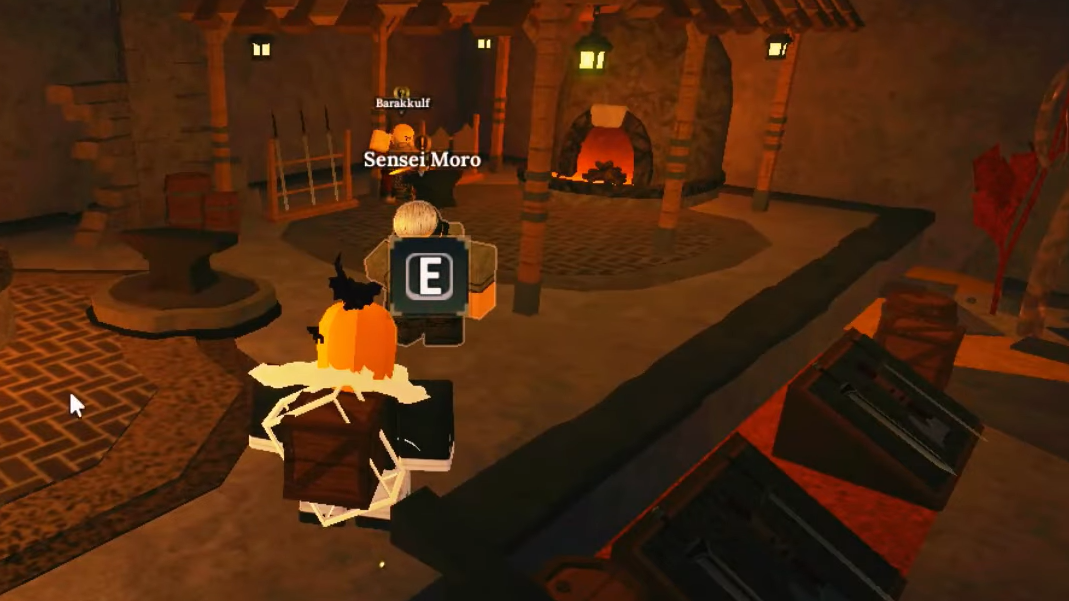
Quests like Captain Rowan’s cave missions or Sensei Moro’s tasks around the forge area are specifically highlighted as strong, repeatable money and XP sources.
Claim Index rewards and upgrade your pickaxe
Two quiet systems significantly affect how fast you can earn: the Index and your pickaxe tier.
Index Tab: hidden gold payouts
The Index tracks first-time discoveries: new ores, new crafted items, and new monsters defeated. Each first entry typically comes with a gold and XP reward that must be manually claimed.
Step 1: Open the main menu and navigate to the Index tab whenever you know you have just discovered a new ore or crafted a new gear type.
Step 2: Scroll through each section and press the claim button on any unlocked entries. Do this regularly; unclaimed rewards can quietly pile up.
Step 3: Treat Index unlocks as side objectives: try new enemy types, craft new gear categories, and explore new biomes to trigger more Index rewards.
For players who explore broadly instead of staying in one cave, this can add up to a meaningful amount of gold with essentially no grind.
Pickaxe upgrades and selling old tools
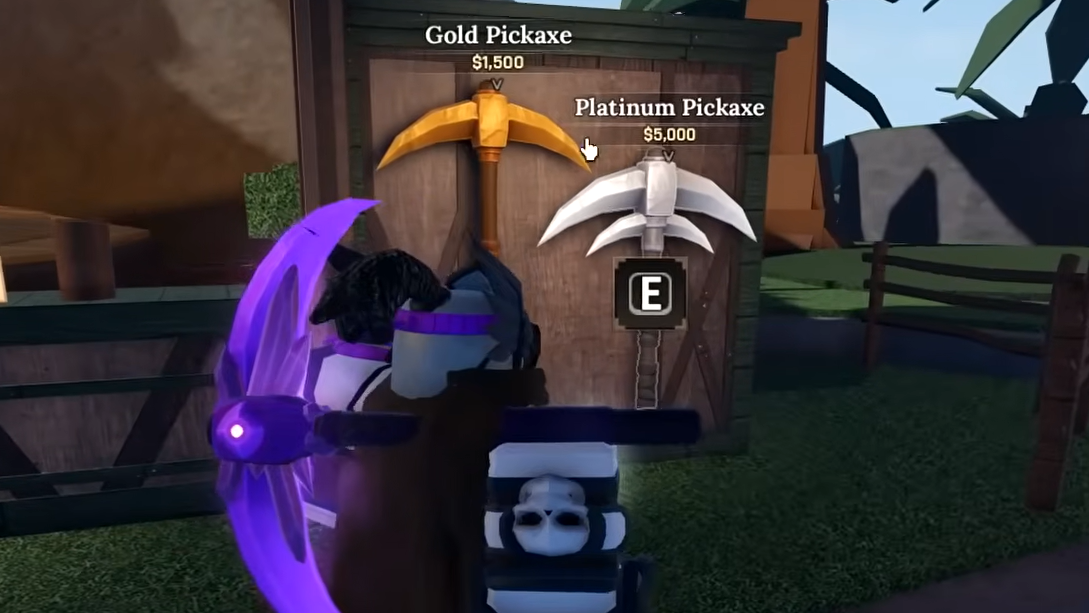
Your pickaxe determines how fast you gather ores and which rocks you can break. Upgrading it early is one of the best ways to speed up every money-making method.
- Stonewake’s Pickaxe is a key early milestone; it greatly improves ore income.
- More expensive pickaxes break harder rocks and reach higher-tier ores, feeding better forging and higher sale prices.
You can partially fund each upgrade by selling your old pickaxe, but the game only lets you sell it if you own a second pickaxe.
Step 1: Save enough gold to cover part of your next pickaxe upgrade. For example, if you want to move from a 98,000 gold pickaxe to a 125,000 one, aim to have ~50,000 in reserve.
Step 2: Use your Portal Tool to travel back to the first world and buy a cheap copper pickaxe from the starter shop for around 150 gold.
Step 3: With two pickaxes now in your inventory, sell your current main pickaxe to the vendor. You will not receive the full purchase price, but refunds around 70–75% are typical (for instance, selling a 98,000 gold pickaxe for about 73,000).
Step 4: Combine the refunded gold with your savings to buy the upgraded pickaxe, then equip it and keep the copper one as your backup sell target for future upgrades.
This approach keeps you moving up the pickaxe ladder without needing to farm the entire cost from scratch every time.
Optimize your loop: play normally, cash out smart
The strongest money flow in The Forge comes from combining these systems instead of treating them separately. A typical efficient session looks like this:
Step 1: Accept every available quest in Stonewake’s Cross, the Forgotten Kingdom, and nearby hubs.
Step 2: Dive into the cave or Volcanic Depths, mining ores and killing enemies as they appear. You will naturally progress mining, combat, and multiple quests at once.
Step 3: When your inventory fills up, leave the cave. Forge all unwanted ores into profit-focused gear (Great Axes early, heavy chestplates, and Colossal/ Battle Axes later).
Step 4: Check the Index and claim every new discovery reward.
Step 5: Sell the forged gear, spare essences you do not need for upgrades, and any outdated equipment you have replaced.
Step 6: Put that gold into your next pickaxe, critical armor or weapon upgrades, and potion stock, then repeat the loop.
Played this way, The Forge stops feeling like a grind and starts to resemble a tight economy game where nearly every action pays out two or three times: once in raw drops, once in forged value, and again in quest and Index rewards.