

Slay the Spire 2 launched into early access on March 5, 2026, and its headline addition is online co-op multiplayer — a first for the series. The mode slots into the existing roguelike deckbuilder framework with surprising elegance: each player maintains their own deck, gold, energy, and relics, while everyone shares the same map path and faces the same enemies. The result feels remarkably close to solo play, but with layered teamwork possibilities that reward coordination.
Quick answer: Up to four players can tackle a full Slay the Spire 2 run together online via Steam friends-list invites. There is no local couch co-op and no public matchmaking — one player hosts, and others join through the multiplayer menu.
How to Start a Co-Op Run
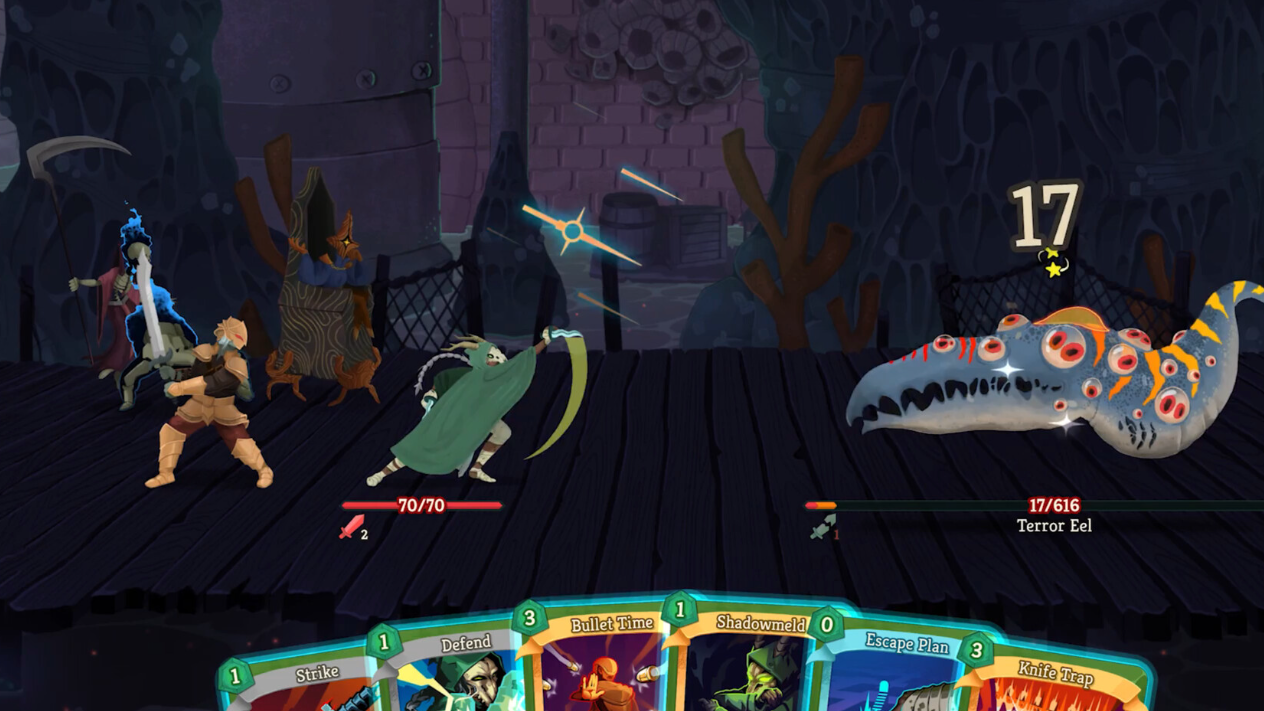
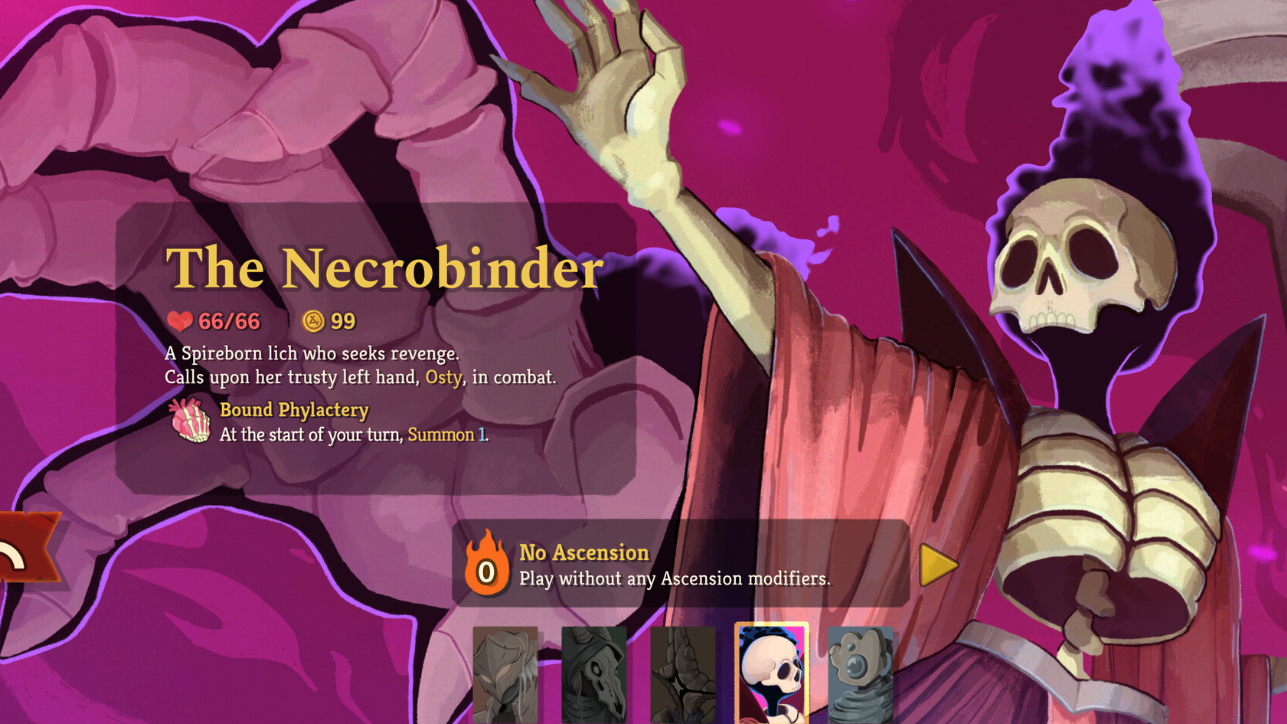
Everyone in the group needs to be on each other's Steam friends list. From the main menu, select Multiplayer. One person picks Host to create a lobby; the remaining players choose Join and then refresh the lobby browser to see the host's session. Once everyone is in the lobby, each player picks a character — duplicates are allowed, so you can run three Ironclads if you want — and the run begins.
Multiplayer saves are tied to the host. You can stop a run mid-way and resume it later with the same group, and individual players are free to start separate solo or multiplayer runs in the meantime without losing progress on the paused session.
Enemy Scaling and Difficulty
Enemies gain larger HP pools as more players join the party. The scaling is slightly more aggressive than a simple per-player multiplier, but it's tuned so that a coordinated group can clear encounters at roughly the same pace as a solo player. Buffs and debuffs on enemies affect every player equally — there is no individual targeting.
What Each Player Owns Individually
| Element | Shared or Individual? |
|---|---|
| Deck | Individual — each player builds their own |
| Gold | Individual — earned and spent separately |
| Energy pool | Individual |
| Battle card rewards | Individual — unique offerings per player |
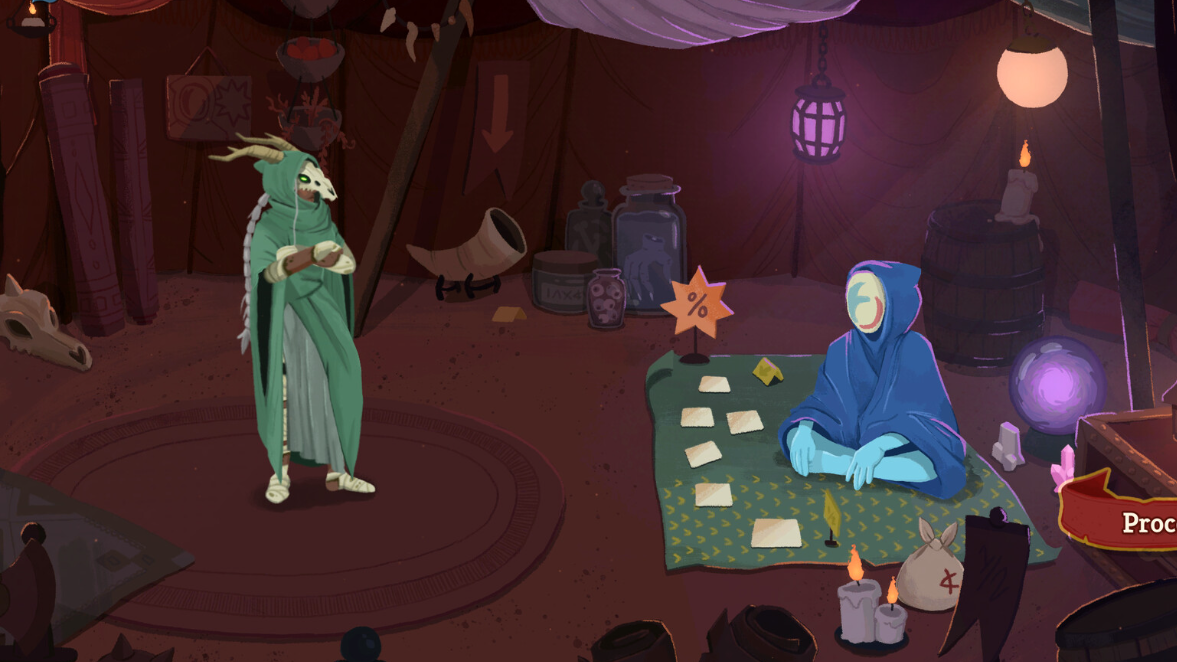
| Merchant inventory | Individual — each player sees different stock |
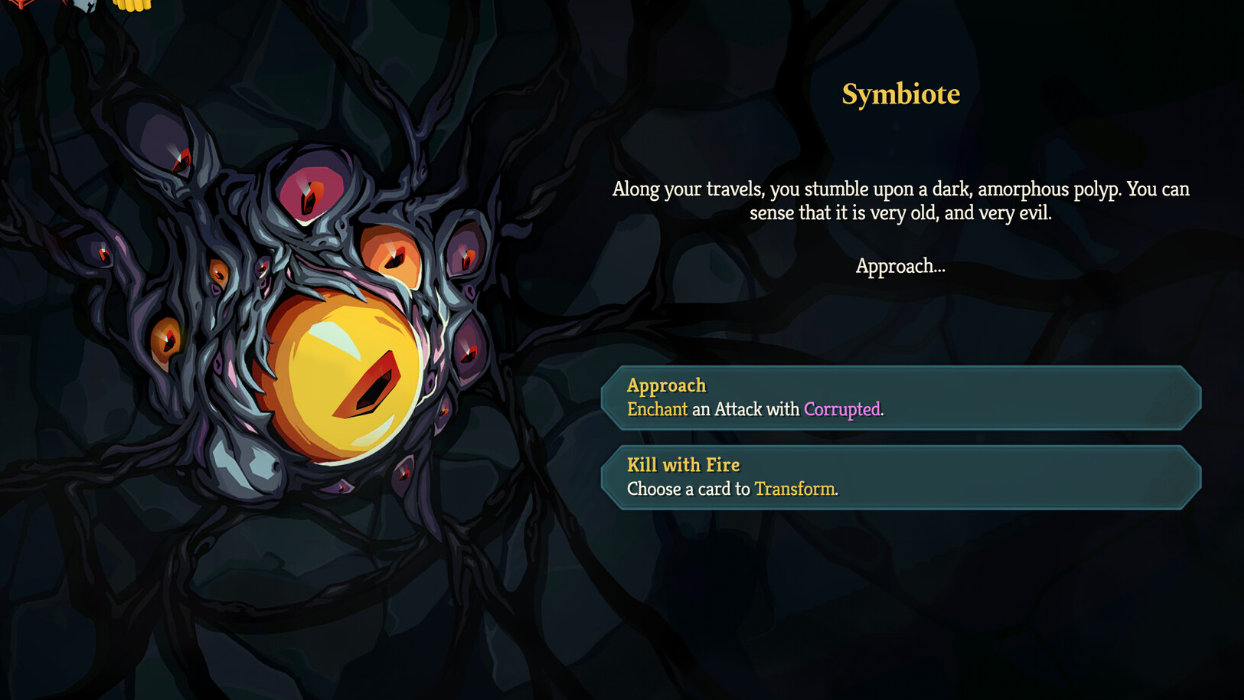
| Neow / Ancient options | Individual — unique choices per player |
| Campsite options | All options available to everyone independently |
| Map path | Shared — decided by a group vote |
| Enemy encounters | Shared — same enemies, same buffs/debuffs |
Combat: Simultaneous Turns and Coordination
All players act during the same turn window. You don't wait for teammates to finish playing cards — everyone queues actions at the same time, and the game resolves them sequentially. This makes communication critical. If one player applies Vulnerable to an enemy before others launch their attacks, the entire group benefits from the increased damage. Timing debuffs so they land first is one of the simplest and most effective co-op strategies.
Potions can be used on other players, opening up support-oriented plays. One teammate sitting at comfortable HP can toss a healing potion to someone in danger, or an offensive potion can be directed at the player whose deck is best positioned to capitalize on it.
A semi-transparent cursor representing each teammate's hand appears on screen, letting you see what cards and targets they're hovering over in real time. You can also click on any teammate to inspect their full deck and relics at any point during the run.
Multiplayer-Exclusive Cards
Every character's card pool — plus the colorless pool — includes cards that only appear in co-op. These are designed around team synergies. One example is a Power card that shares half of your block with the rest of the party. Another lets a player redirect all enemy attacks from a teammate onto themselves for a turn, freeing that teammate to go fully offensive without worrying about incoming damage. The variety is substantial, and discovering cross-character combos is one of the mode's biggest draws.
Relics, Chests, and Rock-Paper-Scissors
When the group opens a chest, one relic is offered per player — but no two players can walk away with the same one. If multiple people select the same relic, the game triggers an automated rock-paper-scissors duel between the competing players. The loser gets stuck with a different relic from the chest. You can see each teammate's cursor hovering over their preferred pick before confirming, which creates a natural negotiation moment.
Map Navigation and Voting
The entire party follows a single path through each act's map. When the group reaches a fork, every player votes on which direction to go. A quick roulette-style randomizer then picks the winning path, weighted by the votes. This ensures everyone has a voice, even without voice chat.
Players can draw directly on the map — scribbles, arrows, icons — and these markings are visible to the whole group and persist throughout the act. It's a lightweight but effective way to suggest routes or mark points of interest.
Rest Sites and Healing Teammates
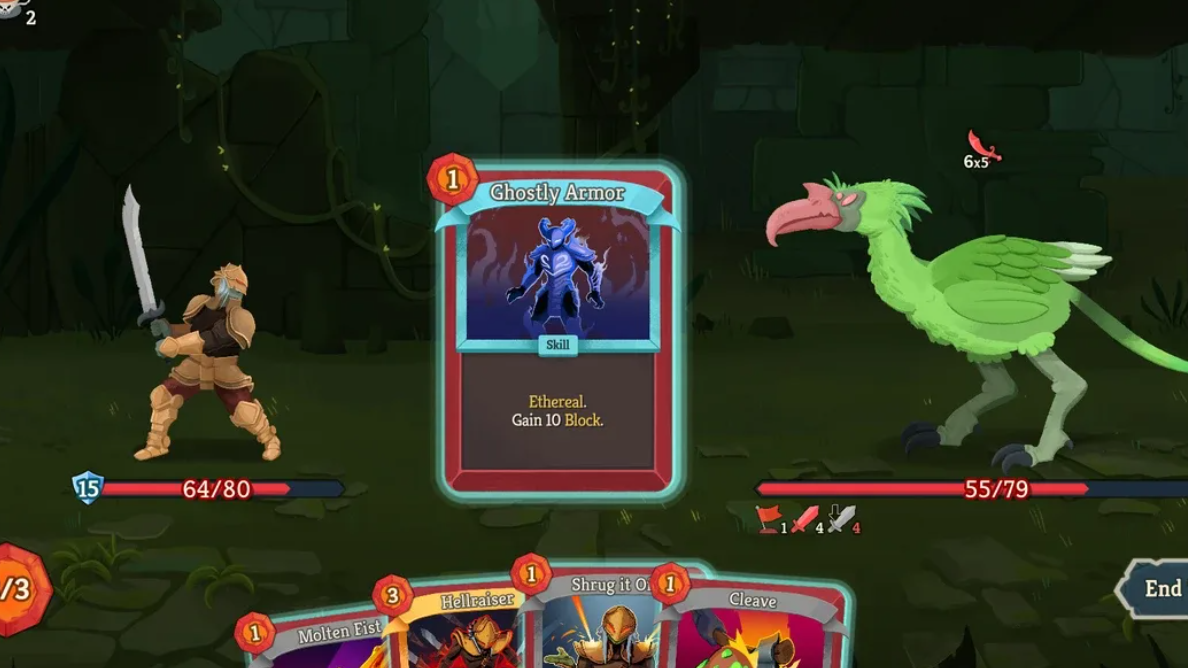
At a campsite, every rest option is independently available to each player. Two people can both choose Smith to upgrade a card while a third rests to heal — there's no competition for limited slots. A dedicated Mend option also lets you heal another player instead of yourself, which is especially useful if someone died during combat and respawned at 1 HP.
Death and Respawning
If a player's HP hits zero during combat, they're knocked out for the remainder of that fight. Once the surviving teammates finish the encounter, the downed player respawns — but only with 1 HP. Reaching the start of the next act restores a more meaningful chunk of health, so the group needs to manage resources carefully in the interim.
Progression: Epochs, Ascension, and Unlocks
New Epochs and new characters can be unlocked through multiplayer runs, so you won't miss out on progression by playing co-op instead of solo. Completing a multiplayer run unlocks an Ascension level for every character that was present — but these Ascension levels apply to multiplayer only. Each player in the group needs to have a given Ascension level unlocked individually before the party can start a run at that difficulty.
No Local Co-Op (For Now)
Slay the Spire 2 does not support local or couch co-op. All multiplayer is online through Steam. Since the game is still in early access, it's possible local play could be added later, but developer Mega Crit has not confirmed any plans for it.
Co-op in Slay the Spire 2 preserves the core solo experience — the same deckbuilding decisions, the same risk-reward tension at every node — while layering on genuine teamwork through simultaneous turns, shared debuffs, and multiplayer-exclusive cards. The mode is fully playable and feature-rich even in early access, and it's worth jumping into with friends sooner rather than later.