

Healing in Slay the Spire 2 is scarce by design. The consistent options are narrow, and that is part of the run-to-run tension. Most of the time, staying alive comes down to choosing when to recover HP and when to spend that opportunity on getting stronger instead.
Quick answer: The reliable way to heal in Slay the Spire 2 is to use Rest Spots and choose Rest; Ironclad also heals 6 HP after combat with Burning Blood.
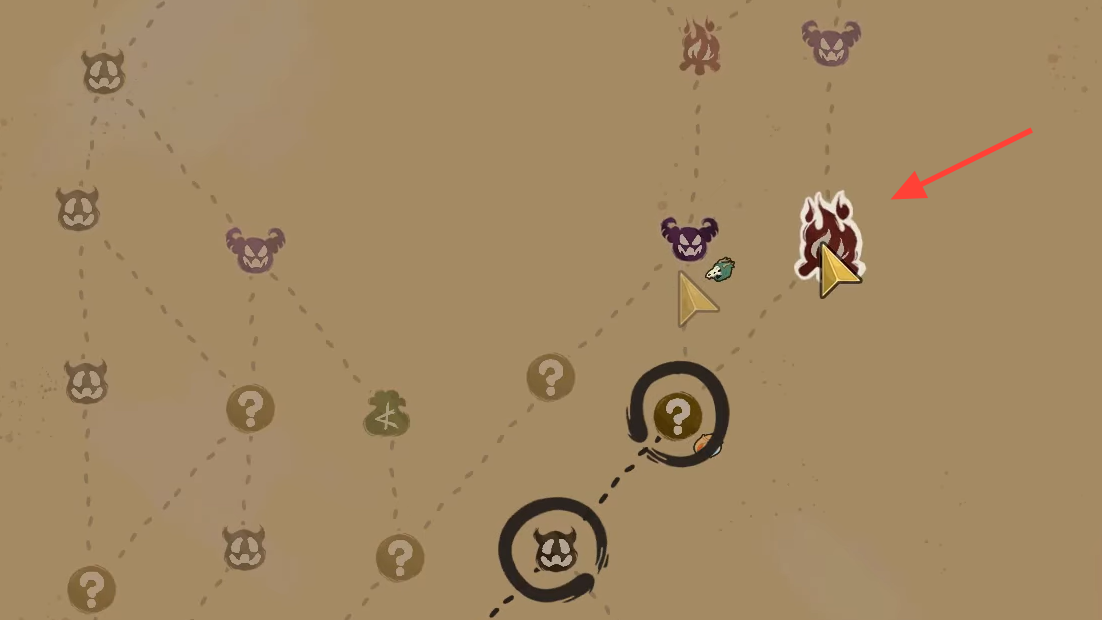
Slay the Spire 2 healing rules
The core healing mechanic is the Rest Spot. On the map, it appears as a campfire node. When you reach one, you choose between Rest and Smith. Rest restores HP, while Smith upgrades a card instead.
That tradeoff matters more than it first appears. In a lot of runs, upgrading a key attack or block card prevents more future damage than a single heal would recover. So healing is not just about finding HP restoration. It is also about deciding when immediate safety is worth more than long-term power.
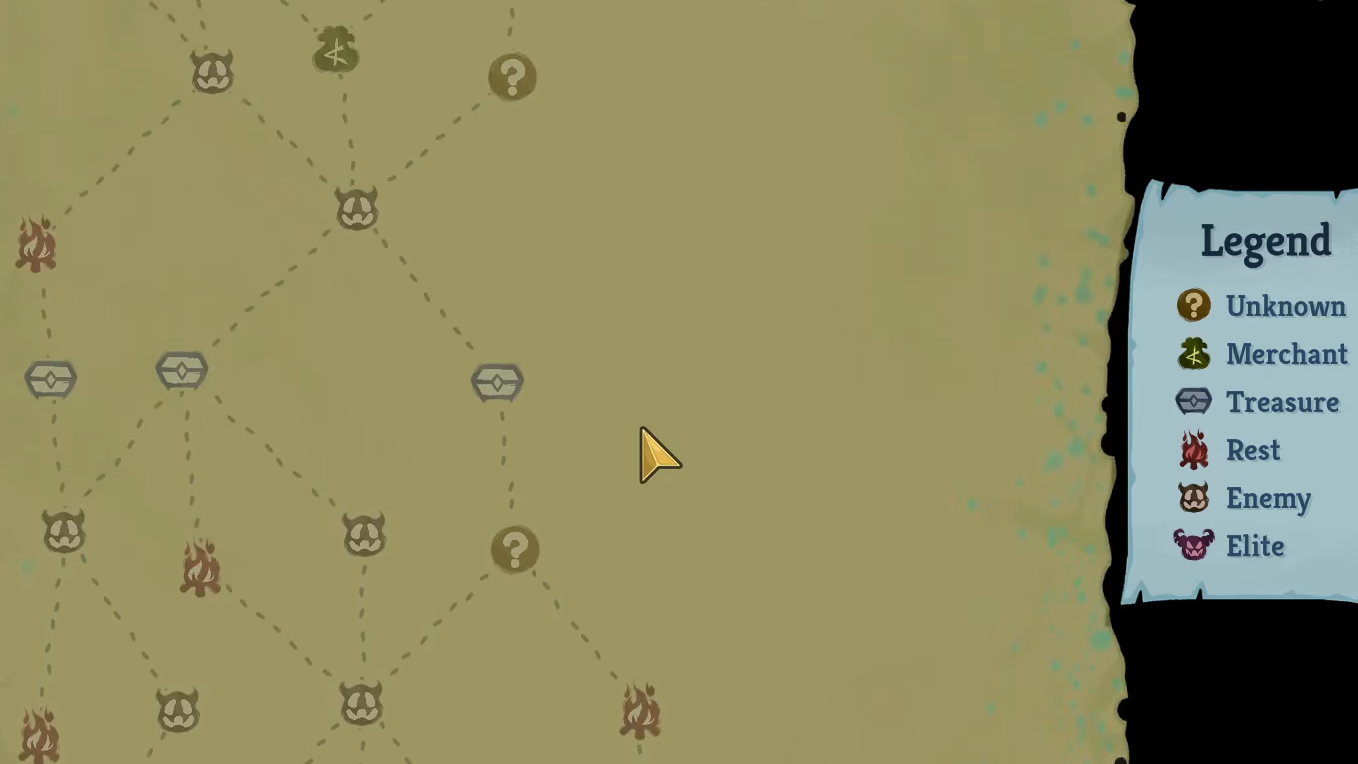
Reliable healing methods
| Method | How it works | Reliability |
|---|---|---|
| Rest Spot | Choose Rest at a campfire node to recover HP | High |
| Ironclad - Burning Blood | Heals 6 HP at the end of combat | High, but only for Ironclad |
For most characters, Rest Spots are the main healing plan. If you are playing Ironclad, Burning Blood changes the math because you can recover a small amount after every fight. That makes chip damage easier to absorb and gives you a little more freedom to choose Smith over Rest.
Other healing options
There are also run-dependent ways to recover HP, but they are not guaranteed. Potions, relics, and event outcomes can all give healing. Some of those effects restore HP directly, while others increase max HP or reward specific play patterns.
| Type | Examples | What to know |
|---|---|---|
| Potions | Healing potions, regen-style effects, revive potions | Strong when timed well, but not something you can plan around every run |
| Relics | Eternal Feather, Blood Vial, Meat on the Bone, Pantograph, Bird-Faced Urn, Toy Ornithopter | Often situational and tied to specific triggers |
| Cards | Healing or max-HP cards tied to certain classes or events | Useful when your deck can support them |
| Events | HP recovery choices that may also add curses, reduce max HP, or carry another drawback | Often a trade, not a free heal |
| Max HP increases | Feed, Fruit Juice, Singing Bowl, Lee's Waffle | Acts like indirect healing because current HP rises with max HP gains |
These options matter, but they do not replace Rest Spots as your baseline. The safer way to think about them is as run-specific bonuses rather than a stable healing engine.
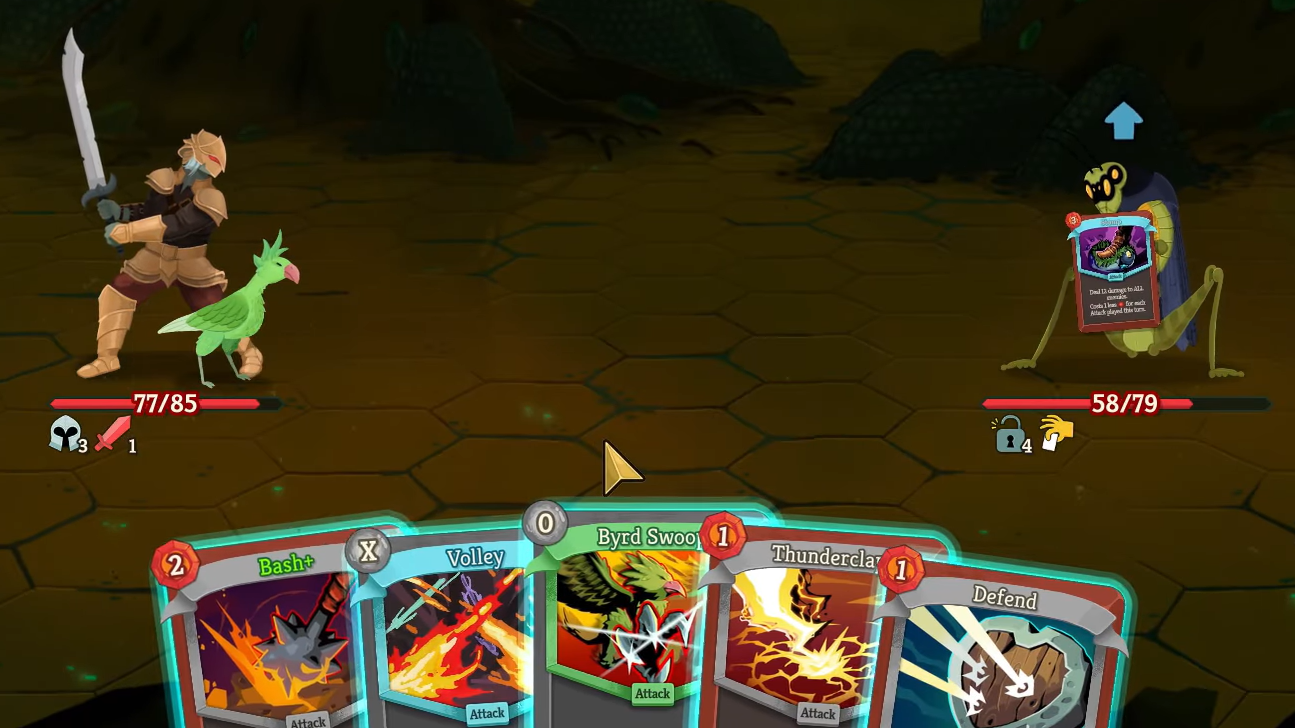
When to Rest and when to Smith
Rest if the path ahead is likely to kill you without the extra HP. Smith if the upgrade will reduce more incoming damage over the next several fights than Rest would recover right now.
A simple way to judge it is to think about your next dangerous fights, especially elites and bosses. If you can survive those encounters with your current health, Smith can be the better value. If your margin is thin, Rest is the safer call.
How to avoid needing more healing
In practice, the strongest healing plan is often damage prevention. Block, Weak, faster kills, and smarter potion use all protect your HP total before you ever need to restore it.
| Approach | Why it helps |
|---|---|
| Block | Prevents direct HP loss and lowers pressure on Rest Spots |
| Weak | Reduces enemy damage and makes turns easier to stabilize |
| Fast damage | Shorter fights usually mean fewer incoming attacks |
| Potion timing | A Block or offensive potion can prevent more damage than a later heal would recover |
| Deck trimming | Helps strong defensive and offensive cards appear more often |
That is why HP works more like a resource than a score. You spend it while building a stronger run, then look for places where your deck starts losing less of it in the first place.
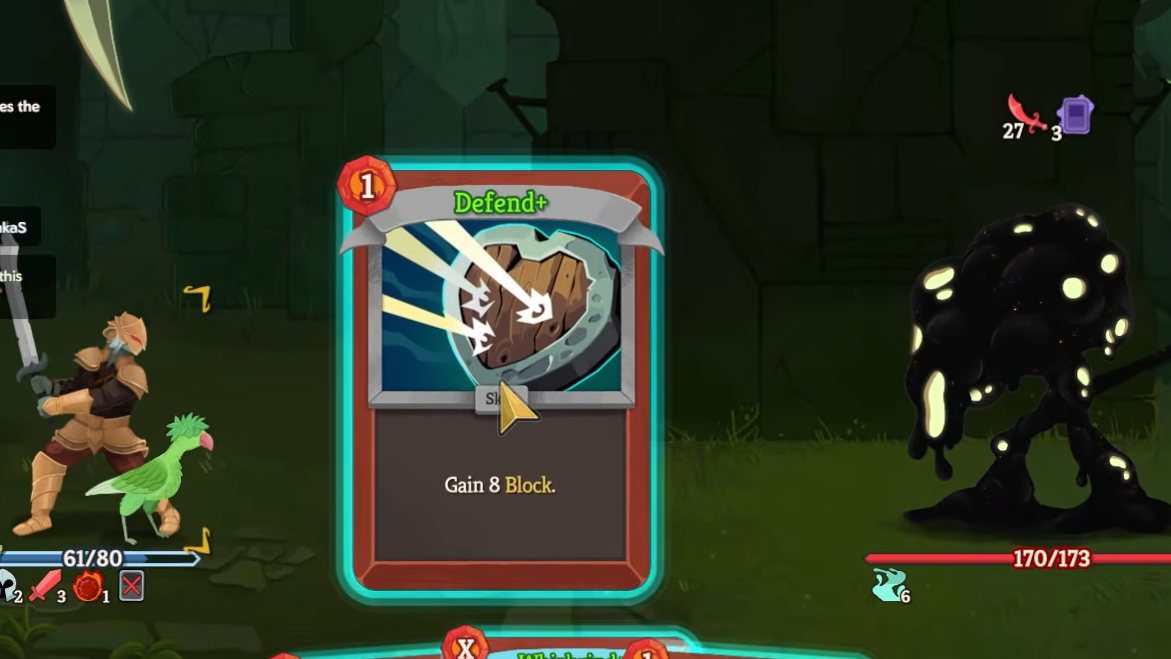
Why healing feels so limited
The system is built so map routing, campfire choices, and combat efficiency all matter. If healing were common, Rest Spots would lose much of their tension, and many runs would become less dependent on judgment. Limited healing forces harder choices and makes every point of damage more meaningful.
That is also why occasional healing from relics, potions, or events tends to come with conditions. Some event heals can add curses or other drawbacks. Some relics only pay off if your deck, route, or combat pattern lines up with them.
What to expect from Ironclad
Ironclad is the clearest exception because Burning Blood gives 6 HP after combat. That makes the character more forgiving, especially early on, and it changes how aggressively you can route through the map.
If you want the easiest healing baseline, Ironclad is the class that gives it to you. The relic does not remove the need for smart Rest Spot decisions, but it lowers the cost of small mistakes and routine combat damage.
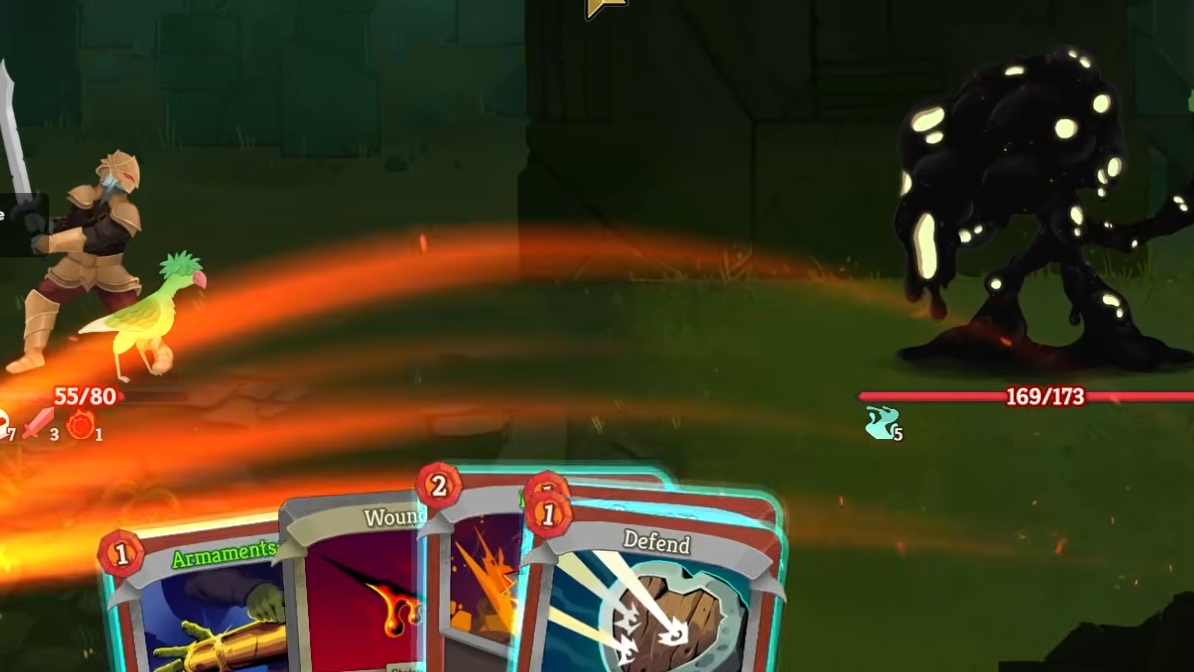
The important thing is not to chase full health at every opportunity. In Slay the Spire 2, healing exists, but it is intentionally narrow. Rest Spots are your dependable reset button, Ironclad gets the cleanest built-in sustain, and everything else is best treated as a bonus. Most winning runs come from taking less damage, not from finding a way to erase all of it afterward.