

The Silent in Slay the Spire 2 is a fast, technical character built around card volume, debuffs, and careful setup. She scales hard once her engine is online, but her weak early damage and lack of healing mean the first part of a run is usually the most dangerous.
Quick answer: The safest way to learn The Silent is to start with Poison, defend heavily through the first few turns, and then branch into Shivs or Sly only when your card rewards and relics clearly support them.
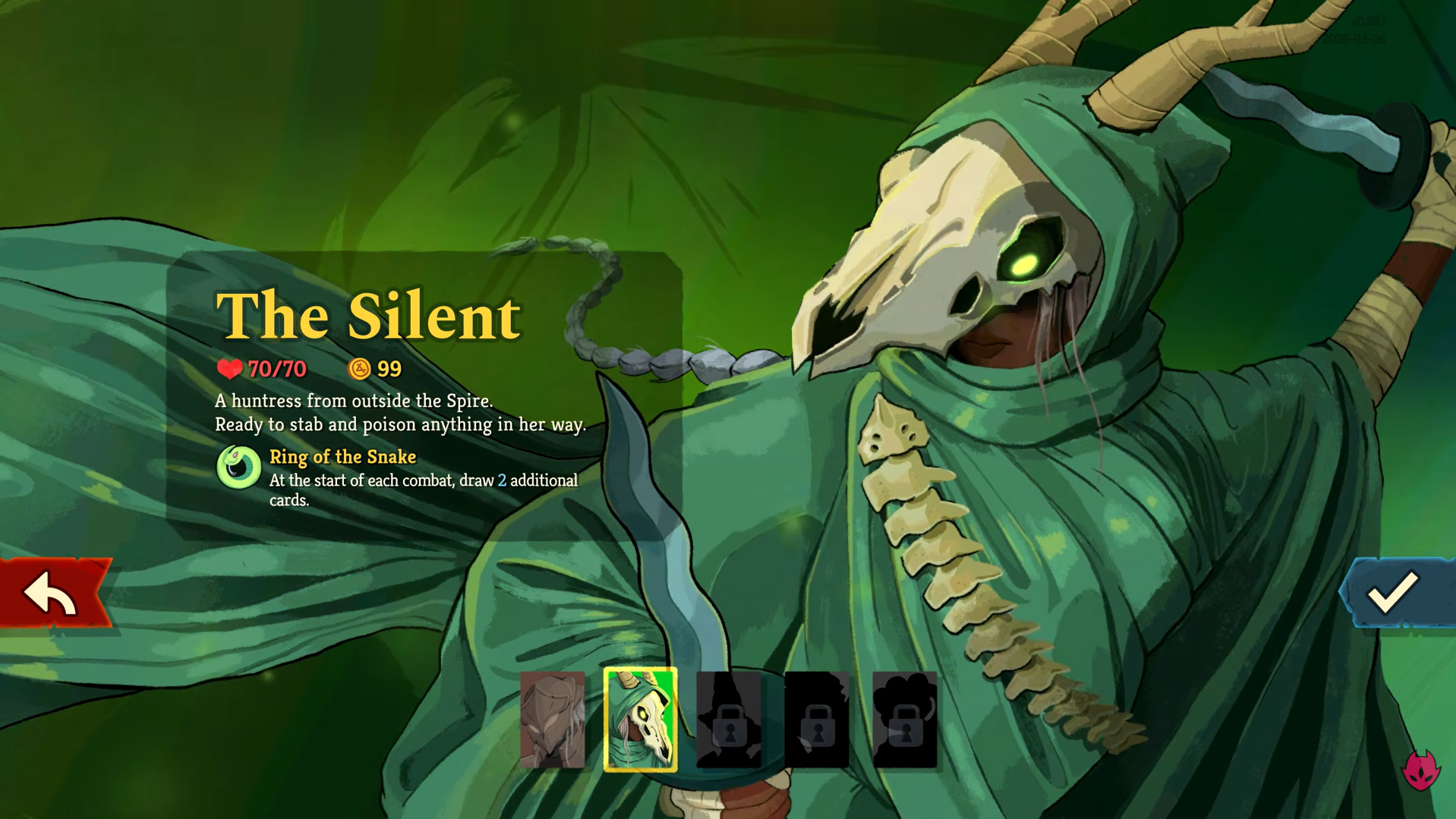
The Silent’s core mechanic and starting advantage
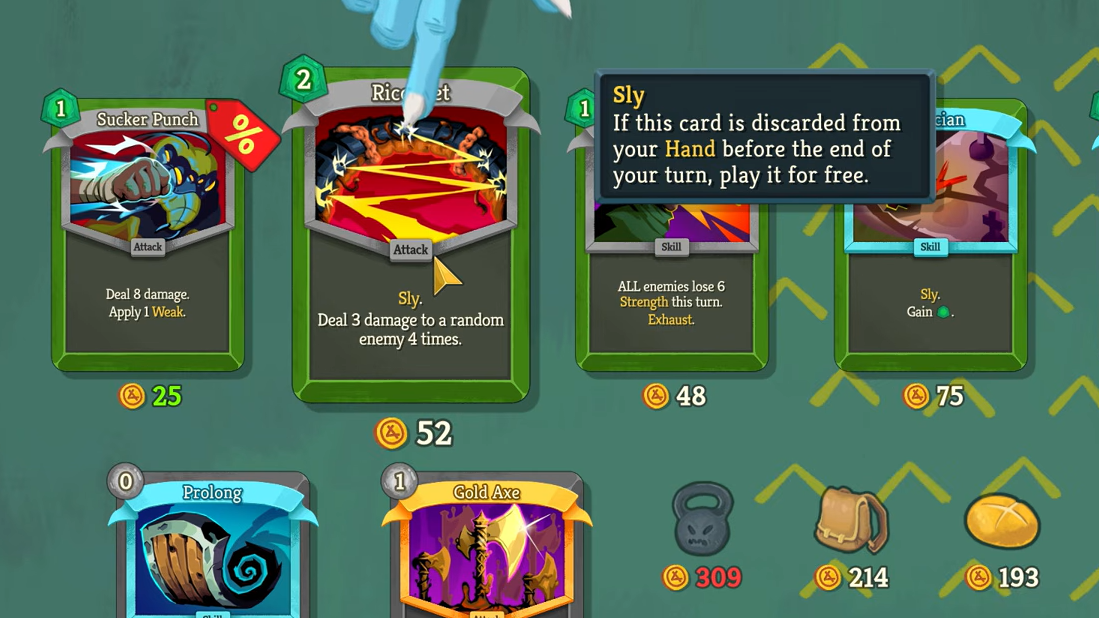
The Silent’s signature keyword is Sly. If a Sly card is discarded from your hand before the end of your turn, it plays for free. That turns discard from a cost into a resource, especially once you add cards that draw, cycle, or replace your hand.
Her starting relic, Ring of the Snake, draws two extra cards on turn one. That matters more than it first appears. The larger opening hand gives you a better chance to find your defense, your setup powers, or the one card that starts your damage engine.
That opening consistency is important because The Silent is not built to win fights with raw frontloaded damage. She usually wins by surviving the setup turn, then burying enemies under Poison, free Sly triggers, or a flood of zero-cost attacks.
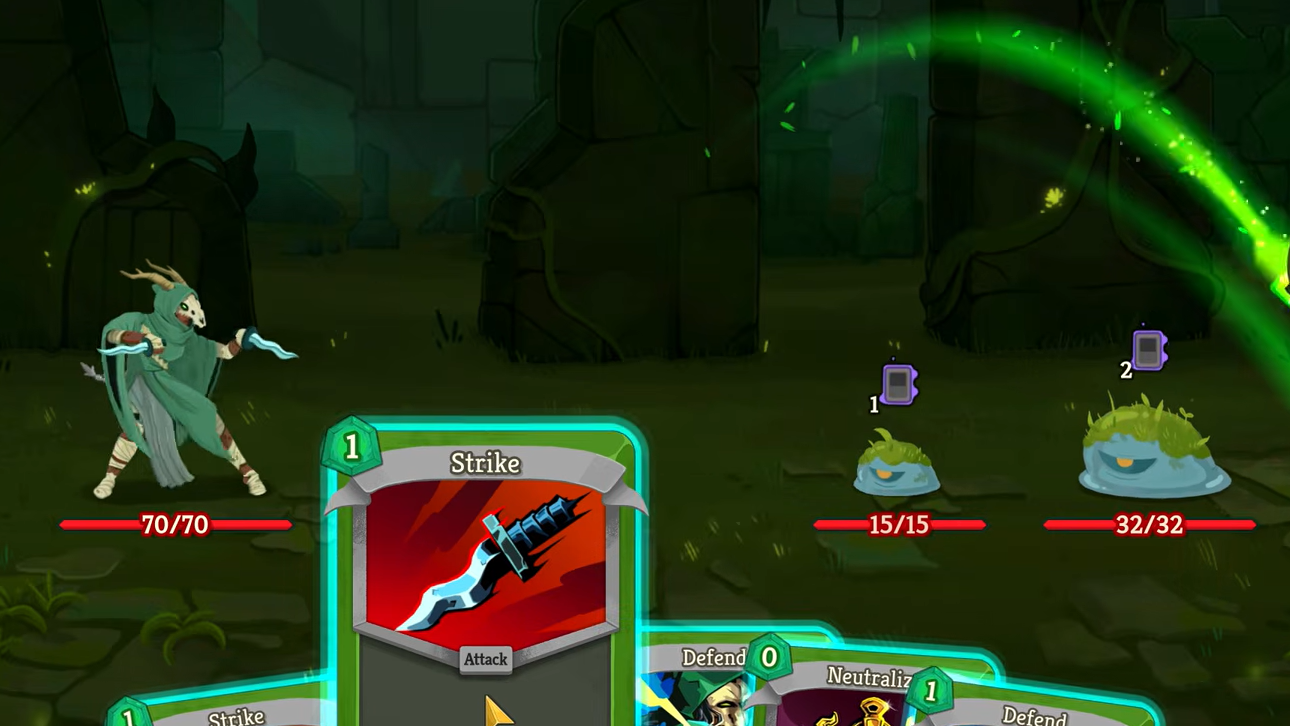
The Silent’s three real archetypes
Most successful Silent decks still center on one of three lanes, even if they borrow support cards from the others.
| Archetype | What it does | When it is strongest | Main risk |
|---|---|---|---|
| Poison | Stacks Poison and lets damage ramp over multiple turns | Long fights, bosses, stable defensive runs | Slow early turns |
| Shivs | Generates many zero-cost Shiv attacks for burst turns | Fast kills, relic-driven attack scaling | Needs payoff cards or relics |
| Sly | Discards cards to play Sly effects for free and cycle quickly | Explosive combo turns, thin decks, draw-heavy runs | Can stall if discard and payoff pieces do not line up |
Even in focused runs, The Silent also leans on support cards for Block, Dexterity, Weak, and sometimes Vulnerable. Those support tools are not side content. They are what let the deck live long enough to do its real work.
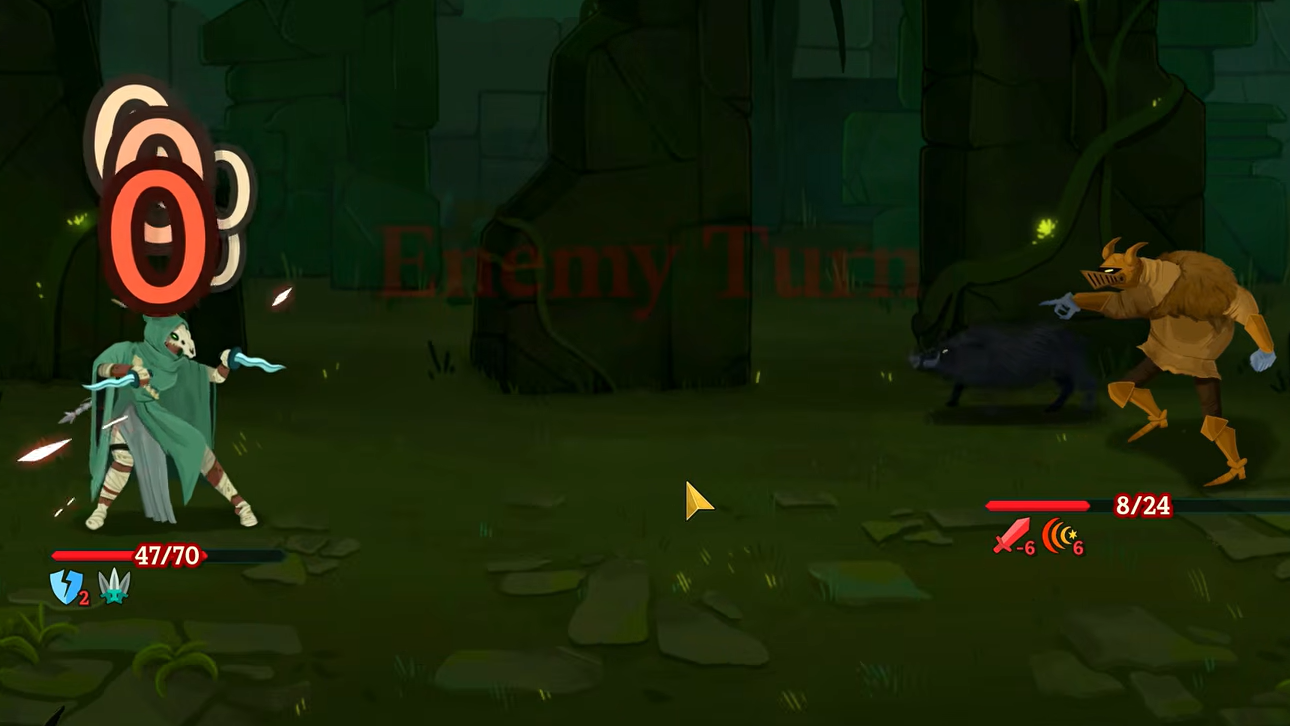
Poison builds are the easiest place to start
If you want the cleanest way to understand The Silent, start with Poison. The plan is simple. Apply Poison early, increase it efficiently, then defend while the enemy’s health drops on its own.
Poison deals damage equal to the current stack total when the enemy’s turn starts, then drops by one. That means early application matters, and follow-up cards become much better once the first stacks are already in place.
| Role | Cards to look for | Why they matter |
|---|---|---|
| Early application | Poisoned Stab, Deadly Poison, Snakebite, Envenom | Gets the engine running |
| Scaling | Accelerant, Bubble Bubble | Turns modest stacks into lethal damage |
| Control and survival | Mirage, Noxious Fumes | Buys time while Poison ramps |
| Finisher | Outbreak | Converts established Poison into a strong kill turn |
Accelerant is one of the biggest payoffs in the archetype because it makes Poison trigger again, which can collapse enemy health bars once stacks are high enough. Bubble Bubble is efficient once Poison is already on the target. Mirage helps stabilize turns that would otherwise get you killed while you wait for the damage to finish the fight.
There is one clean rule to remember here: Artifact blocks Poison application. If an enemy has Artifact, your first Poison attempt can fail completely. In those fights, lead with other debuffs or cheaper effects before spending your best Poison card.
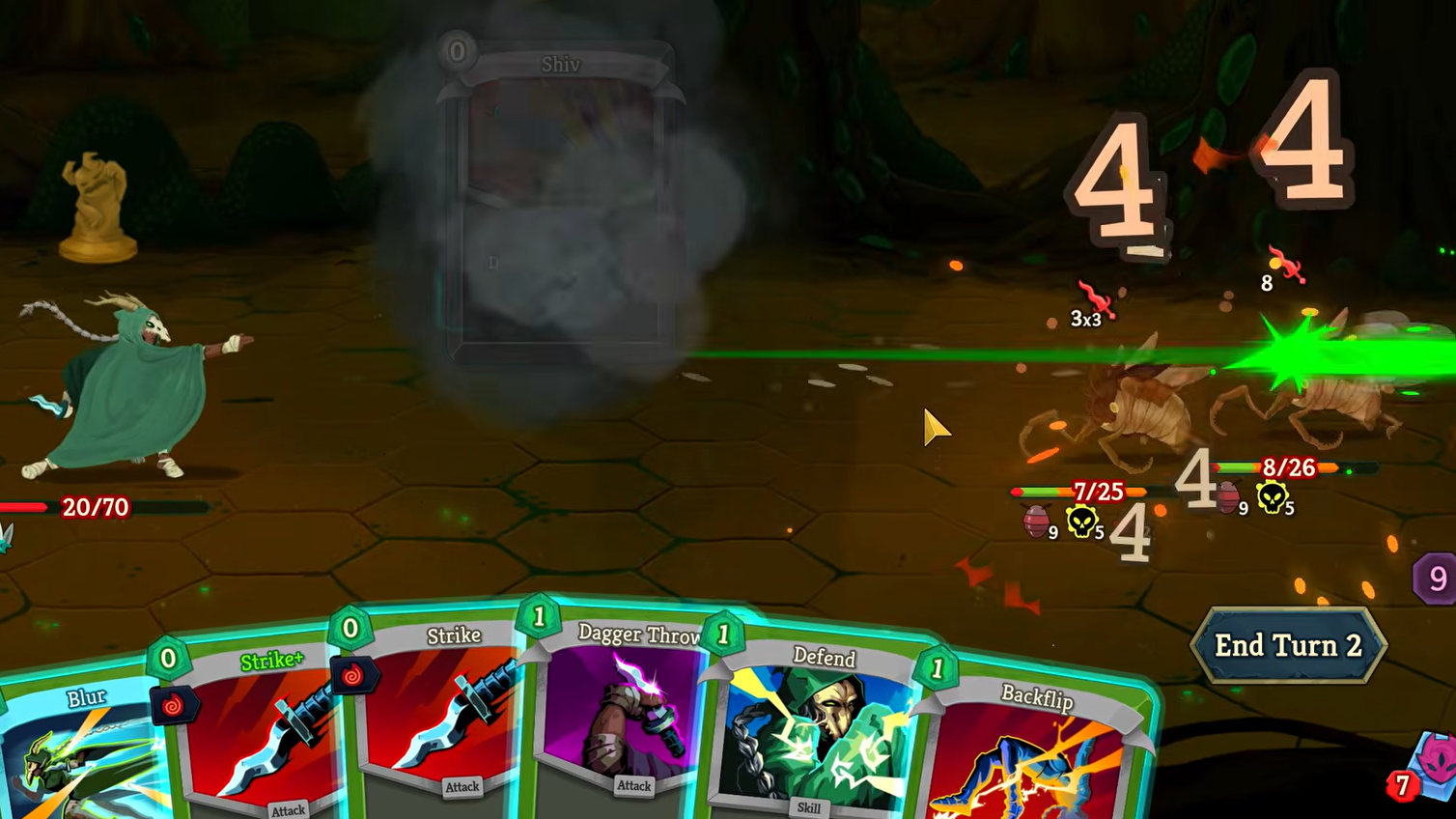
Shiv builds need real payoff, not just more Shivs
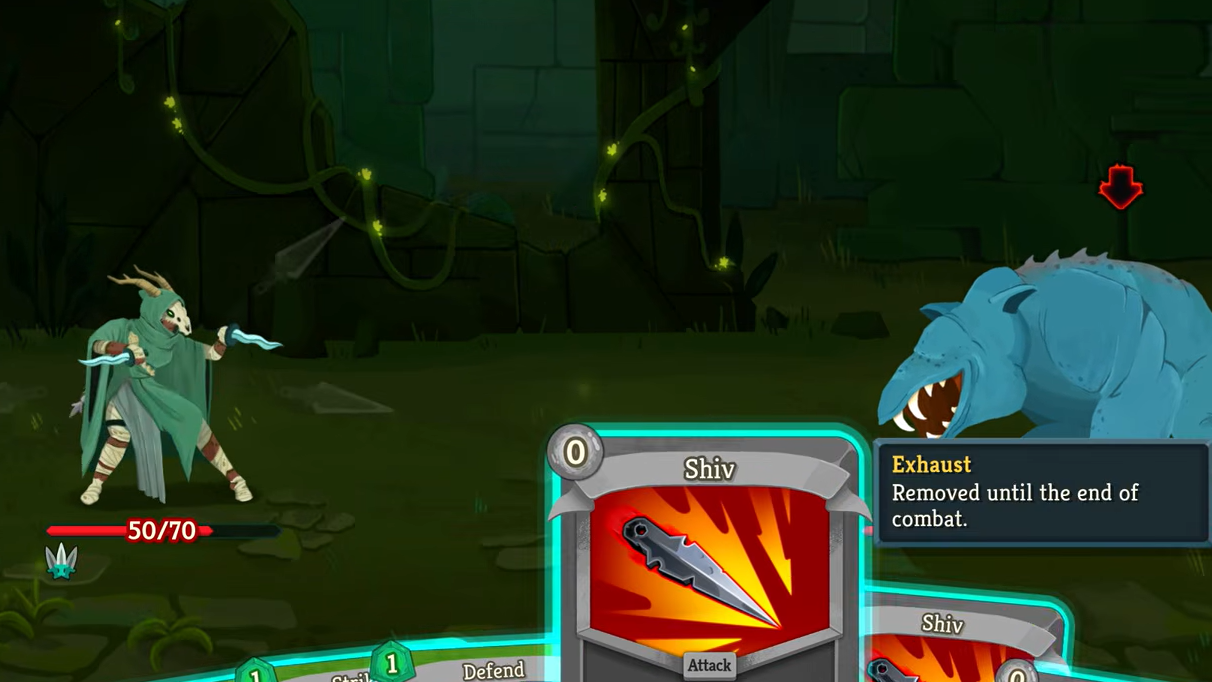
Shivs are zero-cost attacks that deal 4 damage and Exhaust after use. On paper, that sounds efficient, but 4 damage is not enough on its own. Shiv decks become strong only when each Shiv starts doing extra work.
The cleanest payoff is Accuracy, which doubles Shiv damage. Once that is active, your low-cost generators start producing real damage instead of chip damage. Infinite Blades gives a steady stream of Shivs over time, while Blade Dance, Leading Strike, and Cloak and Dagger help build volume quickly.
| Card | Role in Shiv decks |
|---|---|
| Accuracy | Main damage multiplier |
| Infinite Blades | Steady Shiv generation every turn |
| Blade Dance | Efficient burst generation |
| Afterimage | Turns card spam into Block |
| Knife Trap | Late-turn finisher after many Shivs are played |
| Finisher | Rewards a turn with lots of attacks |
Afterimage is especially important because it patches one of the archetype’s main problems. Shiv turns can be explosive, but they can also leave you open. Afterimage converts each card played into Block, so a long Shiv turn can become both offense and defense at the same time.
Relics matter a lot here. Ninja Scroll improves your opening turn, while attack-count relics like Shuriken, Kunai, Ornamental Fan, and Nunchaku all get much better when you can fire off a string of zero-cost attacks.
The simplest test for a Shiv run is this: if your deck is generating Shivs but not multiplying their value, it is still incomplete.
Sly decks are the most explosive and the easiest to misbuild
Sly is where The Silent becomes the most technical. The goal is to cycle through the deck quickly, discard Sly cards on purpose, and create turns where energy stops being the limiting factor.
The basic shell is straightforward. You want draw, discard, and a small enough deck that the right pieces show up together. Cards like Acrobatics, Prepared, and Dagger Throw help trigger Sly while smoothing your hand. Calculated Gamble can reset a bad hand and trigger multiple Sly cards at once.
| Type | Cards | Purpose |
|---|---|---|
| Discard enablers | Prepared, Acrobatics, Dagger Throw, Calculated Gamble | Trigger Sly and improve hand quality |
| Core Sly payoffs | Flick-Flack, Ricochet, Tactician, Reflex, Haze | Damage, draw, or energy once discarded |
| Power support | Tools of the Trade, Master Planner | Makes Sly turns more reliable |
| Defense | Untouchable, Abrasive | Keeps cycling turns from becoming dead turns |
Tools of the Trade is one of the cleanest support powers for this style because it turns every turn into a discard setup. Master Planner pushes the archetype much further by letting non-Sly Skills gain Sly, which expands the number of cards that can be cheated into play.
Tactician is one of the cards that keeps the engine moving, and Reflex helps maintain card flow. Speedster gives the deck damage tied to all that cycling.
Thin decks matter more here than in the other archetypes. If you are trying to play a Sly engine through too many filler attacks, the deck starts tripping over itself instead of chaining turns together.
The best support cards are not optional
The Silent is often described by her damage engines, but her best runs are usually held together by support cards. These are the cards that let Poison survive long enough to ramp, let Shivs play aggressively without losing races, and let Sly decks avoid collapsing on bad turns.
Strong defensive support includes Dash, Blur, Shadowmeld, and Afterimage. The common thread is simple. They either produce efficient Block immediately or let your Block carry over and scale with the number of cards you play.
Debuff support is just as important. The Silent is strong at applying Weak and Vulnerable, and those effects often do more than another medium attack would. Assassinate stands out because it costs zero and has Innate, so it always appears in your opening hand. Grand Finale can also produce huge burst if the setup conditions are met and the target is already exposed.

Why The Silent feels weak early
The Silent’s hardest phase is the start of a run. Her damage is slower to assemble than more direct characters, and she has no built-in healing to recover from sloppy fights. That changes the way you should evaluate early rewards.
In early fights, defense and efficient damage both matter. You cannot afford to spend the first few floors drafting only scaling pieces with no immediate impact. Poison builds still need enough early survivability to reach the point where Poison matters. Sly builds still need enough baseline damage or defense to avoid dying before the engine appears. Shiv builds still need a reason for their 4-damage tokens to matter.
Because of that, early commitment is useful. Once rewards start pointing toward Poison, Shivs, or Sly, it is usually better to sharpen that identity instead of taking every interesting card. The Silent gets much stronger when her cards start talking to each other.
Best potions for The Silent
Potion choice matters more on The Silent than on characters that can recover health more easily. Potions often cover her weakest turns, push a fragile elite fight over the line, or let a combo deck find the one card it needs.
| Potion | Why it is strong on The Silent |
|---|---|
| Weak Potion | Reduces incoming damage and helps enable Weak-based synergies |
| Dexterity Potion | Improves Block output during setup-heavy fights |
| Vulnerable Potion | Creates burst windows for attack-heavy turns |
| Swift Potion | Extra draw for combo turns and emergency defense |
| Potion of Binding | Useful multi-target debuff tool |
| Gambler's Brew | Excellent in Sly and discard-heavy decks |
| Duplicator | Strong with almost any high-value card |
| Fortifier | Helps stabilize runs with weaker defense |
Swift Potion and Gambler's Brew are especially valuable in draw and discard setups because they can turn a stalled hand back into a live turn. Duplicator is broadly powerful because The Silent has many cards that scale hard when copied, whether that is a Poison payoff or a burst tool.
The practical rule is not to carry potions forever. On The Silent, spending one to avoid a rough normal fight can preserve enough health to keep your path open later.
The best cards to prioritize by build
| Build | Highest-priority cards |
|---|---|
| Poison | Poisoned Stab, Deadly Poison, Noxious Fumes, Accelerant, Bubble Bubble, Outbreak, Mirage |
| Shivs | Accuracy, Infinite Blades, Blade Dance, Cloak and Dagger, Leading Strike, Afterimage, Knife Trap, Finisher |
| Sly | Acrobatics, Prepared, Dagger Throw, Calculated Gamble, Tactician, Reflex, Tools of the Trade, Master Planner, Speedster |
If you only want one beginner rule for each path, use these. Poison wants early application plus a payoff. Shivs want generation plus a damage multiplier. Sly wants discard plus enough draw to keep chaining turns.
The Silent is strongest when you stop treating her like a generic attack deck. Pick the lane your rewards support, survive the opening turns, and let the engine do the heavy lifting. Once that clicks, she stops feeling fragile and starts feeling precise.