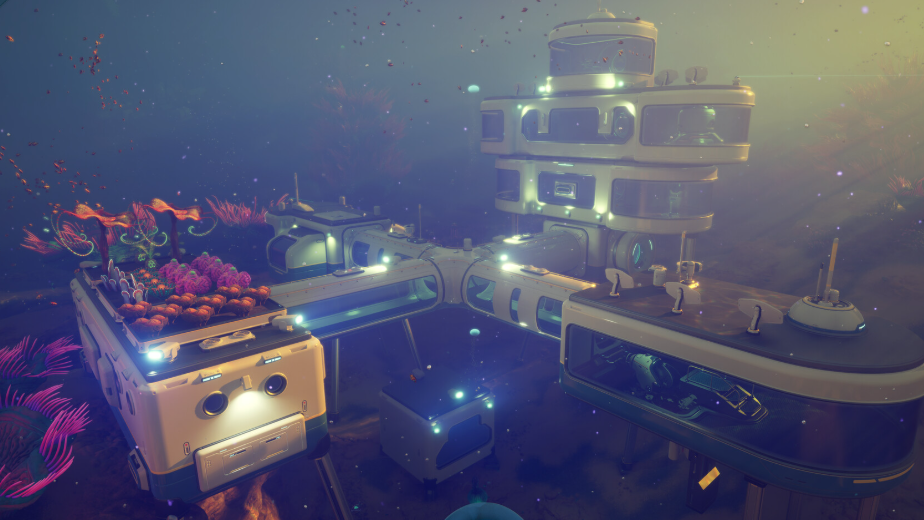
Subnautica 2 enters Early Access on May 14, 2026, and the question of map scale has a layered answer. The final game is planned to be larger than the first Subnautica and Below Zero, but the playable world on day one is a deliberate slice of that future map rather than the whole thing.
Quick answer: At the Early Access launch, Subnautica 2 ships with two main regions containing roughly ten biomes and sub-biomes, reaching at least 200 meters in depth. Unknown Worlds has not published an exact square-kilometer figure, but the final map is confirmed to exceed both previous games in size.
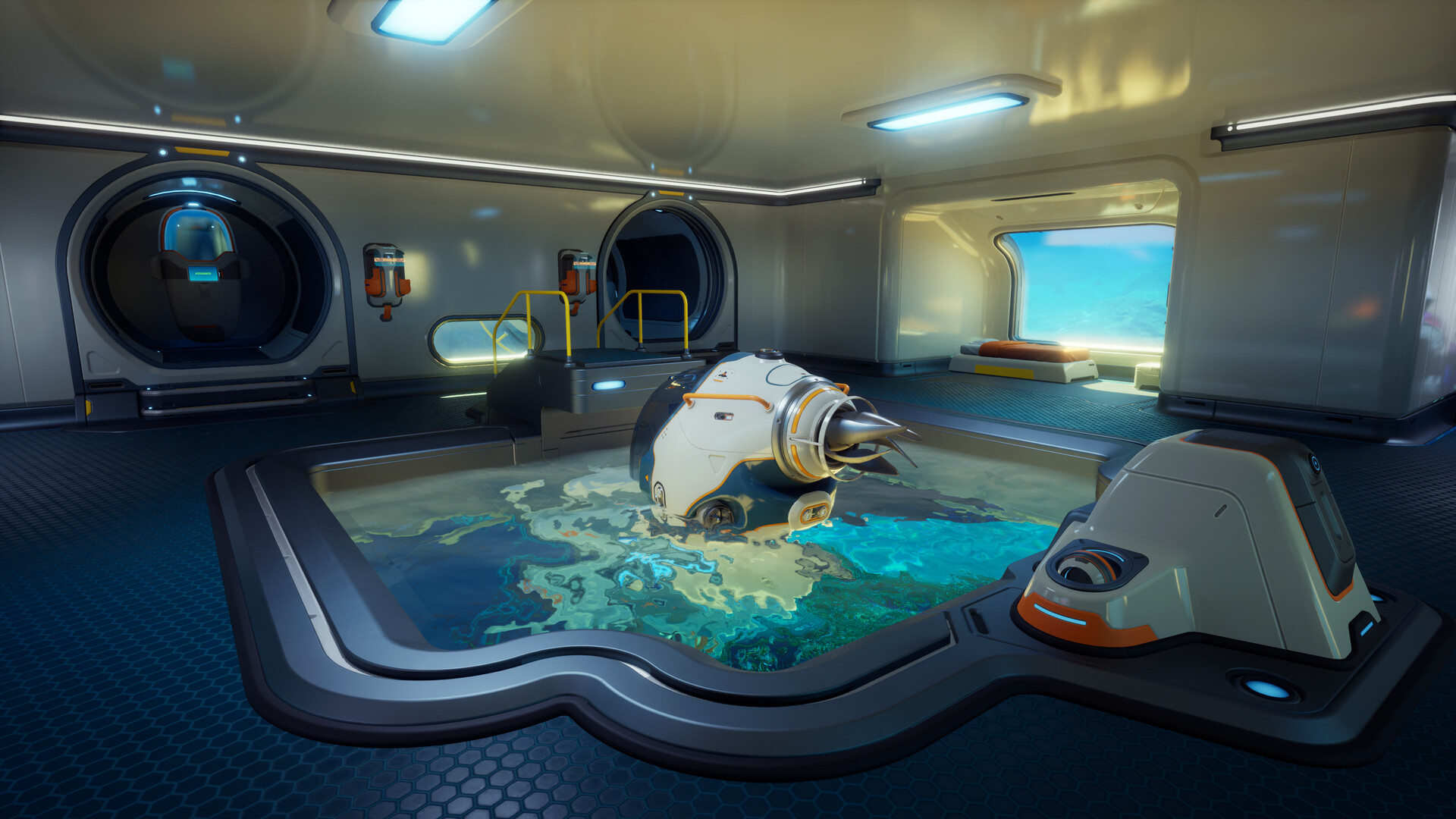
Subnautica 2 map size at Early Access launch
Unknown Worlds frames the world as a set of regions, each holding multiple biomes, and those biomes in turn contain sub-biomes. Two regions are available at Early Access launch, which together cover around ten distinct biomes and sub-biomes.
The studio has not released a precise square-kilometer measurement or a fixed depth cap. The vertical space reaches at least 200 meters at launch and extends to several hundred meters in the deepest trenches. Horizontal scale is described relative to past entries rather than as a hard number.
Compared with the original Subnautica and Below Zero at their own Early Access launches, the Subnautica 2 starting world is the largest day-one footprint the franchise has shipped. Compared with those games in their finished state, the Early Access map can feel smaller until more regions come online.
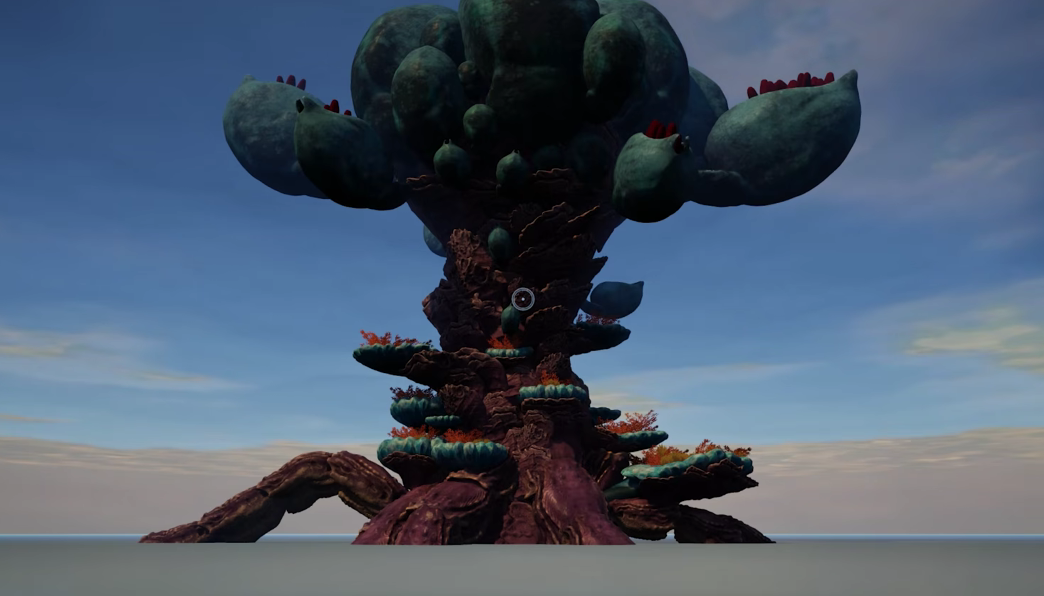
Final map size vs. Subnautica and Below Zero
The end goal is a world that surpasses Subnautica and Below Zero combined. New regions, biomes, and depth layers will be added throughout the Early Access period, which Unknown Worlds plans to run for years. The map is handcrafted rather than procedurally generated, so locations and biome boundaries are fixed and identical across playthroughs.
| Version | Regions | Biomes / sub-biomes | Depth |
|---|---|---|---|
| Early Access launch | 2 | ~10 | 200m+, reaching several hundred meters |
| Planned final release | More than 2 (count not finalized) | Expanded set across new regions | Greater than launch; no fixed cap published |
Confirmed regions and biomes in Subnautica 2
Some areas have been revealed through trailers and developer Q&A sessions. The Start Zone is the opening area where players begin underwater and work upward. Coral Gardens contains the Graveyard Spires and Dolerite Spires sub-biomes. The Kelp Forest returns in a new form, and The Void sits at the deepest edges of the map, populated by Leviathans and stripped of resources.
| Biome | Role on the map |
|---|---|
| Start Zone | Opening area for new pioneers |
| Safe Shallows | Low-threat surface biome with starter resources |
| Coral Gardens | Mid-depth region containing Graveyard Spires and Dolerite Spires |
| Kelp Forest | Vertical plant-dense biome |
| Jelly Plateaus | Open plateau biome |
| Overgrown Ruins | Ruin-based biome with structural geometry |
| The Void | Deepest trench zone with Leviathans and no biodiversity |
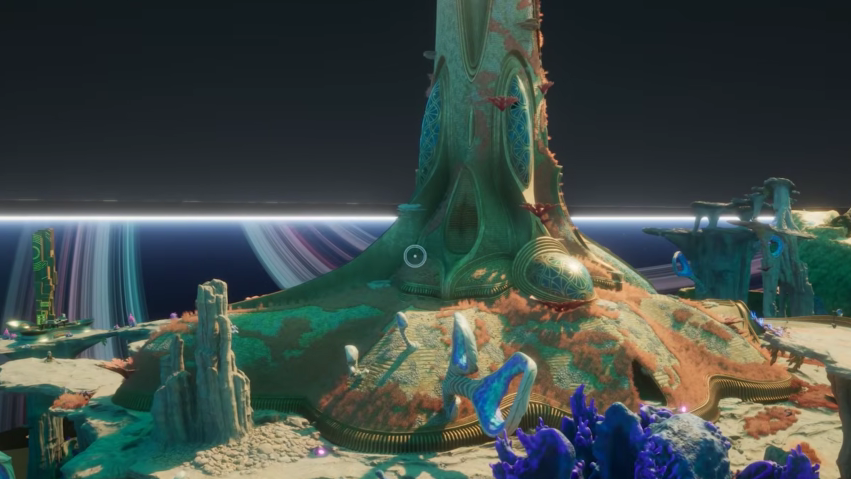
No in-game map and how navigation works
Subnautica 2 does not include an in-game map, matching the design of the first two titles. Navigation relies on a compass, depth readouts, and visual landmarks such as terrain spires, ruins, and biome transitions. Unknown Worlds has stated this is an intentional choice, so players interact with the environment directly rather than reading a UI.
Because the world is handcrafted, memorising landmarks and beacon placements is the practical way to find a route back to a base or wreck. Beacons placed by the player serve the navigation role that a minimap would otherwise fill.
What will change after Early Access launch
Areas beyond the two launch regions are blocked off and will open through future updates. New biomes, deeper sections, and expansions to existing zones such as The Void are planned over the Early Access window. Because Subnautica 2 starts from a larger baseline than its predecessors did at the same stage, the rate of expansion is layered on top of an already-larger foundation rather than catching up from a smaller one.
Exact dimensions, depth caps, and a final region count are not confirmed by Unknown Worlds at this stage. Any specific kilometer or meter figures circulating beyond the developer’s own statements should be treated as unverified until the studio publishes them.
For day one, the practical takeaway is that the explorable world is wider and deeper than what Subnautica 1 or Below Zero offered at their own Early Access debuts, but narrower than either game’s finished state. The scale will grow as updates land.