

The Shrouded Sky update for ARC Raiders, which went live on February 24, 2026, introduced two new ARC enemy types to the Rust Belt. One of them is the Comet, a spherical ground-based machine that patrols the surface until it detects a Raider. Once it spots you, it locks on with relentless focus and then detonates, producing what Embark Studios calls a "seismic boom."
Quick answer: The Comet is an armored, ball-shaped ARC that patrols outdoors, chases Raiders on detection, and self-destructs with a powerful concussive explosion. You need to destroy it before it reaches you or get clear of the blast radius.
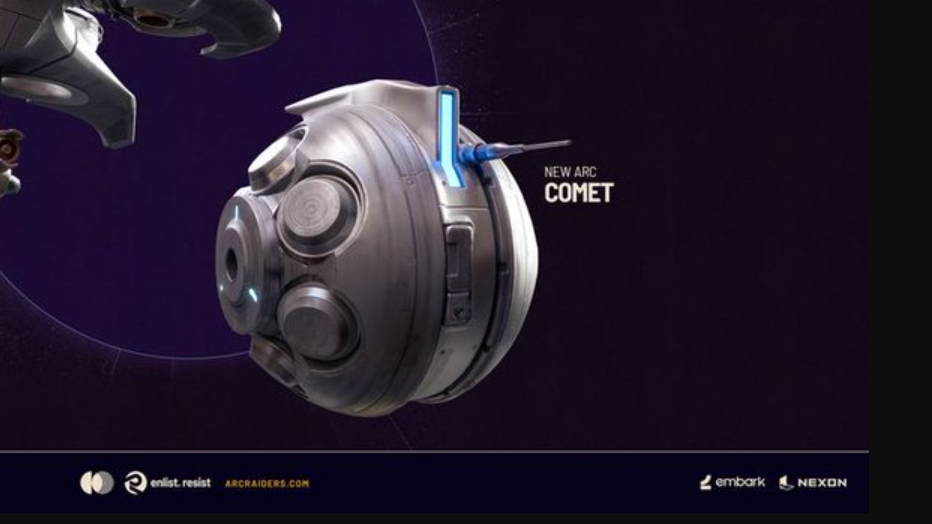
Comet behavior and attack pattern
The Comet shares a basic silhouette with the Pop — both are spherical ARC machines that explode near Raiders. The key differences make the Comet substantially more dangerous. It patrols the surface rather than spawning indoors, it appears to be armored, and its detonation produces a seismic shockwave rather than a standard explosive blast. That shockwave likely staggers or knocks back anyone caught in range, making it punishing even if it doesn't outright kill you.
Unlike Pops, which tend to appear inside buildings and can be dispatched with a single well-placed melee hit or a quick Anvil shot, the Comet is described as a larger variant that honks audibly and relentlessly chases its target before blowing up. Early player impressions suggest it moves faster than a Pop and may be closer in size to a Surveyor, though its exact dimensions haven't been pinned down yet.
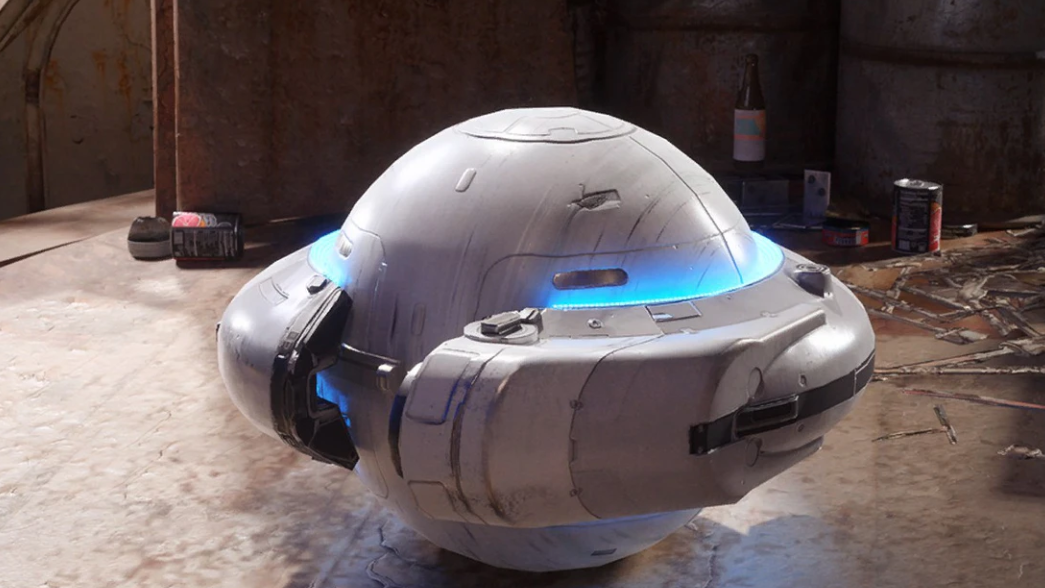
Dealing with the Comet's armor
The Comet's armor is the main thing that separates it from the Pops, most Raiders are used to swatting away with a hammer. Where a Pop can be one-shot by many weapons, the Comet's plating means you'll likely need sustained fire or a high-damage weapon to break through before it reaches detonation range. Weapons like the Anvil, Hullcracker, or explosive ordnance such as Seeker Grenades and Wolf Packs should be effective, though the exact damage thresholds will become clearer as players test loadouts against it.
One practical consideration is that the Comet patrols outdoors, which means you'll encounter it in open terrain where cover is limited. Raiders running "naked" loadouts — entering a raid with no gear beyond maybe a few adrenaline shots — will find the Comet far harder to deal with than existing surface threats like Wasps or Hornets, which can be dodged or baited around obstacles.
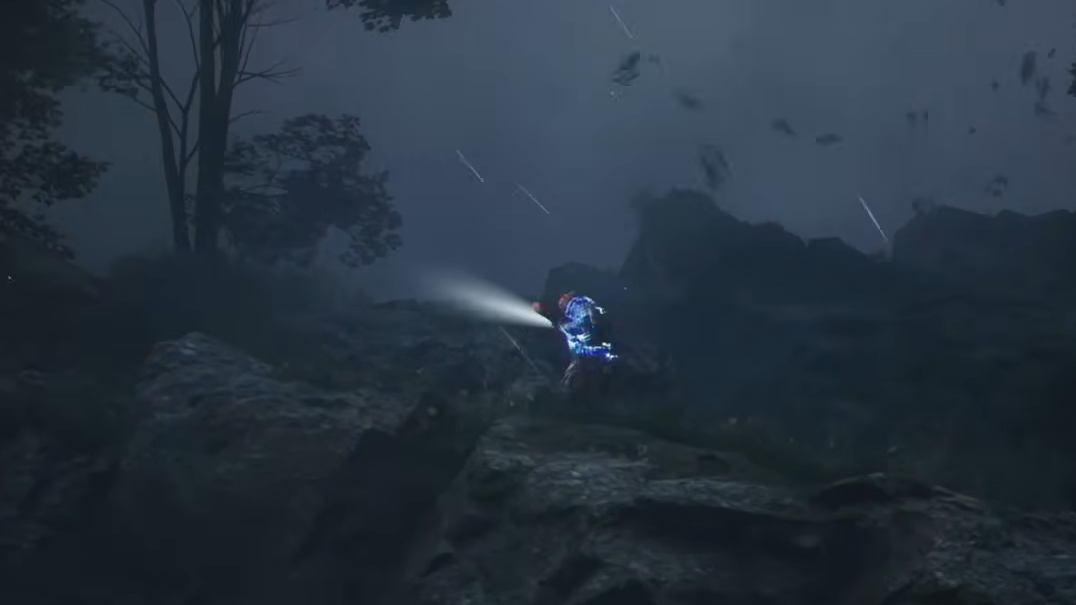
Where the Comet spawns
Embark's description specifies that the Comet "calmly patrols the surface," which strongly implies it's an outdoor-only spawn. Pops, by contrast, are primarily found indoors. This distinction matters because the Comet fills a gap in the outdoor ARC threat roster. Previously, the most dangerous things you'd run into topside were Rocketeers and flying patrols of Hornets and Wasps. The Comet adds a ground-level explosive threat to that mix, particularly during the new Hurricane map condition where visibility drops and movement slows.
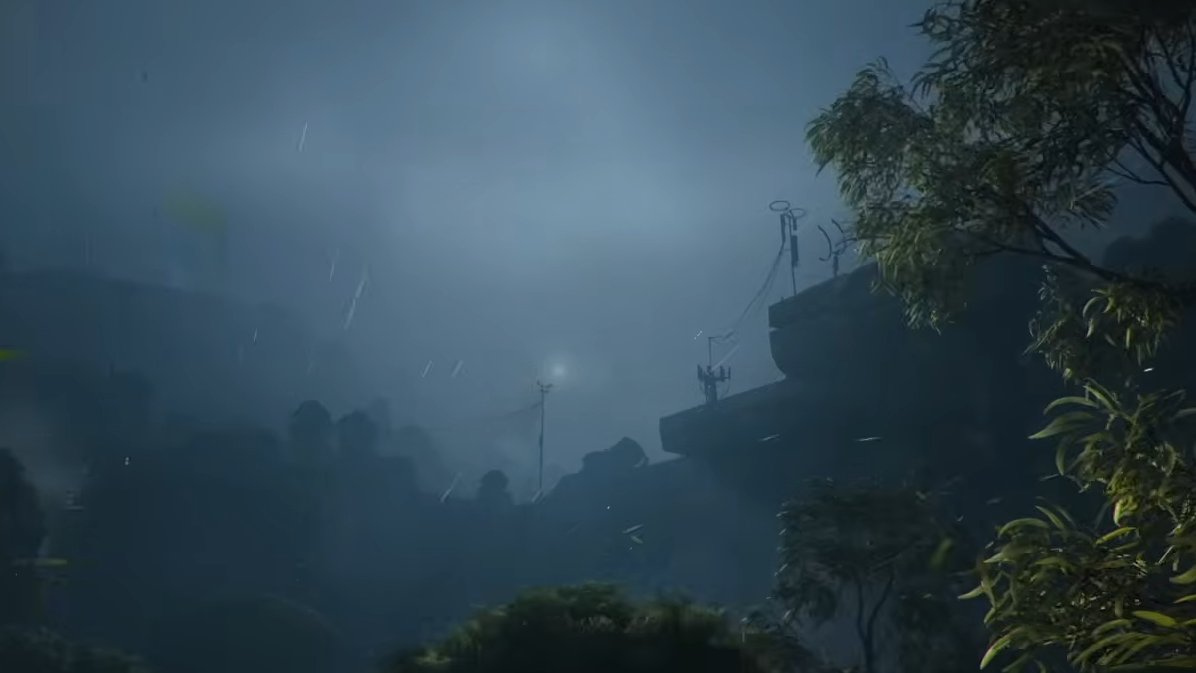
Hurricanes rotate as a permanent map condition across Blue Gate, Buried City, Spaceport, and Dam Battlegrounds. Running into a Comet during a hurricane — when your shield is already being degraded by wind-blown debris, and you can barely see — is a very different proposition than spotting one in clear weather.
The Comet alongside the Firefly
The Comet didn't arrive alone. The Firefly launched in the same Shrouded Sky patch. It's an armored flying drone equipped with a flamethrower, essentially a deadlier cousin of the Hornet with four armored rotors instead of two and a visible yellow weak spot (likely a fuel canister). Together, these two ARC types change how outdoor patrols work. Hornets and Comets can stun and distract, while Wasps and Fireflies deal sustained damage, creating layered encounters that are harder to brute-force through.
The pairing also raises the stakes for loadout planning. Carrying anti-armor weapons or explosive throwables becomes more important when you might face armored flyers and armored ground rollers in the same patrol group. Seeker Grenades and Lure Grenades both have obvious applications — Seekers for direct damage, Lures for pulling a Comet away from your position before it locks on.

Broader Shrouded Sky update context
Beyond the two new ARC enemies, the Shrouded Sky update brought several other changes. The Hurricane map condition is the headline feature, introducing wind that slows movement, debris that chips away at shields, and reduced visibility across four maps. A seasonal project called the Weather Monitoring System tasks Raiders with collecting materials topside to build better weather prediction tools, running from February 24 through March 31, 2026. Completing all five stages rewards gameplay items, 250 Raider Tokens, and the Anemometer Backpack Charm.
The update also added a free Surgeon Raider Deck with cosmetic unlocks, including a surgeon-themed outfit and a Full Beard customization option. Dam Battlegrounds received a map expansion with a new high-value interior area called the Controlled Access Zone. And the second Expedition window opened on February 25, closing on March 1.
The Comet isn't a radical departure from ARC Raiders' existing enemy design language — it's still a ball, and some players have been vocal about wanting more variety in enemy silhouettes. But as a gameplay element, an armored outdoor explosive that actively hunts you fills a real gap in the threat hierarchy between low-level nuisances like Ticks and high-tier encounters like Rocketeers. Whether it reshapes how squads approach surface runs will depend on spawn rates and how it interacts with the Hurricane's reduced visibility, both of which players are still sorting out.