

The Great Indian Safari is a wildlife photography and management simulation for PC that builds every major system around running an Indian wildlife reserve and capturing rare animal moments. It is in development at Flying Robot Studios, the solo label of Kolkata-based developer Satyajit Chakraborty, and is planned for release on Steam later this year.
Quick answer: The Great Indian Safari is a PC management sim where you build rewilded Indian habitats, route safari traffic, and balance a dual reputation system, but progression is driven almost entirely by a photography mechanic that scores your wildlife shots and feeds directly into visitor numbers, park reputation, and ongoing conservation pressure.
The Great Indian Safari core loop (state)
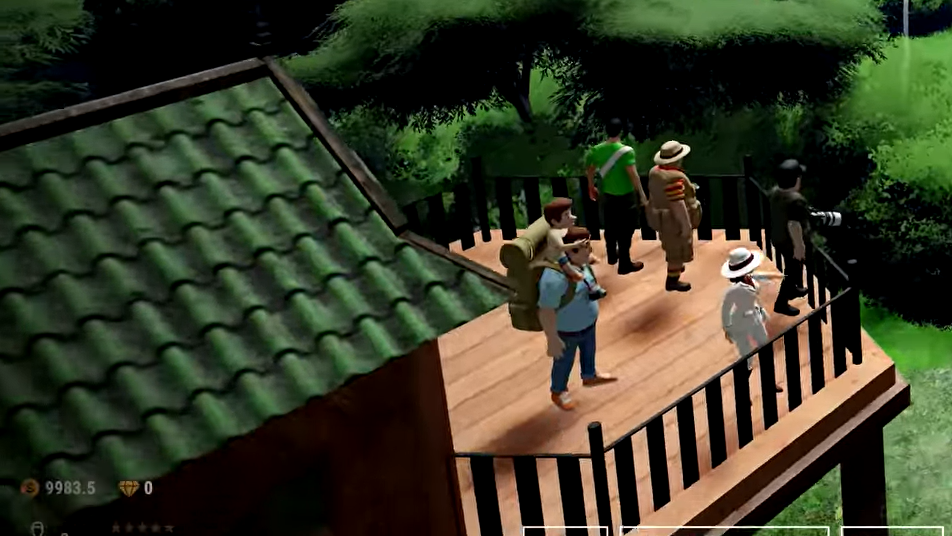
Everything in The Great Indian Safari starts with the reserve itself. You are responsible for an open, rewilded landscape rather than a conventional zoo. Bengal tigers, Asian elephants, leopards, and one-horned rhinos move through habitats you design rather than fixed enclosures. Paths, vegetation, water, and human access all influence how and where they appear.
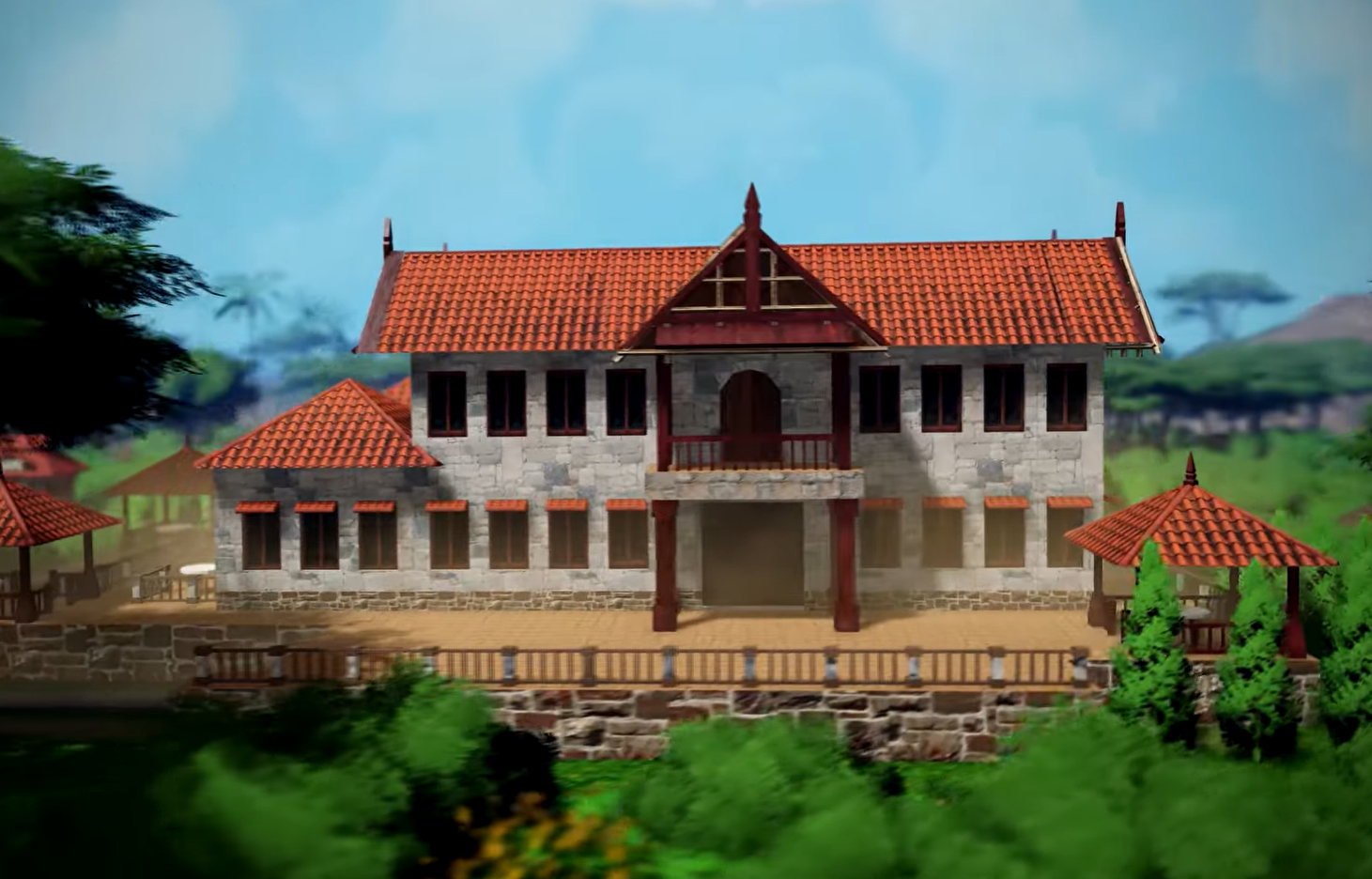
The park serves multiple visitor types at once. Routes and viewpoints have to work for thrill-seeking photographers who want dramatic encounters as well as serious conservation-minded visitors who care about ethical operations and ecological outcomes. Traffic layout is more than cosmetic; it is one of the levers that controls stress on different parts of the ecosystem.
Moment-to-moment play is built on a simple chain. You shape habitats and human infrastructure, this changes wildlife behavior, those behaviors create photographic opportunities, and the quality of those photos feeds a reputation system that determines what the park can do next.
Photography‑driven progression (mechanic)
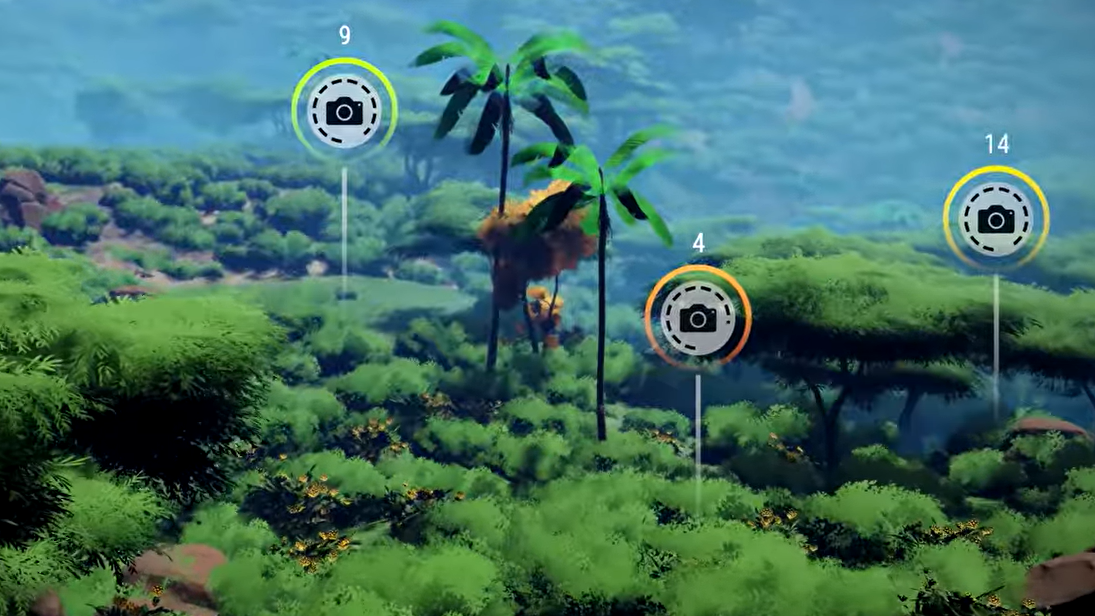
The photography system is the main progression axis rather than a side activity. Every wildlife image is evaluated against several fixed criteria: the species in frame, what those animals are doing, the lighting conditions, the composition, and the level of danger involved. Higher scores are not simply cosmetic; they act as triggers for bigger systemic changes in the reserve.
Species rarity gives extra weight to elusive animals such as tigers or leopards. Behavior captures things like hunting, social interactions, or other non-idle states. Lighting checks the time of day and angle of light, rewarding situations such as golden-hour conditions. Composition reflects framing and subject placement, while danger covers proximity, riskier viewing angles, or situations that would be considered hazardous in a real reserve.
Exceptional photos have distinct consequences. The best shots can go “viral” inside the simulation and trigger 72-hour surges in visitor traffic. That jump in attention spikes the park’s reputation and revenue but also pushes infrastructure and staff to their limits. The mechanic ties a single photograph to a multi-day stress test of your planning, forcing you to treat every high-value shot as both reward and potential liability.
The game treats a great photo as evidence that the surrounding system is working properly. To capture a hunting tiger in ideal light, you need prey density, vegetation coverage, and route design that puts a camera where animals are likely to act naturally. The scoring model is therefore less about reflexes and more about validating months of ecosystem and logistics decisions.
Dual reputation system for conservation and tourism (mechanic)
The reserve operates under a dual reputation system that tracks conservation outcomes alongside tourism performance. Both reputations are active at all times, and the simulation is explicit about the need to raise them together rather than maximizing one at the expense of the other.
Tourism reputation reflects the quality and quantity of visitor experiences: the frequency of rare sightings, the comfort and throughput of safari routes, and the momentum generated by viral photos. It benefits heavily from the photography scoring system and the surges that follow the very best shots.
Conservation reputation is rooted in ecological health. It is shaped by habitat quality, animal stress levels, sustainable visitor numbers, and long-term outcomes for iconic species such as Bengal tigers and Asian elephants. Overuse of a single area, poorly balanced prey and predator populations, or relentless pursuit of risky encounters will drag this score down even if tourism metrics look strong in the short term.
The park stalls if either side of this system is neglected. That can mean slower unlocks, reduced access to new tools or habitats, or diminished capacity to respond to sudden waves of visitors. The mechanic pushes players to think of conservation and tourism as coupled variables rather than separate tracks, which in turn feeds back into route design and photography choices.
Living ecosystem simulation and named animals (mechanic)
Wildlife behavior in The Great Indian Safari emerges from the interaction between habitat health, food chains, and human pressure. Animals respond to the distribution of food and water, cover, and disturbance from roads and viewing points. That structure produces unscripted photographic encounters rather than pre-planned set pieces.
Specific, named animals add continuity to this system. The game features “legendary” individuals such as Scar, a one-eyed leopard; Matriarch, an older elephant that leads her herd; and Ghost, a white tiger that appears only when certain conditions are met. These animals recur over time, creating recognizable storylines inside the simulation without breaking its systemic rules.
Because these individuals follow the same ecological logic as other animals, tracking them depends on reading the environment correctly. Their appearances become high-stakes tests of how well the reserve is tuned. Success means rare photographs with very high progression value; failure can signal that some part of the food web or visitor layout needs work.
Indian landscapes and cultural grounding (state)
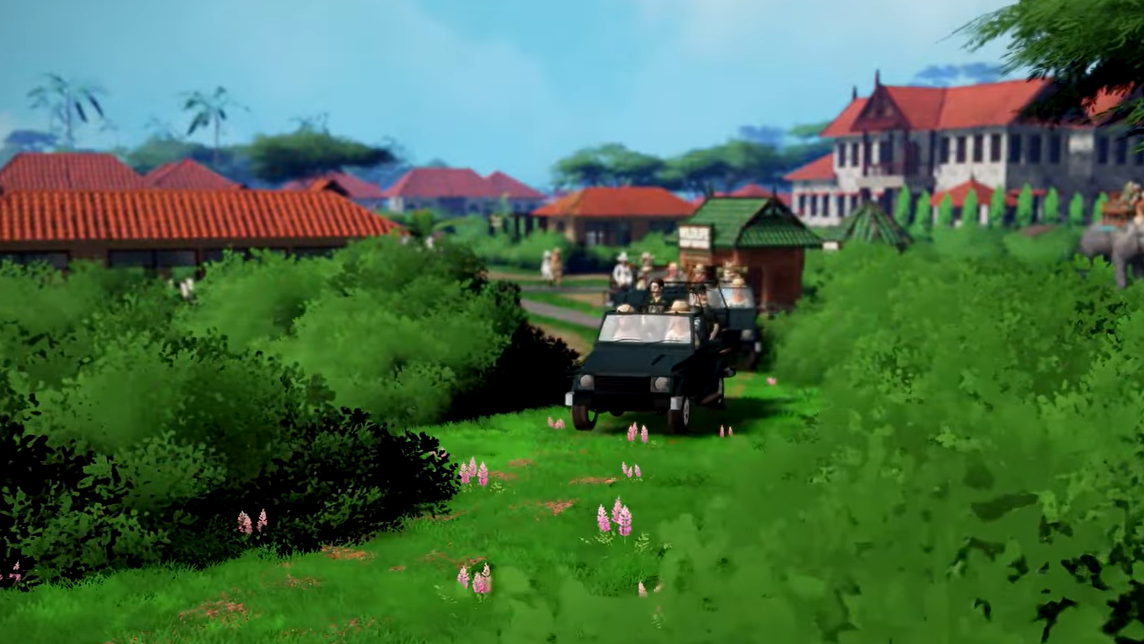
The reserve is framed specifically as an Indian wildlife setting rather than a generic savannah. Landscapes include mangroves, sal forests, and Terai grasslands, environments that map directly onto the real habitats of the game’s flagship species. Each biome changes the balance of cover, water, and visibility, which in turn shifts where and how animals can be seen and photographed.
The project is built in India and aims for cultural and ecological specificity. That focus shapes everything from the choice of megafauna to the mix of visitor expectations. It also aligns with the studio’s broader aim of encoding different value systems into its management games, emphasizing scarcity, community ties, and systemic approaches over purely individualistic power curves.
Management tools, automation, and system requirements (state)
The management layer uses automation to prevent the simulation from collapsing into micromanagement. Staffing is handled through pools rather than individually scripted workers, and various routine operations can be automated so that attention can stay on strategy and photography. The intent is to let players adjust policies and layouts instead of constantly chasing minor tasks.
The game is built in Unity and targets a wide range of PC hardware with relatively modest system requirements. It is planned for release on Steam, with a “coming soon” listing already available. A public gameplay trailer has been released, and the studio encourages interested players to wishlist the title on the Steam page (below).

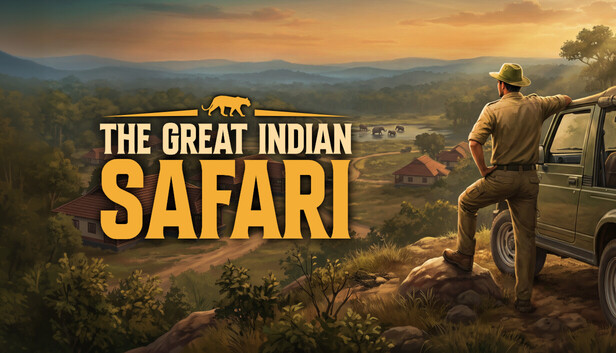
Flying Robot Studios describes The Great Indian Safari as a continuation of its existing design philosophy from Tea Garden Simulator, using management mechanics to model less familiar economies and ecosystems. Here, conservation is treated as a central strategic pillar that cannot be sidelined without direct mechanical consequences, and the photography system exists to surface whether that strategy is working in practice.