

The Kettle in Arc Raiders is meant to be a close‑range, semi‑automatic workhorse. It’s cheap, kicks hard, and on paper fires “as fast as you can pull the trigger.” In practice, that design has collided with mouse and controller macros, a very generous server‑side fire‑rate cap, and a community that is now arguing over where skill ends and cheating begins.
What the Kettle is designed to do
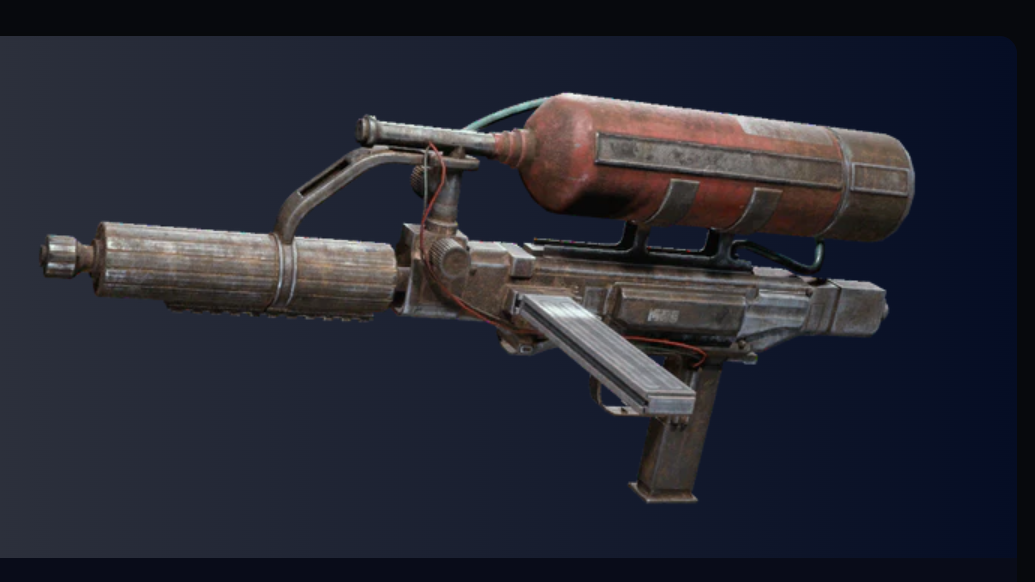
The Kettle is a light‑ammo, semi‑automatic assault rifle built for close quarters. Key stats and behavior:
- Magazine size: 20 rounds.
- Base damage: 10 per body shot, with a 2x headshot multiplier.
- Upgrades increase bullet velocity, reload speed, and durability, not raw damage.
- Reload time is slow for its class (around 5 seconds at level 1, roughly 3 seconds at level 4).
Time‑to‑kill (TTK) depends entirely on how fast you fire. With a slow tap rate around 4 shots per second, burning through a shield and health can take more than three seconds. At average human tap speeds near 7 shots per second, that drops to roughly two seconds. At the weapon’s maximum fire‑rate cap, the Kettle can delete a heavy‑shield target in around 1.3 seconds and light‑shield players in about a second. Land a stream of headshots, and that TTK can compress toward half a second.
All of that is before adding automation.
How the Kettle’s fire‑rate cap works
The Kettle is not technically “uncapped.” The server rejects shots that come in faster than an internal cooldown, which works out to roughly 12 rounds per second — about 720 to 770 rounds per minute, depending on how you measure it. Players who test with frame counts see stuttering when they push below about 0.05 seconds between input events, confirming that a cooldown is actively blocking extra shots.
In other words, there is a hard ceiling. The problem is that the ceiling is extremely high for a semi‑automatic rifle. Most people can manage 6–9 clicks per second in a fight. A macro or hardware trick can push the Kettle straight to the 12‑rounds‑per‑second cap, every single time, with perfect rhythm.
Why macros turn the Kettle into a pseudo‑SMG
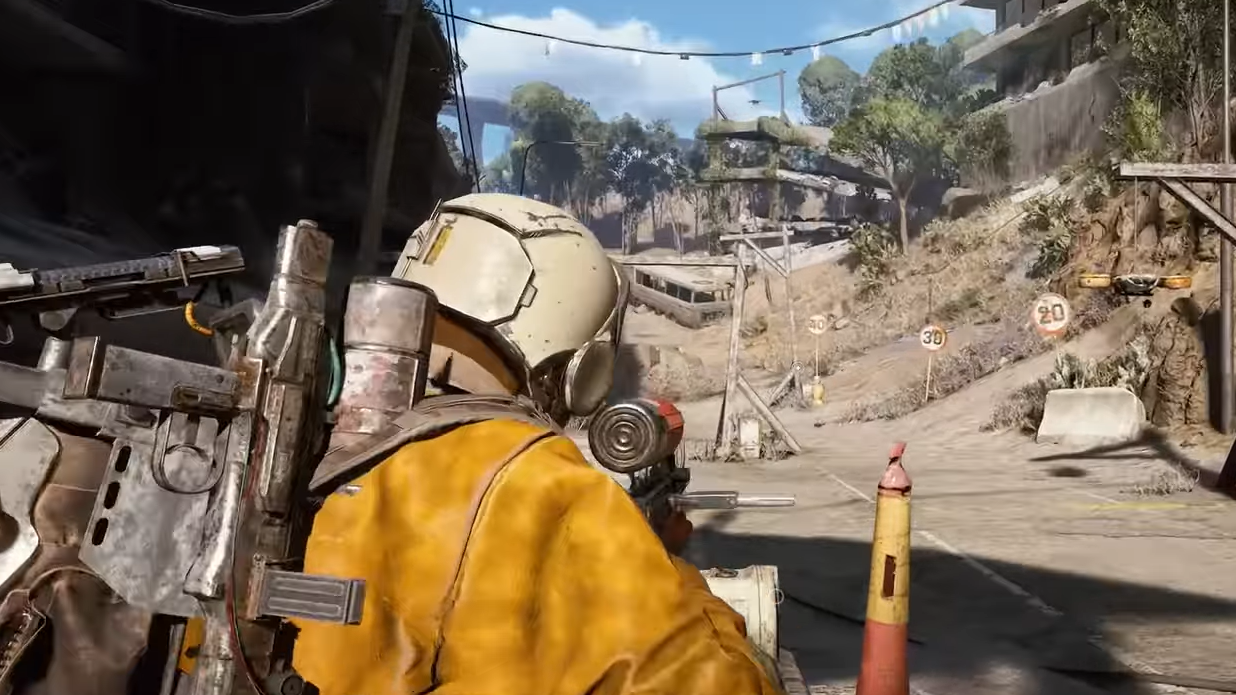
Macros are scripted input sequences. In this context, they repeatedly “press” the fire button for you whenever you hold a key or mouse button. Modern gaming mice, keyboards, and some controllers ship with macro or “Turbo” functions in their configuration software.
Players are using those tools to spam fire with the Kettle at, or very close to, the weapon’s cap:
- Mouse software (Razer Synapse, Logitech, SteelSeries, etc.) looping a left‑click action with a tiny delay (around 0.05 seconds) while a button is held.
- Mouse wheel bindings that send “fire” on each scroll tick, sometimes on both scroll up and scroll down.
- Controller “Turbo” buttons or back‑paddle remaps that fire on press and release, effectively doubling tap rate.
- Standalone macro runners, such as generic macro tools that ship pre‑made “Teapot” / Kettle scripts with randomised delays, so patterns are less obvious.
Once configured, a single held trigger turns the Kettle into what looks like a fully automatic weapon. On the victim’s side, desync and audio limitations can make it worse: people report hearing only a handful of gunshots while their health bar vanishes in a fraction of a second because the game and audio engine can’t keep up with the stream of hits.
Is this actually cheating?
Arc Raiders’ terms of service and enforcement behavior are the only standards that matter in practice, and Embark has already taken action against at least one player whose “macro makes this game pure comedy” — restoring their victim’s loot and calling it “unfair play.” That makes the studio’s position clear: automating semi‑auto fire to reach rates beyond reasonable human performance is treated as cheating.
Players still argue about the ethics. Common positions include:
- “It’s just my mouse software.” Some argue that if the input comes from standard peripherals and doesn’t modify game code, it’s fair game. They often compare it to trigger stops, back‑paddles, or high‑refresh monitors.
- “It’s indistinguishable from cheating.” Others point out that macros erase the intended tradeoff of semi‑auto guns — click speed and recoil control — and create literal “Gatling gun” Kettles that no human can match without risking injury.
- Accessibility concerns. A smaller but important thread notes that people with hand or finger mobility issues rely on macros or auto‑fire features to use high‑click‑rate weapons at all. Many other games now offer built‑in full‑auto toggles on semi‑auto guns to cover this use case without third‑party tools.
Whatever a player’s personal stance, using third‑party automation risks account action if it breaks the game’s behavioral thresholds or is detected in investigations.
Why the Kettle’s design amplifies the problem
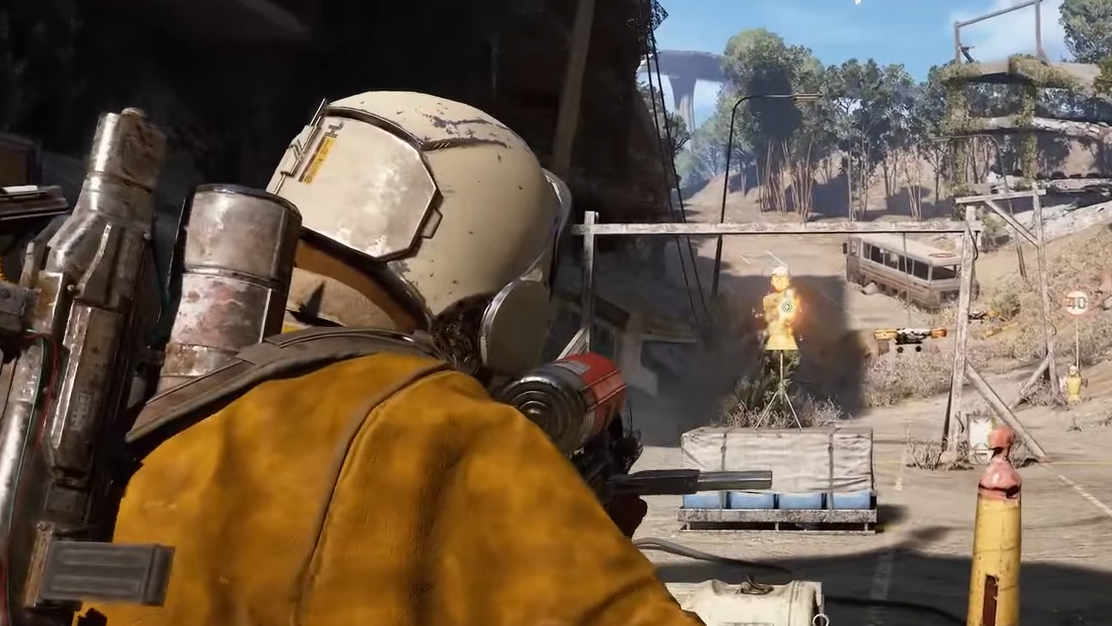
A few design choices make the Kettle particularly sensitive to macros:
- Extremely high fire‑rate ceiling. The ~12 rounds‑per‑second cap is more in line with full‑auto SMGs or rifles than with a semi‑auto click gun. That means the DPS gain from reaching cap is enormous.
- Fully “skill‑scaled” rate of fire. Every extra click per second translates directly to more damage. There’s no “soft” fire‑rate band where extra inputs don’t matter. A macro that adds 3–4 shots per second directly cuts TTK.
- Strong headshot rewards. With 2x headshot damage, dumping a high‑RPM stream into someone’s face melts them before they can react, especially at low armor levels.
- Desync and feedback mismatch. High‑RPM macros can fire and register hits faster than sound and hit indicators play, making deaths feel inexplicable even when the server technically behaves correctly.
Other semi‑automatic weapons in Arc Raiders have had similar issues in earlier tests, and some were later adjusted with stricter fire‑rate caps. The Kettle remains the most visible flashpoint because it is cheap, common, and lethal in the ranges where most PvP engagements actually occur.
How players are spotting macro Kettles in matches
There is no foolproof way for an opponent to know whether someone is using automation; some people genuinely have extremely fast trigger fingers, especially on controllers with different grips. Still, players describe patterns that strongly suggest a macro:
- Perfectly even shot timing. Human tapping usually drifts a bit — bursts speed up and slow down. Macro fire looks metronomic: every shot spaced almost identically.
- Instant full‑mag dumps. A Kettle that empties its 20‑round mag in roughly 1.6 seconds, especially from a single held trigger with no audible “finger” rhythm, is likely running at cap.
- Audio and visual mismatch. You see your health and armor disappear almost instantly but only hear a few gunshots, or see only a couple of muzzle flashes, because the client is struggling to render all events.
- Behavior on stream. In some cases, players openly brag about macros on Twitch or other platforms, demonstrating that a single held button produces full‑auto behavior.
False accusations do happen. Some players who practice high‑speed tapping on a Kettle are regularly called out, even when they are operating below the theoretical cap. That uncertainty is part of why many are calling for systemic changes rather than relying on individual reports.
Why uncapped semi‑auto fire is always vulnerable
The Kettle controversy is not unique. Other shooters have gone through nearly identical cycles:
- DMRs and pistols in older Call of Duty titles became “full auto” when bound to mouse wheels or turbo controllers.
- Hand‑cranked weapons in Fallout 76 once fired as fast as you could click in third‑person, becoming top‑tier DPS before being patched.
- The Vulcano and other Arc Raiders weapons previously tied fire‑rate directly to input speed before their caps were tightened.
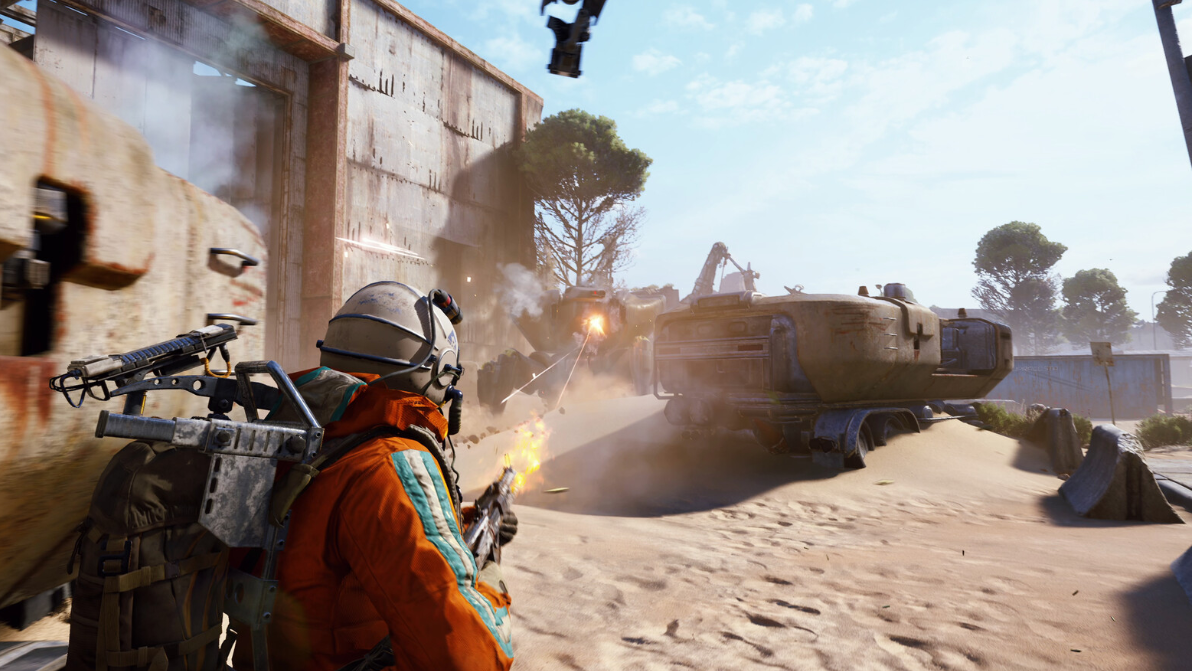
The pattern is simple: if a semi‑automatic weapon scales linearly with click speed and has a high cap, players will use macros, free‑spinning mouse wheels, or hardware tweaks to reach that ceiling. There is no practical way to stop this at the hardware level; the only reliable levers are the server’s rules for how often a weapon can fire and how it handles held‑button inputs.
What many players want Embark to change
Across discussions, several recurring suggestions emerge for bringing the Kettle back into line:
- Lower the fire‑rate cap. Shift the Kettle’s maximum rate into a band that top human players can hit naturally under pressure, roughly 450–500 rounds per minute. That preserves skill expression while shrinking the macro advantage.
- Add a “hold to fire” mode. Offer a full‑auto toggle or accessibility setting that lets players hold the trigger for a fixed, balanced fire‑rate, similar to what Destiny 2 and other shooters now do for semi‑auto guns. That removes the need for third‑party macros for accessibility.
- Jam or misfire beyond human limits. Introduce penalties when a weapon receives inputs at inhuman frequencies, such as temporary jams, to discourage extreme macro settings.
- Stronger pattern detection. Use server‑side logic to flag perfectly uniform click intervals over long periods. Even with randomised delays, many macros reveal themselves over larger samples.
Any of these would reduce the value of external automation by narrowing the gap between “what a macro can do” and “what a practiced human can do,” and by moving more control into the game’s own settings.
What you can do as a player right now
There is no client‑side setting that disables opponents’ macros, but there are a few practical responses:
- Toggle cross‑play. Many console players turn off cross‑play to avoid PC mouse software and some forms of controller scripting. PC‑only lobbies are not macro‑free, but they remove certain console‑focused tools.
- Use the report tools. Embark’s support portal at https://id.embark.games/arc-raiders/support is the official place to report suspected unfair play and request loot restoration, as some players have successfully done.
- Adjust expectations in high‑risk brackets. In modes or MMR bands where macro use is common, assume that some semi‑auto weapons operate at or near cap and plan positioning and cover usage with that in mind.
- Avoid third‑party automation yourself. Even if a macro seems “undetectable,” using it in PvP runs against the spirit of fair competition and risks manual review or bans, especially if you stream or share clips.
The Kettle is one of Arc Raiders’ most enjoyable guns precisely because it rewards fast hands and accurate tracking. Right now, that same design gives macros and auto‑clickers too much room to dominate firefights and fuel accusations. The core fix is not in another round of cat‑and‑mouse with cheat forums, but in bringing the weapon’s fire‑rate and input model back to a place where the strongest advantage comes from thoughtful positioning and good aim, not from scripting your mouse wheel.