

The Masked Troupe is one of the most enigmatic sects in Where Winds Meet. It sits alongside combat-heavy factions like Midnight Blades and Well of Heaven, but philosophically it points in the opposite direction: away from bloodshed and toward music, dance, and a deliberately slow life on the road.
On paper it is listed among the game’s sects, yet its rules, martial arts, and full joining path are still being rolled out. That combination of official presence and practical absence has turned it into a kind of urban legend within Jianghu, complete with cryptic NPC lines and half-finished hooks in Kaifeng.
Masked Troupe overview and identity
In-game, the Masked Troupe is described as a wandering performer sect. Members travel as the Liyuan Troupe, “all about enjoying life and taking it slow, breathing it all in.” They live off music and dance rather than traditional martial arts.
The in-game flavor text describes their movement as “graceful as swirling snow in the wind, delicate as a startled dragon in flight.” While they “walk the Jianghu,” they do not pursue martial arts in the conventional sense. Instead, they chase the highest possible level of performance. The philosophy is that at the true peak of one’s art, everything converges on the Dao, and even combat ability becomes effortless, almost incidental.
A core maxim for the sect is summarized as: seek simplicity over superficial display, pursue originality, and value personal liberty. The Troupe frames artistic authenticity as a path of cultivation in its own right.

How sects work in Where Winds Meet
Sects in Where Winds Meet are structured factions with their own rules (“precepts”), reputation systems, martial arts, and shops. Joining one normally grants:
- Discounted martial arts and weapons tied to that sect’s style.
- Access to an exclusive shop with cosmetics and other items locked behind rank.
- Rule-linked bonuses and penalties that nudge you toward a specific playstyle.
You can only belong to one sect at a time. Leaving is allowed, but doing so means giving up that sect’s shop access and rule bonuses until you rejoin. Remaining sectless avoids restrictions but makes martial arts more expensive to learn.
For most combat sects, the loop is clear: fight, heal, prank, or hunt bounties in ways that align with their precepts, then cash those actions in as reputation and currency. The Masked Troupe appears to be built as a lifestyle sect inside that same framework, but centered on performance and social behavior rather than combat.
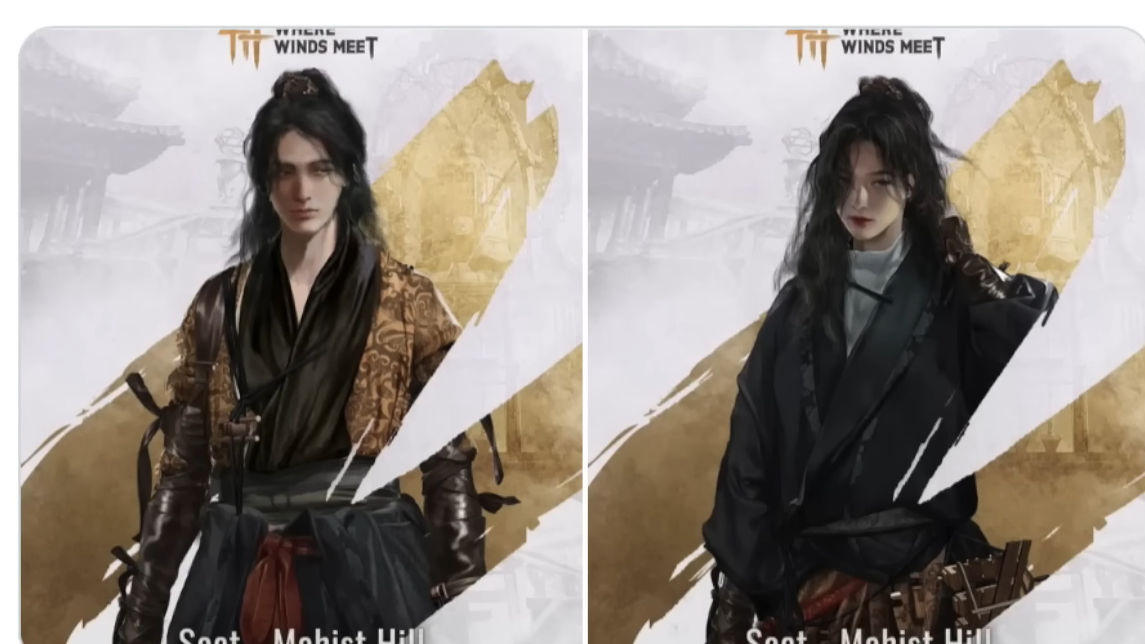
What is officially known about the Masked Troupe
Within the game’s own data, the Masked Troupe is listed as a sect but its concrete systems are still largely marked as “to be confirmed.” Martial arts and weapons are not yet specified in the usual reference lists. Likewise, its formal rules table is present but empty.
The entry clue summarises how it currently appears in the world: Masked Troupe disciples “roam unpredictably,” with the implication that they will continue to surface in later Jianghu adventures. That matches how players encounter them now — as scattered NPCs and quest hooks rather than as a fully joinable faction.
Practical consequences are straightforward:
- The sect exists in the world and lore.
- Its disciples and leaders can be met and befriended.
- The usual sect-specific martial art, weapon, and precept structures are not yet exposed in full.
Key NPCs: Hu Changyi and Gongsu Da Niang
The Masked Troupe is tied closely to the Liyuan Troupe and two major figures: Hu Changyi and Gongsu Da Niang.
| NPC | Role | Known traits |
|---|---|---|
| Hu Changyi | Current Troupe Master | Free-spirited, avoids worldly conflict, pushes disciples into seclusion and simplicity. |
| Gongsu Da Niang | Second Troupe Master | Legendary dancer with bladed weapons, led the troupe into seclusion after the An Lushan Rebellion. |
Hu Changyi
Hu Changyi is presented as the current leader of the Liyuan Troupe. His core tenets are “Seek Truth in Freedom” and “Seek Abundance in Simplicity.” He pushes the troupe to live away from mortal affairs, preserving their innocence and focus on art.
His backstory hints at royal blood and an earlier life entangled in power struggles. That rumored origin explains his rejection of secular politics and his insistence that disciples not be pulled back into court intrigue or conventional Jianghu feuds.
In practical terms, Hu Changyi’s philosophy explains why the Masked Troupe is framed as a wanderer sect that deliberately avoids the usual cycle of vendettas and sect rivalries. It also supports the idea that any future rules will likely reward a “pure” lifestyle: minimal crime, minimal scandal, and a focus on performance and personal cultivation.

Gongsu Da Niang
Gongsu Da Niang stands as the troupe’s second Troupe Master and embodies the union of performance and martial discipline. In Tang Dynasty lore she is described as the greatest dancer in the realm, famous for routines that incorporate bladed weapons.
Her shows stunned audiences and attracted large numbers of disciples. After the An Lushan Rebellion and the brutality that followed, she led the troupe into seclusion. There, under her direction, they refined a synthesis of music, dance, and martial arts.
That history sets the precedent for the Masked Troupe’s modern identity: lethal grace expressed as art first and weaponry second. Any future sect martial art is likely to follow that pattern, visually leaning into dance while functioning as a combat style when needed.
How the Masked Troupe compares to other sects
When viewed next to other sects, the Masked Troupe clearly occupies a social and lifestyle niche:
| Sect | Primary focus | Typical rules |
|---|---|---|
| Well of Heaven | Chivalry and protection using Thundercry Blade | Support the weak, limit wealth, no attacks on fellow disciples. |
| Silver Needle | Healing and support via fans | Always charge for treatment, gain weekly likes as a healer. |
| Midnight Blades | PvP and negative karma with Infernal Twinblades | Kill wanderers, avoid mercy in open-world combat. |
| Nine Mortal Ways | Pranks, disguises, street cons | Tease others for Fun Points, risk virtue loss on failure or jail. |
| Hollow Vale | Poison and healing with Soulshade Umbrella | Balance healing with poison use, no creating “living puppets.” |
| The Masked Troupe | Performance, music, and dance | Rules not yet finalized; flavor text emphasizes simplicity, originality, and liberty. |
Other lifestyle-oriented sects lean into romance, scholarship, or invention. The Masked Troupe is the dedicated performer faction in that ecosystem. Instead of asking you to brawl in PvP or farm dungeons, it is structured to reward participation in social systems and artistic mini-games once fully implemented.

Joining the Masked Troupe: what is known so far
The Masked Troupe appears in official sect lists, but the normal clue-to-quest pipeline for joining is still incomplete. Other sects clearly expose their starting clues and entry NPCs. For the Masked Troupe, the only firm information from in-game text is that its disciples wander and that players “may encounter them again in future Jianghu adventures.”
Players have found several breadcrumbs that point toward an eventual unlock:
- Encounter NPCs in Kaifeng. Some members of the troupe can be found during encounter questlines in Revelry Hall in Kaifeng, rather than in the main story.
- Affection-gated hints. Building maximum affection with at least one troupe member triggers poetic hints about three “trials” involving dance, painting in a single breath, and losing yourself in a lover’s gaze, tied to a bamboo forest and a sorrowful willow.
- Unstaffed performance locations. In Kaifeng, a boat near the Mahjong area carries a guqin and appears only in multiplayer. It has no active NPC yet but fits the idea of a performance-based initiation that might require earning likes from other players.
Community speculation also converges around a future join method that uses performance systems rather than a standard combat trial. That fits the sect’s theme and the kinds of hints disciples already deliver.
Until the developers flip the switch on its initiation quest, the most you can do is interact with troupe-affiliated NPCs, follow their encounter questlines, and watch for new sentient being activities or performance locations in regions tied to their clues.
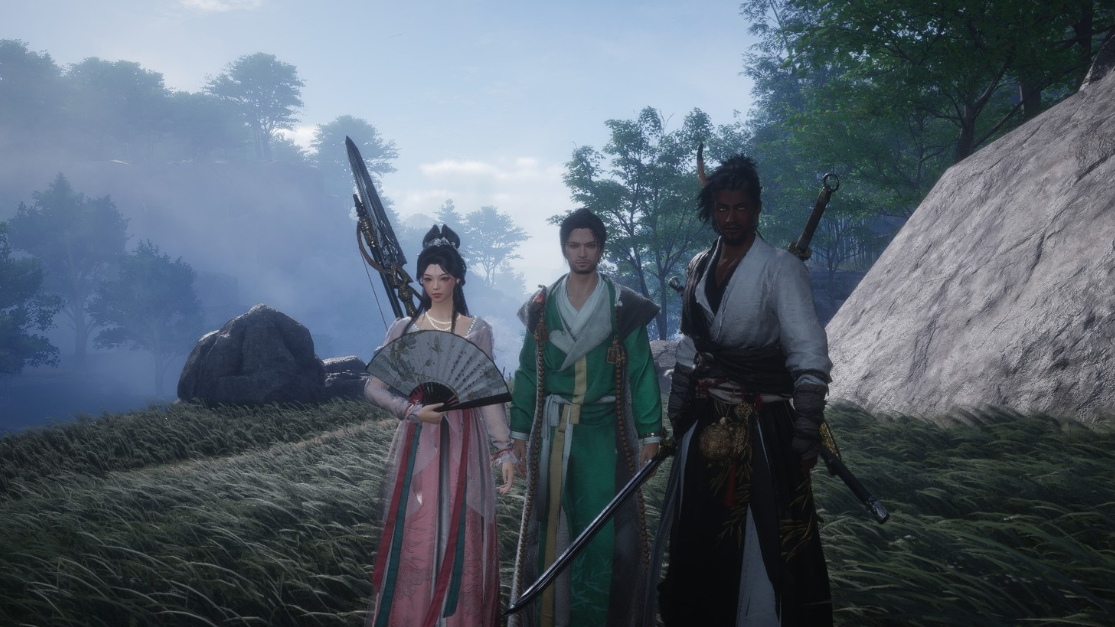
Likely playstyle and benefits of Masked Troupe membership
While concrete rule text and martial arts entries are not yet published in full, the surrounding context makes the intended playstyle reasonably clear.
Masked Troupe disciples prioritize:
- Performance over violence. Expect systems that favor musical mini-games, dance performances, and possibly painting or other creative activities rather than combat quotas.
- Clean reputation. Hints from developers and early commentary suggest bans on lovers, scandals, and crime, pushing players toward a “pure” lifestyle if they want to keep sect standing.
- Social interaction. Existing like-based mechanics elsewhere in the game (such as Silver Needle’s requirement to gain weekly likes) make it plausible that the Troupe will reward earning appreciation from other players during performances.
In line with other sects, Masked Troupe membership is likely to offer:
- Exclusive cosmetics and outfits themed around stage costumes and masks.
- Instruments and performance tools that plug into music mini-games.
- Martial arts with dance-like animations that emphasize crowd control or debuffs rather than raw DPS, once their weapon and skill set is formally exposed.
Importantly, sects in Where Winds Meet are structured so that none of them delivers a permanent raw power advantage; they define playstyle rather than meta viability. The Masked Troupe fits that pattern as a sect designed for players who care more about expression, social spaces, and roleplay than about shaving seconds off boss clears.
How to prepare if you plan to join later
While the sect’s doors remain closed, it is still possible to get ready for the day they open.
Step 1: Spend time with the game’s music and performance mini-games whenever they appear in events or encounters. Treat them as practice for future performance-based challenges.
Step 2: Keep your criminal record and “scandalous” activities low if you intend to commit to a pure lifestyle sect. That means avoiding unnecessary crimes or behavior that might later conflict with strict precepts about reputation.
Step 3: Build relationships with NPCs linked to the Liyuan Troupe and keep an eye on encounter chains in Kaifeng’s Revelry Hall, as those are the most direct narrative links to the Masked Troupe so far.
Step 4: Watch patch notes from the game’s official site for any explicit mention of new sect unlocks or performance-related systems being promoted to core content.

The Masked Troupe sits at the intersection of lore, lifestyle, and future content. It extends the idea that in Where Winds Meet, mastery of Jianghu does not always have to be written in blood; it can also be danced across the stage, played on a guqin, and lived as a quiet refusal of the world’s noise. For now, its disciples remain wanderers and rumors, but the foundations of the sect are already visible for anyone willing to slow down and watch the performance.