

The Outer Worlds 2 includes optional character Flaws—small, permanent tradeoffs that add a twist to your build. One of them, “Consumerism,” appears with the tongue-in-cheek banner “The Earth Directorate found a flaw in you!” and the prompt text: “You’re the reason our marketing works. Promotions and sales have riddled your brain, and you’re more interested in buying the next big thing than financial planning.”
In practical terms, Consumerism tweaks the economy around your character. It is not a cosmetic gag; once you accept it, the modifier stays with your save.
How you get it (and why it’s optional)
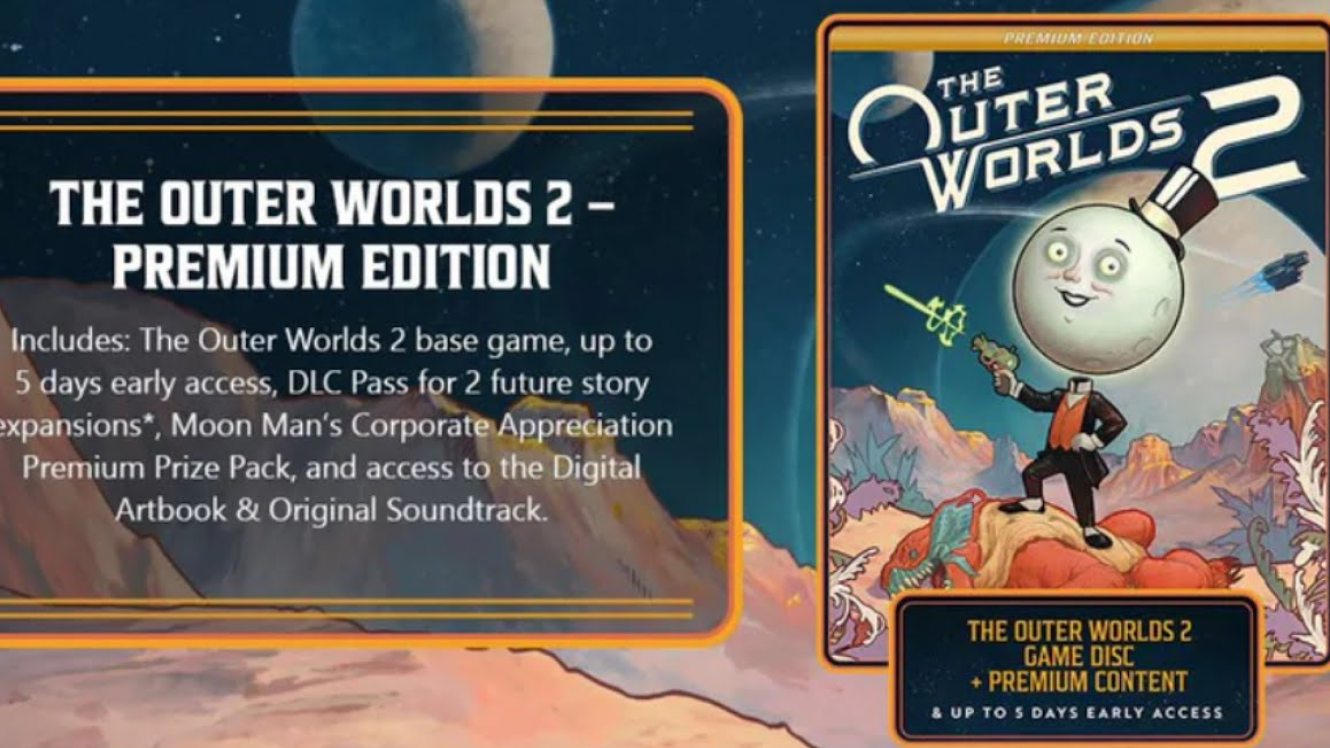
Consumerism is offered to players who purchased the $99.99 Premium Edition, which includes early access ahead of the October 29 launch window and additional bonuses. The game presents the flaw as a choice when you play; you can accept it or decline it. If you take it, the decision is permanent for that character. If you don’t, you can proceed as normal without the modifier.
That “opt-in” design mirrors how other Flaws work in the series: they’re there to add a role‑play hook and a mechanical nudge, not to lock off content.
What Consumerism does (numbers, permanence, impact)
| Property | Consumerism effect |
|---|---|
| Trigger | Offered to Premium Edition players as an optional Flaw |
| Buy prices at vendors | -15% (you pay less for items) |
| Sell value to vendors | -10% (vendors pay you less for your loot) |
| Permanence | Irreversible once selected |
| Dialogue | Surfaces some satirical, on‑theme dialogue options tied to the flaw |
| Who sees the prompt | Players with the Premium Edition |
On paper, that’s a straight trade: better purchasing power in exchange for weaker resale value. Whether it’s a net positive depends on how you play.
Is it worth taking?
Consumerism feels good during early progression when you’re buying more than you sell—ammo, healing, and incremental gear upgrades come cheaper, which stretches your credits when they matter most. If your loop leans on frequent vendor purchases and you offload mostly junk, the 15% discount will usually outpace the 10% hit on sales.
If you habitually bankroll your build by hauling and selling high‑value loot, the reduced sell prices sting more. Players who minimize vendor purchases or who craft and scavenge their way through upgrades get less value from the discount and more downside from the weakened resale.
In short:
- Buyer‑heavy playstyles benefit the most.
- Sellers and hoarders feel the cost more often.
- It’s a modest economy nudge, not a difficulty spike.
How it fits the series’ satire
The Outer Worlds has long skewered corporate culture and consumer behavior; tying a permanent “Consumerism” tag to a premium purchase is a very on‑brand nudge-and-wink. It’s both a joke at your expense and a small, mechanical rebalancing that plays into the game’s broader theme: convenience and novelty usually come with a cost, even if the cost is subtle.
It also sits alongside more traditional behavior‑driven flaws—like thieving habits changing how vendors treat you—to reinforce the series’ core idea that your choices, not just your stats, shape the experience.
Common questions
Can you remove Consumerism after selecting it?
No. Like other Flaws, once you accept it, it’s permanently attached to that character.
Does it gate story content?
No. It’s a flavor and economy modifier. Core missions and outcomes remain available.
Do Standard Edition players get the prompt?
Consumerism is presented to Premium Edition buyers. Other flaws in the game are earned by how you play rather than what you bought.
Practical advice if you take it
- Front‑load key purchases while the discount matters most, especially early gear steps that unlock new build options.
- Hold back on bulk selling until you truly need the credits; prioritize vendoring low‑value, high‑weight items where the -10% hit is negligible.
- Lean into the role‑play. The flaw’s writing and optional lines are built to be noticed; let it color your choices without worrying about missing major content.
The Consumerism flaw is a small, pointed design choice: an optional, permanent modifier with clear numbers, a bit of satire, and just enough impact to change how you shop and sell. If you’re the kind of player who buys more than you flip, take the discount and enjoy the bit. If you hate giving up margin on your loot piles, skip it—there’s plenty of game left to play without it.