

Corrupted Tools represent some of the strongest equipment available in 99 Nights in the Forest, introduced alongside the Hard Mode and Corruption System updates on January 31, 2026. These items deliver significantly better stats than standard gear, but using them means constantly managing corruption buildup throughout your run. The trade-off creates a high-risk, high-reward dynamic that fundamentally changes how you approach survival.
Quick answer: Corrupted Tools are exclusive to Hard Mode. Activate Hard Mode by pulling your username lever in the Research Outpost basement before Day 3 ends, then locate and open Corrupted Chests that spawn across the map.
Activating Hard Mode
Hard Mode does not begin automatically. You must trigger it manually during the early days of a run. Start by gathering wood from Day 1 to upgrade your campsite to Level 2, which unlocks access to the Research Outpost near your base.
Step 1: Chop trees and collect enough wood to upgrade your campsite to Level 2. This is your first priority on Day 1.
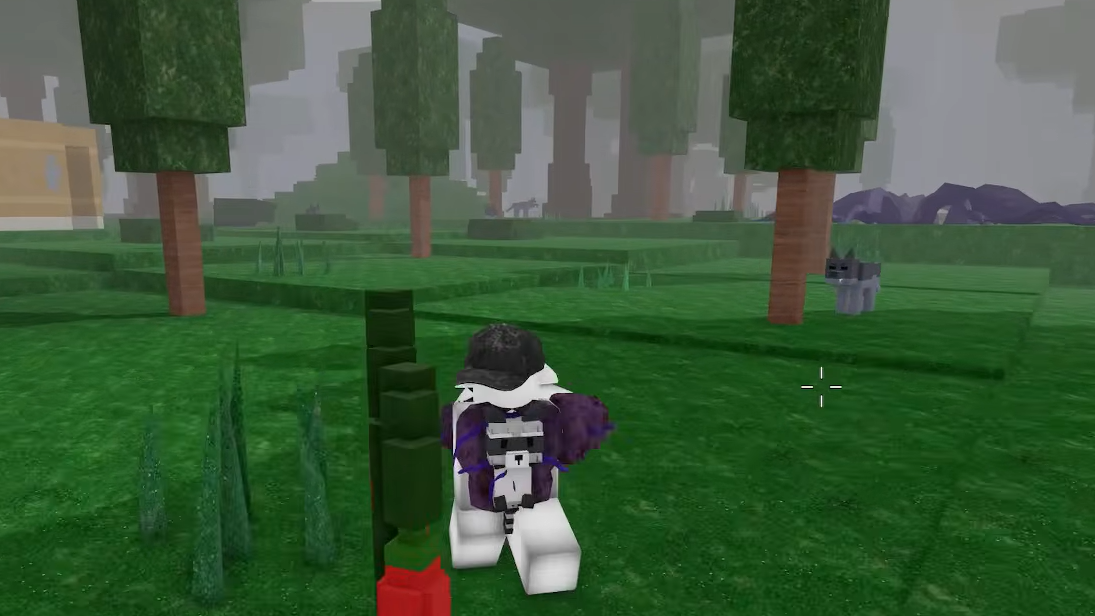
Step 2: Head to the Research Outpost once your campsite reaches Level 2. Enter the basement through the vault doors.
Step 3: Inside the basement, locate the wall with multiple levers, each labeled with different Roblox usernames. Find the lever with your username on it and pull it before Day 3 begins.
When Day 3 starts, a cutscene plays confirming that Hard Mode and the Corruption System are now active across the entire map. Missing this window means you cannot access Corrupted Tools during that run.
Finding Corrupted Chests
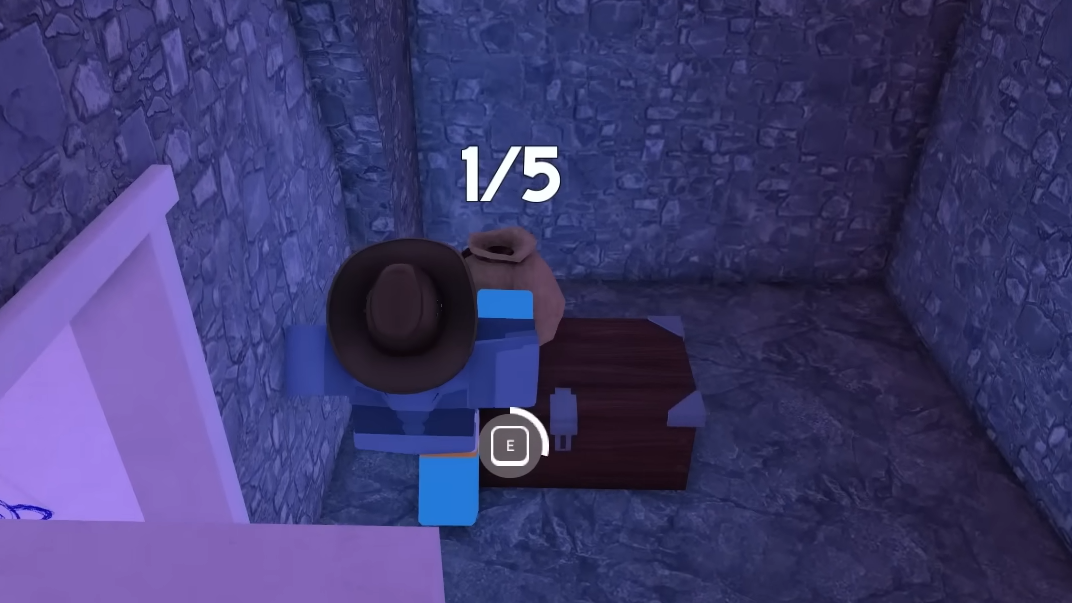
Once Hard Mode activates, Corrupted Chests begin spawning randomly throughout the expanded map. These chests are the only source of Corrupted Tools and are visually distinct: large, rusted containers floating midair and wrapped in purple roots.
Corrupted Chests typically appear in areas affected by corruption, often near Rifts, mutated trees, and corrupted animals. Clearing corruption-related threats in an area makes it safer to approach and open these chests. Each chest can only be opened once per run, so thorough exploration is essential for collecting multiple Corrupted Tools.
Upgrading your campsite beyond Level 2 expands your accessible territory, increasing the chances of finding chests. Crafting a map and placing it at your base helps track the forest more efficiently and mark chest locations as you explore.
All Corrupted Tools
| Item | Type | Function |
|---|---|---|
| Corrupted Axe | Tool | Extremely high tree damage, ideal for clearing corrupted trees quickly around rifts |
| Corrupted Thrown Axe | Weapon | Unlimited-throw ranged weapon with powerful burst damage |
| Corrupted Revolver | Weapon | High-damage firearm effective against corrupted animals and cultists (requires ammo) |
| Corrupted Shotgun | Weapon | Burst close-range damage, particularly useful in rift zones |
| Corrupted Armour | Armor | Increases survivability but accelerates corruption buildup while worn |
Each Corrupted Tool features a distinctive purple-root aesthetic that sets it apart from standard equipment. The Corrupted Axe excels at clearing corrupted trees, while the weapons provide significant combat advantages against the tougher enemies that spawn during Hard Mode.
Managing Corruption and Rifts
Corruption spreads through Rifts, which appear as glowing purple cracks surrounded by corrupted trees and animals. These rifts are the primary source of corruption escalation and require immediate attention.
To cleanse a rift, destroy all corrupted trees in the surrounding area and eliminate every corrupted animal nearby. As the rift weakens, its purple glow fades, and the global corruption level decreases. Ignoring rifts causes severe debuff,s including faster hunger drain, food rot spores, stronger cultist waves, and reduced passive healing.
The Research Monitor Blueprint, found in Research Outpost chests, is essential for tracking active rifts, your current corruption level, and active debuffs directly from your base. This tool helps prioritize which threats to address first and prevents corruption from spiraling out of control.
Verification and common issues
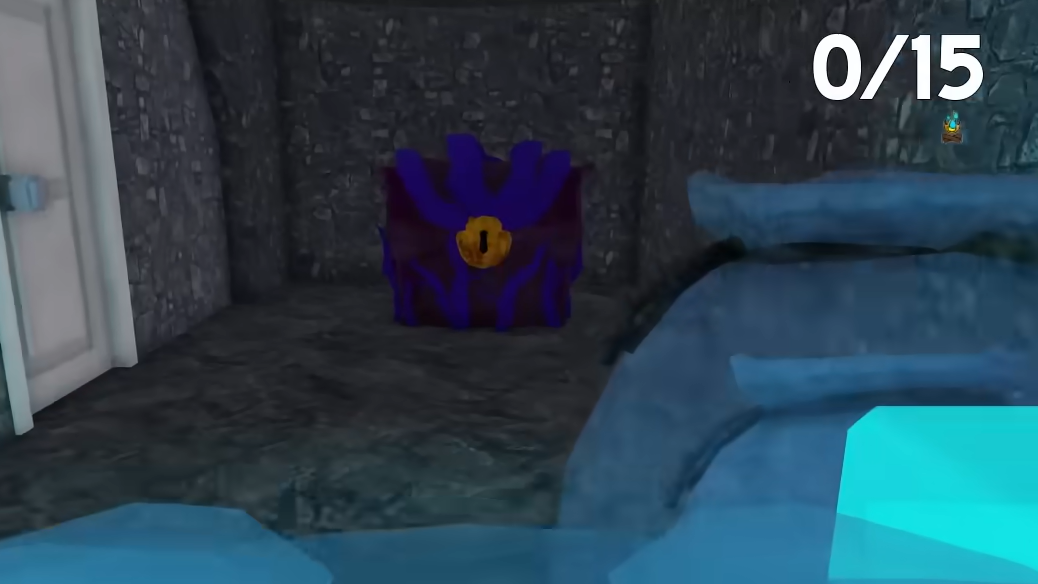
You know Hard Mode activated successfully when the Day 3 cutscene plays and the Corruption System becomes visible across the map. Rifts will begin appearing, and Corrupted Chests will start spawning in affected areas.
If Corrupted Chests are not appearing, confirm that you pulled your username lever before Day 3 began. The activation window is strict, and missing it locks you out of Hard Mode for that run. Additionally, ensure your campsite is upgraded enough to access the areas where chests spawn.
Corrupted Tools cannot be used in normal mode. They only appear after Hard Mode activation, and the Corruption System must be active for them to function. There is no way to transfer these items to a non-Hard Mode run.
Corrupted Tools fundamentally change the survival strategy in 99 Nights in the Forest. The power they provide is substantial, but the corruption management requirement means you cannot simply equip them and ignore the consequences. Clearing rifts, monitoring your corruption level, and knowing when to push deeper into dangerous territory versus when to retreat are all part of mastering Hard Mode. The Research Monitor Blueprint and a well-upgraded campsite make the difference between controlled power and an overwhelming corruption spiral.