

Knockout is a new game mode arriving in Valorant that fuses the speed of Team Deathmatch with elimination-style stakes. The central hook is straightforward: every time you kill an enemy, one of your dead teammates respawns. Rounds swing wildly as a result, and the first team to win four rounds takes the match.
Quick answer: Knockout launches on March 18, 2026, as part of the Season 2026 Act 2 update alongside the new agent Miks. Matches run 8 to 15 minutes, and the mode is played on existing TDM maps.
How the Kill-to-Revive System Works
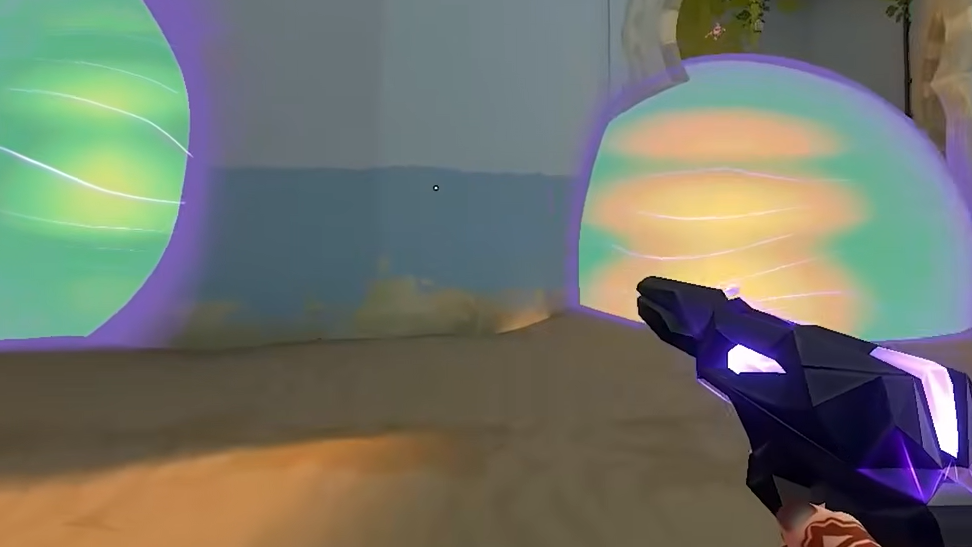
The entire mode revolves around a single loop. When a teammate falls, your team needs to secure a kill on the opposing side to bring that player back. The revived teammate respawns immediately, which means the player count on each side is constantly in flux. A team down 1v5 can chain two quick eliminations, pull two allies back into the fight, and suddenly face a 3v3. No death is permanent until the round actually ends.
This creates a rhythm that rewards aggressive trading. Staying alive matters, but so does converting kills quickly when you have the numbers advantage. Passive play lets the other team stabilize and revive their own players, so there is real mechanical pressure to keep pushing.
Pre-Round Setup and Barriers
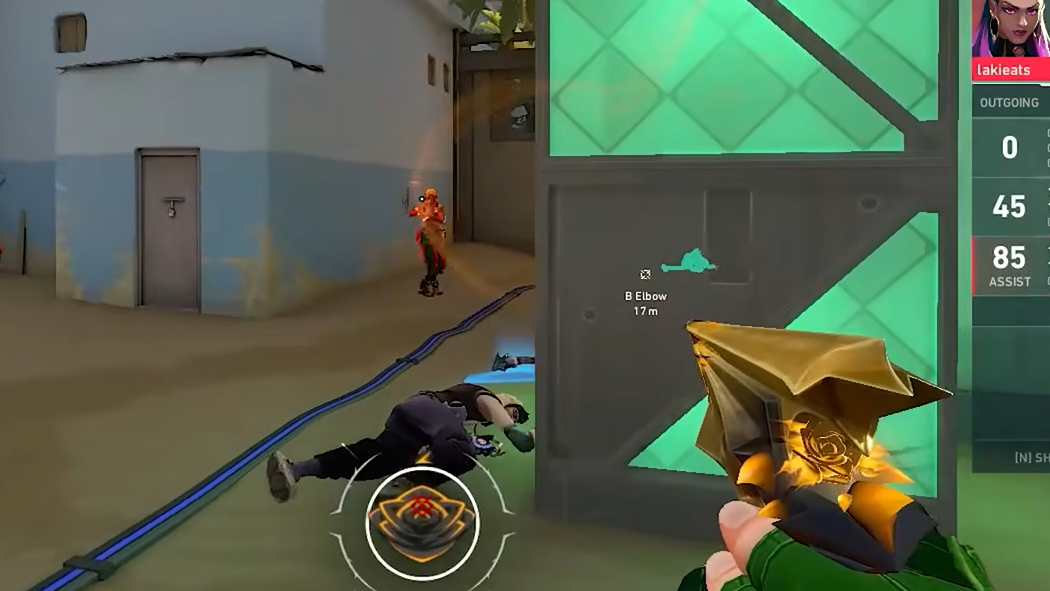
Each round starts with both teams in separate spawn rooms, divided by barriers. During this brief window you pick your loadout and coordinate a plan with your squad. There is no economy system — loadouts are standardized, removing the buy-phase strategy that defines Competitive and Unrated. Once the barriers drop, the round begins immediately.
The Center Wall and Territory Control
Every Knockout map has a center-line wall that splits the playing field in half. After barriers drop, both teams push toward this dividing structure. Crossing the wall solo triggers an alert for the enemy team, making lone flanks extremely risky. Coordinated pushes with smokes, flashes, and other utility are far more effective for gaining ground.
Territory shifts through orb captures. Orbs spawn on the map, and collecting them pushes the center wall toward the enemy's side. This compresses their available space while expanding yours, giving your team better angles and positioning. Controlling orbs is not optional — the team that ignores them will find itself boxed into tighter and tighter corridors as the round progresses.
| Mechanic | Effect |
|---|---|
| Kill an enemy | One fallen teammate respawns instantly |
| Capture an orb | Center wall shifts toward the enemy, expanding your territory |
| Cross the center wall solo | Enemy team receives an alert |
| Full team wipe | Round ends in favor of the surviving team |
| Timer expires | Overtime mechanic forces a resolution |
Round and Match Structure
A round ends one of two ways. Either one team completely eliminates the other, or the timer runs out, and an overtime mechanic kicks in to force a result. The first team to win four rounds wins the match. Because of the revive loop, rounds tend to stretch longer than a typical elimination format — momentum can flip multiple times before a decisive wipe happens.
Match length sits between 8 and 15 minutes in most cases, making Knockout one of the faster team-based options in Valorant's playlist. It slots neatly between the commitment of a full Competitive match and the looseness of Deathmatch.
Agent Selection and Strategy
All agents are available in Knockout, and the mode does not restrict roster choices. That said, the format heavily favors agents who enable coordinated pushes. Controllers like Brimstone and Omen can smoke crossings and deny sightlines at the center wall. Initiators with flashes help teammates push across safely. Support-oriented agents like Miks and Gekko bring additional value through utility that keeps the team alive or creates openings.
Sentinels and Controllers who specialize in area denial gain outsized importance here. Since eliminated players only return when a teammate secures a kill, locking down space and forcing the enemy into unfavorable trades is a strong strategic approach. Pure fraggers still matter, but the mode structurally rewards players who enable their team over those who hunt solo picks.
Who Knockout Is Designed For
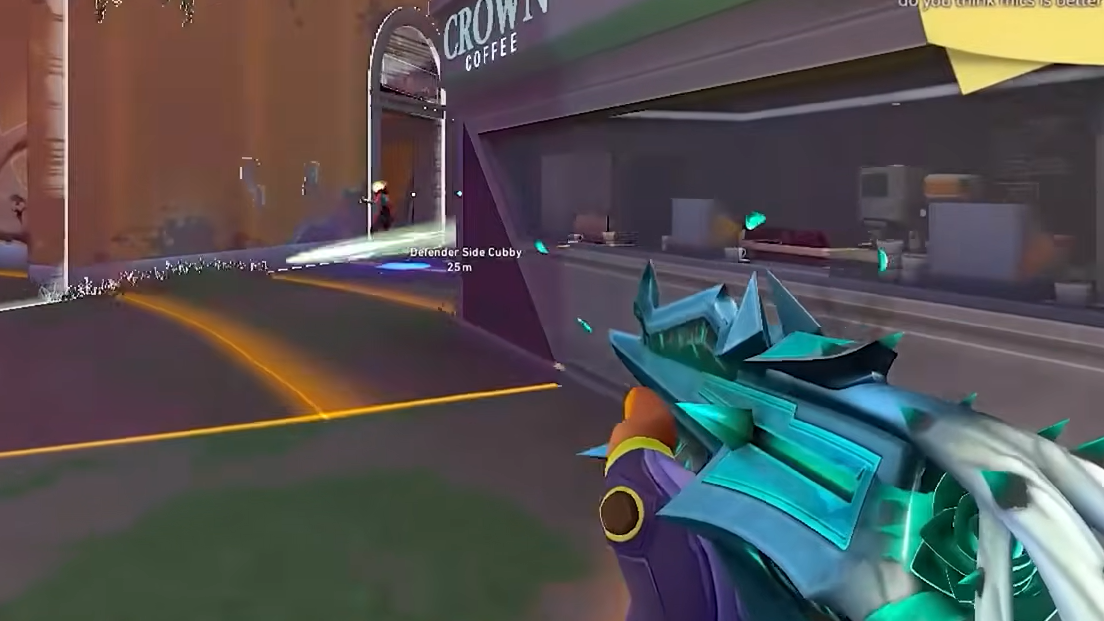
Knockout fills a gap between Valorant's casual and competitive offerings. Newer players get rapid exposure to trading and team coordination without the complexity of spike plants and economy management. Experienced players get a sandbox for practicing aggressive plays and clutch scenarios under real pressure. Groups with limited time get a structured, collaboration-heavy session that wraps up quickly.
Knockout goes live on March 18, 2026, bundled with the Season 2026 Act 2 patch, the new agent Miks, and an updated map rotation. If you want to get a head start on learning the maps, they are the same ones used in Team Deathmatch — so queuing up a few TDM rounds beforehand is a practical way to familiarize yourself with spawns and sightlines before the mode drops.