

The catalyst resource in Voidtrain quietly becomes one of the biggest friction points in the late game. You suddenly need it for higher-tier building and upgrades, but you can’t scoop it out of the Void like scrap or wood, and it doesn’t appear in the general materials list alongside iron bars or samples. That mismatch between demand and visibility is why so many players hit a wall.
In practice, Catalyst behaves more like a rare, structured-drop material than a normal resource node. You get it from specific combat and depot interactions, and the game leans heavily on random loot tables instead of a dedicated crafting chain or a recycler recipe.
Voidtrain catalyst: what it is and why it’s a roadblock
Catalyst sits firmly in the late-game tier of Voidtrain’s material ladder. You won’t see it while you are still fiddling with Smelter I and basic train platforms. It comes into focus after you have already unlocked a lot of research and started building more advanced systems, at roughly the same stage where other high-end components and samples become routine.
The catch: unlike most materials documented on the in-game side or on general lists of Materials (scrap, metals, organics, samples, silicon, batteries, etc.), catalyst is not exposed with a neat “Source: Void / Depots / Trading Machine” entry. Instead, you only encounter it as a rare output from a handful of activities. That’s also why it feels more like a gate than a normal resource—progression keeps asking for a material the world never clearly teaches you to farm.
Players who push research and crafting aggressively feel that spike the hardest. You can roll smoothly through earlier tiers, stockpiling steel, brass, sturdy parts, and samples, then hit a single missing ingredient that freezes all the interesting blueprints until you grind out enough rolls on its drop table.

Voidtrain catalyst: all known sources
At the time reflected by the current release, Catalyst comes from a very small set of systems. There is no indication that you can harvest it from the open Void, flora, or general fauna, and it does not have a recycler recipe or a basic crafting chain.
| Catalyst source | How it drops | Notes on reliability |
|---|---|---|
| Soldiers | Occasional loot drop after combat encounters | Low individual chance; feels very streaky run to run |
| Regular chests in depots | Random loot from opening standard depot chests | RNG-gated; more depots cleared means more attempts |
| Pedestal chest events in depots | Rewards for placing a chest on the depot pedestal | Acts as a bonus roll on a higher-value loot table |
| Vendor trading machines | Purchasable when it appears in the rotating offer | Stock is random; treat as a chance to convert surplus materials into catalyst |
Notice what’s missing:
- No direct harvesting in the Void (unlike scrap, wood, zinc lumps, silicon lumps, or samples).
- No crafting path via smelters, workbenches, labs, kitchens, or toilets.
- No recycler conversion path from any existing “lump” or component.
That pattern explains why Catalyst suddenly feels like Acid used to feel before it was removed from the general Materials list and from the game: it’s attached to a small number of activities and becomes a bottleneck as soon as late-game recipes stack their requirements.
Voidtrain catalyst farming from soldiers
Soldiers are the only clearly stated organic drop source for Catalyst. Any combat encounter that pits you against regular armed enemies has a chance to pay out, but the rate is low enough that relying on random fights while drifting through the Void is inefficient.
To make soldier drops matter, you need to lean into repeatable, soldier-heavy content:
- Prioritize routes and events that reliably spawn soldier combat rather than sharks or other fauna.
- Clear entire groups instead of skipping or kiting past them; every soldier is another roll on the loot table.
- Use your existing weapon upgrades (crafted earlier in the run) to clear engagements quickly rather than dragging fights out; time spent per attempt is what matters when the drop chance is low.
Even with a structured approach, soldier farming alone will feel inconsistent. Runs with multiple catalyst drops can be followed by long dry streaks where nothing useful appears. Treat it as background income that you supplement with depot and vendor strategies, not as your sole method.
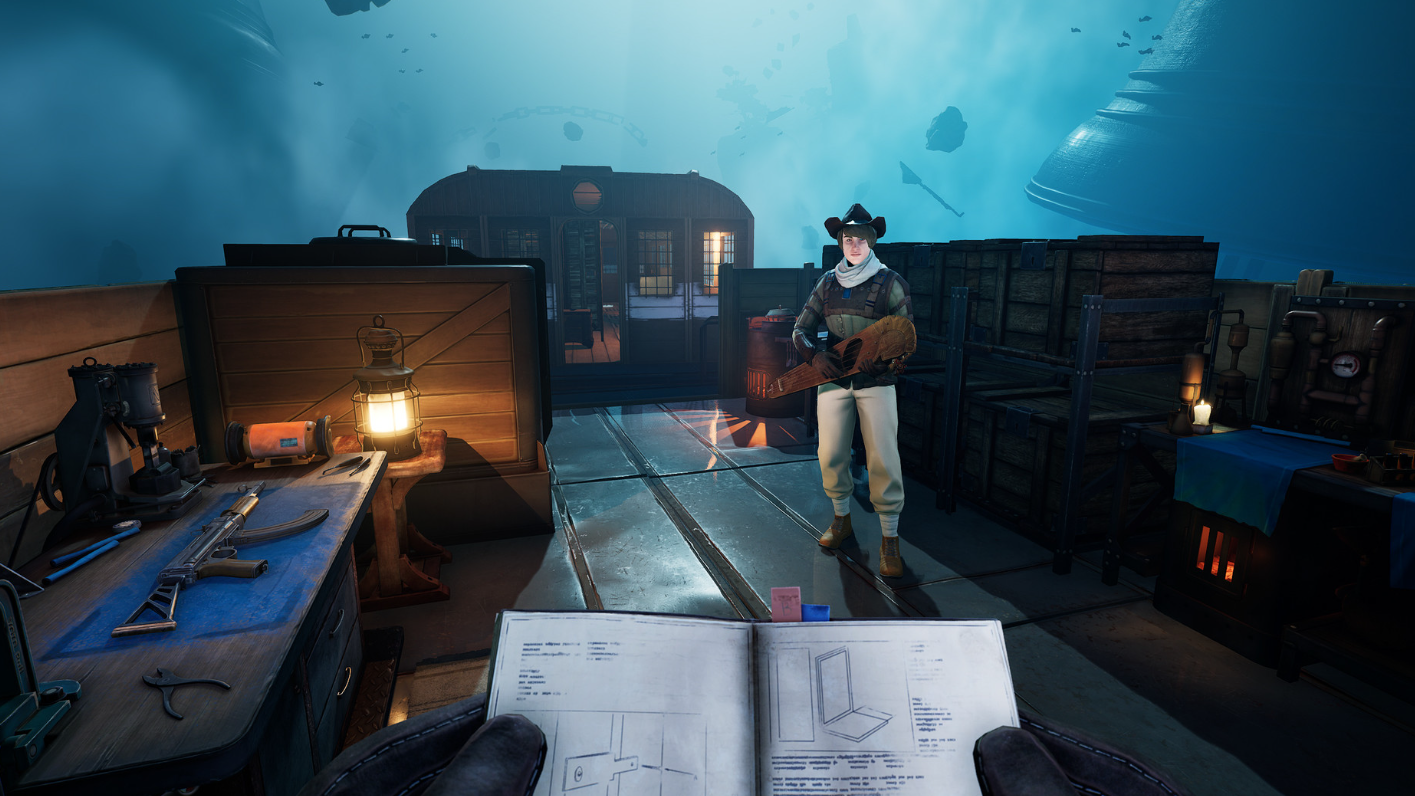
Voidtrain catalyst in depots and pedestal chests
Depots are far more important for Catalyst than the game initially signals. While most players think of depots as puzzle locations and general loot spots for scrap, wood, metals, and the usual depot chest contents, they also serve as one of the few structured ways to roll for catalyst.
Catalyst can appear in:
- Standard depot chests you open while exploring.
- Reward chests linked to the depot pedestal mechanic, where you place a chest on the pedestal and receive a new one with upgraded loot.
Both chest types use random loot tables, but pedestal interactions effectively give you an extra “premium” roll, which makes every depot more than just a one-and-done visit. If you are starved for catalyst, depots become your main route currency: each depot cleared, and each pedestal chest cycled, is one of the few reliable levers you can pull.
That design also ties directly into the feeling of a sudden wall. The game’s wider materials list shows that many resources have a broad set of sources—Void, depots, outposts, abandoned trains, trading machines, labs, smelters, recyclers, and so on. Catalyst, in contrast, is tied to depots and combat, so slowing down to clear every depot becomes mandatory once late-game blueprints appear.
Voidtrain catalyst from vendor trading machines
Trading machines are the only non-combat, non-chest way to acquire catalyst. They behave like vendors with rotating stock that already covers a wide range of materials throughout the game: scrap metal, basic crafted parts, higher-tier bars, sealant, rubber, samples, and more.
When Catalyst appears in a trading machine’s offer list, it’s effectively a way to turn an abundance of easier resources into a scarce one. This matters because so many other materials are available from multiple sources:
- Scrap and wood from the Void, depots, outposts, abandoned trains, Rofleemo, and slot machines.
- Metals and bars from smelters, depots, chests, abandoned trains, and trading machines.
- Mid-tier components like sturdy wood, sturdy leather, dampers, and brass parts from Workbench II and trading machines.
All of those can pile up as you explore and craft, and trading machines give you a way to offload that surplus when a rare item like Catalyst shows up.
Two practical implications follow:
- You need to check every trading machine you encounter once you are in catalyst territory; skipping a vendor might mean missing the cleanest conversion route you have.
- Hoarding a variety of common resources pays off, because any of them might be the currency you need when Catalyst finally appears on the shelf.
Why Voidtrain catalyst feels so scarce
The frustration around catalyst isn’t just about its drop rate; it’s about how it contrasts with every other tier of the resource economy.
| Resource tier | Examples | Typical sources | Player experience |
|---|---|---|---|
| Basic | Scrap, wood, chemicals, organics | Void, depots, strange chests, trading machines | Always available, easy to stockpile passively |
| Mid-tier crafted | Gears, bolts, springs, basic pipes and wires | Workbench I/II, trading machines | Only gated by basic inputs and bench time |
| Advanced refined | Steel bars, brass bars, sturdy parts, sealant, rubber | Smelter II, Lab II, trading machines | Requires tech progression but then scales smoothly |
| Late-game rare | Catalyst | Soldiers, depot chests, pedestal chests, trading machines | RNG-heavy, tied to fewer activities, feels like a hard cap |
Earlier late-game resources like Inhibitor, Blue Sample, and Red Sample already accustomed players to a model where high-value items still come from multiple places: Void, depots, strange chests, abandoned trains, trading machines, and outposts. Catalyst breaks that pattern by quietly removing Void and most open-world sources from the equation, while also skipping dedicated crafting.
The result is a hard pivot from “slow but steady” progression to “roll the dice until the right box drops,” which is why many players describe it as a sudden crafting roadblock rather than a natural step up in complexity.
How to structure your late-game around catalyst
Given those constraints, efficient catalyst farming means adjusting your route choices and priorities instead of hoping it shows up during normal play. The goal is to maximize how often you touch the systems that can roll Catalyst without wasting time on activities that cannot.
- Advance along the track instead of looping aimlessly. Progressing opens up more depots and outposts, which inherently increases your chest and trading machine exposure. Staying in one region, even if you’re researching heavily, just means fewer depot cycles.
- Never skip a depot once Catalyst becomes relevant. Each depot is a cluster of chances: multiple chests plus any pedestal interactions. Even if you feel overleveled for the loot otherwise, the depot is one of the few reliable catalysts for catalyst.
- Engage soldier content deliberately. When route choices or events offer soldier combat versus other threats, lean toward soldiers. You’re effectively choosing extra loot rolls.
- Hit every trading machine and treat catalyst as a top-priority purchase. If it appears at all, buy it, even if that means burning through stockpiled metals or components you feel attached to.
Voidtrain’s late game leans harder on curated loot systems than its earlier hours suggest, and Catalyst is where that shift becomes impossible to ignore. You are no longer just skimming the Void and feeding smelters; you are planning your route around depots, soldiers, and vendors. Once you recognize that, the resource stops feeling mysterious and starts looking like what it is: a rare drop that only pays out when you keep rolling the right dice.