

Antiques in Where Winds Meet look like random blue items cluttering the bottom of the bag, but they quietly sit at the center of one of the game’s longest progression threads. They track exploration, unlock lore, and eventually turn into rare cosmetics through an item called Concealed Edge.
If you’ve been recycling them for space or staring at the Karma Incense text without a clue what to do next, here is how the system actually fits together.
What antiques are and how to spot them
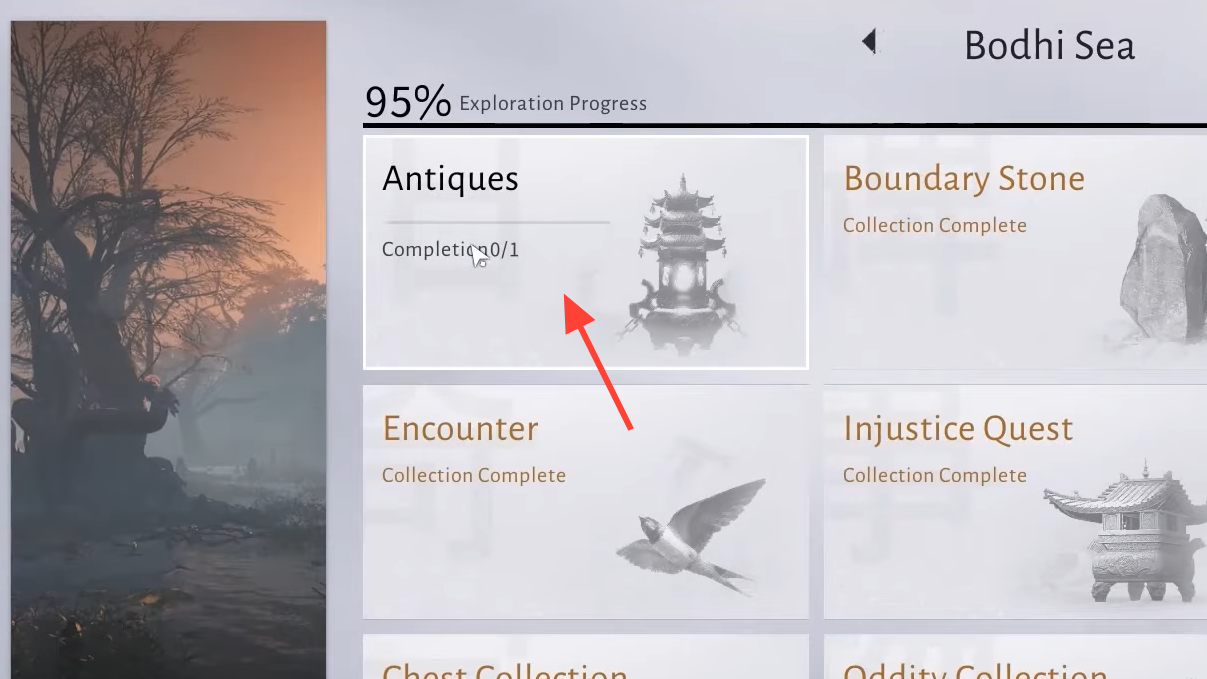
Antiques are unique items tied to specific sub‑regions of Qinghe. They’re tracked in the regional “Antiques” section of the Journal and in your inventory under the Traceable filter.
They can be almost anything: armor pieces, weapons, letters, trinkets like handkerchiefs, or jewelry. A lot of them are equippable as normal gear before you fully uncover their past.
- They usually come with a long flavor description that hints at a story or a former owner.
- They are not marked on the world map; you find them by exploring, looting chests, finishing side quests, and reading documents.
- An item can sit in your bag for hours before it “activates” as an Antique — it only counts once you complete its story clue.
Because some antiques exist as ordinary drops first and only become “Traceable” later, it’s easy to miss that you already have the item a clue is talking about. Whenever something gets a detailed description or compendium entry, treat it as suspicious and avoid scrapping it until you’re sure it is not antique‑related.
What antiques are used for
Antiques have three roles:
- Lore: each Antique has “Traces of the Past” you unlock by following its clues and talking to the right NPCs.
- Exploration completion: every Qinghe sub‑region lists how many antiques it expects; finding and activating them fills out that part of the Journal and grants exploration EXP.
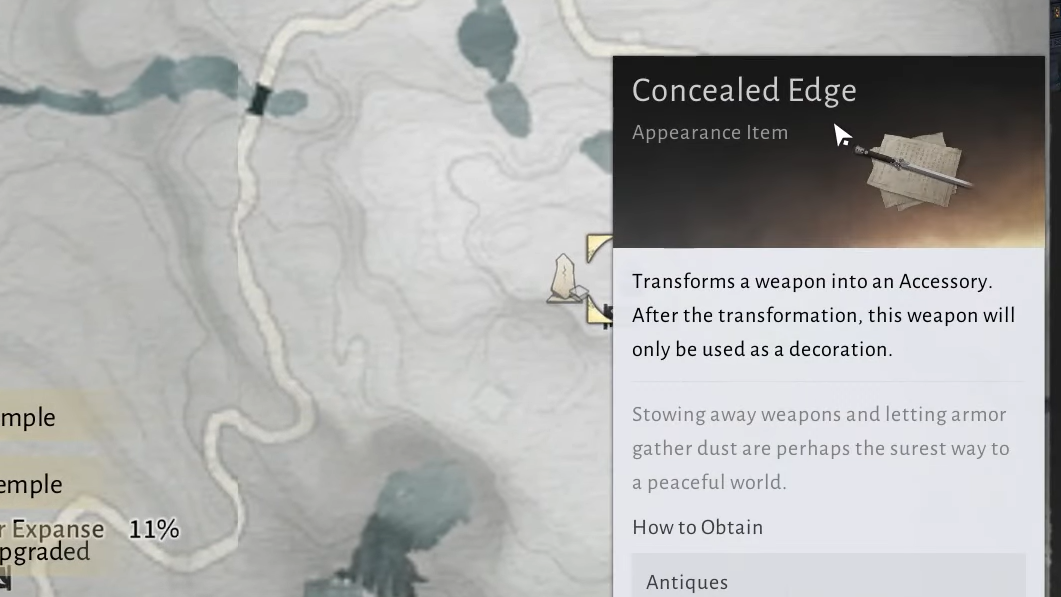
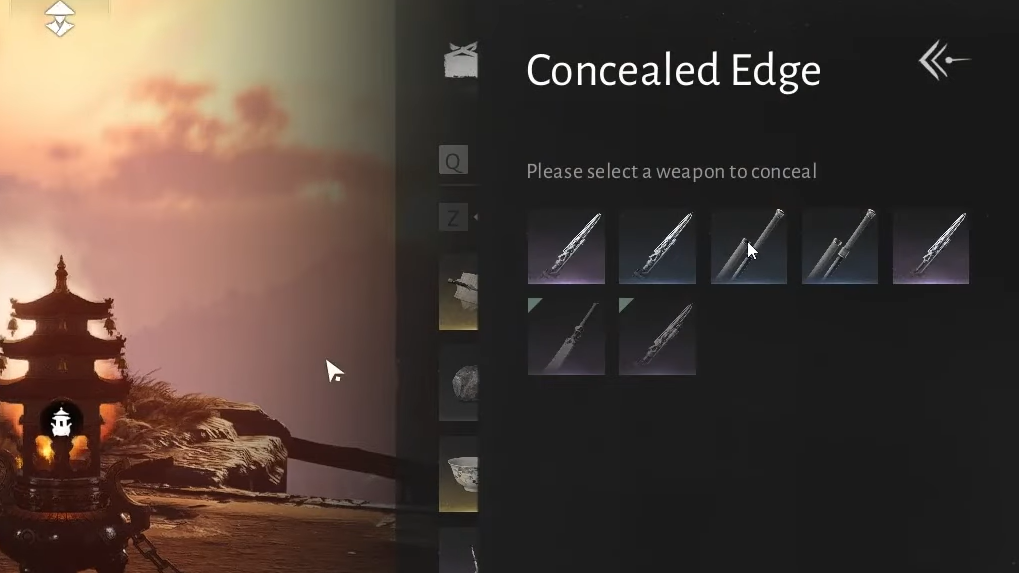
- Cosmetics: finishing all antiques in a major region rewards a Concealed Edge, which converts certain weapons into permanent backpiece accessories (for example, extra swords or spears on your character’s back).
Nothing in the antique system is time‑limited. You can complete stories and collections at your own pace, and even antiques you’ve deleted can be restored later at Halo Peak.
How to activate antiques and complete their stories
Picking up the item is only the first half of an Antique. To actually register it for the Journal and for regional progress, you need to “uncover its past.” That typically means using the clues in its description to find a person, place, or interaction linked to the item.
Common patterns include:
- Item + NPC: a piece of armor mentions being entrusted to a monk, and talking to that monk completes the trace.
- Item + second object: a ring from a dungeon plus a letter on a nearby shelf together form the Antique.
- Quest chain: a handkerchief found in a house plus multiple investigation points and dialogue with an elder at Peace Bell Tower wrap up the story.
To see what you still need to do:
- Open your bag and filter to Traceable.
- Select an Antique to read its description and any existing Traces of the Past.
- Use those lines as location or NPC hints — they usually reference a landmark, profession, or event.
When all related interactions for that item are complete, the Antique gains all its Traces of the Past and counts toward the sub‑region’s total.
Halo Peak incense burner and Qinghe Memories
The incense burner on Halo Peak is what turns antiques from pure lore into a cosmetic system. To do anything meaningful there, you first need the Qinghe Memories item.
How to unlock the incense burner
Step 1: Raise your Qinghe Exploration level to the required tier (the game lists this reward at level 6). You gain exploration EXP from clearing points of interest, solving puzzles, fighting bosses, and completing region activities.
Step 2: Claim the Qinghe Memories reward from the exploration screen once you reach the right rank.
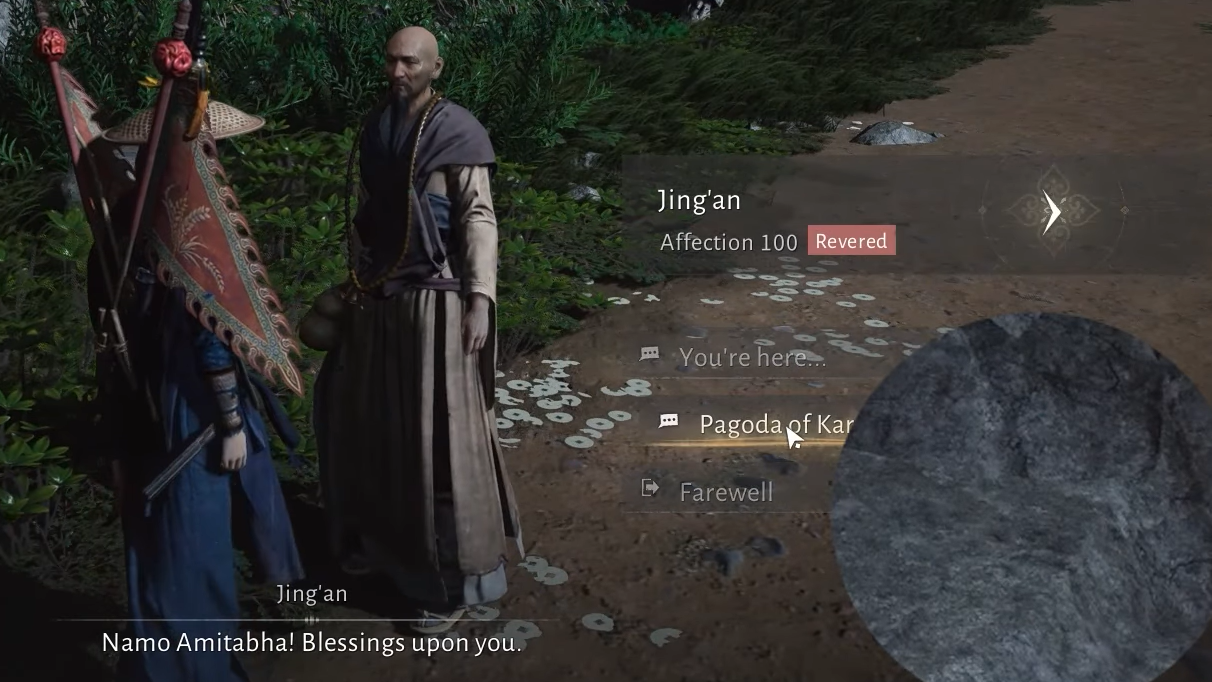
Step 3: Travel to Halo Peak and talk to Qingxuan, the monk standing beside the large incense burner.
Step 4: Give Qingxuan the Qinghe Memories item when prompted. This “feeds” the burner and permanently unlocks its interaction options.
After this, the incense burner becomes the central hub for antiques:
- “Ask about the past” (or similar wording) lets you generate a hint for an Antique you already own.
- “Reclaim memories” lets you buy back antiques you deleted or recycled for a small coin fee.
- Another menu tracks antique completion by major region, and is where you collect Concealed Edge when a region is fully done.
How Karma incense and antique clues interact
The Journal texts can make it sound like you need to pick between exploring first or waiting for Karma incense clues. In practice, the flow works like this:
- You find items organically as you explore, clear dungeons, and do quests.
- Once Qingxuan and the incense burner are active, you can spend a small coin fee to “remember the past.”
- The burner then gives you a short description for a chosen Antique: where it originated and roughly what to look for to uncover its history.
So you do not have to hoard antiques forever “for later incense.” You are expected to:
- Explore and pick things up as you go.
- Use the burner to generate clues for items sitting in your Traceable list.
- Return to older regions with those hints to finish their stories and mark the antiques as complete.
What to do if you recycled antiques
Many players instinctively recycle antiques early on, since the game does not initially explain their value. That is reversible as long as you have reached the Halo Peak incense burner.
Step 1: Unlock the incense burner with Qinghe Memories as described above.
Step 2: Speak to Qingxuan and select the option to reclaim antiques (the wording may reference “reclaim memories”).
Step 3: Pay the listed coin fee (commonly 500 coins) to make your lost antiques available again through the burner.
Step 4: Interact with the incense burner itself; antiques you previously scrapped can now be re‑obtained from there.
Once they’re back in your bag, you can safely recycle them again later if you care purely about inventory space. The system allows repeat reclamation, so nothing is permanently missable.
Finishing regional antique collections for Concealed Edge
Concealed Edge is the actual gameplay reward tied to antiques. Each one is a single‑use token that converts a compatible weapon into a permanent cosmetic accessory. Right now, the items that can be turned into backpieces are a small selection of Swords and Spears, such as the Silent Edge sword and spear used in popular “double weapon on the back” looks.
You earn Concealed Edge by finishing antiques at the region scale. Qinghe is divided into three major zones:
- Verdant Wilds
- Moonveil Mountain
- Sundara Land
When you have completed all antiques inside one of those large regions (that includes every relevant sub‑area listed under it in the Journal), return to Qingxuan at Halo Peak and use his antique dialogue. Each fully completed region grants one Concealed Edge, for a total of three from Qinghe.
The incense burner’s Journal view is useful here: it shows how many antiques each sub‑region still expects, so you can see at a glance where you are missing something.
How Concealed Edge works on weapons
Concealed Edge does not randomly create cosmetic weapons for you; it transforms a weapon you already own. There are a few strict rules around this.
- Only certain weapon types are eligible. At present that means specific Swords and Spears; other categories won’t appear in the selection list.
- The target weapon must be un‑equipped and meet the tier requirement shown when you use Concealed Edge. Players using Qinghe cosmetics typically rely on tier 31 blue‑grade weapons.
- Once transformed, that weapon is removed as gear and lives purely as a cosmetic slot. The change is permanent.
To apply Concealed Edge:
Step 1: Make sure you have at least one eligible weapon in your bag. Many players buy a tier 31 gear chest from the seasonal shop and hope it rolls a long sword or spear they like.
Step 2: Unequip the weapon if you’re currently using it.
Step 3: Open your inventory and select the Concealed Edge item.
Step 4: Use the item. The UI will highlight all compatible weapons in your bag.
Step 5: Choose the weapon you are willing to sacrifice. Confirm that you understand it will no longer act as normal gear.
Step 6: Equip the new cosmetic from your appearance menu to add an extra sword or spear to your character’s back.
You can repeat this with each Concealed Edge you earn. For example, with three Concealed Edges and a suitable main weapon, you can have multiple swords or spears layered on your back at once.
Do you still need to keep antiques after getting Concealed Edge?
Once you have finished all antiques in Verdant Wilds, Moonveil Mountain, and Sundara Land and claimed all three Concealed Edges, antiques stop having a mechanical payoff beyond lore and completion percentages.
You can safely clear them out of your bag if you are short on space:
- Regional completion and Concealed Edge rewards are permanent; selling or recycling the items later does not undo completion.
- The incense burner’s reclaim function allows you to buy them back at any time if you want to reread descriptions or confirm traces.
If you like having a tidy inventory, one pragmatic approach is:
- Keep antiques until a sub‑region shows its Antiques category as complete.
- Only then recycle the physical items from that sub‑region.
- After all three major regions are complete and all Concealed Edges claimed, treat the remaining antiques as optional collectibles.
Used this way, antiques become less of a mysterious currency sink and more of a long‑term scavenger hunt. They push you into side dungeons, odd corners of monasteries, or forgotten wells, and eventually pay out with one of the rarest cosmetic tools in the game. If you’ve been ignoring or scrapping them, Halo Peak’s incense burner is where that backlog finally turns into something tangible.