

Healing in Where Winds Meet works on two layers: the potions you craft or buy, and the number of charges your Medicine Chest can carry into a fight. To stay comfortable on higher difficulties, you need to upgrade both.
Increase healing charges with the Medicine Chest
Your limited “flask” charges come from the Medicine Chest, not from individual items. By default you can only use a very small number of heals between rests, even if you’re carrying dozens of potions in storage.
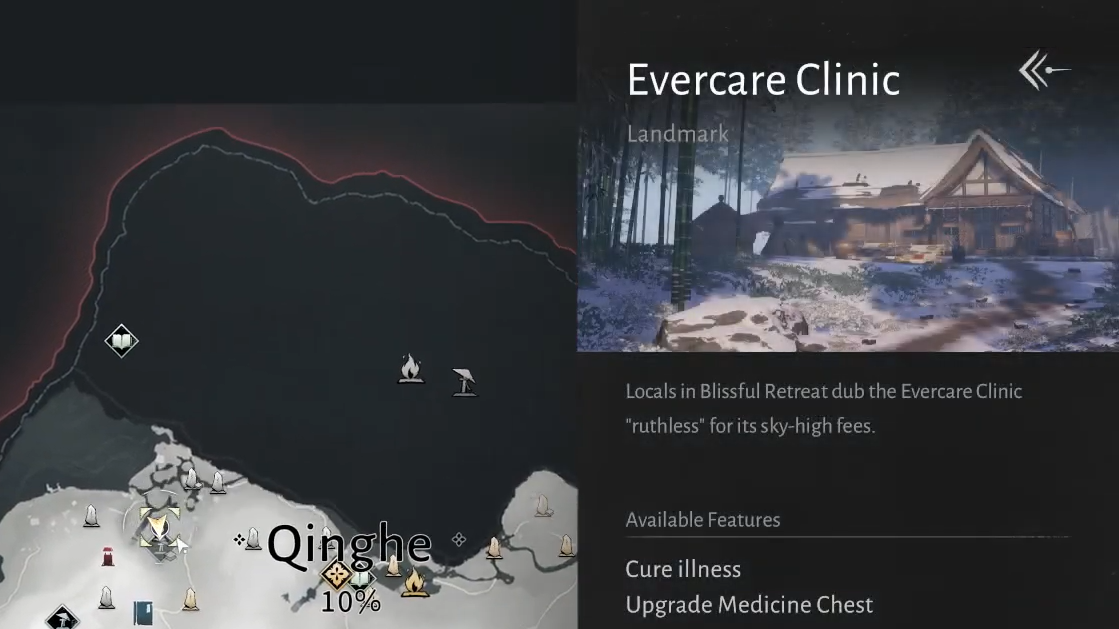
Step 1: Travel to the Evercare Clinic, south of Heaven’s Pier in Qinghe, in the Still Shore sub‑area. Inside the clinic, speak to the assistant Yaoyao.
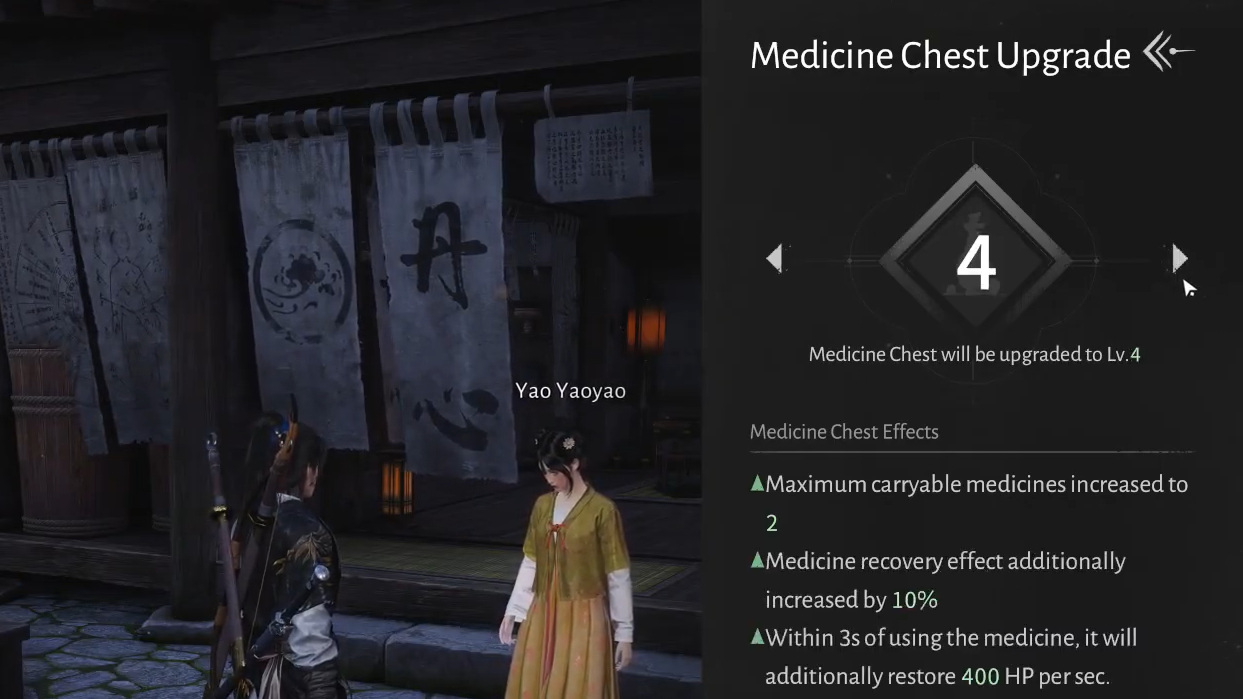
Step 2: Choose the Submit Medicinal Tale option when talking to Yaoyao. This opens the Medicine Chest upgrade screen, showing its current rank, how many charges you can carry, and any bonus effects.

Step 3: Spend Medicinal Tales to raise the Medicine Chest rank. Higher ranks increase both the number of charges and the potency and side effects of your heals.
| Medicine Chest Rank | Healing charges | Notable benefits |
|---|---|---|
| Initial | 1 | Base healing only |
| Rank 5 | 3 | Increased recovery, may add bonus effects |
| Rank 8 | 4 | Further buffed healing and defensive bonuses |
| Rank 11 | 5 | Maximum charges, strong secondary effects |
| Rank 13 | 5 | Highest potency; total of about 90 Medicinal Tales required |
Between those milestone ranks, upgrades mostly improve raw healing and add perks such as reduced damage taken right after using a potion or a short heal‑over‑time effect.
Once you have multiple healing items in your inventory, the game will automatically equip a different medicine if your current one runs out mid‑fight, as long as it is compatible with the Medicine Chest.
How to get Medicinal Tales
Medicinal Tales are a progression currency that drops from a wide spread of activities, not from a single farm spot. Expect to collect them gradually as you play.
- Main story quests
- Side story quests
- Combat outposts
- World bosses
- Divinecraft dungeons and similar multi‑stage activities
- Exploration reward tracks and chests in the world
How healing charges refill at Boundary Stones
The game treats healing more like Bloodborne than a traditional Souls flask. Boundary Stones do not magically restore your charges from zero; they draw from the stock of medicine stored in your inventory.
Step 1: Craft or buy a supply of healing medicine (for example, Hemostatic Powder or Wound Balm) and let it sit in your bag. You can hold up to 99 of a single item.
Step 2: Rest at a Boundary Stone. The game refills your Medicine Chest charges from that stock, up to your current maximum rank limit.
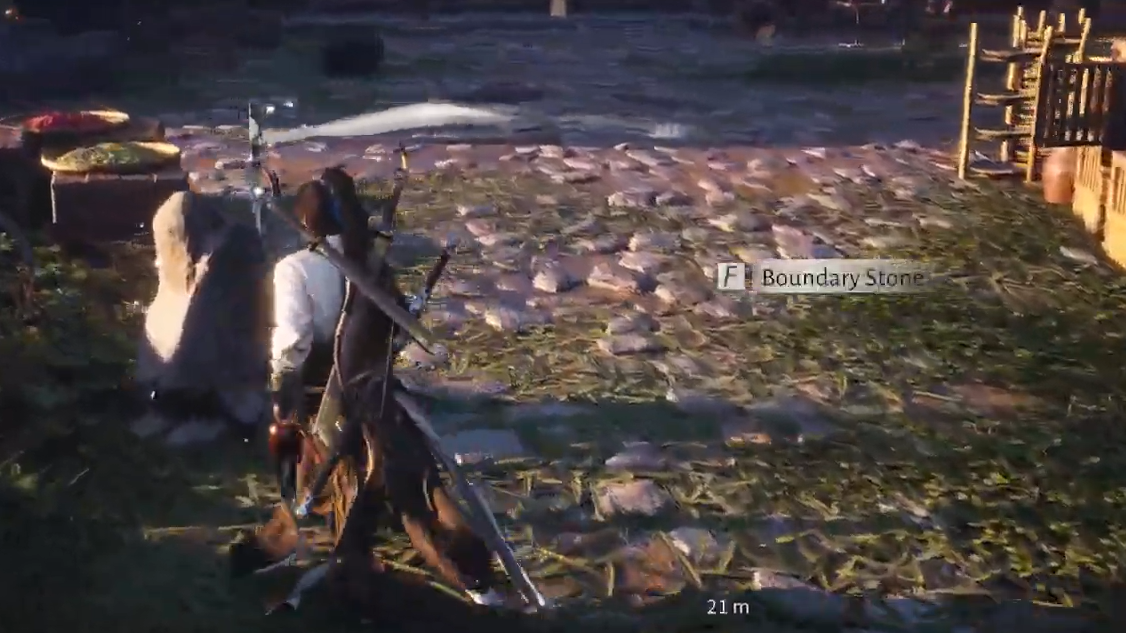
If you have no medicine left in storage, resting will not give you more heals. That’s why high‑tier players often feel “out of healing” even with a fully ranked Medicine Chest: they’ve simply consumed their crafted or purchased items.
Crafting more healing potions (Brew Medicine)
You can craft medicine at any time from your inventory screen, as long as you have materials and stamina.
Step 1: Open the menu (Esc) and go to your Bag (or press B on PC).
Step 2: In the bottom‑right corner, select Craft (or press R). Choose the Brew Medicine tab.
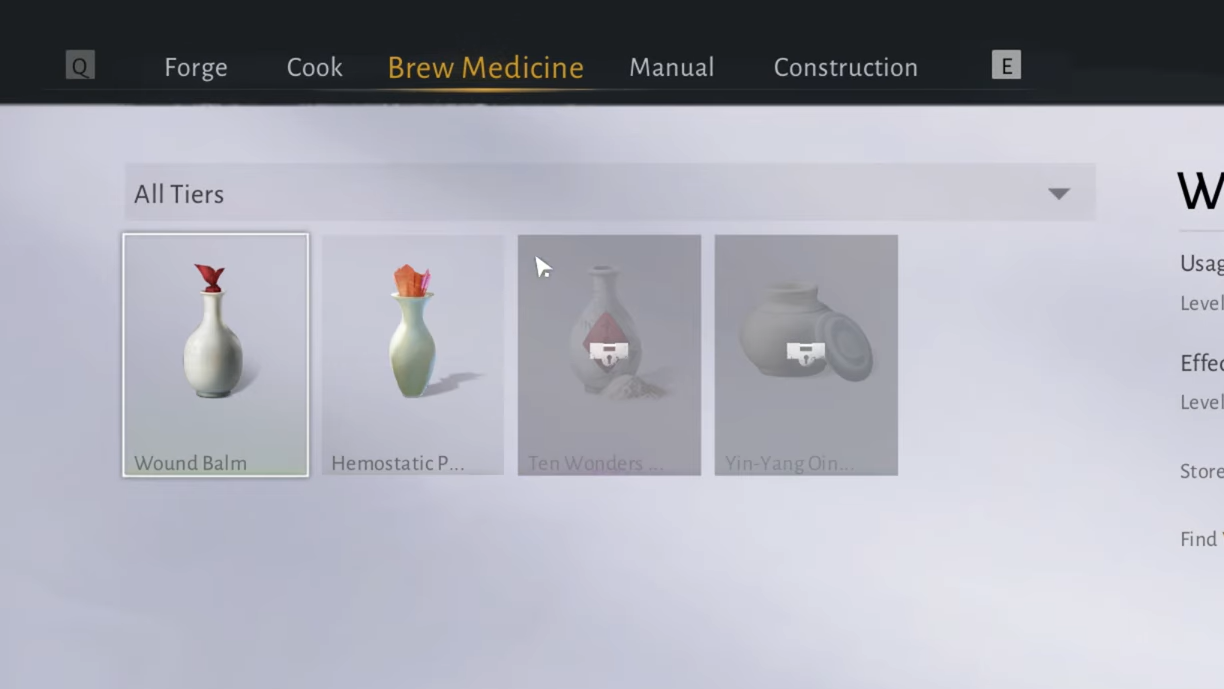
Step 3: Pick the healing recipe you want to make. Early on, this will be Hemostatic Powder (basic heal), and later you can unlock stronger options like Wound Balm (a level‑20 recipe).
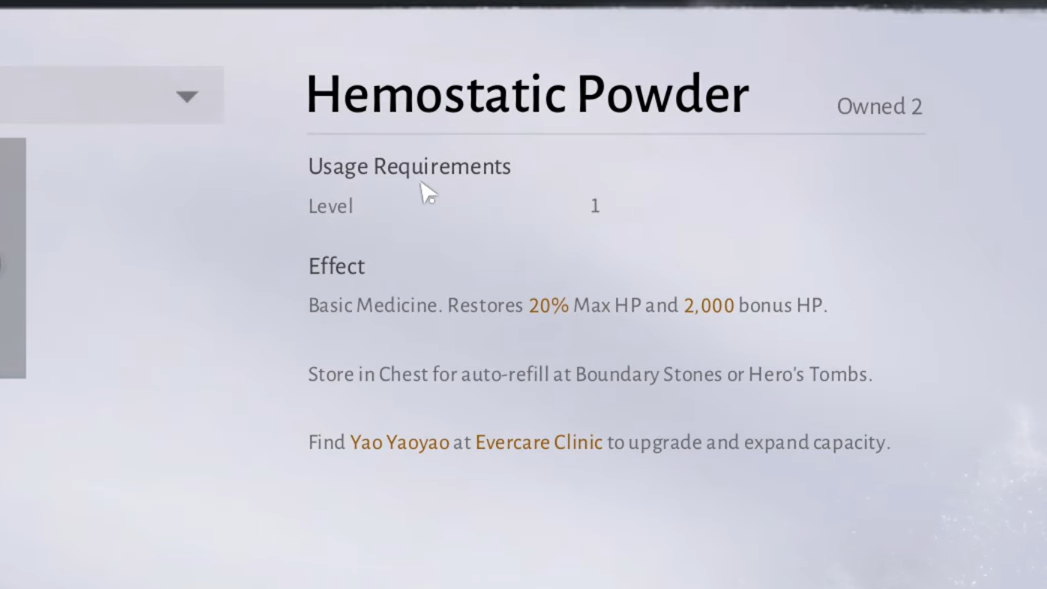
Step 4: Check the required materials listed in the bottom‑right of the crafting screen. You can click each material to highlight where to buy or gather it.
Step 5: Confirm crafting. Each batch costs stamina, and you receive a fixed amount of stamina each day (around 450). Plan how much you want to spend on potions versus other stamina‑gated activities.
For players pushing higher difficulties, basic level‑1 potions feel weak. Unlocking and focusing your stamina on level‑20 Wound Balm or better gives much more efficient healing per charge.
Unlocking Wound Balm and the Healer profession
Stronger healing recipes sit behind a profession unlock. Wound Balm in particular is a major upgrade over starter powder.
Step 1: Open Brew Medicine and select the Wound Balm recipe. If it is locked, an Unlock button appears in the bottom‑right corner of the screen.
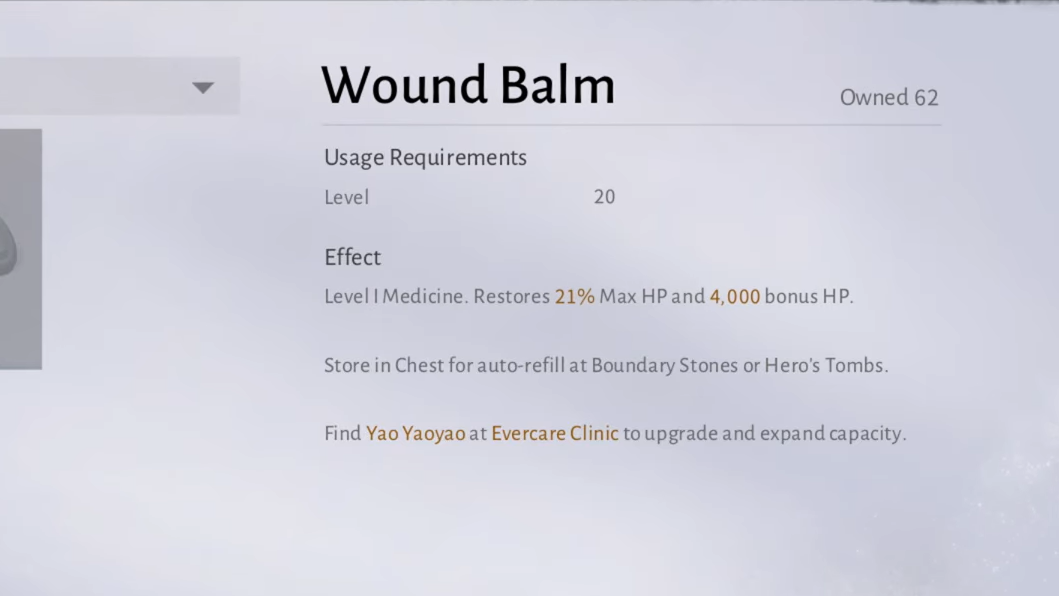
Step 2: Choose Unlock, then select the Healer profession and the Initiate tier. Confirm with Gain Ability. This will pin a new location on your map.
Step 3: Travel to the marked location and speak to the NPC there to complete a short Healer initiation quest. It usually involves a simple mini‑game and takes only a few minutes.
Step 4: After finishing the quest, return to Brew Medicine, highlight Wound Balm, and use the Unlock button again to open its mastery screen.
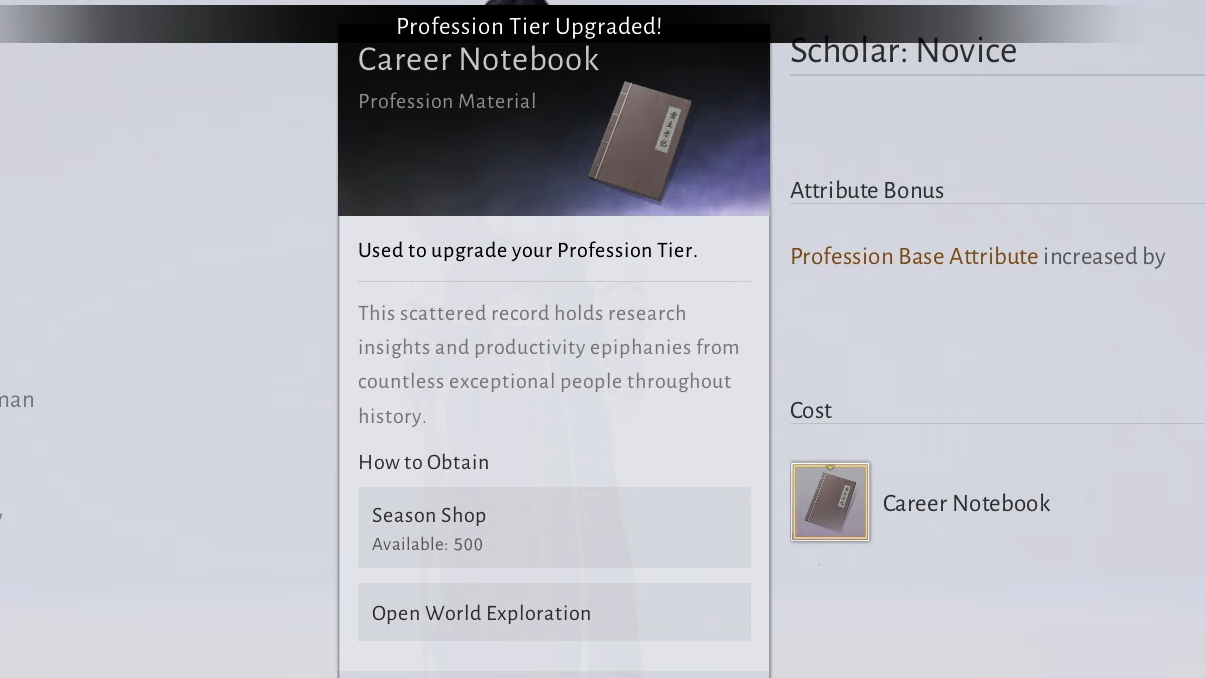
Step 5: Spend Career Notebooks to raise your Healer tier to at least Initiate 4‑Star. That threshold is enough to unlock Wound Balm; going higher is optional for pure healing needs.
Step 6: Once unlocked, check the new Wound Balm materials list. It uses a different main ingredient, sold by a different medicine vendor NPC. As with basic herbs, you can usually buy up to 99 per refresh period.
Career Notebooks are available cheaply from the season shop, so pushing Healer to Initiate 4‑Star is one of the most cost‑effective early upgrades for players on legend difficulty.
Where to buy healing items and materials
Vendors are the fastest way to bulk up your potion stockpile. Most key materials can be either gathered in the field or purchased directly.
- Heaven’s Pier (Qinghe): The peddler Xiong Da sells the basic Hemostatic Powder healing item.
- Harvestfall Village (Qinghe): The General Goods Vendor sells common potion ingredients such as Herbs and Meat Scraps, used in Hemostatic Powder and other low‑tier recipes.
- Kaifeng: City vendors also offer the same core materials and sometimes additional medicine components.
Vendors usually have a weekly or daily cap (commonly up to 99 of each material per cycle), with a visible refresh timer in the shop UI. Buying out these caps on reset days is the simplest way to feed your crafting queue.
Farming healing resources without shops
If vendor stock is exhausted or you want to stretch your coins, you can gather materials in the open world.
- Interact with herb nodes and plants in the environment whenever you see them.
- Hunt wildlife for meat‑based ingredients such as Meat Scraps.
- Use stealing or similar actions in settlements to grab extra items, where the game allows it.
Whenever you are unsure where a material comes from, highlight it in the UI. The game will mark suitable areas or specific vendors on the map, helping you set up a simple gathering loop.

Making your healing go further on legend difficulty
On the highest world tier, even large potion stacks can vanish quickly. A few habits keep your reserves healthy for the content that matters.
- Prioritize practice mode for learning fights. In practice mode, potion usage does not consume your stock. Use it to learn boss patterns before committing real resources to a clear attempt.
- Save potions for serious pulls. Many players only drink during final phases or on “real” attempts rather than every try, especially when scouting new bosses.
- Lean on healing tools. Weapons such as the Panacea Fan can provide on‑demand healing, particularly strong in open‑world content. This reduces pressure on your Medicine Chest between major encounters.
- Keep Yaoyao upgrades current. Even a single extra charge or a modest heal‑over‑time buff can save multiple potions over a long dungeon or world boss gauntlet.
Once your Medicine Chest reaches Rank 11 and you have a steady Wound Balm crafting routine, running dry on potions becomes much rarer. The limiting factor shifts from item count to how efficiently you manage charges during each fight, which is where good deflect timing and careful positioning start to matter more than raw healing output.