

Gear comes fast in Where Winds Meet, and the bag cap means you cannot hoard everything. Old armor and weapons are meant to be turned into currency, passive bonuses, or niche set effects, as long as you avoid deleting pieces that still matter for tuning or collection.
All main uses for old gear
Once a piece of gear is no longer part of your active build, it can still serve three roles:
- Arsenal fodder once you reach level 51, to unlock small permanent stat boosts along a chosen Arsenal Path.
- Gold Coin income through the Recycling system, which converts unwanted gear into currency for strengthening current equipment.
- Set effect carrier if you repair and keep specific pieces purely to maintain a set bonus.
On top of that, a few special categories are worth handling carefully:
- Antique gear — “Past: Traceable” items tied to lore and the Compendium.
- Good tuning pieces — gear marked as tuning boosters, which make it easier to improve stats on your main set.
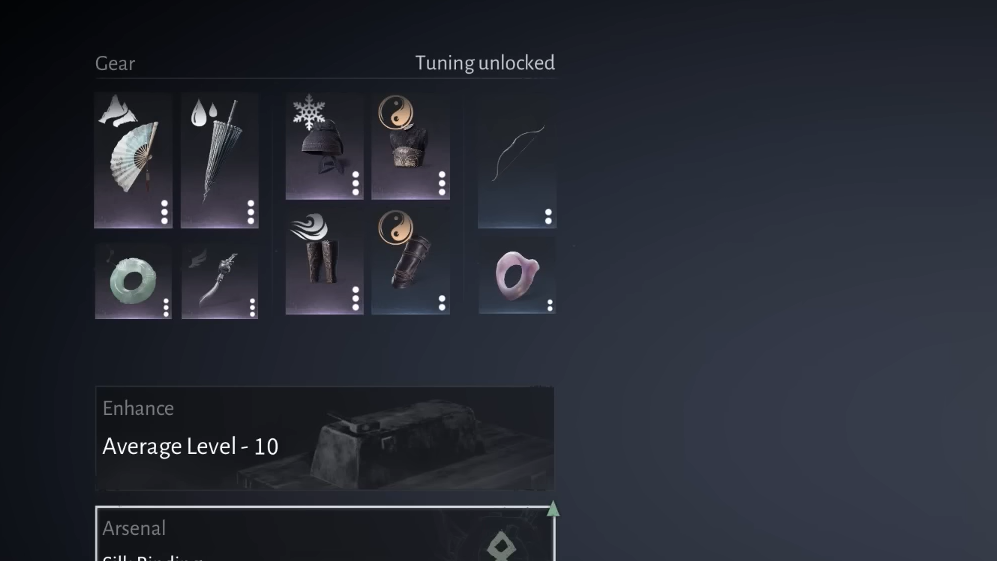
How Recycling old gear works
Recycling is the main way to get rid of old gear and free bag space, while turning it into Gold Coins.
Step 1: Open the main menu and go to your Bag. On keyboard, you can press B to open it directly.
Step 2: Switch to the Gear tab so you only see armor, weapons, and accessories.
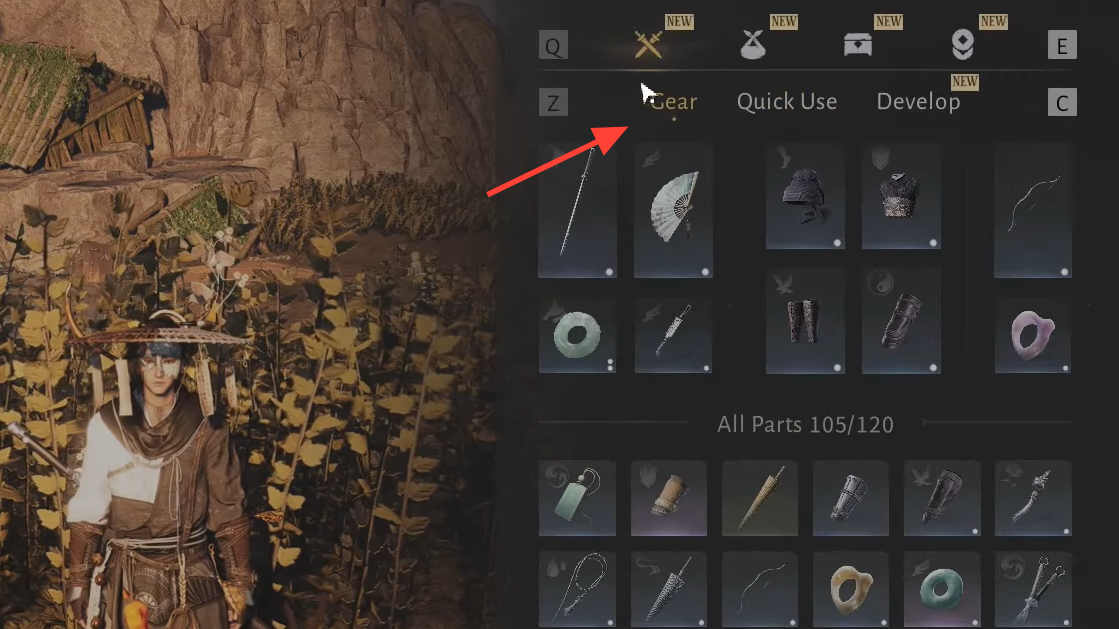
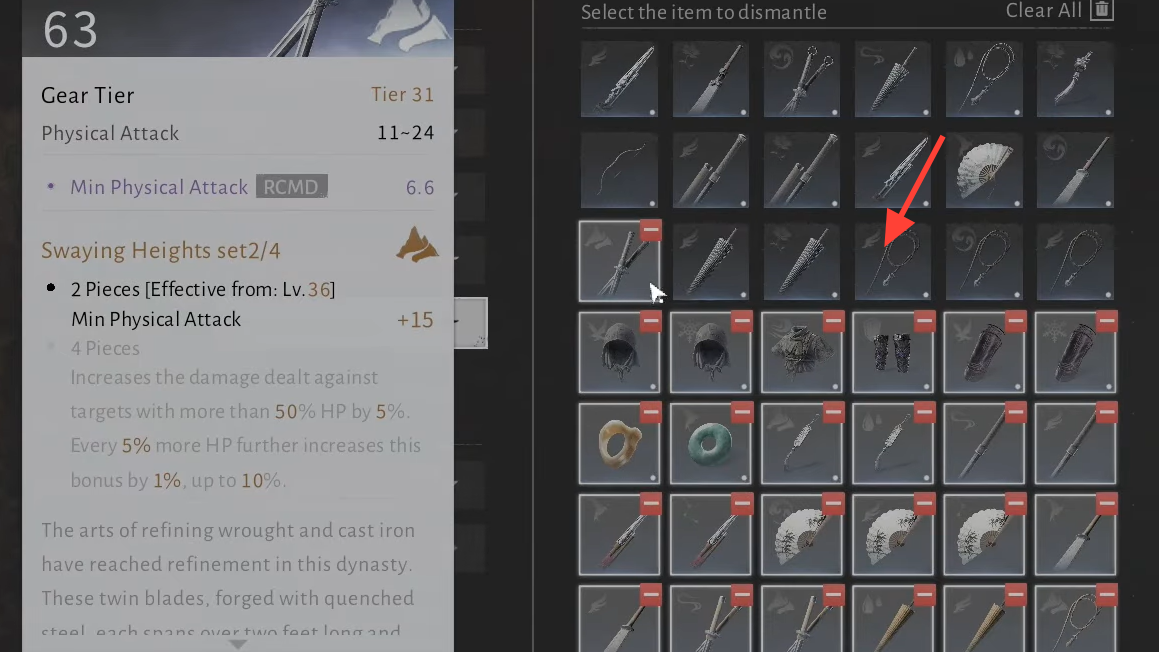
Step 3: Use the Recycling option (on keyboard, X) to open the dismantle interface with filters.
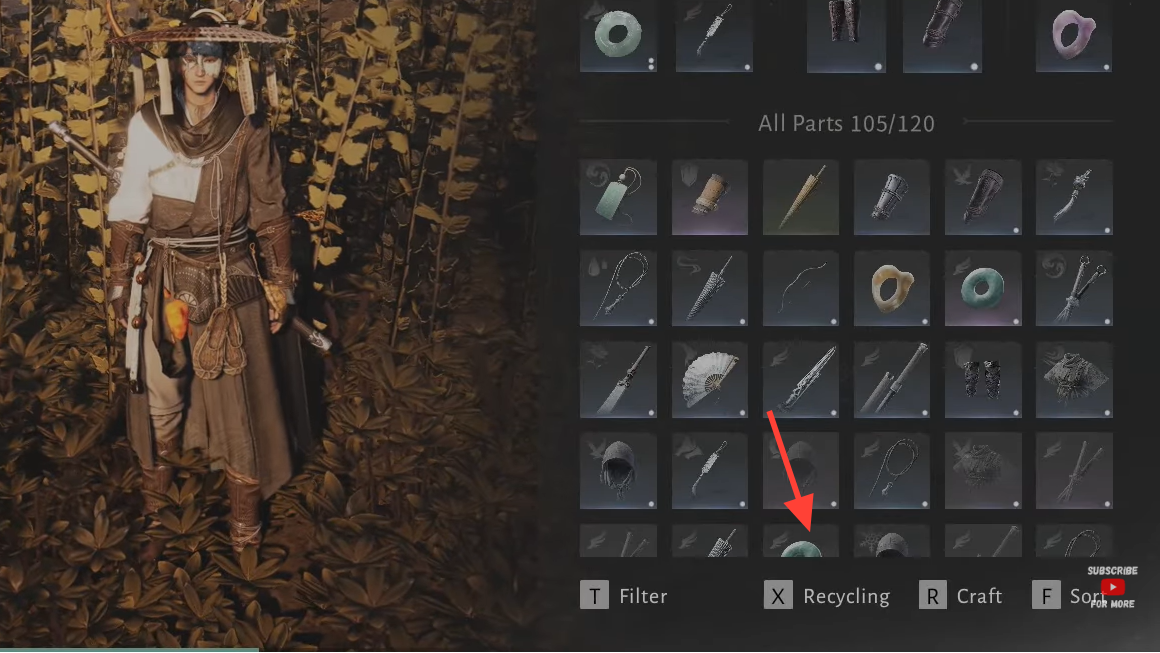
Step 4: Select the pieces you want to dismantle. Equipped items never appear here, so you cannot accidentally recycle your currently worn set.
Step 5: Confirm to convert those items into Gold Coins, which you can then use to enhance your live gear.
Each piece is permanently destroyed once recycled. There is no buyback or undo.
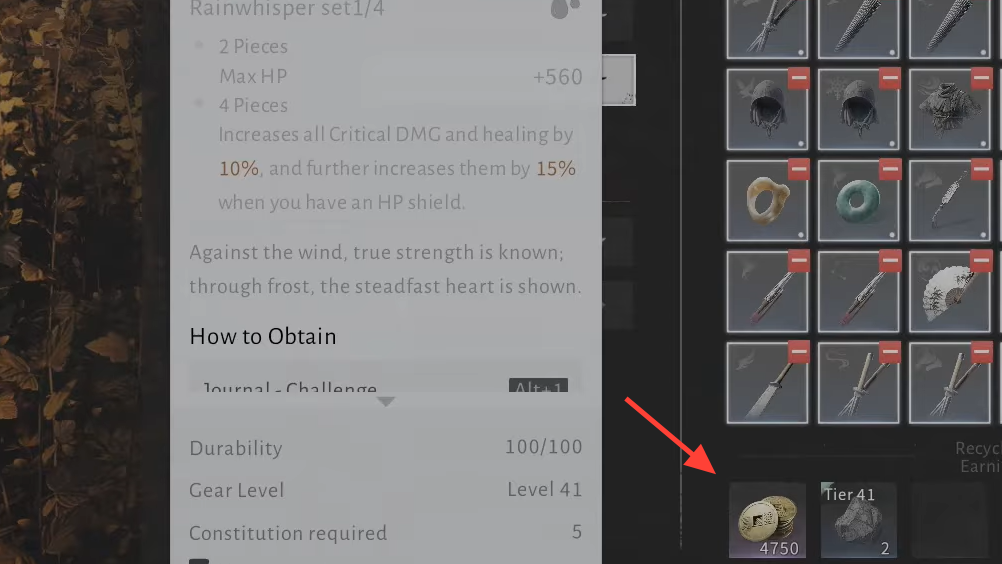
Batch recycling vs one-by-one
The Recycling menu lets you mark many items at once and dismantle them in a single action. This is the fastest way to clear a full inventory, but there is a catch.
- Batch recycling: No extra confirmation prompt; if a valuable piece is checked by mistake, it will be lost.
- Single-item recycling: Slower, but gives you a chance to review and confirm each dismantle.
When your bag is overflowing, batch recycling makes sense after you have filtered out antiques and tuning fodder. When you are working around a key breakpoint (for example, just hit level 51 and are preparing for the Arsenal), recycling one by one gives more control.
How to unlock and use the Arsenal
The Arsenal turns old armor into long-term passive stats instead of currency. It unlocks once your character reaches level 51.
Step 1: Level your character to 51 through the main story, exploration, and combat activities.
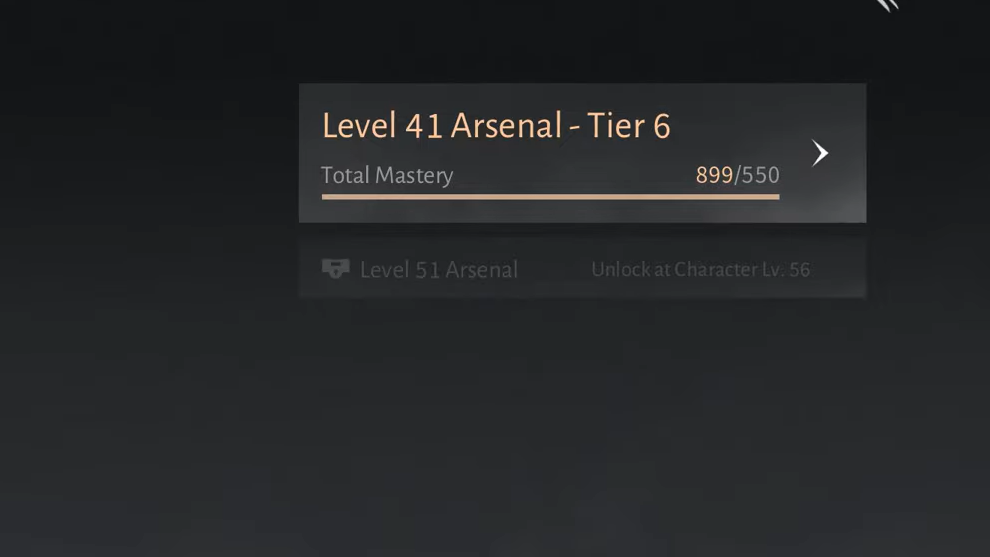
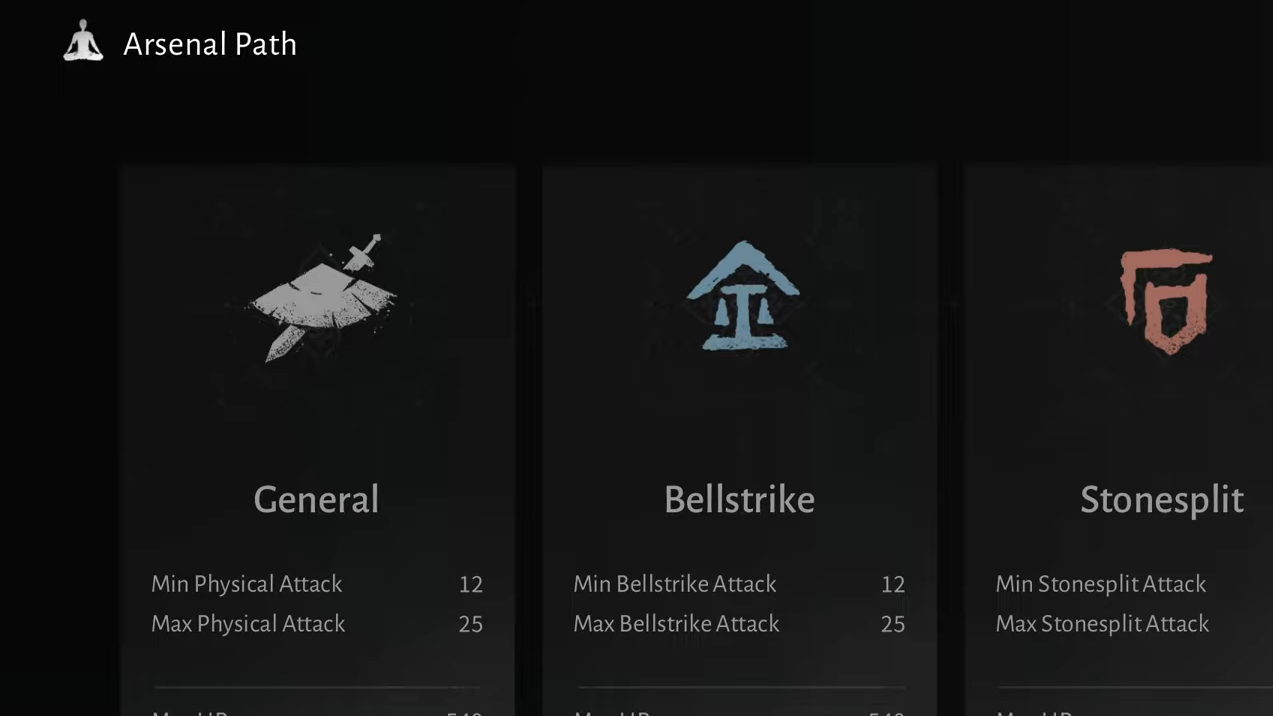
Step 2: Open the Arsenal once it becomes available and look at the Arsenal Paths. Each path favors a particular playstyle or build archetype.
Step 3: Choose the path that aligns with your current build. For example, a Strategic Sword and Heavenquaker Spear build pairs naturally with the Bellstrike Arsenal Path for matching bonuses.
Step 4: Feed qualifying old gear into the Arsenal slots to gain small Attribute bonuses linked to that path.
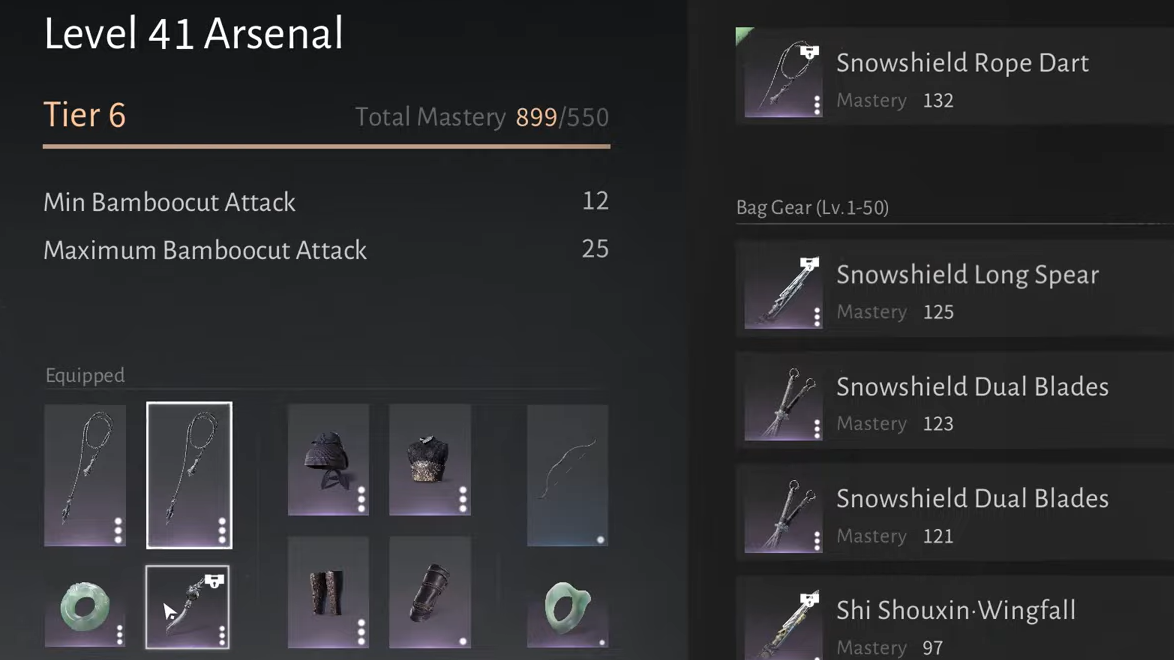
At the base tier, Arsenal contributions are limited to items under level 41. Raising the Arsenal tier later increases the level range you can contribute. This is why it is worth holding on to at least one solid set of lower-level tuned gear for each tier breakpoint, rather than recycling everything the moment you upgrade.
Which old pieces to keep for the Arsenal
Because bag space is tight, you cannot hold every historical piece of armor just for the Arsenal. A practical approach is:
- Keep one reasonably tuned set at level 41+ for your main role.
- Keep one set per higher tier bracket as you progress, so you have something to contribute once the Arsenal can accept it.
- Prefer items that already fit the stats your path likes (e.g., offensive stats for DPS paths, defensive for tankier setups).
Anything outside these planned sets can usually be recycled for Gold Coins, as long as it is not antique or marked as particularly good for tuning.
Antique gear and the Compendium
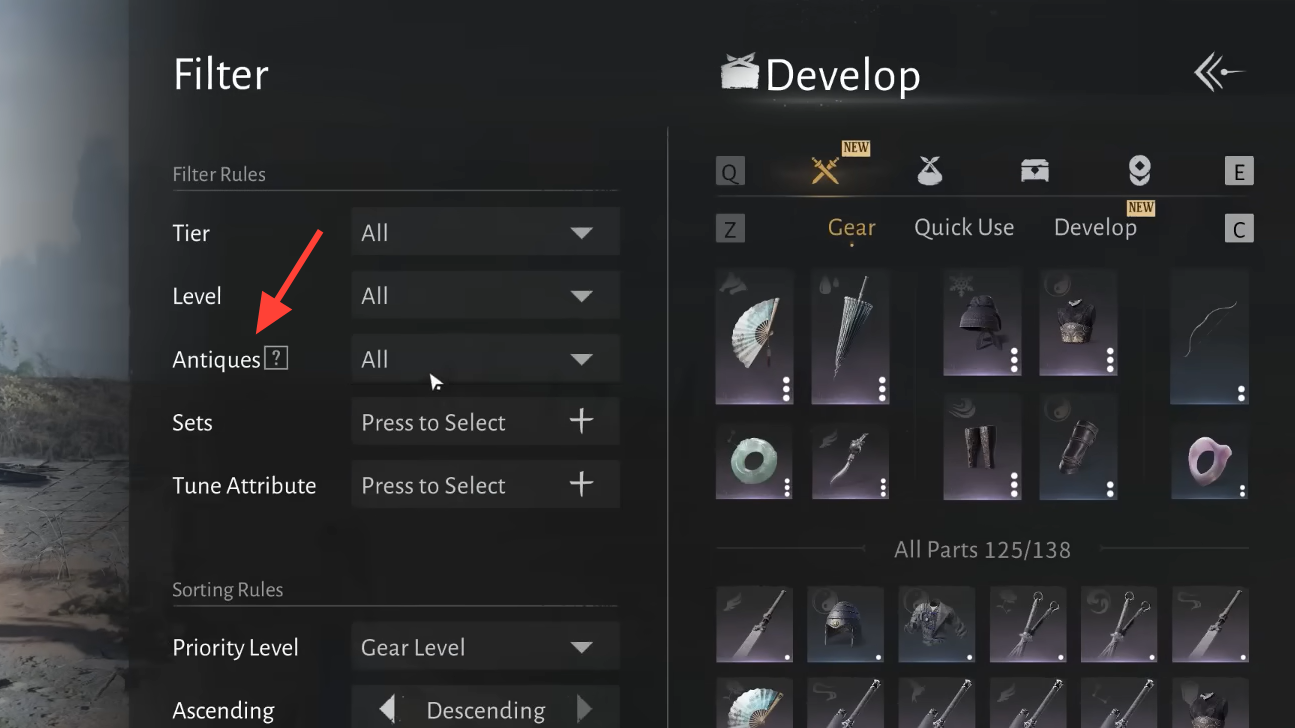
Some items are tagged as Antique and often show a note like “Past: Traceable.” These pieces are different from normal equipment:
- They typically have no combat stats or set bonuses.
- They are tied to lore entries and readables scattered around the world.
- They help fill out the in-game Compendium when properly recorded.
The Recycling interface lets you filter out antiques so they are never included in batch dismantles. Once set, the filter is remembered, which is the safest way to avoid deleting them by accident.
On some regional versions, antique gear can be moved directly into the Compendium via a dedicated option, freeing inventory space while preserving the record. Where that option is not yet present, antiques still occupy bag slots, so many players simply park them in the corner of the inventory and rely on the recycle filters to keep them safe.
Gear that boosts tuning
Certain pieces are especially valuable not for their base stats, but for how they affect tuning (the system for adjusting and improving gear attributes).
These items are marked with a blue, purple, or gold icon in the top-right corner of their item card to indicate that they provide tuning bonuses. Recycling them too early makes refining your main set more expensive and more random.
Practical approach:
- Skim your inventory for gear with those tuning icons before mass recycling.
- Keep a small pool of tuning boosters across different slots and level ranges.
- Once your main set is well-tuned for a level band and you have moved on to a higher tier, you can safely retire older tuning helpers.
When it is safe to recycle most old gear
Outside of antiques, Arsenal plans, and tuning pieces, most outdated gear is disposable. A few quick rules help decide:
- If a piece is weaker than what you are wearing, has no unique set bonus you care about, and is not antique or tuning-marked, recycle it.
- If you already have a spare set for your current tier in case you want to experiment with another path, you do not need duplicates of the same slot at that level.
- Vendor selling is not the main loop for gear disposal; Recycling into Gold Coins is the intended sink.
Players sitting at 120/120 bag slots who have never recycled can safely dismantle most lower-level duplicates and random drops, as long as they run a quick manual check for antiques and tuning icons first.
Using set repair to keep bonuses
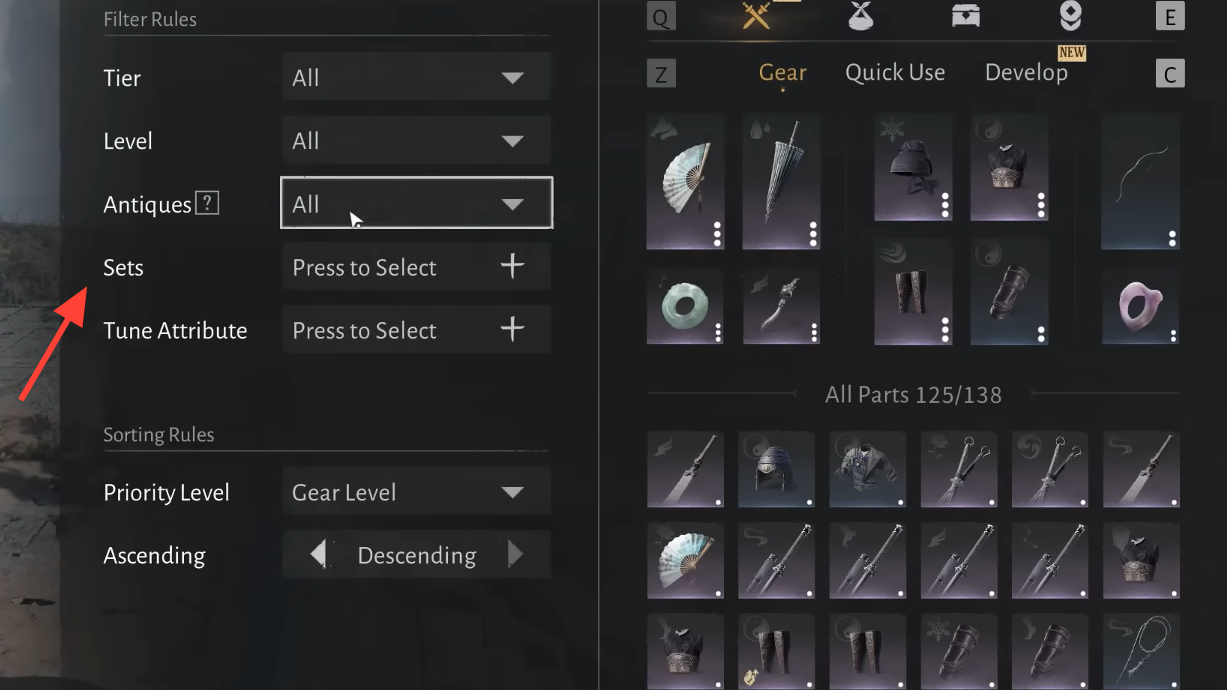
Some sets provide bonuses that stay relevant even when the raw stats fall behind. In those cases, you can repair the relevant pieces instead of dismantling them, purely to maintain the set effect.
Set repair is not usually the most efficient route to more damage or survivability compared with simply equipping higher-level gear, but it can matter when:
- A set bonus lines up perfectly with your main martial arts combo.
- You want to push a particular playstyle or niche build that relies on that effect.
In those situations, treat the repaired set like Arsenal fodder or antiques: a deliberate “kept” category that is never touched by mass recycling.
Example inventory strategy for mid-game
If you are progressing through the 40s and 50s and feel constantly capped on space, a simple structure helps:
- Row 1–2: Current active build (weapons, armor, accessories).
- Row 3–4: Next best set for Arsenal future use and path experiments.
- Row 5: Tuning boosters with blue/purple/gold tuning icons.
- Row 6: Antique gear and curios waiting for Compendium registration.
- Everything else: Recycle for Gold Coins as soon as you pick it up.
With recycle filters set to exclude antiques, and a quick visual pass for tuning icons before each batch dismantle, bag pressure drops sharply while still preserving what matters for long-term progression.
Once Recycling, Arsenal contributions, antiques, and tuning gear are separated mentally and in your inventory, the loop becomes straightforward: equip the best pieces, earmark a few sets for future systems, and convert the rest into currency. The game is designed around that churn, and leaning into it keeps your bag clear without sacrificing power or lore.