

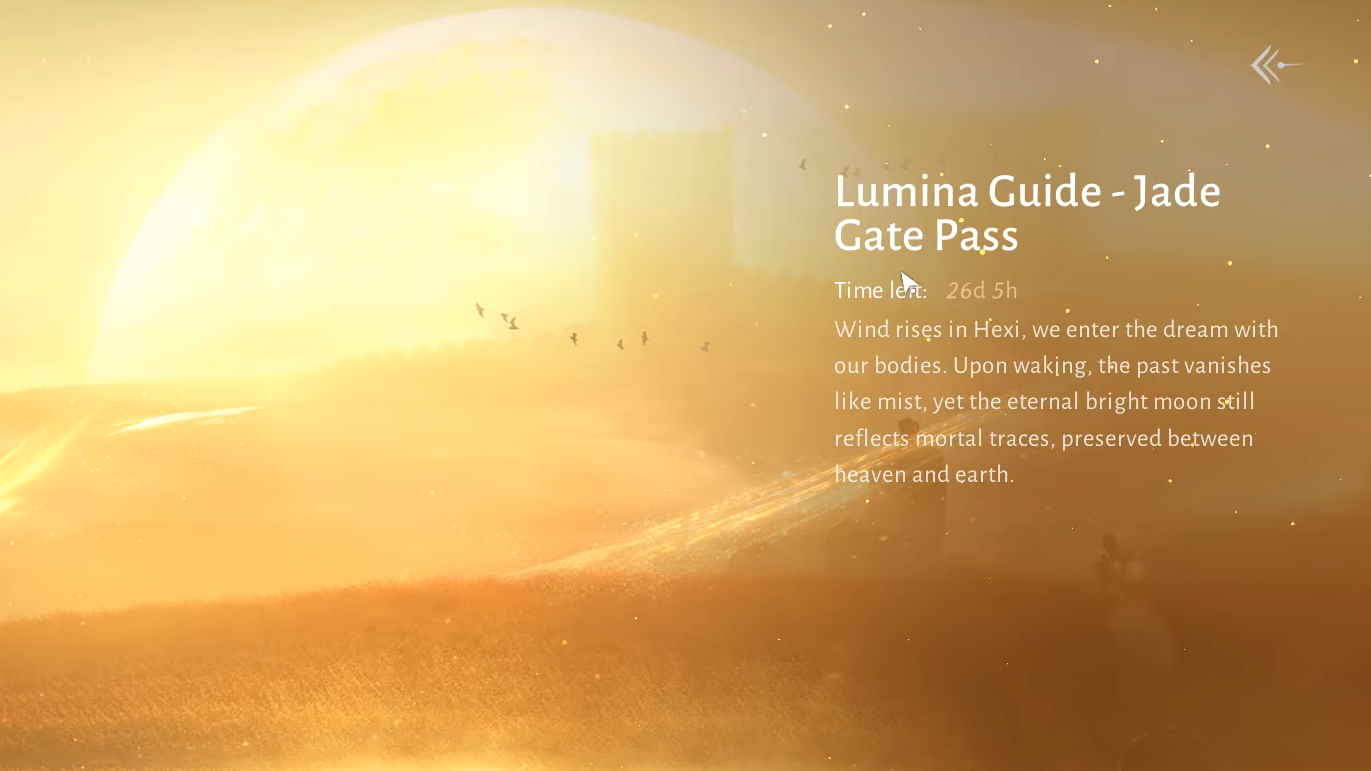
Liangzhou in Where Winds Meet refers to a Hexi chapter setting shaped by the borderland imagery tied to the Jade Gate Pass and classical Chinese poetry. It is being framed as the second chapter of Hexi, with the region’s identity centered on the edge-of-home theme that appears in the well-known line about the spring wind not crossing the Jade Gate Pass.
Quick answer: Liangzhou is part of the Hexi chapter in Where Winds Meet, and its core meaning is the game’s use of Tang frontier-poetry imagery around the Jade Gate Pass.
Where Liangzhou fits in Where Winds Meet
Liangzhou is not being presented as a standalone game or separate mode. It sits inside Hexi, which is positioned as a major expansion for Where Winds Meet. The naming matters because Liangzhou carries strong cultural weight, especially in writing about frontier garrisons, departure, duty, and distance from home.
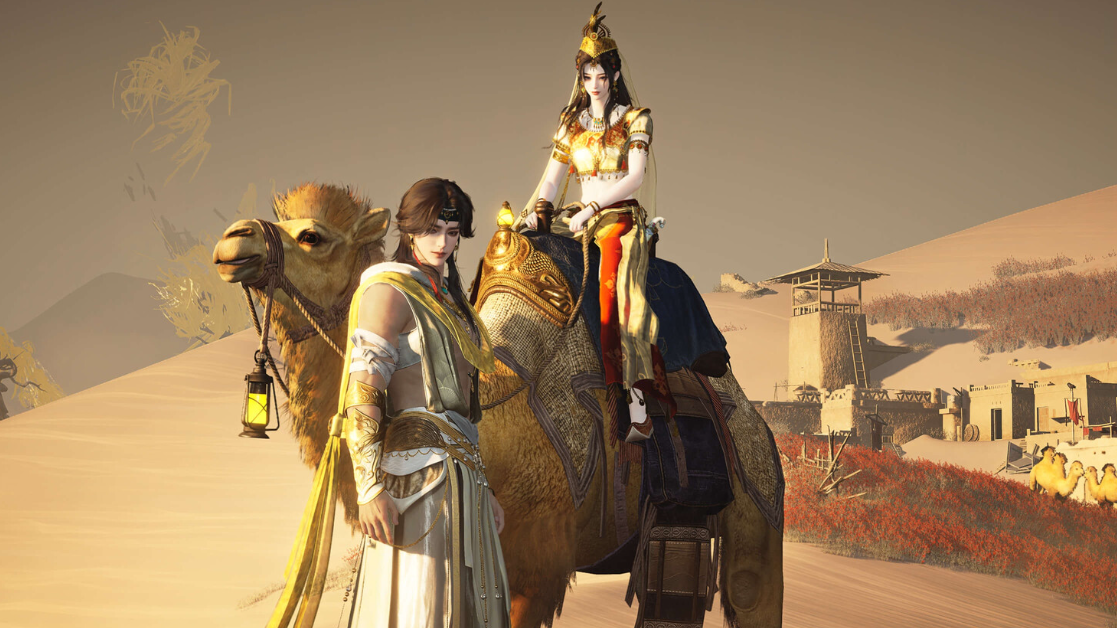
That makes the in-game use of Liangzhou more than a map label. It signals a specific mood and regional frame, one tied to border routes, military life, and the exposed threshold between the familiar interior and the far western frontier.
What Liangzhou means in the Hexi setting
In this context, Liangzhou points to the broader Hexi corridor world. The repeated reference to the Jade Gate Pass is the clearest clue to the intended reading. The pass marks a boundary, and that boundary is the emotional center of the Liangzhou idea in Where Winds Meet.
The result is a setting built around separation and movement. Home is behind the pass. Service, travel, and hardship lie beyond it. When the game uses Liangzhou alongside Hexi, it is drawing on that contrast directly.

Why the Jade Gate Pass matters
The Jade Gate Pass is the key image attached to Liangzhou here. It represents the limit of home territory in poetic language, which is why it keeps surfacing whenever Liangzhou is discussed. In practical terms, it tells you how to read the region’s tone.
| Element | Role in Liangzhou |
|---|---|
| Liangzhou | Regional identity within Hexi |
| Hexi | The larger expansion or chapter framework |
| Jade Gate Pass | Frontier boundary and symbolic edge of home |
| Poetry reference | Sets the emotional tone of distance, duty, and vulnerability |
How the poem connection shapes the region
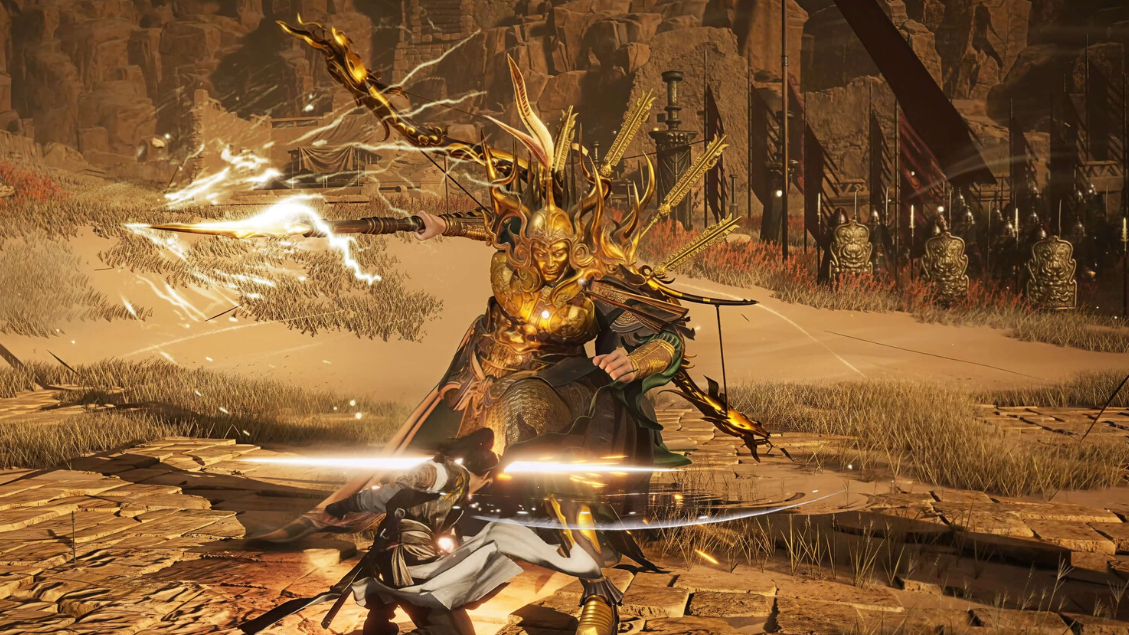
The poem connection gives Liangzhou a very specific texture. Rather than a generic desert frontier, it evokes military posting, exposed travel routes, and the strain between patriotic obligation and ordinary human fear. That tension is central to why Liangzhou carries so much resonance.
The association with Tang-era frontier verse also explains why the place name is treated with unusual emphasis. It is not only geographic. It is literary, emotional, and political at the same time.
What is confirmed about release timing
Where Winds Meet is listed with a launch date of November 14, 2025. Hexi is described as the game’s first major expansion, but no specific next release time for the Liangzhou chapter is confirmed here.
That means Liangzhou is best understood right now as a named Hexi chapter and thematic setting, not as a separately timed release with a published launch hour.
How to tell if you are looking at the right Liangzhou reference
If a post or clip mentions all three of these together—Liangzhou, Hexi, and the Jade Gate Pass poem imagery—it is referring to the same frontier chapter concept in Where Winds Meet. That is the cleanest way to verify the reference.
If one of those pieces is missing, the term may be pointing to the historic or literary Liangzhou instead of the game chapter framing. Inside Where Winds Meet, the Hexi connection is the anchor that keeps the meaning specific.
So if you are trying to place Liangzhou in Where Winds Meet, the shortest accurate reading is this: it is a Hexi chapter location defined by frontier-poetry symbolism, with the Jade Gate Pass serving as the clearest marker of its mood and purpose.