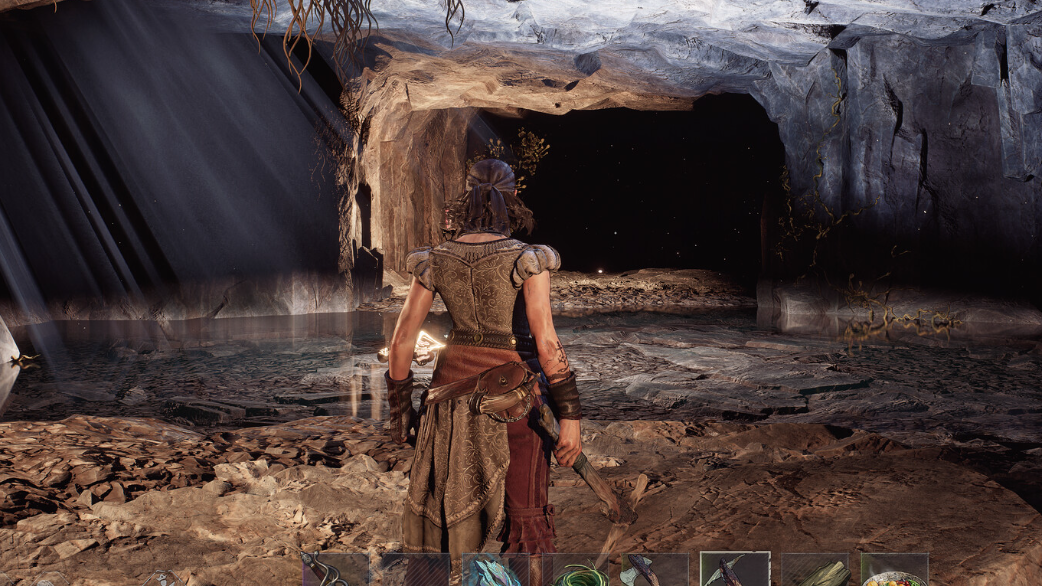
Windrose, the pirate-themed souls-lite survival game that entered Early Access on April 14, 2026, does not use traditional autosave checkpoints. Instead, your respawn location is determined by Save Points you place yourself. The primary Save Point structure is the Tent, a craftable item you can build almost anywhere in the world.
Quick answer: Craft a Tent from basic materials (plant fiber, wood, and stone), place it on the ground, then interact with it to set it as your active revive point. When you die, you respawn at that Tent instead of back at your main base.
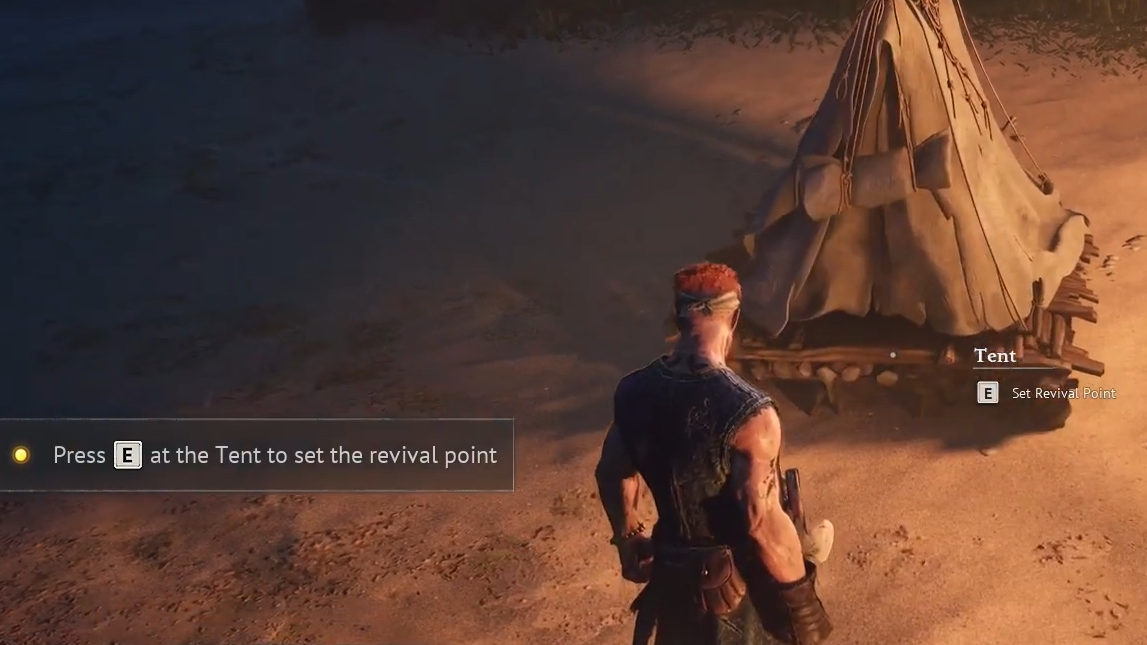
Crafting and Placing a Tent
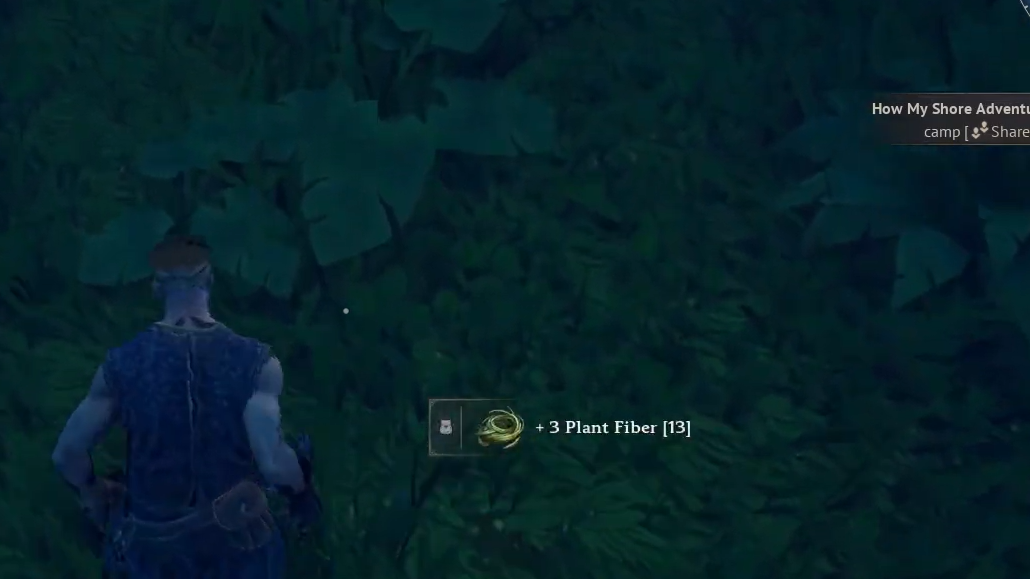
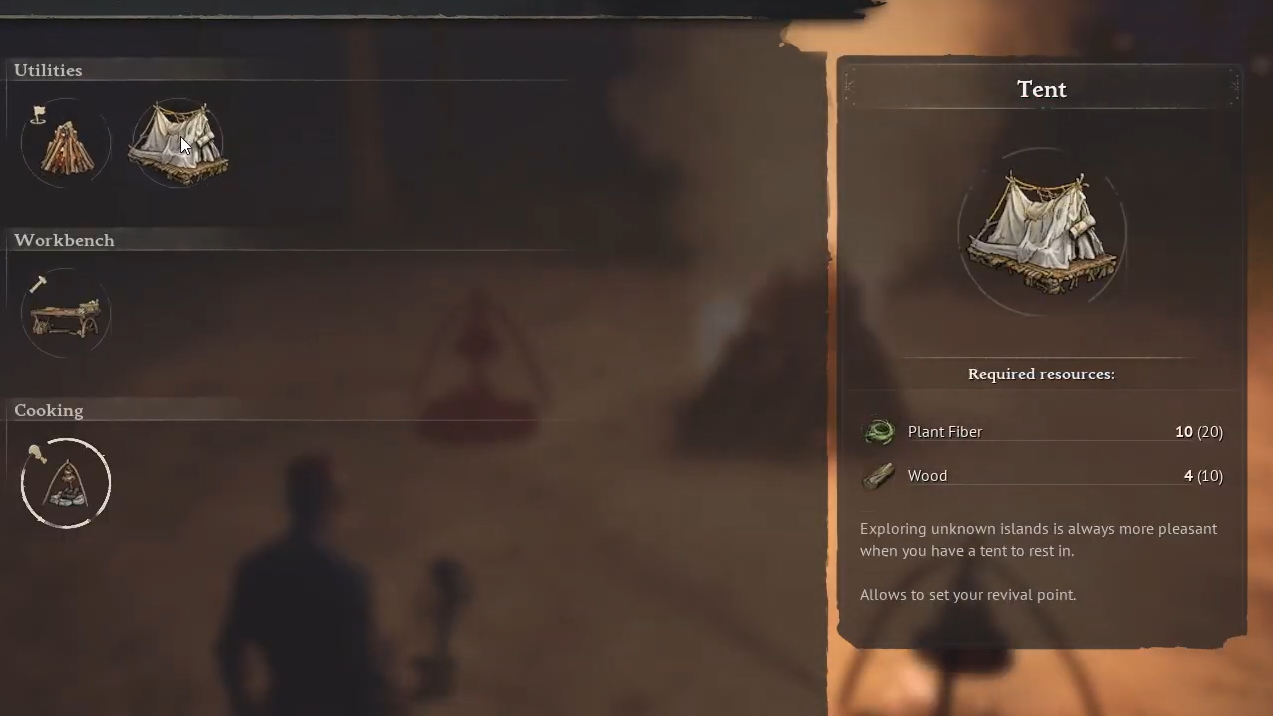
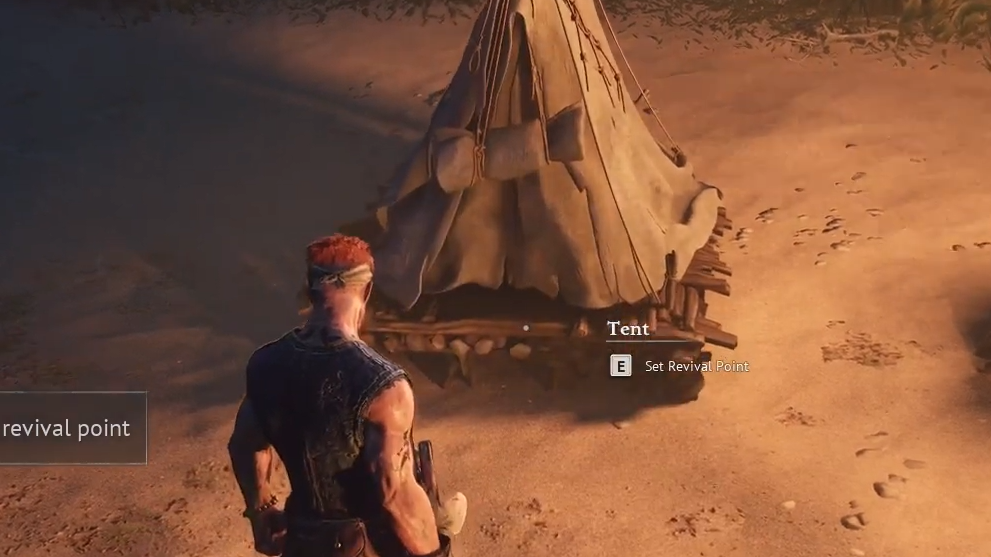
Why Save Points Matter in Windrose
Death in Windrose is relatively forgiving compared to other survival games. You keep your gear, healing items, and food when you die, and dying a second time before recovering your dropped items does not erase them permanently. The real penalty is the distance you may need to travel to get back to where you fell. On a multi-island map, that can mean a long boat trip and significant lost time.
Placing a Tent near your current objective eliminates most of that friction. If you die fighting enemies at a ruin or pirate camp, you respawn steps away and can immediately re-engage. Enemies do not regenerate health between your deaths, so even a tough encounter can be brute-forced by respawning nearby and chipping away at remaining health bars.
Building a Forward Camp Around Your Save Point
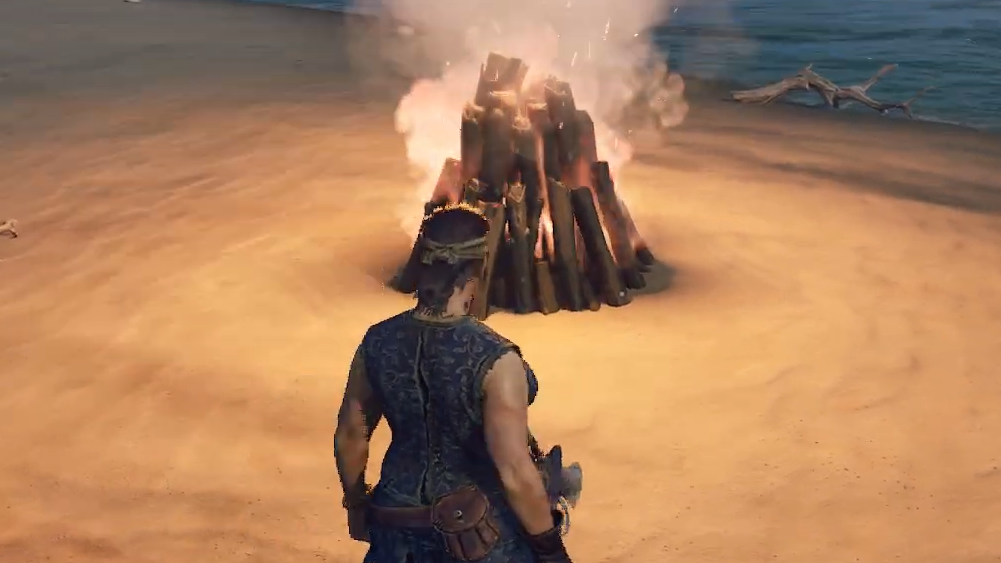
A Tent alone keeps you in the fight, but pairing it with a few other structures turns a simple Save Point into a proper forward camp. Carry enough materials to also build a bonfire and optionally a basket for extra storage.
| Structure | Purpose |
|---|---|
| Tent | Sets your revive point so you respawn nearby after death |
| Bonfire | Heals you passively while out of combat, saving bandages; also grants the Rested buff |
| Basket | Provides overflow storage so you can stash loot before a risky fight |
The Rested buff from a bonfire dramatically increases stamina regeneration, which is critical for both combat and exploration. You can extend its duration by raising the comfort level around the fire — place one item from each subcategory in the Decoration build menu near the bonfire. Even a few decorations make a noticeable difference.
Combining Save Points with Fast Travel Bells
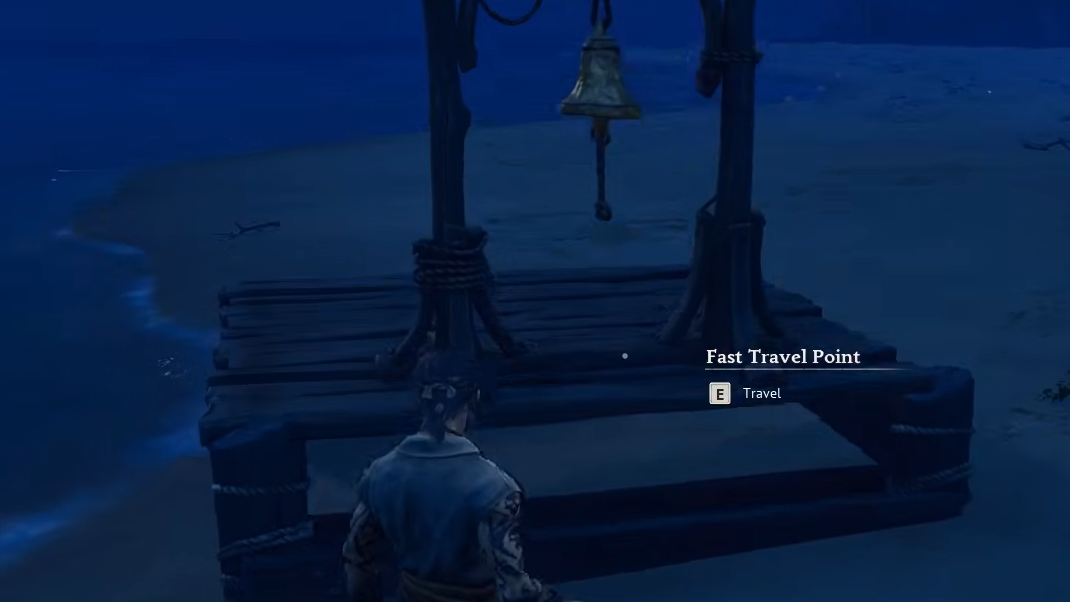
Save Points handle respawning, but they don’t let you teleport around the map. That’s where Fast Travel Bells come in. You can craft these bells and place up to 10 of them across the world at the same time. A smart approach is to keep one bell at your main base and carry a spare bell while exploring. When you reach a new area, drop the bell so you can fast travel home to offload loot or refresh your Rested buff, then teleport back.
If you die on the open sea, your ship’s inventory stays safe — you can repair the vessel at any wharf, and everything inside comes back with it. But on land, having both a Tent and a nearby Fast Travel Bell means you can respawn, resupply, and return to action with minimal downtime.
Supplies to Carry for Every Expedition
Beyond the building materials for a Tent, bonfire, and basket, keeping a few consumables on hand ensures you can recover quickly after respawning at your Save Point.
| Item | Recommended Quantity | Why |
|---|---|---|
| Bandages | 10 | Heal over time; use while kiting enemies at a safe distance |
| Food (two different types) | 10 of each | You can have two food buffs active simultaneously, significantly boosting max HP and other stats |
| Extra Fast Travel Bell | 1 | Lets you create a quick return route to base from any location |
Two active food buffs provide a much larger health pool than stat point investments alone, especially in the early game. After respawning at your Tent, re-eating both food types before heading back into a fight can be the difference between clearing an encounter and dying again.
Save Points in Windrose are entirely player-driven. The game won’t place checkpoints for you, so building a Tent and interacting with it before every dangerous encounter should become second nature. Pair it with a bonfire for passive healing and the Rested buff, keep a Fast Travel Bell handy for quick base runs, and you’ll spend far less time on frustrating corpse runs across the open sea.