
Price has become the biggest reason people walk away from console game subscriptions in the United States. New consumer data from Circana shows that more than 40% of players who recently canceled Xbox Game Pass Essential, PlayStation Plus Essential, or Nintendo Switch Online said the cost was the main factor, a share that has climbed since the start of the year.
Quick answer: Over 40% of US cancellers now cite cost as their main reason, up from 37% in Q1 for Xbox and PlayStation and reaching 50% for Nintendo Switch Online.

What the Circana survey actually measured
The figures come from Circana’s Future of Insights for Video Games Consumer Survey, shared by senior director and video game analyst Mat Piscatella. The survey tracks why people leave a service, not how many people leave it.
Piscatella was explicit that the data “has no relation to the number of people canceling.” In other words, it does not show that more subscribers are quitting overall. What it shows is a change in the reason: among the people who do cancel, a larger portion now point to price rather than a weak lineup of games or a finished backlog.
The exact wording matters too. Half of recent Switch Online cancellers chose the option that read, “Couldn’t justify the cost of the subscription within my budget but liked the service.” That is a group leaving on price, not on quality. None of the three platform holders has issued a public response to the findings.
Cost-driven cancellations by service
The shift is visible across all three services, but Nintendo’s move is the steepest. Its base pricing has not changed, yet its cost-driven cancellations jumped ten points in roughly two quarters.
| Service | Cost cited (recent) | Cost cited (Q1 2026) | Change |
|---|---|---|---|
| Nintendo Switch Online | 50% | 40% | +10 points |
| Xbox Game Pass Essential | 40% | 37% | +3 points |
| PlayStation Plus Essential | 40% | 37% | +3 points |
The timing fits a wider squeeze on gaming budgets. All three console makers raised hardware prices this year, citing broad “market conditions” widely tied to AI data centers driving up demand for memory components. When a subscription increase lands on top of pricier hardware, players start reviewing every recurring charge.
Why Nintendo Switch Online moved the most
Switch Online is the cheapest of the three, and its per-tier pricing has stayed the same in most regions. An individual membership runs $19.99 per year, with a family plan at $34.99. The Expansion Pack tier, which adds Nintendo 64, Game Boy Advance, and other legacy libraries plus select DLC, costs $49.99 a year for an individual and $79.99 for a family.
Because the price did not rise, the jump in cost complaints points to relative value rather than a specific hike. A household paying for a newly pricier Game Pass or PS Plus plan may decide the Nintendo service is the easiest one to drop first, especially given its smaller online multiplayer footprint and retro-focused library. Half of those cancellers said they still liked the service, so this is about budget, not quality.
Xbox Game Pass: the hike, the reversal, and the current tiers
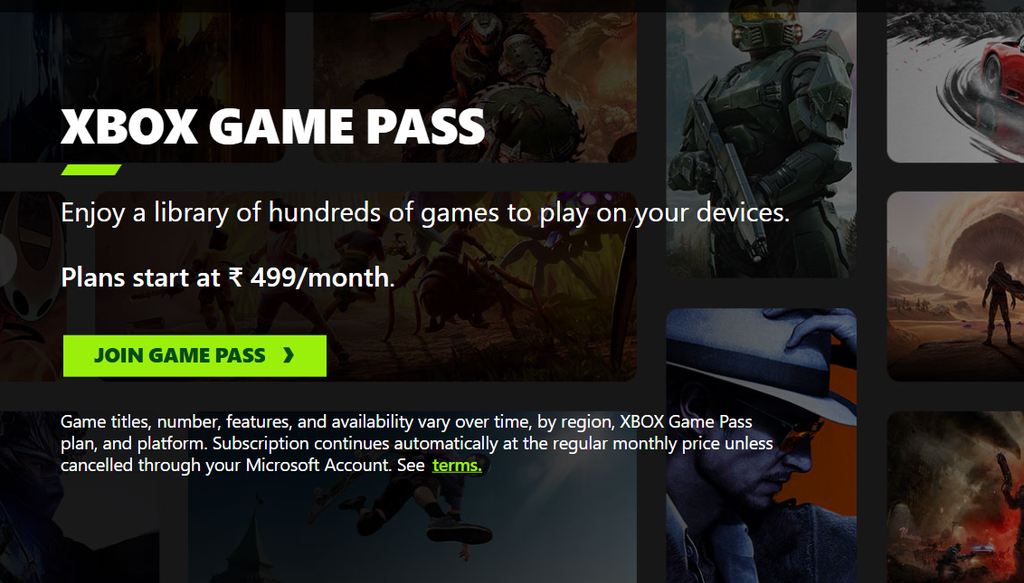
Xbox has had the most turbulent year on price. On October 1, 2025, Microsoft raised Game Pass Ultimate from $19.99 to $29.99 a month, a 50% jump that reached existing subscribers on November 4, 2025. The company later admitted the service had “become too expensive for too many players” and reversed course.
On April 21, 2026, Microsoft cut Ultimate to $22.99 a month and PC Game Pass from $16.49 to $13.99, and rebuilt the lineup around four tiers. Ultimate still sits 15% above its pre-hike price, and the reduction came with a trade-off: new Call of Duty releases are no longer included on day one, arriving as full-price games instead.
| Xbox Game Pass tier | Monthly price |
|---|---|
| Essential | $9.99 |
| PC Game Pass | $13.99 |
| Premium | $14.99 |
| Ultimate | $22.99 |
Microsoft does not sell a discounted annual Game Pass plan, so the effective yearly cost is always twelve times the monthly rate at every tier.
PlayStation Plus: a smaller hike across every tier
Sony moved in the other direction and raised all three PlayStation Plus tiers at once on May 20, 2026, attributing the change to ongoing market conditions. The monthly increases were smaller than Xbox’s Ultimate swing, but they hit every tier rather than concentrating on the top plan. Annual pricing held steady.
| PlayStation Plus tier | New monthly price | Previous monthly | Annual price |
|---|---|---|---|
| Essential | $10.99 | $9.99 | $79.99 |
| Extra | $16.99 | $14.99 | $134.99 |
| Premium | $19.99 | $17.99 | $159.99 |
Cloud gaming limits and new payment experiments
Cost pressure extends beyond the sticker price. Xbox Cloud Gaming is adding monthly usage allowances that begin in November 2026, with limits set by tier before extra playtime has to be purchased.
- Ultimate: 15 hours per month
- Premium: 10 hours per month
- Essential: 5 hours per month
Microsoft says roughly 4% of Game Pass users regularly stream for more than 15 hours a month, so the caps affect a small slice of subscribers. The company also began testing free, ad-supported Xbox Cloud Gaming for Xbox Insiders in July, letting people stream games they own with ads and sessions capped at one hour.
Xbox has floated advertising as a way to offer cheaper play, comparing the idea to ad-supported tiers in TV streaming, but there is no confirmed ad-supported Game Pass tier.
Put together, the numbers describe a market where price sensitivity has arrived for all three platform holders at once. Cancellation totals have not spiked, but the reason people leave has shifted decisively toward cost, and that is landing just as Microsoft, Sony, and Nintendo lean harder on recurring revenue. Whether the answer is cheaper tiers, ad-supported options, or pay-as-you-go cloud access, the pressure to add value rather than raise prices is now clear across every service.