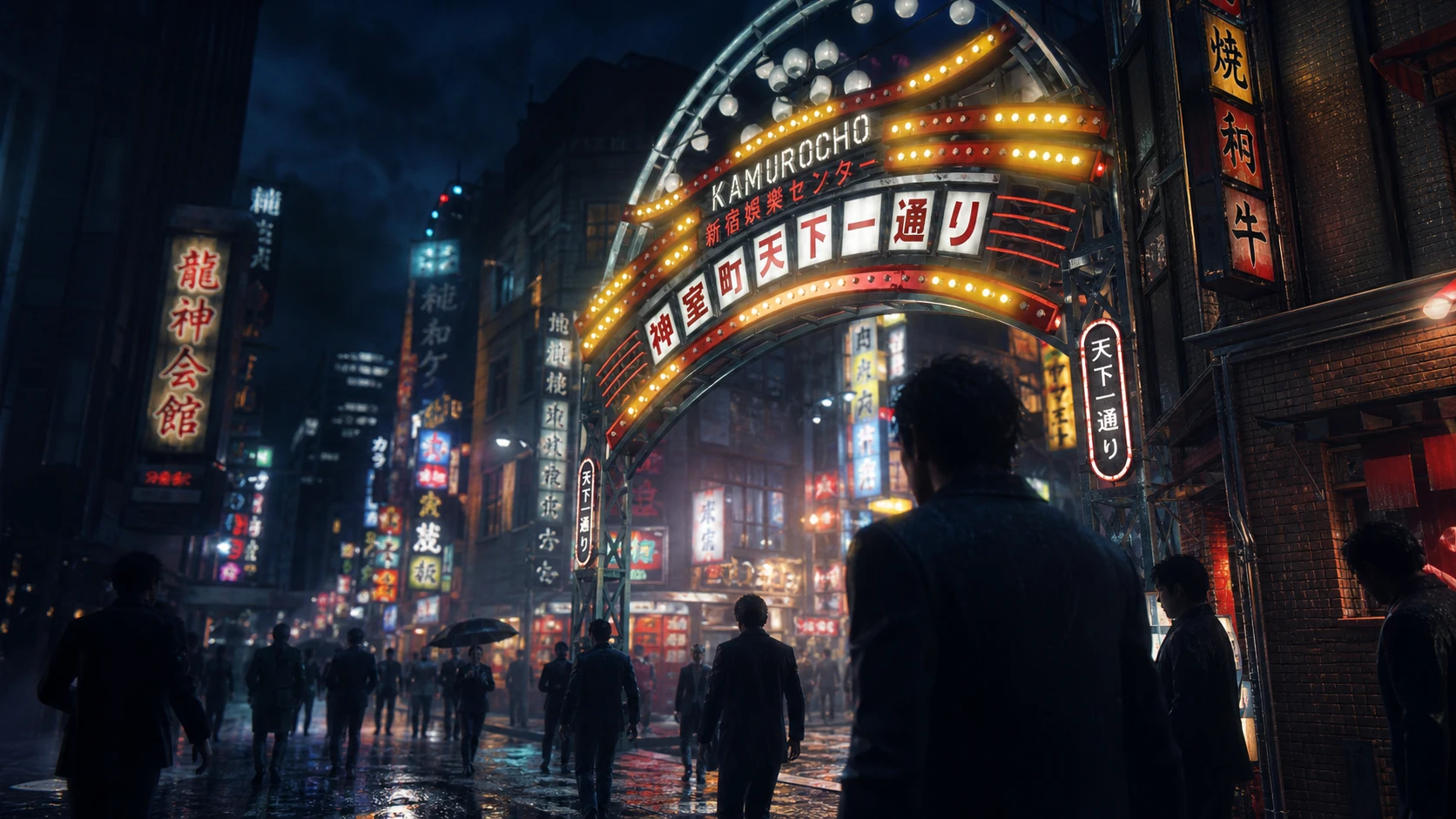
RGG Studio’s next big swing finally has a firm landing date, and it’s closer than the long road from Project Century to its real name suggested. Stranger Than Heaven is a distant prequel to the Like a Dragon franchise, and after years of teases, it now has a launch day locked in.
Quick answer: Stranger Than Heaven releases on January 15th, 2027 for PlayStation 5, Windows, and Xbox Series X/S. No exact unlock time or regional rollout schedule has been confirmed yet.
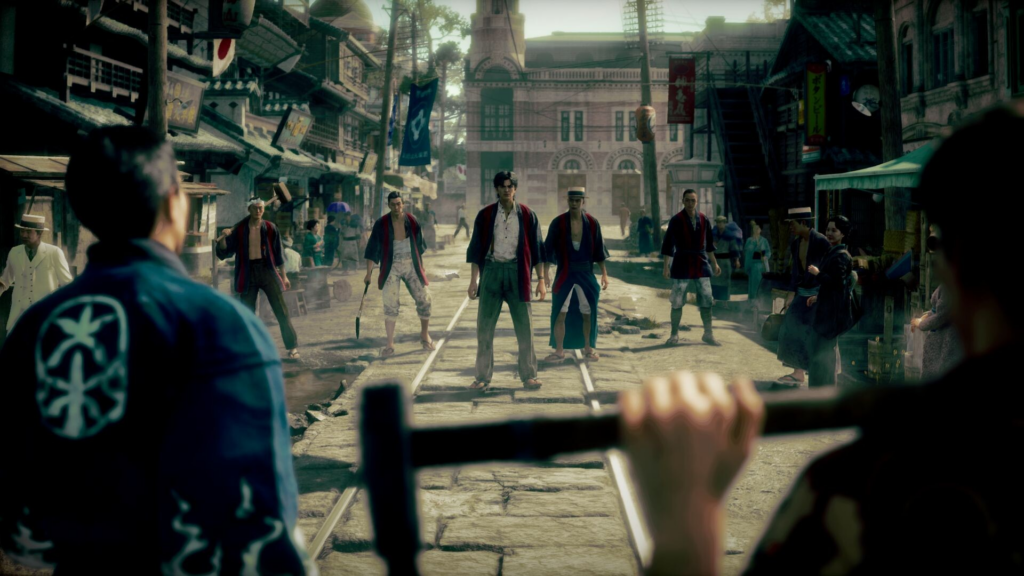
Stranger Than Heaven release date and platforms
The game was framed as a “winter” title during its big Xbox showcase, but the date underneath that wording is concrete. It ships in the middle of January 2027 across three platforms simultaneously, so there’s no staggered console-then-PC gap to plan around.
| Detail | Info |
|---|---|
| Release date | January 15th, 2027 |
| Platforms | PlayStation 5, Windows, Xbox Series X/S |
| Developer | RGG Studio |
| Publisher | Sega |
| Genre | Action-adventure |
| Mode | Single-player |
Note: A specific launch time and timezone hasn’t been published. If you’re tracking the exact hour it goes live, that information isn’t confirmed yet, so treat any countdown to a particular minute as unofficial until Sega says otherwise.
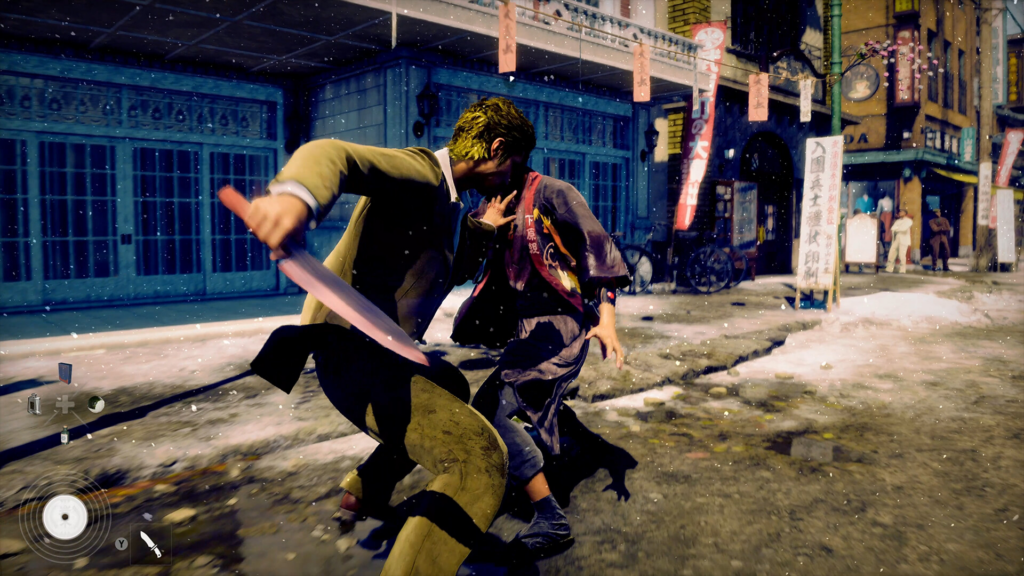
What Stranger Than Heaven is
This is the new IP RGG Studio first hinted at back in 2021, separate from both the Yakuza / Like a Dragon line and the Judgment games. It was announced at The Game Awards 2024 under the code name Project Century, picked up its official title in June 2025, and got its first full deep dive in May 2026.
You play as Makoto Daito, a Japanese-American orphan who stows away on a ship from San Francisco to Japan to start over. His story stretches across roughly half a century, and it doubles as the origin of the Tojo Clan, the yakuza organization at the center of the Like a Dragon series. Makoto eventually founds it.
Studio head Masayoshi Yokoyama has been clear about the connective tissue, though. Despite the Tojo Clan link, the game isn’t meant to depict the literal past of the Like a Dragon cast, won’t feature younger versions of familiar characters, and doesn’t require any series knowledge to follow.
Setting: five cities across five eras
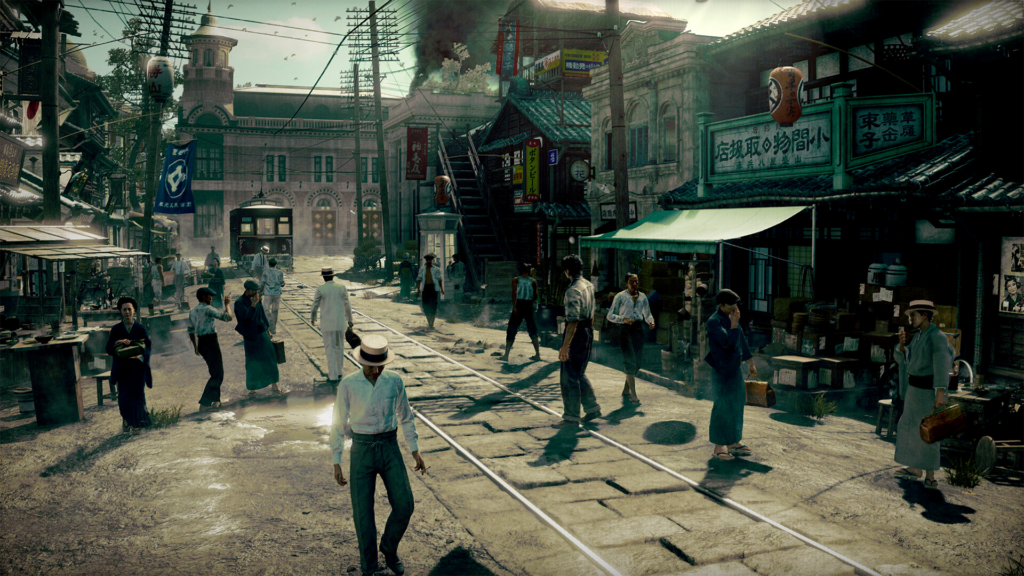
Instead of one sprawling district, the game moves through five locations tied to five points in the 20th century. Each era frames a different chapter of Makoto’s life.
| Year | Location |
|---|---|
| 1915 | Kokura, Fukuoka |
| 1929 | Kure, Hiroshima |
| 1943 | Minami, Osaka |
| 1951 | Atami, Shizuoka |
| 1965 | Shinjuku, Tokyo |
How combat and music work
Combat runs from a third-person view with a split-control twist. Makoto’s left and right sides can be controlled independently, so punches and kicks map to buttons on the matching side of the body. He can also pick up and upgrade a range of weapons.
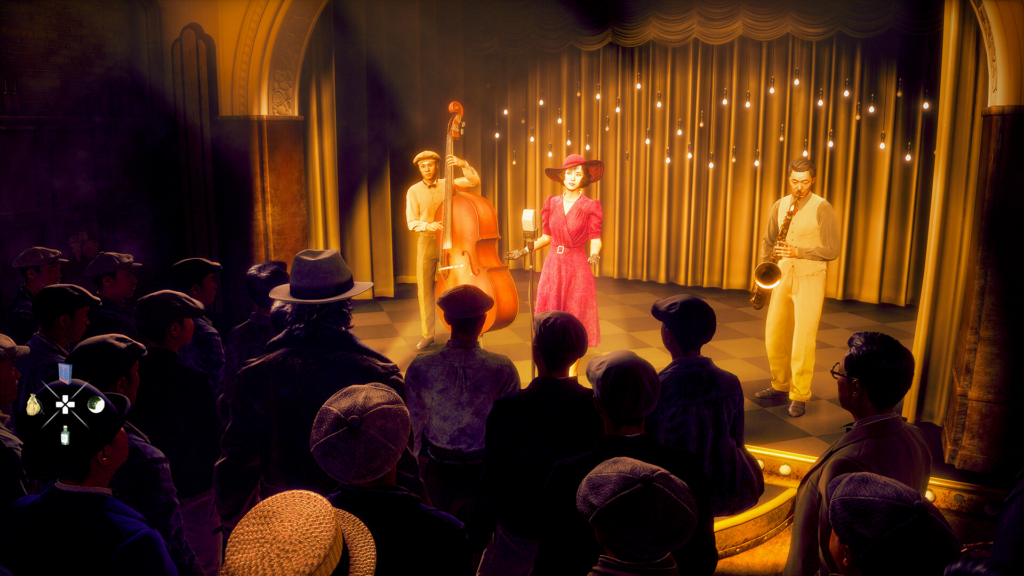
Music is built into the systems, not just the soundtrack. As Makoto moves through environments, he can capture ambient sounds and store them as “recordings,” then bring those to composers to build original pieces. On top of that, there’s a management layer where he acts as a showman, organizing musical shows, recruiting musicians off the street, and placing ads to fill seats.
Cast and voice approach
The lineup mixes Japanese and American actors, with several musicians both voicing characters and performing the main theme song. Snoop Dogg appears as a smuggler named Orpheus, Tori Kelly plays overseas singer Suzy Day, Ado voices Keiko Shirai, and Satoshi Fujihara of Official Hige Dandism rounds out the four artists behind the title track. Yu Shirota voices Makoto, with Dean Fujioka as his rival Yu Shinjo.
Two posthumous likenesses also feature, used with estate permission. Late actor Bunta Sugawara appears as Genzo Iwaki, voiced by Takashi Ukaji, and Tupac Shakur’s likeness is used for a character named Amaru, whose voice actor hasn’t been named. Ado’s character was given an original design to protect the singer’s hidden identity, with Yokoyama noting any resemblance is coincidental.
One technical change is worth flagging. Unlike recent RGG titles that ship separate Japanese and English voice tracks, this game uses a single unified track where both languages appear depending on each scene’s setting and the characters speaking. The goal is to keep the world authentic to who these people are and how fluent they’d realistically be.
For now, January 15th, 2027 is the day to circle. Sega and RGG Studio still have room to confirm preload windows, edition details, and a precise go-live time as launch gets closer, but the platforms and date itself are settled.