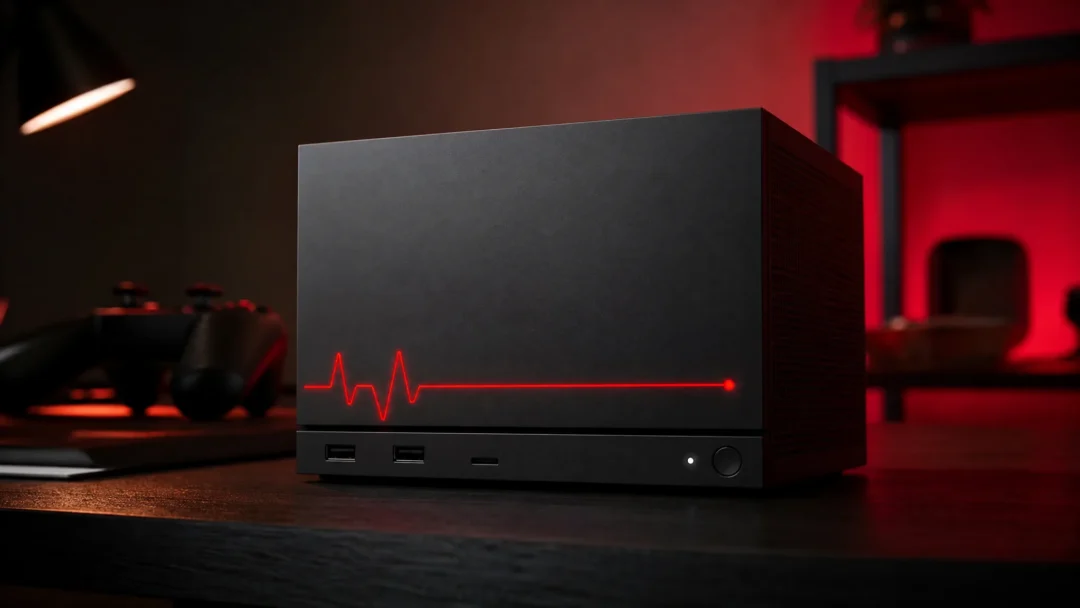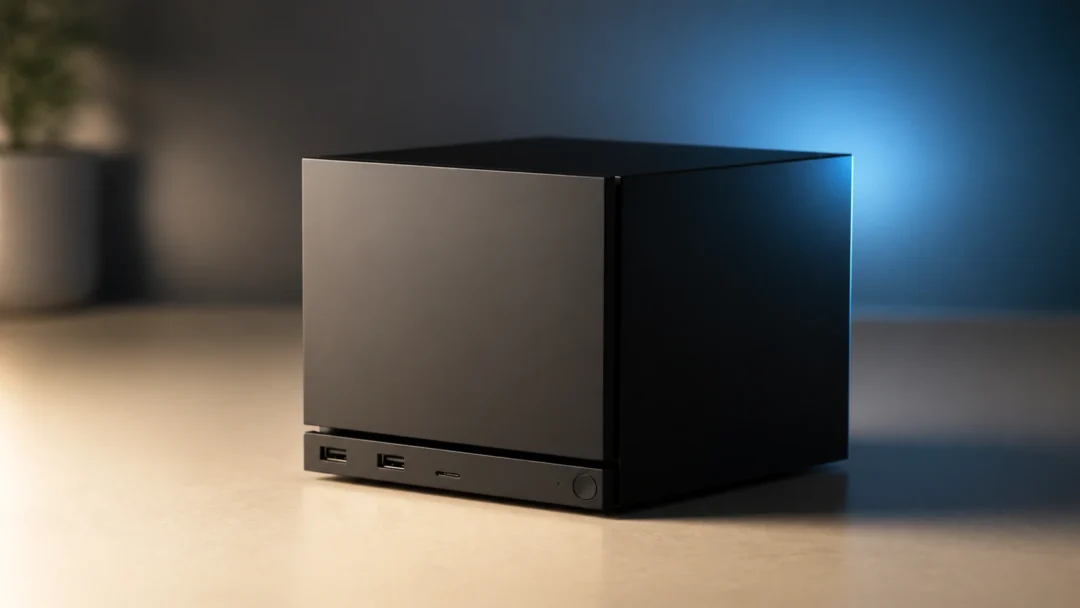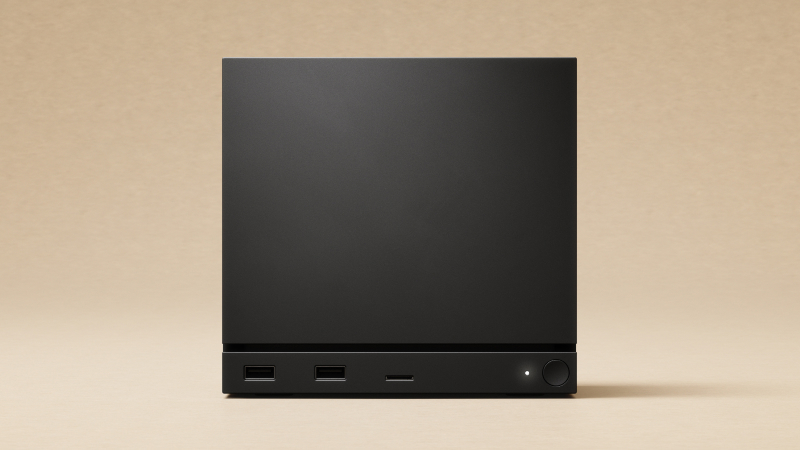
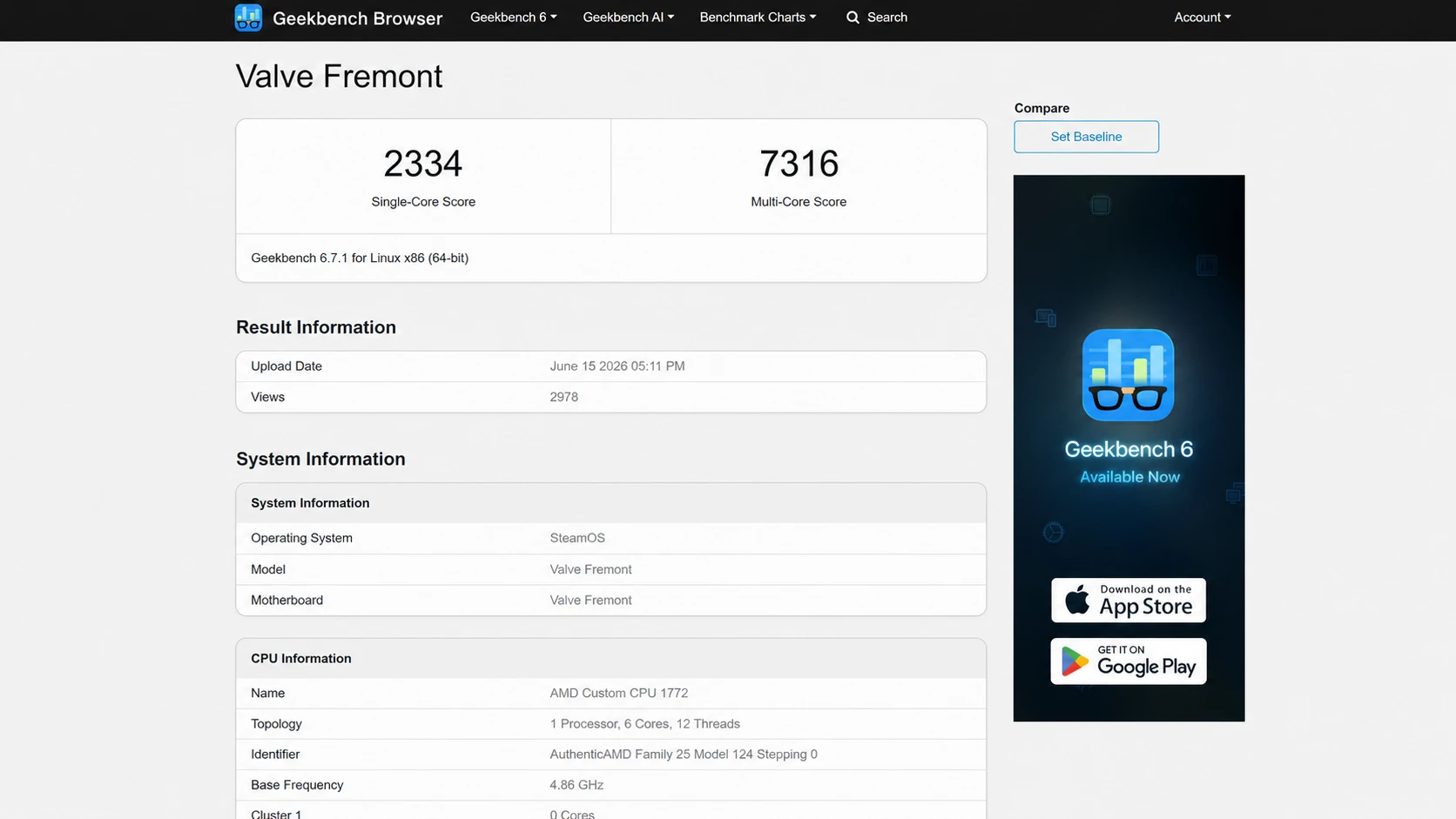
The Steam Machine just left a clear footprint where unreleased hardware usually does its talking. Two fresh Geekbench 6.7.1 entries dated June 15 show a Valve device running SteamOS, with a custom AMD processor whose specs line up exactly with Valve’s living room PC. The system isn’t labeled “Steam Machine” in the listing, but the codename Valve Fremont and the matching chip leave little doubt about what it is.
Quick answer: A Valve Fremont device with an AMD Custom CPU 1772 (6 cores, 12 threads, 4.86 GHz base) appeared on Geekbench running SteamOS. Benchmark runs like this usually mean final units are in reviewers’ hands, which typically points to a release within roughly one to four weeks. Valve has not confirmed a date.
What the Steam Machine Geekbench leak shows
Geekbench results are a reliable tell for upcoming hardware. Reviewers, retail staff, and people inside a company often run the benchmark on near-final units, and the tool quietly uploads the result to Geekbench’s public database. The Steam Machine has now shown up this way.
What makes these particular entries notable is the operating system. The Valve Fremont name had surfaced on Geekbench before, but those earlier runs from August 2025 used Windows. These are the first listings to show SteamOS, the Linux-based system Valve built for the device. SteamOS only recently began supporting the custom AMD hardware after the rollout of the SteamOS 3.8.9 Beta update, so seeing it here suggests the software and hardware are now paired and being tested together.
Steam Machine CPU specs and benchmark scores
The processor in the listing is an AMD Custom CPU 1772 with six cores and twelve threads, running at a 4.86 GHz base frequency. This is a CPU-only benchmark, so it reveals nothing about the GPU, which is the part that will really decide how the Steam Machine stacks up against current consoles.
| Measure | Steam Machine (Valve Fremont) | Reference point |
|---|---|---|
| Cores / threads | 6 cores, 12 threads | — |
| Base clock | 4.86 GHz | — |
| Single-core score | 2,334 | PS5 CPU: 1,218 |
| Multi-core score | 7,316 | Ryzen 5 7600: ~12,000 |
The single-core figure is roughly double the PlayStation 5’s CPU, which suggests the Steam Machine should hold up well in CPU-heavy tasks and emulation. Against a desktop part, the picture is more modest. The single-core result sits just under a Ryzen 5 7600 (around 2,750 points), the chip it most closely resembles, while the multi-core score of 7,316 trails the 7600’s roughly 12,000. The SteamOS scores are in line with the earlier Windows runs, so the move to Linux doesn’t appear to change raw performance much.
What the benchmark means for the Steam Machine release date
Hardware that turns up on Geekbench under its final operating system is usually close to shipping. When review units are already circulating, the typical gap to launch runs from about one to four weeks. That timing matches a wider set of signals pointing at a summer 2026 window, with several suggesting the very start of the season.
Reports earlier in June indicated that the first Steam Machine review units had been shipped to reviewers and content creators, with a review embargo said to lift after June 23 and pre-order and pricing details planned somewhere between June 22 and June 30. Package contents reportedly include a Steam Controller, mounting brackets, and interchangeable faceplates, though it’s unclear whether those accessories are part of the retail bundle or just the review kit.
There’s also a paper trail. The FCC filing for Valve’s “Video Game Machine” (FCC ID 2AES4-1016) has some documents still locked, including the user manual and internal photos, which are set to become viewable on June 29. With the Steam Controller, similar materials went public shortly around that product’s release, so the date has fueled speculation about an imminent launch. The Steam Frame, Valve’s standalone VR headset, has separately cleared regulatory approval in Canada.
None of this is official. Valve has not announced a Steam Machine date, and the leaker behind the reveal and reservation timing has said those dates aren’t fully confirmed. Several recent rumors about Valve hardware imports came to nothing, so treat the specific days as unverified until Valve says otherwise.
Steam Machine price expectations
Price is the remaining unknown, and it’s the part that worries fans most. The internal target is said to have already topped the $949 Steam Deck OLED, a concern made worse by the ongoing DRAM and storage shortage driving up component costs. The Steam Machine’s specs include 16GB DDR5 RAM and either a 512GB or 2TB SSD, both areas hit hard by AI-driven demand.
Earlier retail estimates pointed to roughly $950 for the 512GB model and about $1,070 for the 2TB version. Many gamers are hoping for something between $600 and $800 to sit closer to traditional consoles, while others brace for a figure above $1,000. You can keep an eye on the official Steam Machine product page for confirmed pricing once Valve commits to a number.
For now, the benchmark is the strongest sign yet that the Steam Machine has moved from rumor to finished hardware out in the field. The CPU numbers are known, SteamOS is running on it, and units appear to be with reviewers. What’s left is the part Valve still controls completely, which is when it lifts the curtain and what it asks you to pay.