
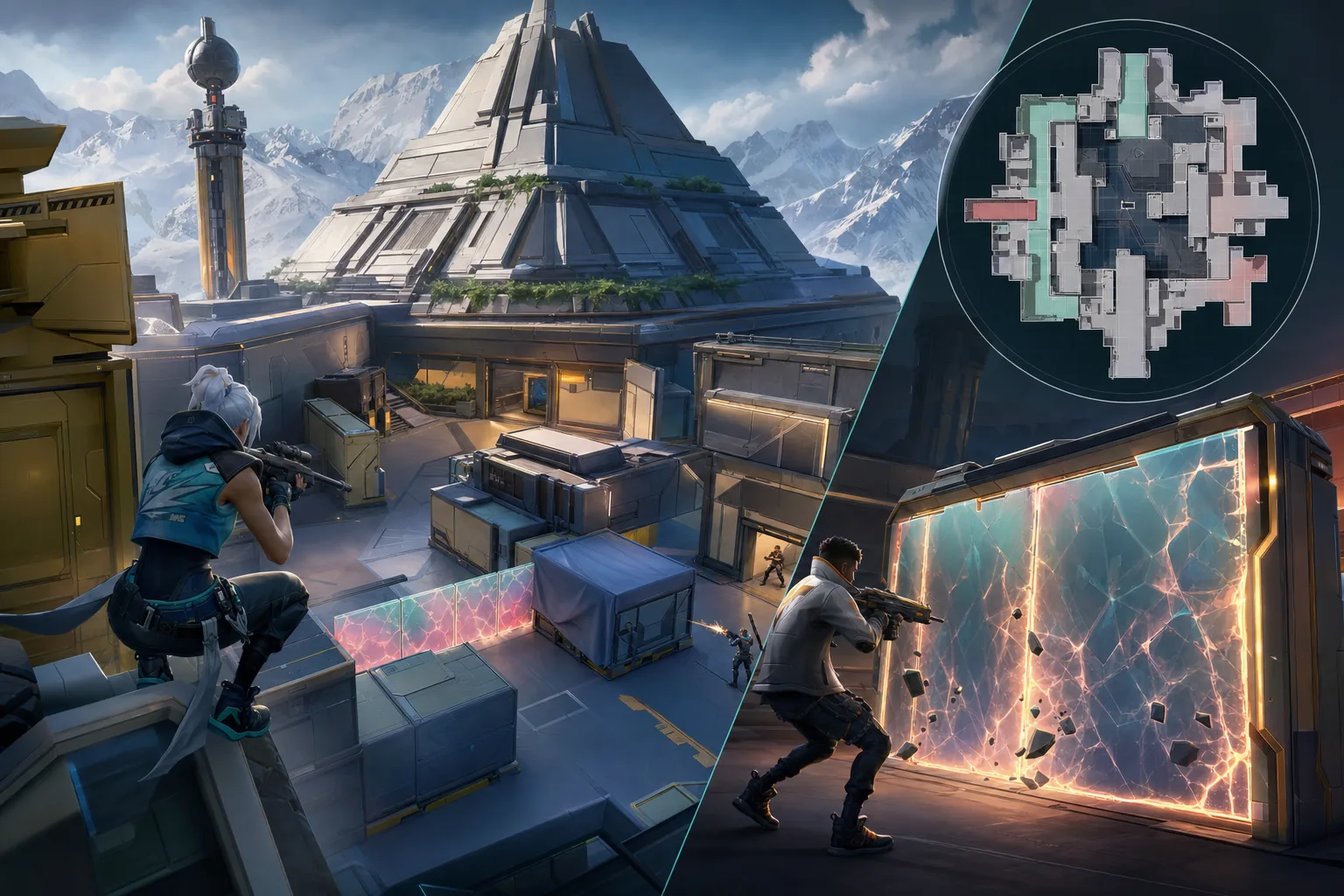
Summit is the thirteenth map joining VALORANT’s roster, launching on June 24, 2026, as part of Season 2026 // Act 4 (patch v13.00). Set in a Radiant training academy high in the mountains of Zhangjiajie, Hunan, China, the map follows a familiar three-lane, two-site structure but layers in a round-altering mechanic that no other VALORANT map currently offers: three walls that can be permanently dropped mid-round by shooting a switch.
Quick answer: Summit goes live on June 24, 2026, is immediately available in Competitive queue, and features three droppable walls — one on A site, one on B site, and one in Mid — that block sightlines and rotation paths for the rest of the round once triggered.
How the Droppable Walls Work
Each of Summit’s three droppable walls is tied to a shootable switch located near the wall itself. Any player on either team can activate a wall by destroying its switch — a 125 HP panel that drops after a few shots, or instantly when hit by an ability such as a Sova shock dart or Raze’s Showstopper. Once a wall drops, it stays down for the remainder of that round — there is no way to reopen it. The walls block key sightlines and cut off rotation paths, which means triggering one is a commitment that reshapes how both attackers and defenders can move through the map for every second that follows.
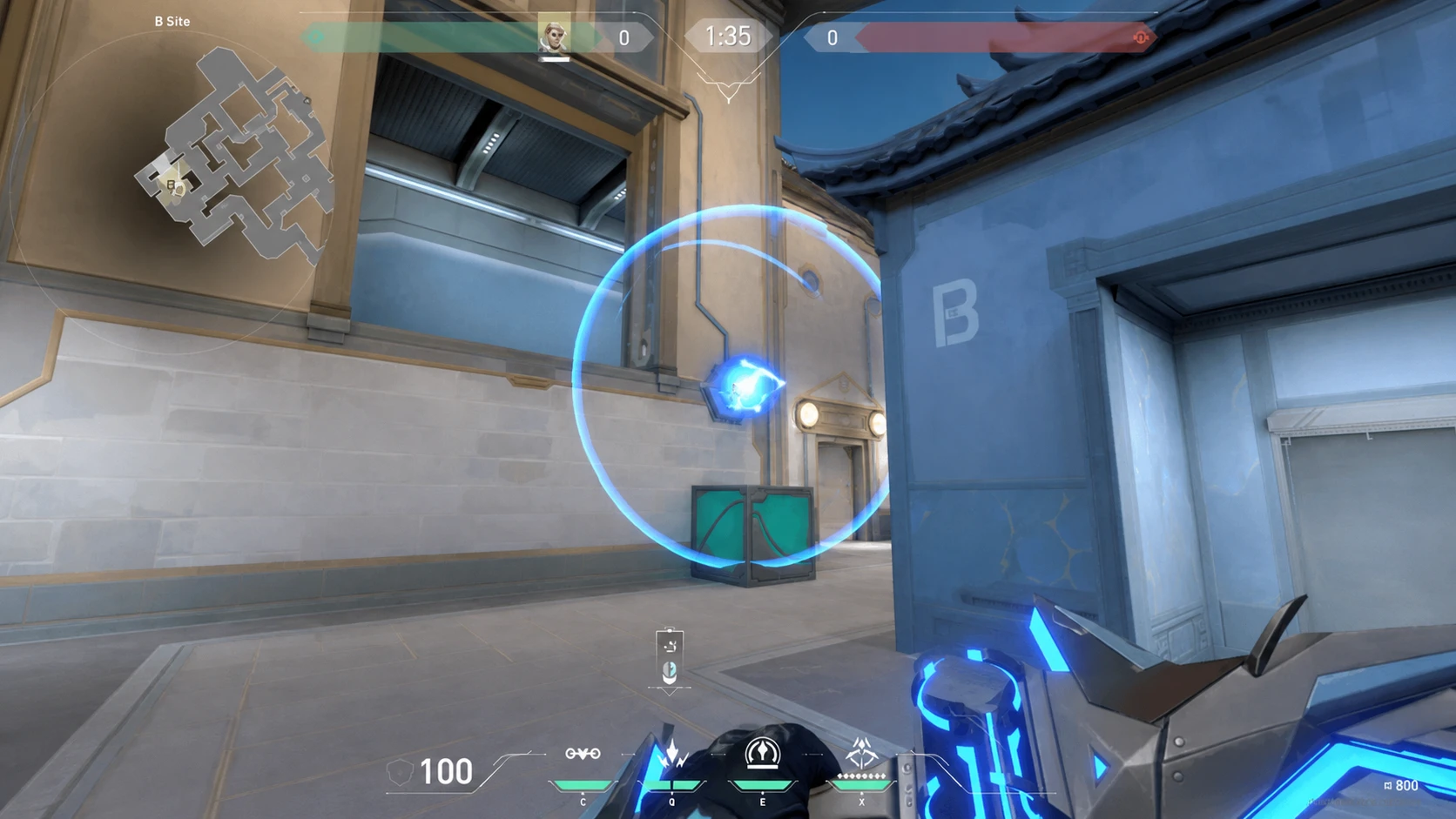
Because the walls are permanent within a round, timing matters. Dropping a wall early can lock out a flank route your team might need later. Dropping it late can deny a retake path right when defenders are scrambling to rotate. The mechanic rewards teams that coordinate wall usage with their executes and post-plant positioning rather than shooting switches reflexively.
Layout and Site Design
Summit uses a conventional three-lane skeleton with attacker spawn feeding into A Main, Mid, and B Main, each leading toward their respective site or connecting corridors. Defender spawn sits behind both sites with rotation paths linking A and B through CT-side connectors.
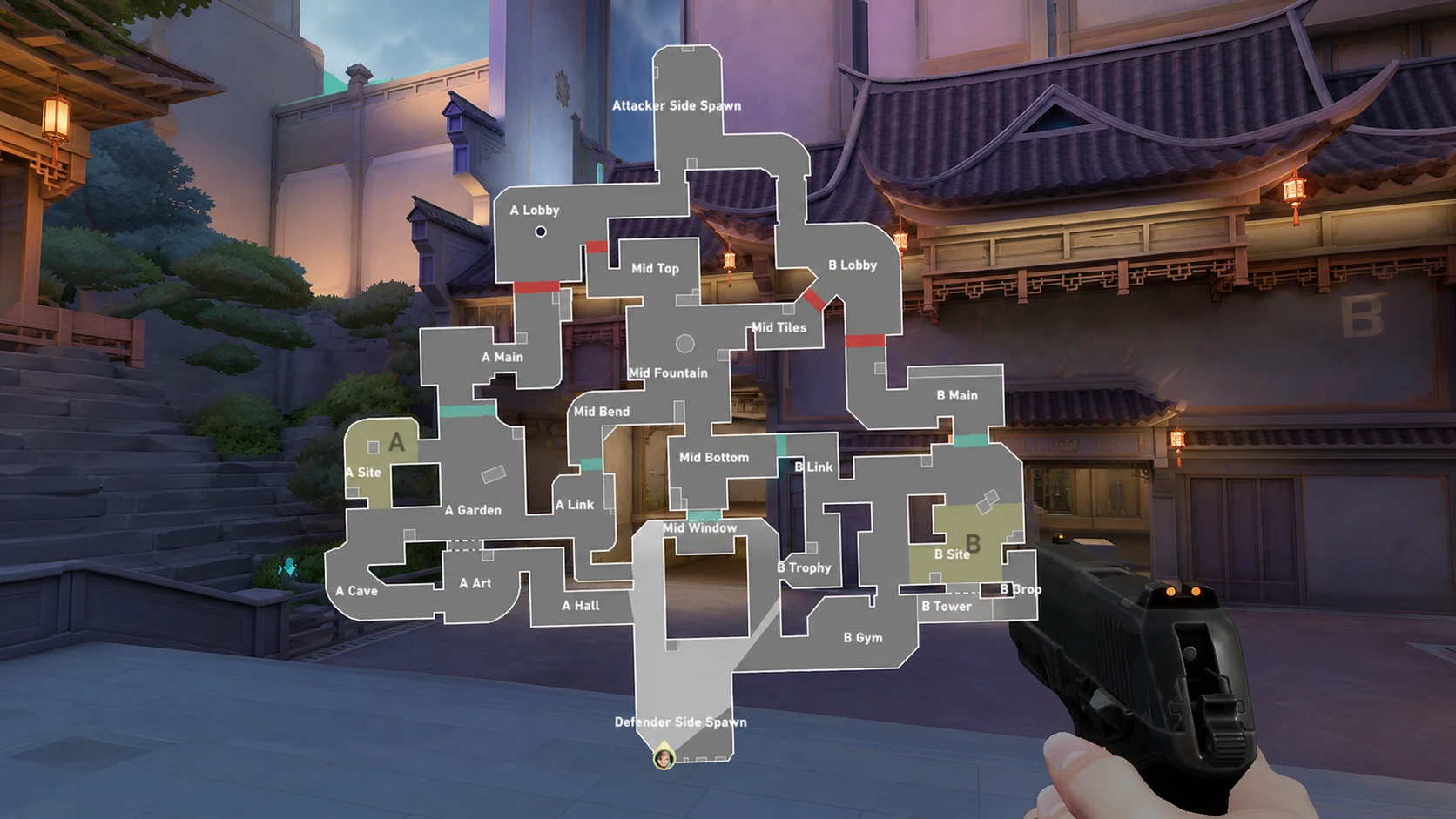
The A site plant area is notably compact. Attackers who plant from A Main cannot hold the spike from that same entry point because the geometry blocks direct vision onto the planted spike. Post-plant positioning forces players onto the site itself or behind on-site cover, which defenders should already be clearing during a retake. This makes A-site post-plants more contested than on many other VALORANT maps.
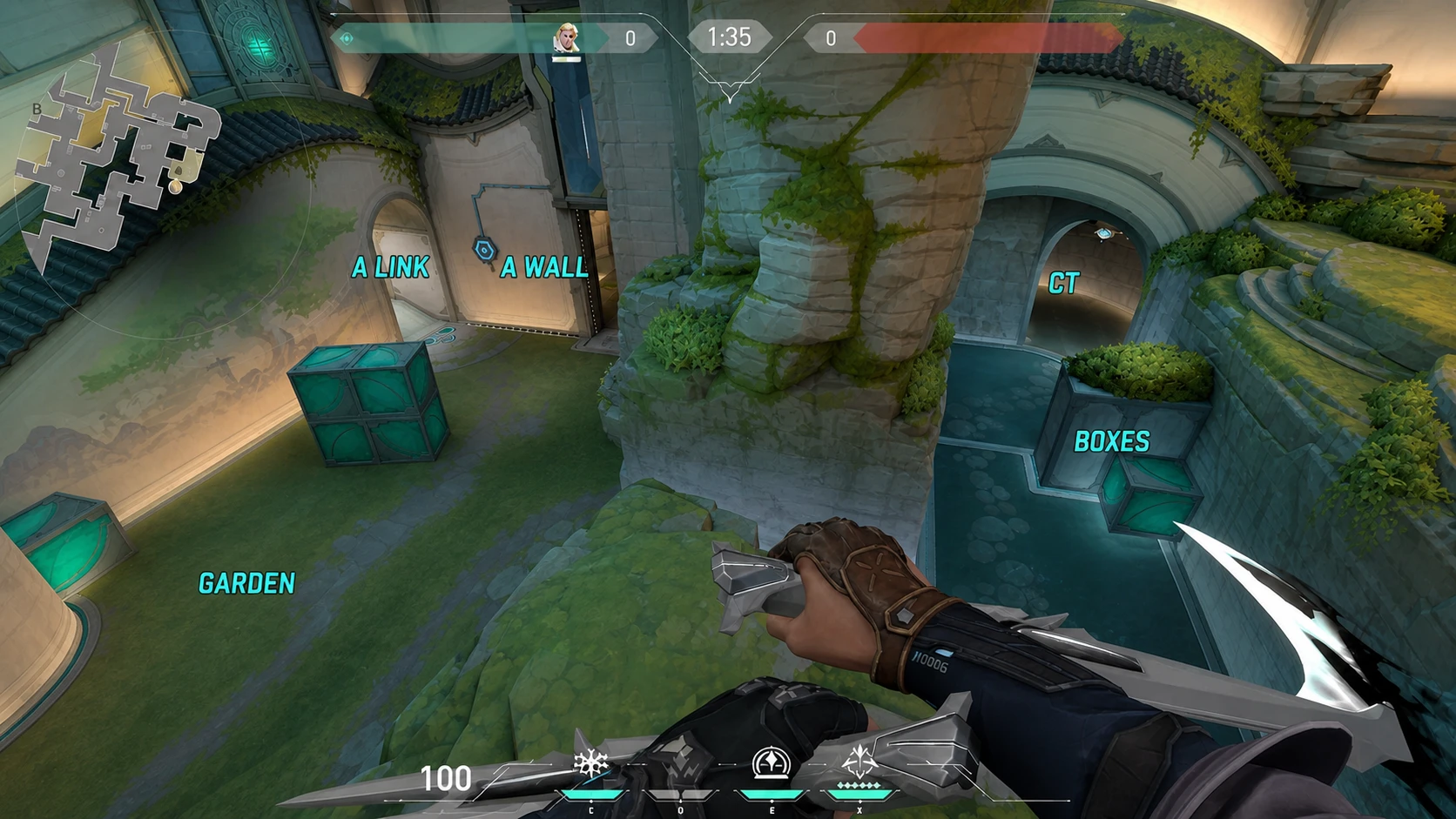
Summit’s three-lane skeleton draws comparisons to Ascent, while its larger, boxy Mid area opens up the kind of rotation and map-control play seen on Haven. The droppable walls and more open sightlines in certain areas still set its round flow apart as games develop.
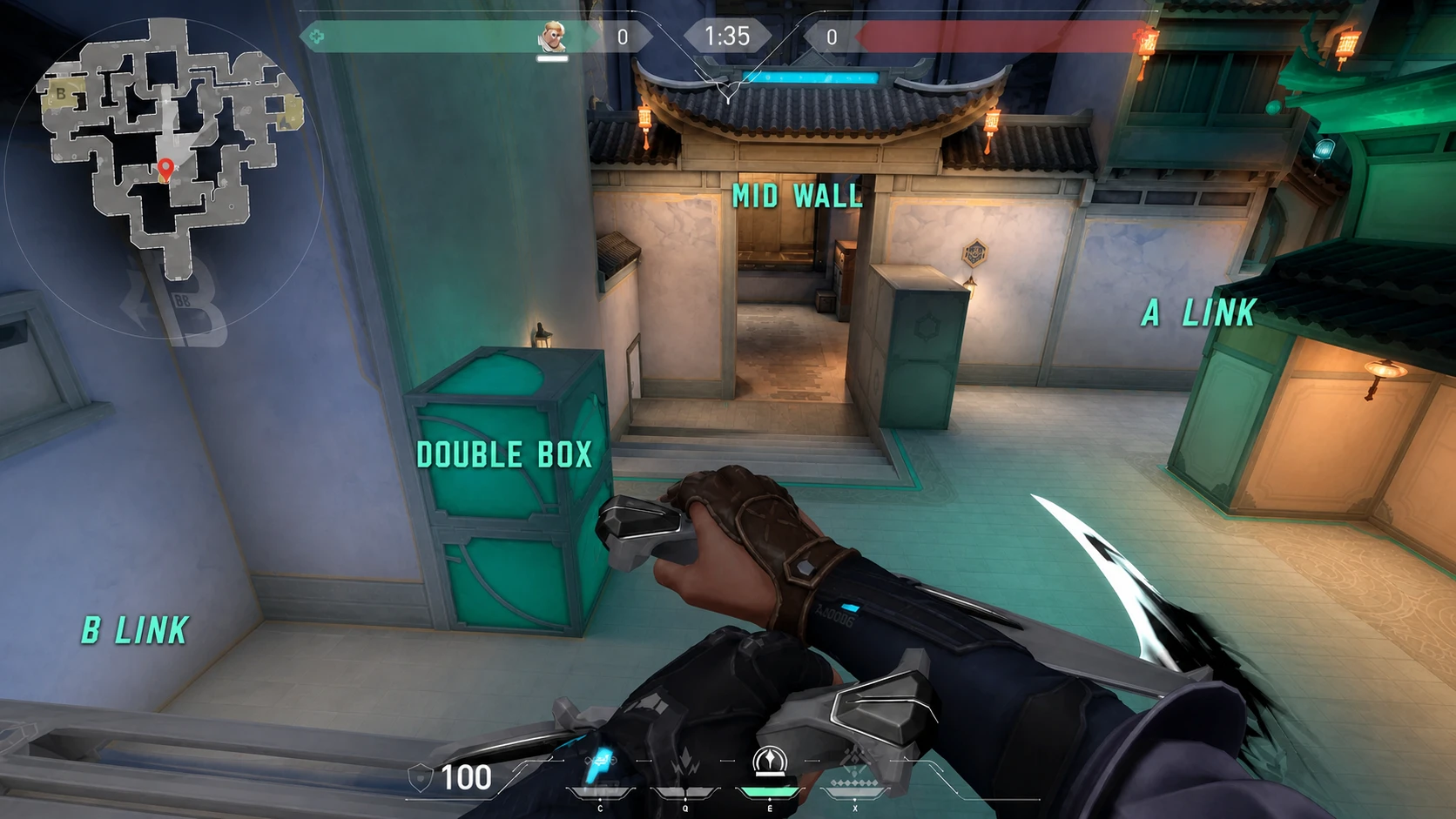
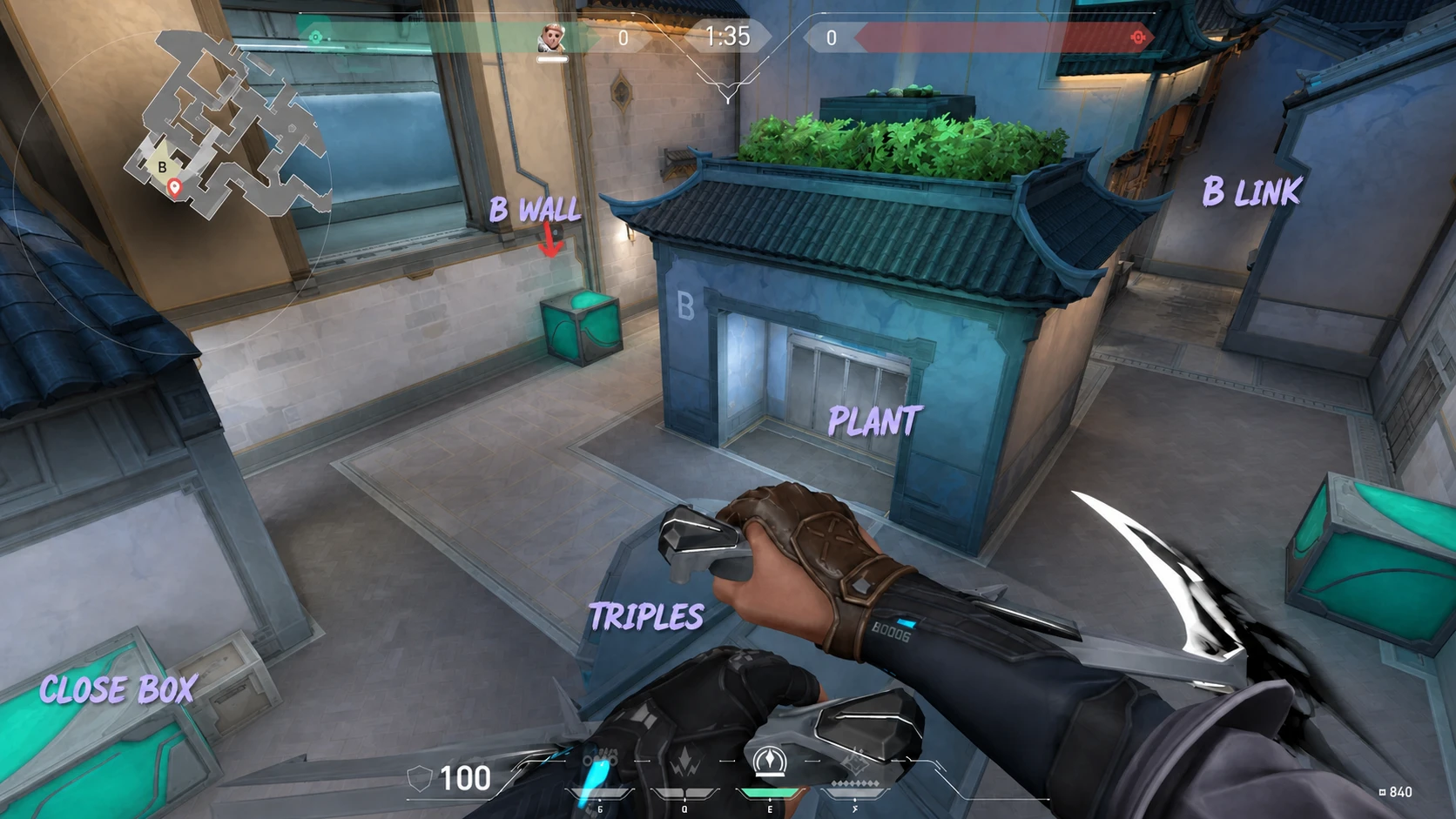
Both sites feature large pillars and multiple cubby angles. The map is spacious overall, and rotation times between sites are on the longer side, which puts a premium on reading the attacking team’s intentions early rather than relying on late rotates.
Competitive Queue and Reduced RR Loss
Unlike some past map launches that started in unrated only, Summit enters the Competitive queue on day one. To encourage players to learn the map without risking their rank, Riot is cutting RR losses in half for Summit games during the first two weeks after launch. Wins still award full RR, so there is a genuine incentive to queue into Summit early while the safety net is active.
A dedicated Summit Only queue will also be available for seven days after launch. Games in that queue use the Swiftplay format, which runs shorter matches — useful for getting reps on the map quickly without committing to a full-length Competitive game.
Lore and Visual Setting
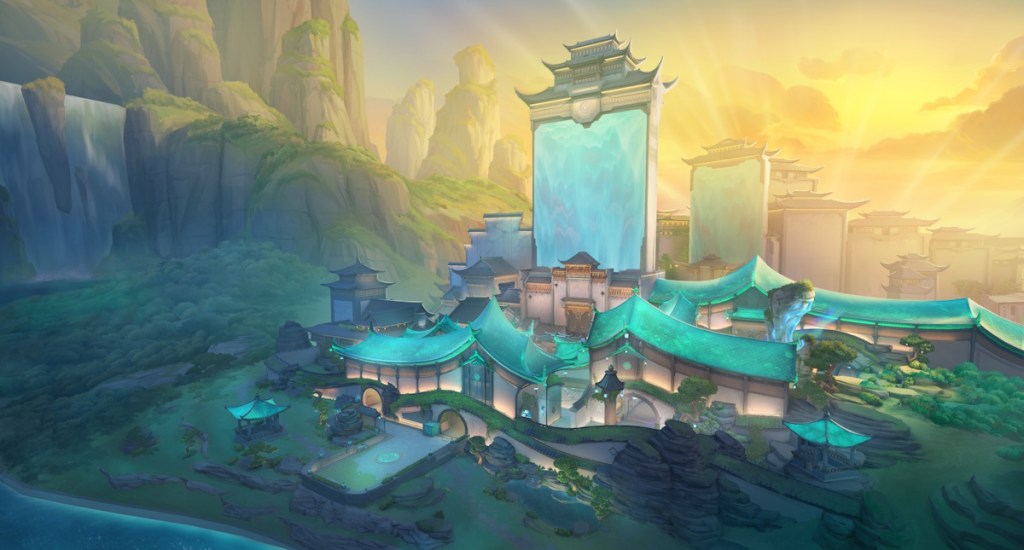
Thematically, Summit is a Radiant training monastery nestled in the mountains of China. The facility is tied to Sage’s backstory — she studied at this monastery before joining the VALORANT Protocol. The environment features training halls, meditation gardens, and mountain vistas. Visually, the map leans into traditional Chinese architectural elements blended with Radianite-infused aesthetics, giving it a distinct look even as its layout draws comparisons to existing maps.
What Else Arrives in Act 4
Summit is the headline addition, but the Season 2026 // Act 4 patch bundles several other changes alongside the new map.
| Addition | Details |
|---|---|
| Retake mode | A 3v3, round-based mode where the spike is already planted at the start of each round. Teams alternate attacking and defending, with randomized loadouts that escalate as the match progresses. First to five round wins takes the game. |
| Blackspyre Collection | A new skin line blending sci-fi and mystical themes. Includes skins for the Phantom, Sheriff, Spectre, and Ares, plus a new melee weapon. |
| New Battle Pass | Features items such as the Sky Reaper Ghost skin, Heal Up Squad player card, and Blep spray, among others. |
Early Strategy Considerations
The droppable walls create decision points that don’t exist on any other VALORANT map. On attack, dropping a wall behind your team after taking site control can eliminate a defender rotation path entirely, simplifying the post-plant. On defense, triggering a wall early can funnel attackers into a narrower set of entries, making utility usage more efficient — but it also locks your own rotators out of that path if the other site gets hit.
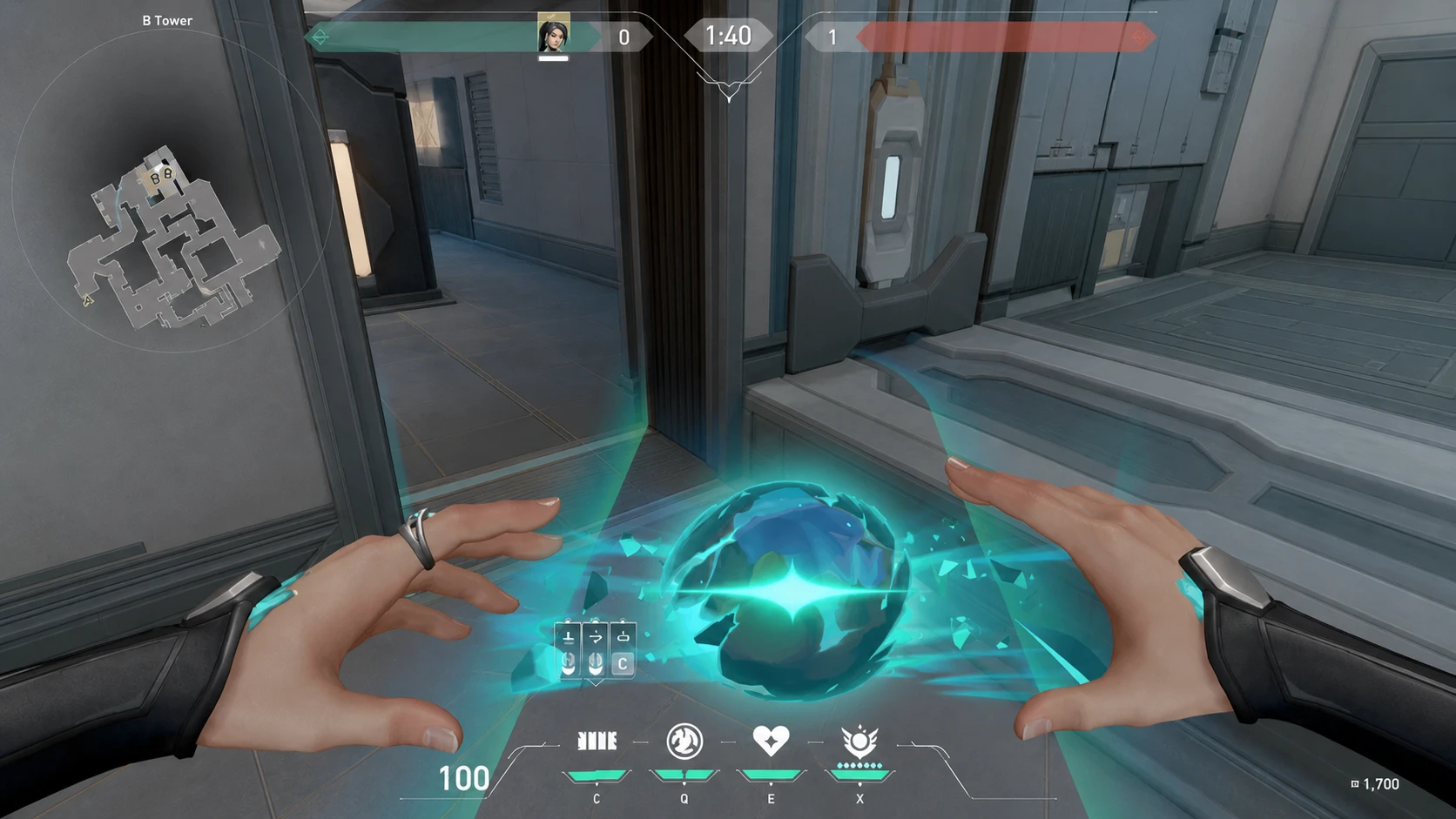
Initiator agents with recon abilities are likely to be valuable given the number of angles and cubbies across both sites. Sova and Skye in particular stand out, since their recon can clear multiple tight corners and flush out held angles quickly — valuable on a map where holding a site means checking a lot of positions. Sentinel and controller picks will likely revolve around which walls are still up and which rotation paths remain open, adding a layer of adaptive play that changes round to round.
Summit’s combination of a standard three-lane foundation with the wall mechanic means the map should feel approachable on first play but develop deeper strategic layers as teams learn when and where to commit their wall drops. The reduced RR loss window through early July is a good reason to jump in and start building that understanding before the training wheels come off.