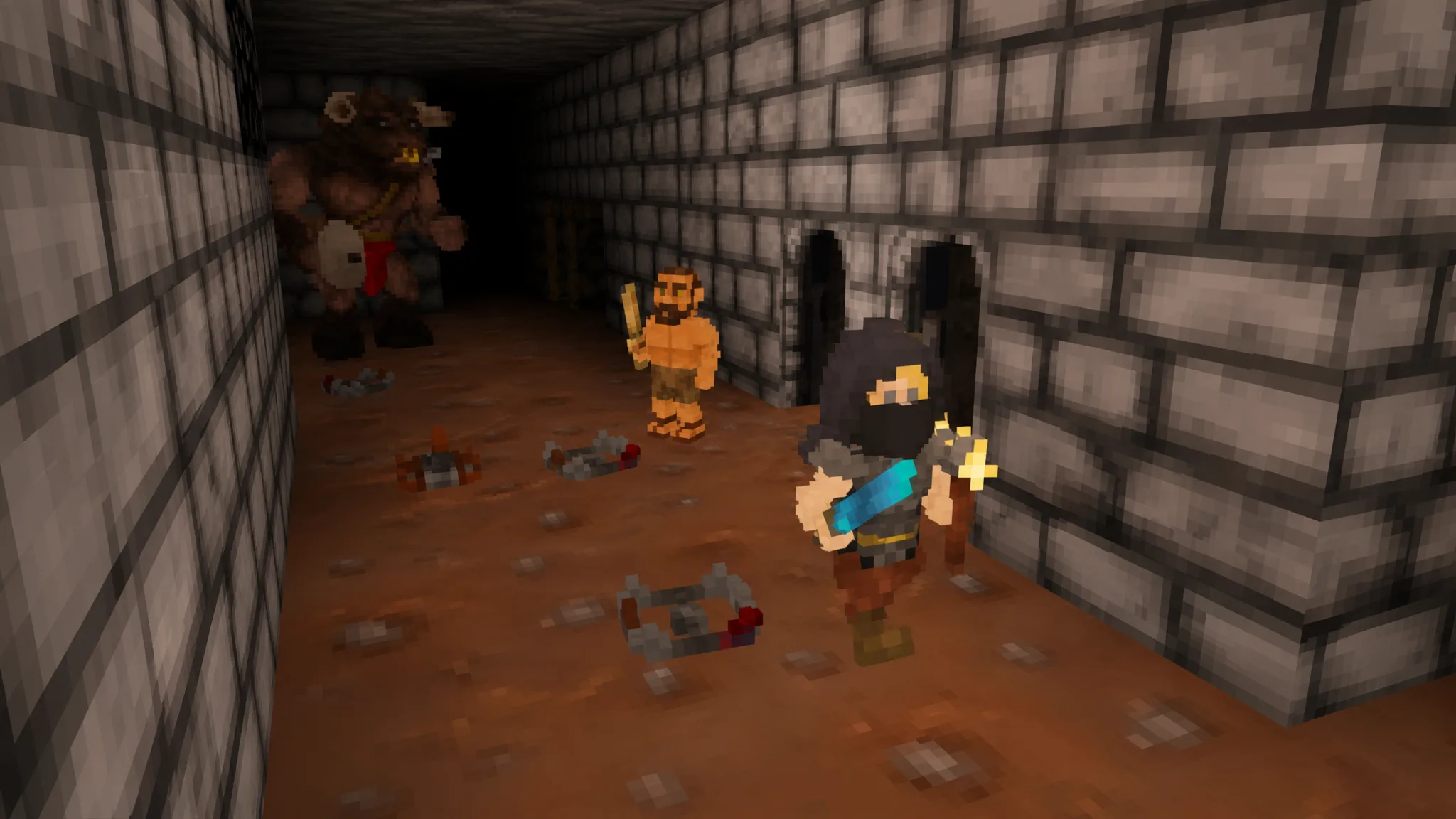
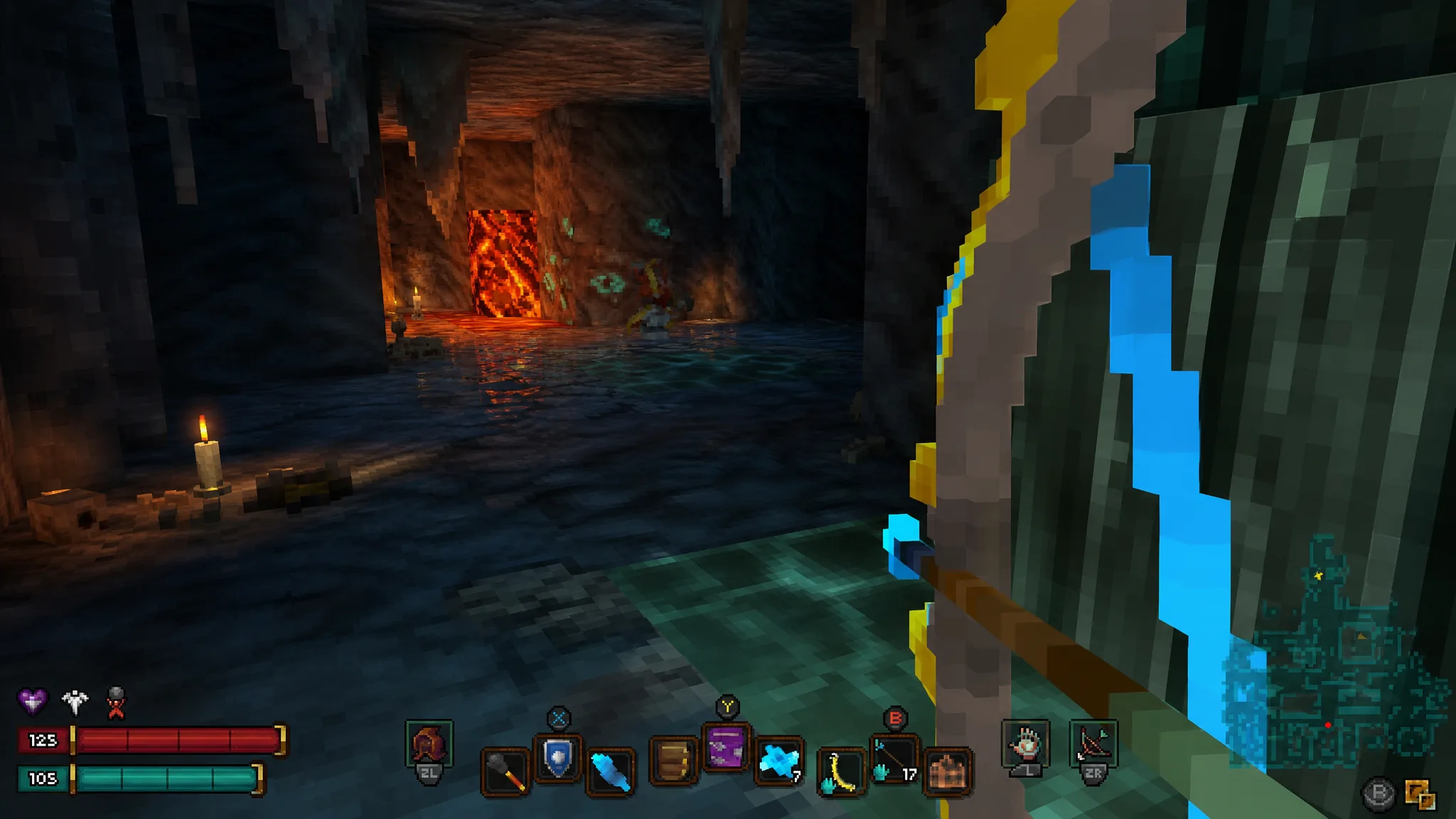
Barony drops you into a procedurally generated dungeon with permadeath, real hunger, and traps that can end a run in a single step. It rarely explains any of this. The fastest way to stop dying in the first few minutes is to change a handful of habits, starting with how you pick a class and how you handle the loot you find.
Quick answer: Start as the Wanderer for stealth and Perception, never equip unidentified gear until it is appraised, snuff out light to stay hidden, and stack Magic Resistance because magic ignores Armor Class. If a run feels unfair, turn off Hunger and random traps in the settings while you learn.
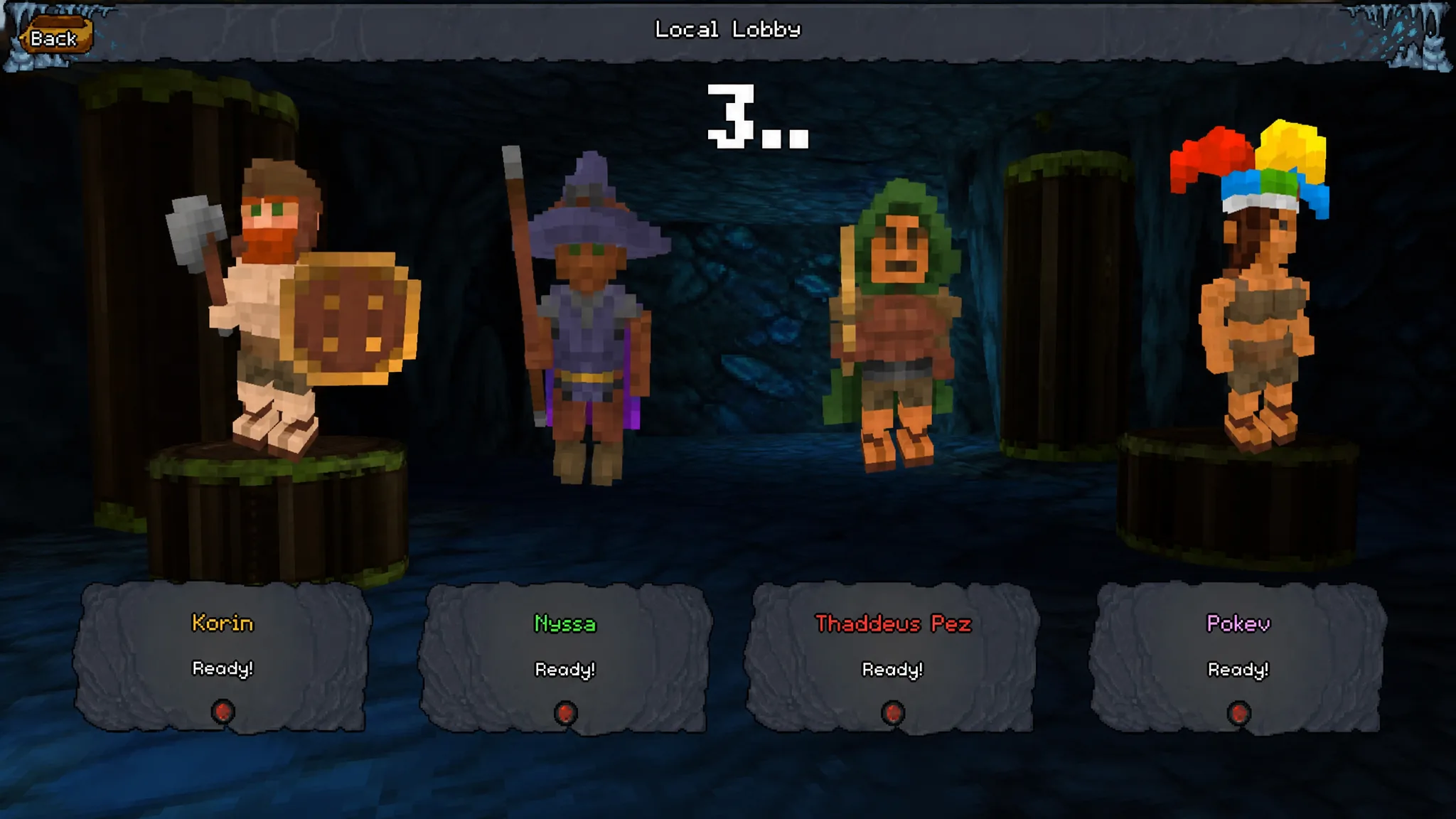
Pick a class that survives the first floors
Your run begins with a class choice, and there are well over a dozen of them. The Wanderer is the most forgiving starting pick. It is light on Armor, but it makes up for that with agility, a stealthy playstyle, and useful Perception right from the start, which helps you read items and spot danger early.
If you own the DLC, you can also switch your race into one of several monster types, and that changes the run in both directions. Skeletons, for example, never get hungry, which removes the food problem entirely. The trade-off is that they are weaker than most classes and read as hostile to Human NPCs, including shopkeepers, so trading becomes a problem.
Do not equip unidentified items (cursed gear and appraisal)
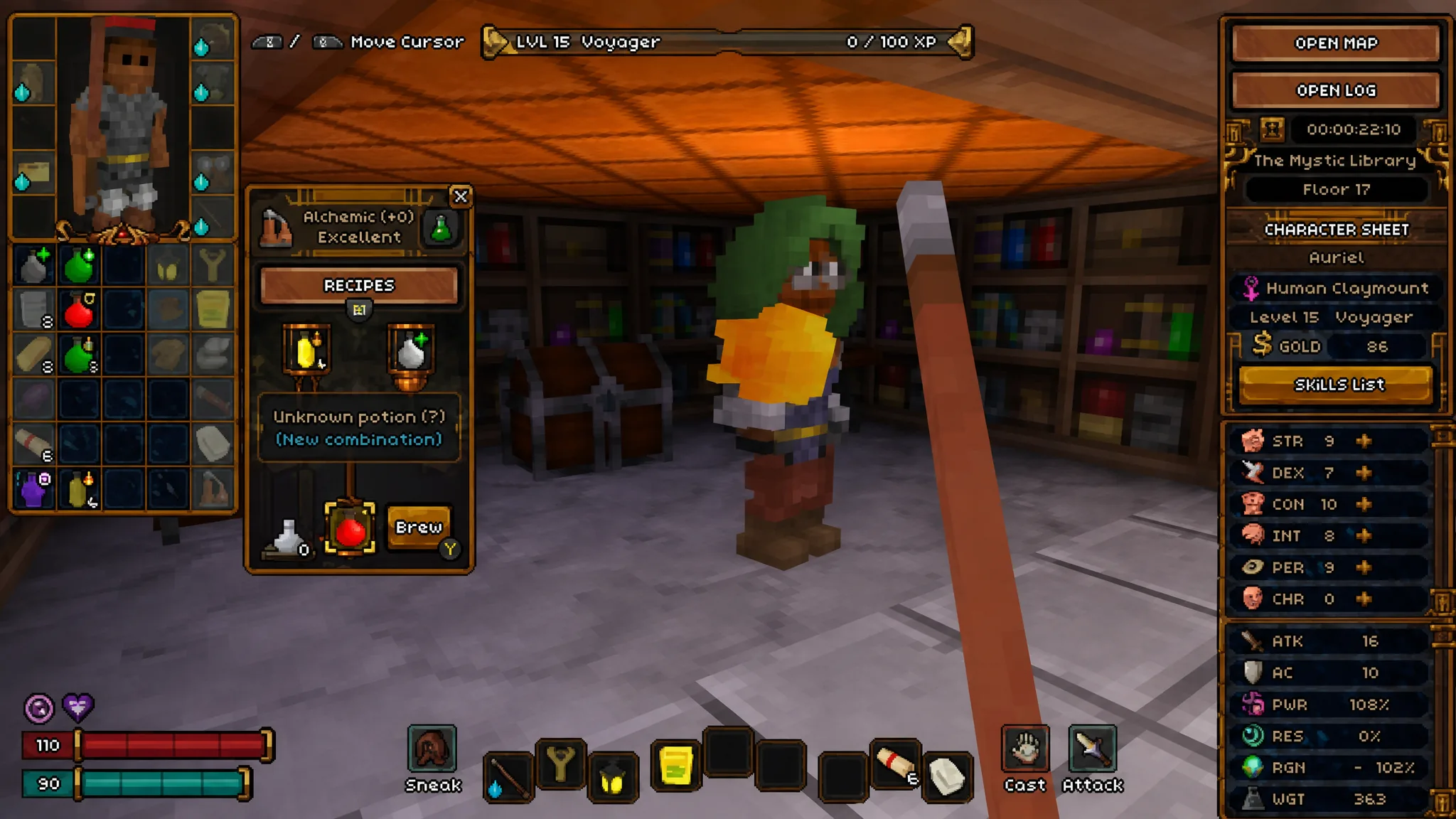
Loot pours in as you explore, but some of it is cursed, marked by a red border. Equip a cursed item and you are stuck with its effect until you can remove the curse. The safe rule is to leave unidentified gear unequipped until it has been appraised, which you do by raising your Perception or your Lore skill.
You will still misjudge a few items in the early hours, and that is normal. The forgiving part is that items get auto-appraised the moment you reach the next floor, so anything you carry down will eventually reveal itself even if your appraisal skill is low.
Tip: Appraisal itself is worth training. You gain experience even on failed appraisals, and you can keep leveling the skill, which both protects you from curses and feeds your overall character level.
Use darkness and stealth to control fights
Creatures in Barony hunt by line of sight, so light works against you as much as for you. Limiting your light sources and snuffing out torches in the dungeon lowers the chance of being spotted, which lets you choose when a fight starts instead of being ambushed.
Stealth is available to every class, not just rogue types. With nothing in your left hand, the left-hand button drops you into stealth, where enemies are less likely to notice you and you see better in the dark. From there you can slip past patrols or line up a backstab. A backstab combined with a charged strong hit lands a critical, and finishing an enemy that way registers an assassination and trains your stealth skill.
Two things break stealth fast: using a light spell while sneaking, and standing near allies whose torches give you away. Pulling torches off the walls before you sneak through a room helps keep you hidden.
Stack Magic Resistance because magic ignores Armor
Magic is one of the strongest tools in the game, and that cuts both ways. Plenty of enemies will throw spells at you, and magic bypasses Armor Class entirely, so heavy plate does nothing to soften it. Building up Magic Resistance is the counter, making you noticeably tankier against a whole category of threats that armor cannot stop.
Treat every trap as a possible run-ender
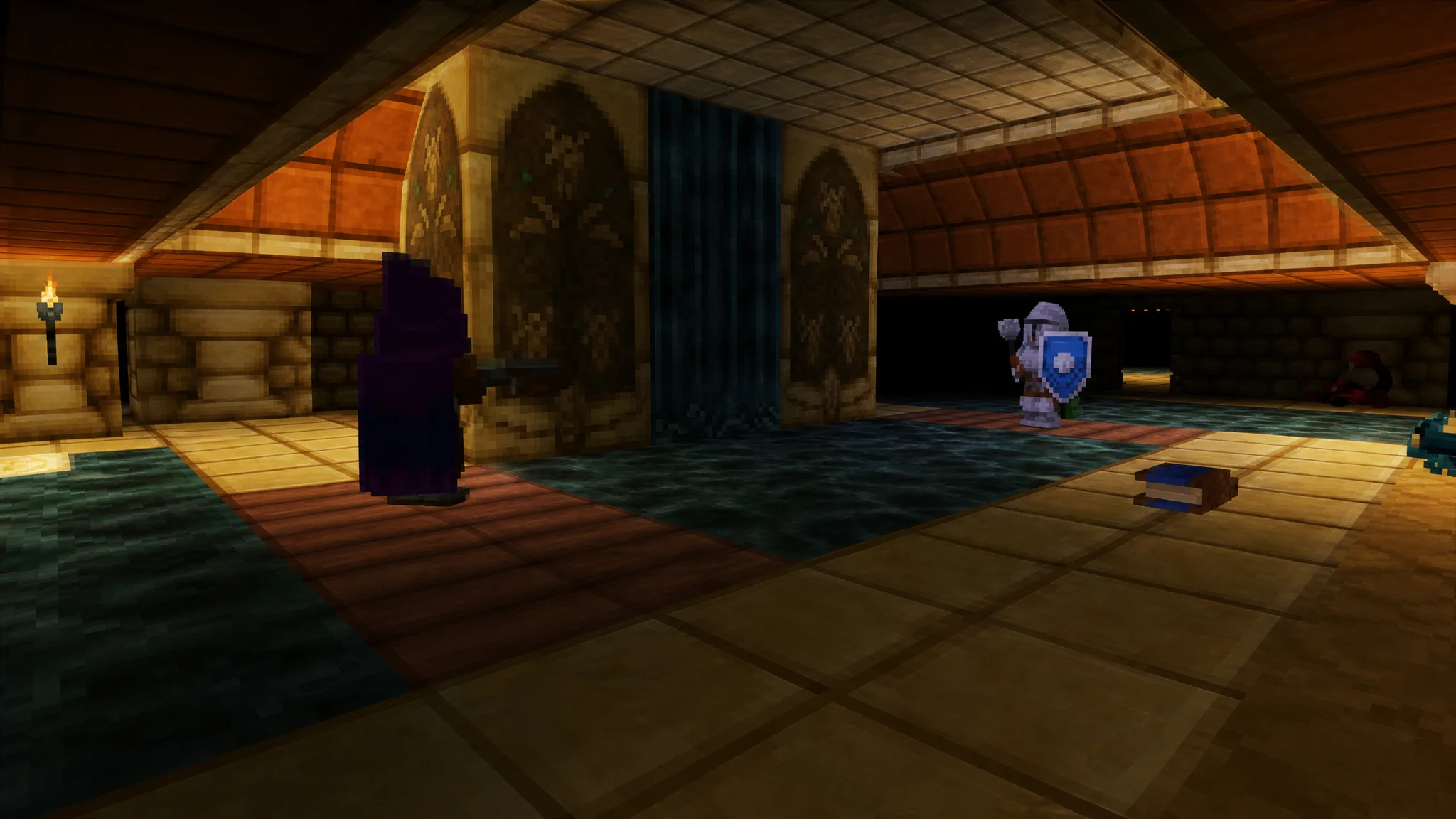
Permadeath means a single mistake can erase the whole character and everything they carry. Traps are deadlier than most monsters here, and they stay invisible until triggered or detected. Watch the floor for pressure plates, walls for dart launchers, and ceilings for falling blocks before you barrel into a room. A pickaxe or a mining spell can clear boulders that drop from triggered traps, and a pickaxe is worth carrying for the escapes it enables.
Win melee with blocking, openers, and weapon skill
Getting one-shot early usually comes down to standing still and trading blows. The goal is not to take the hit. Raise your shield and an incoming attack will often miss or get reduced to a couple of points of damage, and turning to run is a valid answer when you are outmatched.
Open fights from range when you can. Bows and spells let you soften or kill enemies before they reach you, and they save health and mana over a full floor. Holding the attack button charges a strong hit that fires automatically, which hits hard but needs timing, so do not wind it up when an enemy is already swinging at you.
Weapon skill matters more than raw weapon stats. The level of a specific weapon skill scales your damage heavily, so it pays to stick with one weapon type rather than swapping constantly. A “better” weapon you have no skill with can hit softer than the one you have trained, and a high enough skill can make even unarmed strikes viable. In co-op, have each player commit to a different weapon type so the group does not split its skill progress.
Manage weight, hunger, and skill grinding
Speed keeps you alive, and weight kills it. With low Strength, hauling too much loot or wearing chest armor slows you down badly, so stay light early and look for Boots of Speed. Hunger is the other silent killer, since you can starve on a floor with no food, and moldy food has a small chance not to make you sick, making it a desperate last resort.
Almost every skill you raise also feeds your character level, which opens up safe ways to grind. Casting through the charges of a low-value staff, such as a Staff of Locking, trains your spellcasting and magic skills. If you have plenty of food, a Ring of Slow Digestion, or a Skeleton character, you can sit on a level recovering mana to recast spells, or stand in water to level swimming without even moving. Do not try this on a Minotaur floor or in the Sand Labyrinth, where food is scarce and a hunter is coming for you.
Know what each biome throws at you
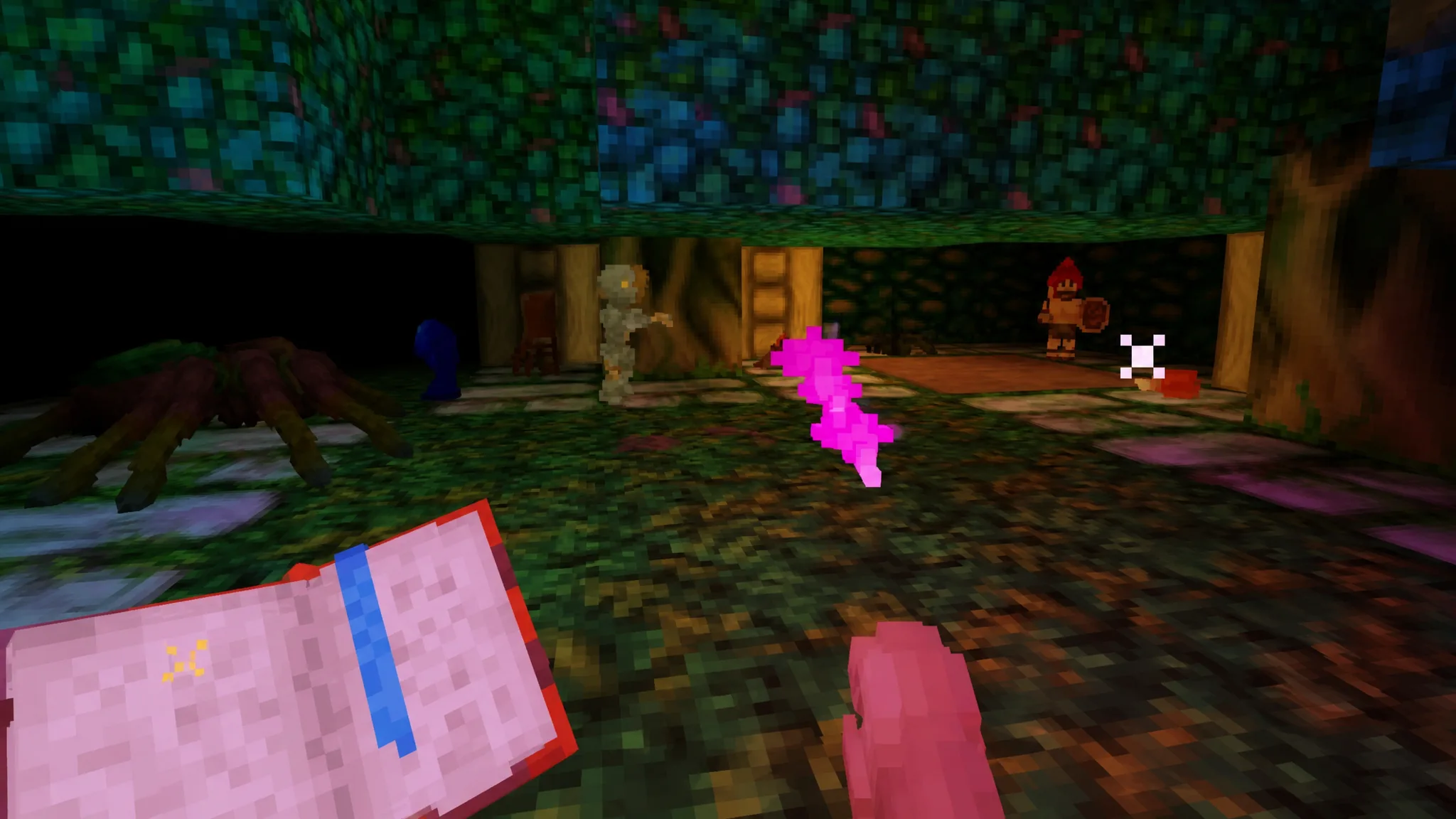
The dungeon descends through fixed biomes, each with its own hazards. Clearing them in order and adjusting your kit for each one keeps runs from ending on surprises.
| Biome | Levels | Main hazard |
|---|---|---|
| Mines | 1-5 | Basic enemies and simple traps; good for learning layouts |
| Swamp | 6-10 | Poison enemies and fog that cuts visibility |
| Sand Labyrinth | 11-15 | Maze navigation, sand traps, mummies, scarce food |
| Crystal Caves | 16-20 | Complex puzzles and enemies that reflect spells |
| Hell | 21-25 | Demons, fire hazards, and the final boss |
Secret levels, such as the gnome level, branch off through hidden entrances and suspicious walls. They are tougher than the standard floors, but the rewards are worth the risk. Carry a Staff of Opening to open locked chests and barred doors quickly, which also helps you reach those secret areas. If you plan to head into the underworld, bring levitation in some form, whether a ring, the skill, or a stack of levitation potions.
Soften the difficulty while you learn
Barony is hard by design, and special enemies like the Minotaur, who actively hunts you until you leave the floor, can make early runs feel hopeless. If you are getting overwhelmed, the settings let you turn off harsh parameters. Disabling Hunger management or the spawning of random traps removes two of the biggest early killers, so you can learn the core systems before switching them back on for the full experience.
None of this removes the tension that makes the dungeon worth descending, but it does cut down on the deaths that feel like the game never told you the rules. Pick a survivable class, respect cursed loot, fight from the shadows, and the climb toward Baron Herx becomes a challenge you can actually plan around.