
For a short stretch of Season 29, Apex Legends turned off premade squads in Ranked for its highest tiers. If you sat at Diamond or above, you could not group up with friends — everyone dropped in solo and got matched with two fresh squadmates. It was a deliberate matchmaking test, run in every region, and it landed exactly where the loudest complaints have been for years.
Quick answer: During the test, any player at Diamond or higher was blocked from queuing Ranked as a premade. You played solo, got two new teammates each match, and this applied to all regions with no exceptions. The window ran June 9 through June 23.
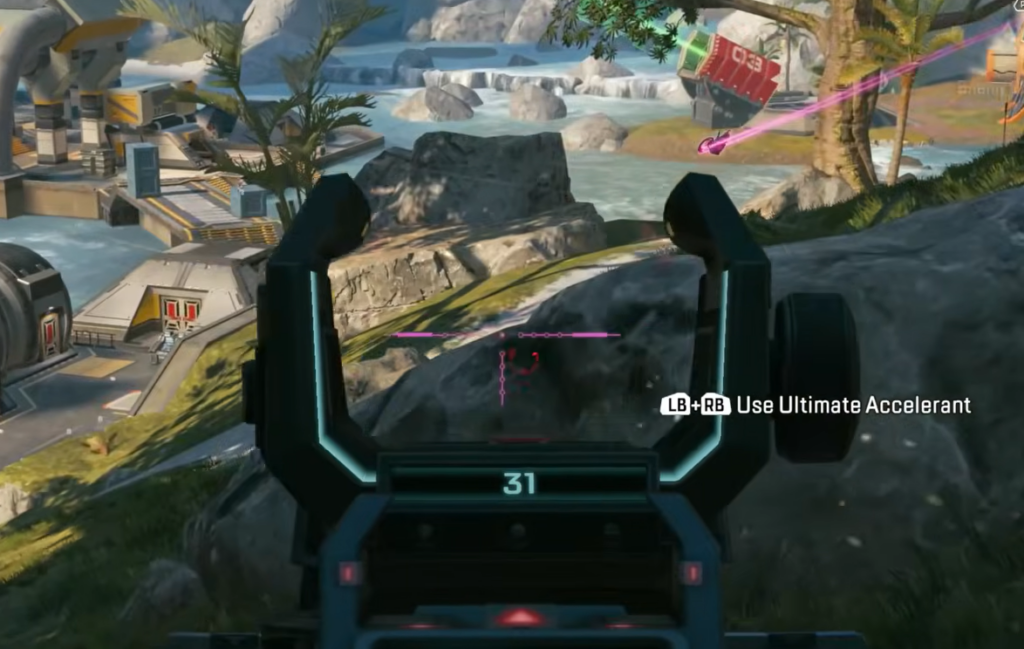
Who the Diamond+ solo-queue rule affected
The cutoff was rank-based, not region-based. Everything below Diamond played Ranked normally, with duos and full three-stacks intact. Everything from Diamond upward was forced into solo queue only.
| Rank | Premade squads in Ranked |
|---|---|
| Rookie through Platinum | Allowed (duos and trios) |
| Diamond | Blocked — solo only |
| Master | Blocked — solo only |
| Apex Predator | Blocked — solo only |
This was a temporary constraint with a fixed two-week window, not a permanent overhaul of Ranked.
Why Respawn forced solo queue at Diamond and above
The change targets one specific pain point: the gap between solo players and coordinated three-stacks. Communication and coordination are baked into how Apex plays, and they hand real advantages to grouped squads. In the upper tiers those advantages become decisive rather than helpful.
The data lines up with the frustration. Players who spend most of their games in a premade squad reach the highest tiers faster than solo players. Above Diamond, the performance gap between solos and full squads is at its widest, and a three-stack of equally high-skilled players tends to significantly outperform everyone else in the lobby. The goal was to level that playing field so results lean on individual skill plus two new squadmates.
The stated targets were more evenly matched high-skill lobbies, fewer hard-carries into Diamond, Master, and Predator, and more trust in the fairness of those matches. In short, a rank should reflect how you play, not how many strong friends you can queue with.
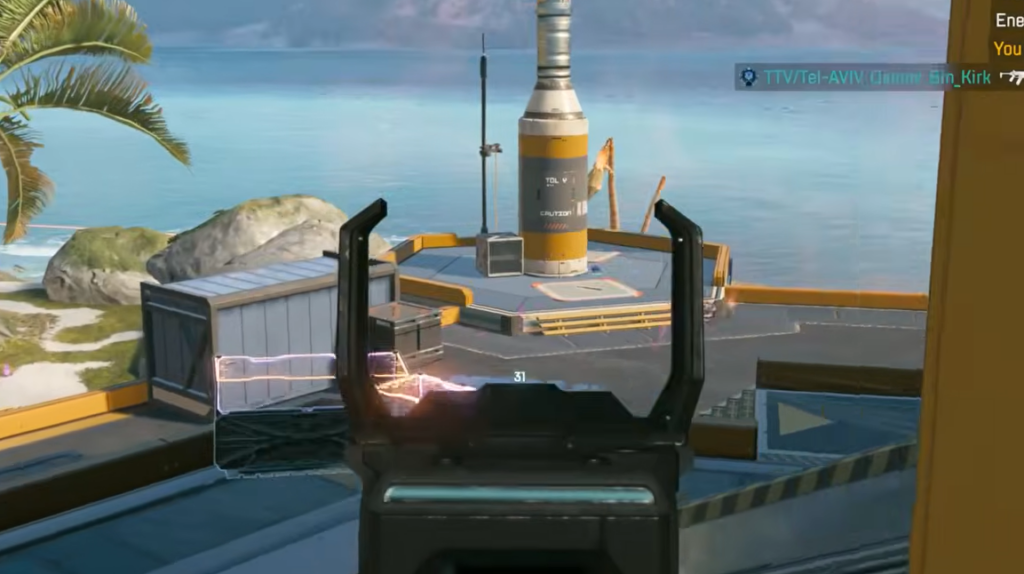
Why the queues weren’t split instead
The obvious alternative — a separate solo queue and a separate premade queue — creates more problems than it fixes. Splitting the pool fractures the player base into smaller groups, which pushes queue times up and match quality down. As a rough illustration, if the pool split evenly down the middle, each version of Ranked would have half the players, so wait times climb and matches get wider.
Running one queue with a solo-only constraint keeps the population together and queue times reasonable. That is why the test enforced solo play inside a single Ranked queue rather than spinning up a second one.
How this fits the wider matchmaking tests
The Diamond+ solo-queue rule was one of several matchmaking experiments run on specific regional servers so results could be compared cleanly against other regions playing at the same time. A few of these have already shipped as permanent changes.
| Test | Status |
|---|---|
| Increased max queue search time (30s to 60s) | Live globally in Ranked and Unranked Trios since May 7, 2026 |
| Bots in lower-skill Unranked lobbies | Rolling out slowly; no bots planned for Ranked |
| 4.5-hour Ranked map rotations (down from 24 hours) | Now standard for everyone |
| Diamond+ solo-queue only | Temporary two-week test, all regions |
| 1-tier locked Ranked premades | Active test |
The 1-tier premade lock is worth flagging alongside the solo-queue test. It limits grouping to one tier above or below your rank instead of two, aiming at the Platinum-into-Master mismatches that come from wide-skill squads dragging uneven lobbies together.
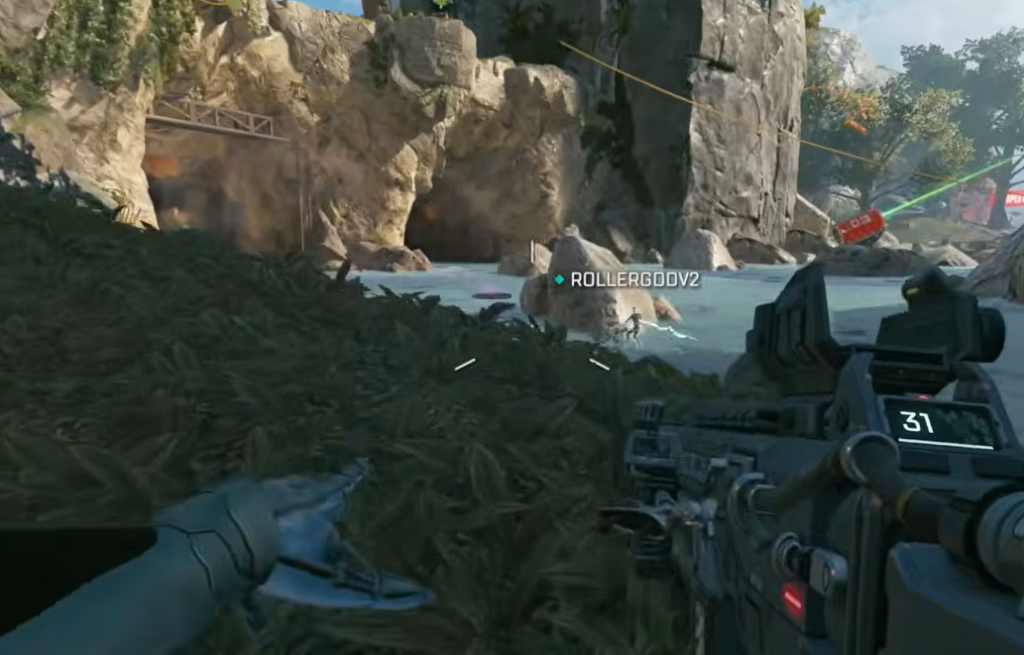
What happens after the test
The two-week window was framed as a learning period, not a final decision. Respawn said it was measuring both community sentiment and match data to judge whether leveling the field genuinely improved the top-end Ranked experience and the integrity of those matches.
The trade-off was acknowledged up front. Playing with friends is a core part of Apex and a major driver of long-term retention, so removing it from the highest Ranked tiers was expected to sting for anyone who queues together. The stated position is that fairness was prioritized as the constraint for this specific test, and if the results don’t support solo-queue as a long-term fix, other approaches to the same problem will be evaluated. No permanent Diamond+ solo-only rule has been confirmed, so how you queue in the upper tiers going forward depends on what that data shows.