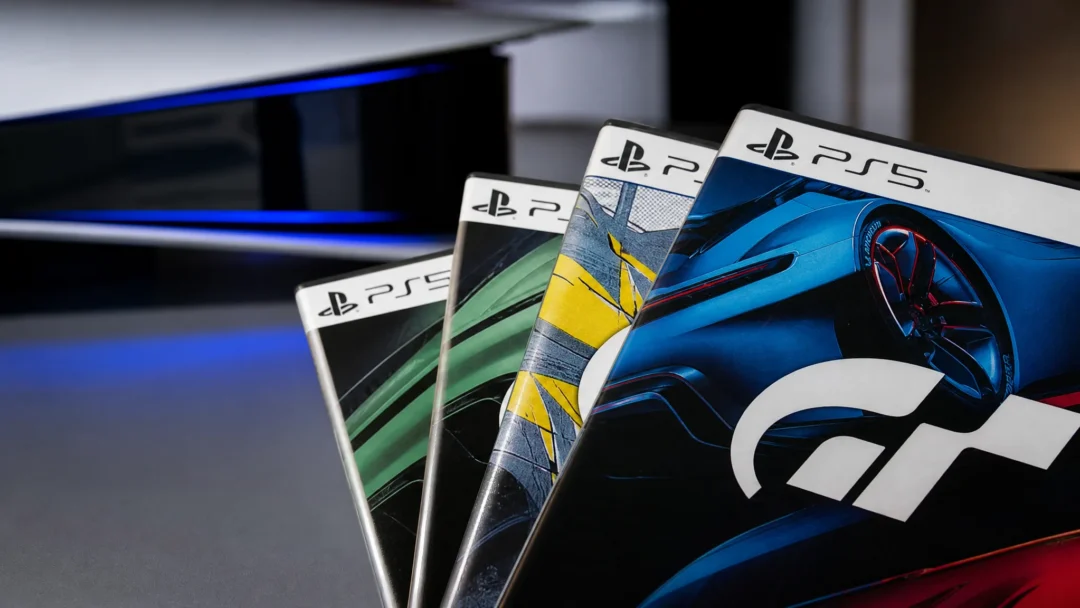
Sony has confirmed that new PlayStation games will stop shipping on discs from January 2028, and the reaction from brick-and-mortar retailers has been immediate. Game, a long-running European chain, is now urging players to speak up in defense of physical releases rather than accept an all-digital future by default.
Quick answer: From January 2028, every new PlayStation game, first-party and third-party, will be sold digitally only, with no disc-based versions. Games released before that date are unaffected, and Sony says it will still sell games through physical retailers in some form, though whether that means code-in-a-box products or digital redemption cards is not yet decided.
What Sony confirmed about ending disc releases in 2028
Sony describes the change as a natural step that follows consumer behavior, pointing to the steady move toward downloads across the wider entertainment industry. The company frames it as adapting to a preference for digital that now clearly outpaces physical discs.
The key details are straightforward. New games from 2028 onward will not exist on disc, the online PlayStation Store continues as normal, and titles released in 2027 and earlier can still appear on disc. That leaves a window where late PS5 releases could ship physically before the cutoff takes hold.
| Detail | What Sony has stated |
|---|---|
| Effective date | January 2028 |
| Scope | All new PlayStation games, first-party and third-party |
| Digital store | PlayStation Store continues selling downloads |
| Earlier games | Titles released before January 2028 are unaffected |
| Retail sales | Games still sold in stores, exact format undecided |
What Game is asking players to do
Game’s Spanish division, which is run separately from its UK and Ireland operations, posted a statement to its social channels calling on players to defend physical media as a matter of consumer rights. The message argues that removing physical editions strips away the ability to lend, resell, collect, or simply choose where to buy a game.
The retailer says it has backed physical releases for 40 years and frames a disc as more than a box on a shelf, tying it to collections, special editions, and ownership. It also makes clear it is not opposed to downloads, only to the removal of choice.
We’re not going to stand idly by. They want us to believe this is a natural evolution, but we believe the future shouldn’t be built by eliminating options, but by expanding them.
What Game is concretely asking for is less defined. Beyond encouraging people to speak out against Sony’s plan, the statement stops short of a specific campaign or petition. It reads more as a rallying call than a set of actions players can take.
Why retailers are worried right now
The pressure on physical-focused stores is not new. Game itself has shrunk from a dominant high-street chain into concessions inside Sports Direct outlets, squeezed by online shopping and the shift to downloads. A digital-only future removes the last reason many shoppers had to walk into a store at all.
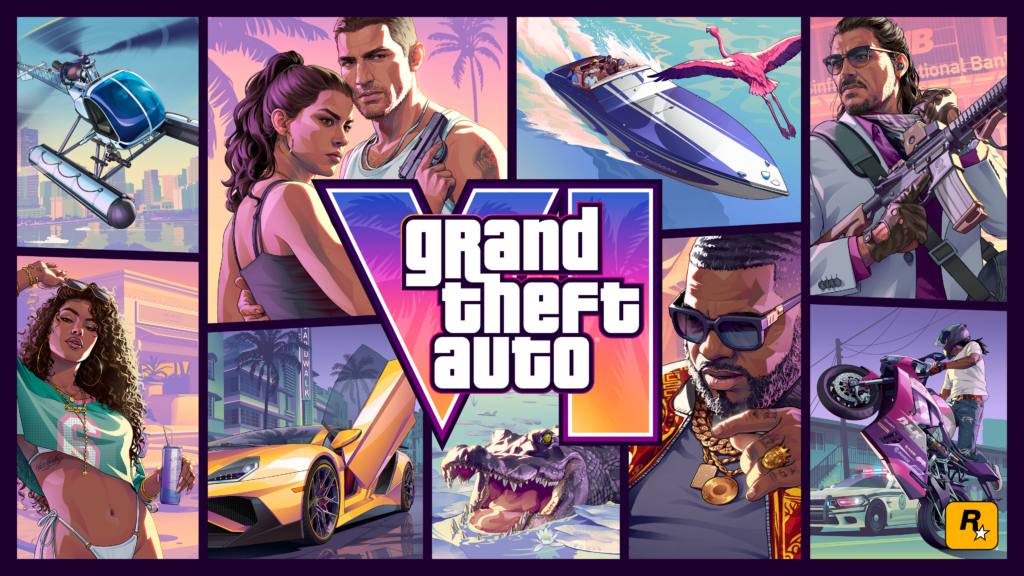
Second-hand specialists face the sharpest risk. Their business runs on trade-ins and resales, and an all-digital catalog effectively ends that cycle because downloads cannot be resold. That threat is already visible with Grand Theft Auto VI, which is launching on PS5 and Xbox Series without a disc version, prompting some retailers to refuse to stock it.
One of those refusing outlets, VGP, said it has spent nearly 40 years supporting physical media and preserving the value of physical game ownership. The stance mirrors Game’s, and signals that resistance is coming from the retail side rather than from platform holders.
The digital sales trend behind Sony’s decision
The numbers explain the timing. Sony’s most recent reporting shows roughly four in five full-game purchases for PS4 and PS5 now happen as downloads. In its latest quarter, digital reached 85% of PS5 and PS4 software sales, with the full year sitting at 78%.
Nintendo’s mix leans more toward physical, which helps explain why it is expected to hold onto carts longer. Its year-end figures reported 67.2% digital for the comparable quarter, with digital reaching 54.6% of total software sales across the full financial year.
| Platform | Digital share (latest quarter) | Digital share (full year) |
|---|---|---|
| Sony (PS4 + PS5) | 85% | 78% |
| Nintendo | 67.2% | 54.6% of total software |
Discs have also become less meaningful even when they exist. Many modern releases ship with only part of the game on the disc and require large downloads to finish installing. Testing of 007: First Light found its disc contained just the opening mission, with the rest pulled down after install.
What the disc cutoff signals for the PS6
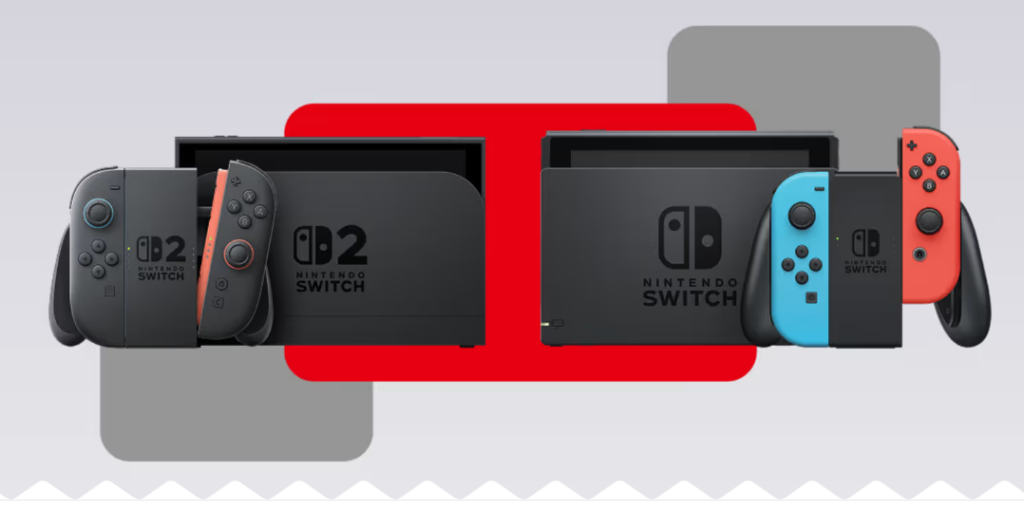
Ending disc production also shapes expectations for Sony’s next console. Analysts reading the 2028 timeline conclude the base version of a probable PlayStation 6 will not ship with a physical media drive, keeping hardware costs lower. Some go further and say the news makes a 2028 launch look close to guaranteed.
Sony is not commenting on the PS6 itself, including its timing or whether it would support any internal or external drive for backward-compatible PS4 and PS5 discs. Dropping discs also removes a common source of pre-launch leaks and eliminates second-hand competition, both of which favor the platform holder.
For now, players who value owning a game outright are left in an uncertain spot. Sony has committed to keeping games on store shelves after 2028, but until it decides between code-in-a-box products and digital redemption cards, the practical meaning of buying a PlayStation game in a shop remains open. Retailers like Game are pushing to make sure that whatever replaces the disc still preserves the ability to lend, resell, and keep a title for the long term.