Whether you just rolled a fresh character or you are hunting for the strongest kit in Gakuran, understanding what each combat style actually does is the key to winning fights in Nishikata. Every style comes with a unique set of perks that change your heavy attacks, block chip, grapple odds, posture management, and more. This guide breaks down every combat style in Gakuran, grouped by rarity, including the unreleased and unrollable styles that are still in development.
Combat Style Rarity Tiers
When you spawn in, the game rolls a style from one of four obtainable rarity pools:
- Common (59%): Basic
- Uncommon / Rare (30%): Slugger, Muay Thai, Karate
- Epic (10%): Boxing, Hakari
- Legendary (1%): Capoeira, Wrestling
Common Styles
Basic
The default starter style, and the only Common roll. Its kit focuses on fundamentals:
- Counterstrike: +5% damage on your next attack after perfect blocking
- Swift Recovery: +15% posture regeneration rate
- Guard Pierce II: 15% block chip damage
- Resilience II: 25% chance to clash into a grapple
Uncommon / Rare Styles
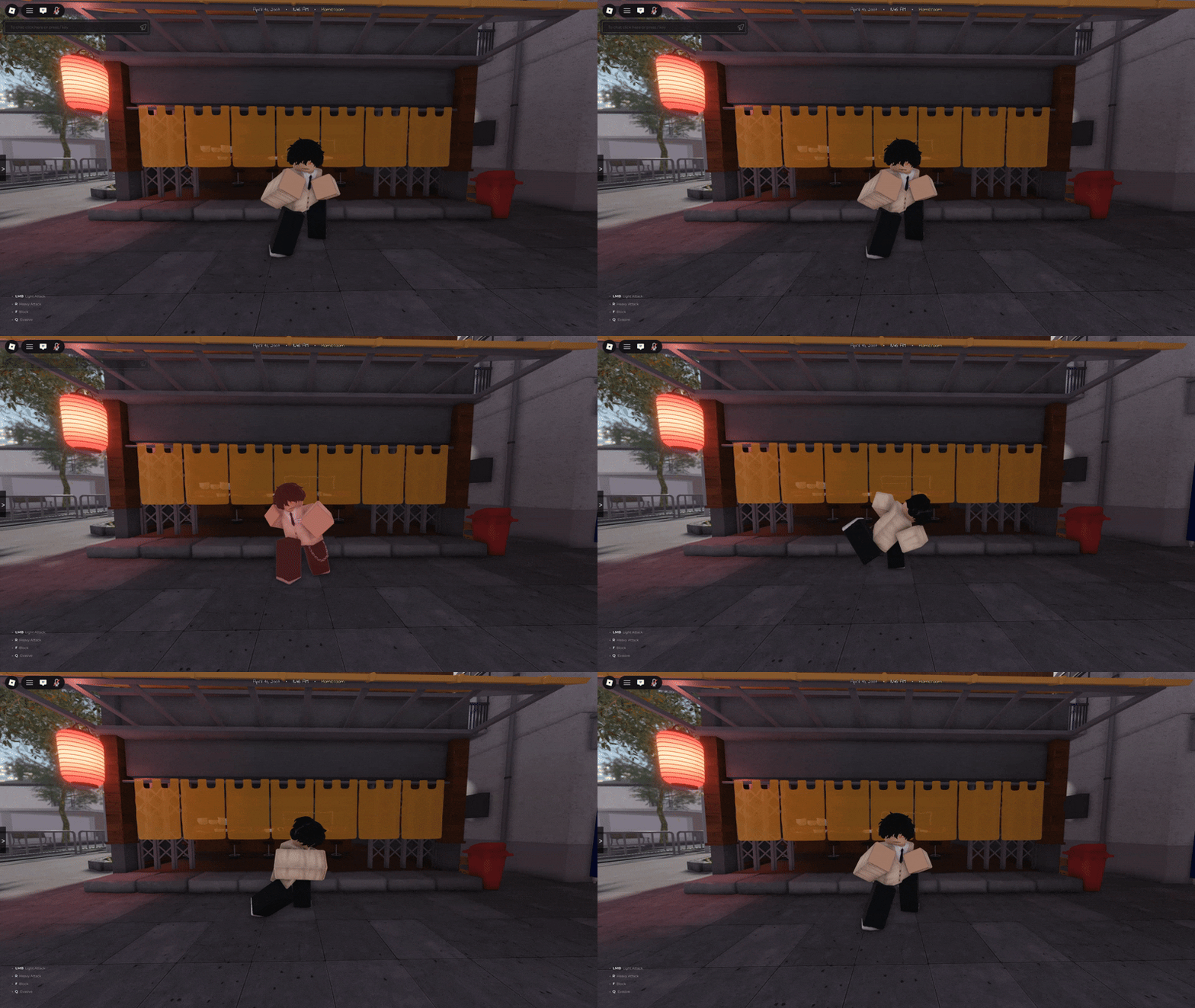
Slugger
- Unstable: deal 10% more damage but take 20% more damage
- Guard Pierce V (MAX): 30% block chip damage
- Resilience III: 45% chance to clash into a grapple
Muay Thai
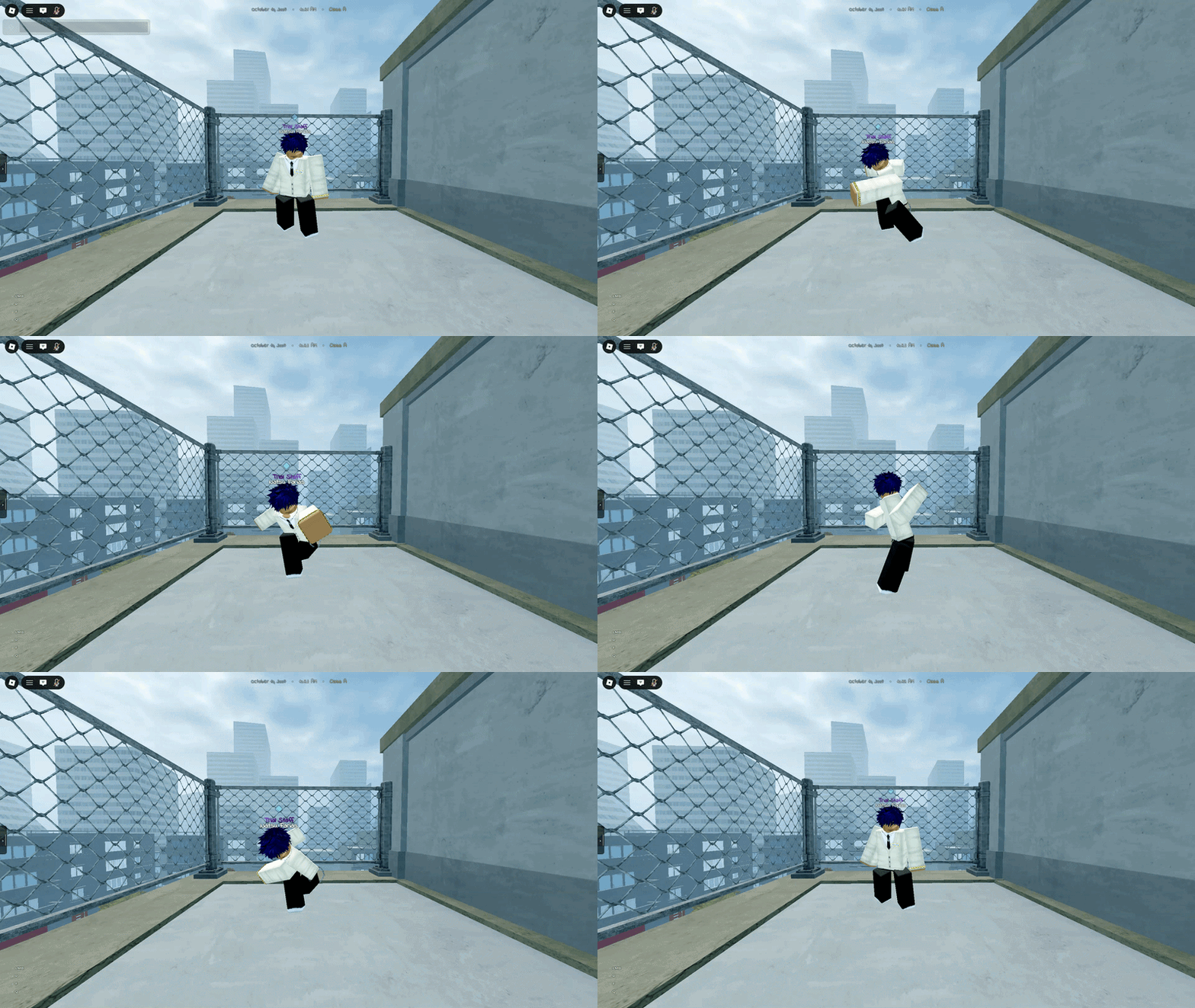
- Powerful: ragdoll M2s
- Crushing Force II: +15% posture damage
- Guard Pierce V: 30% block chip damage
- Resilience V: 55% chance to clash into a grapple
Karate
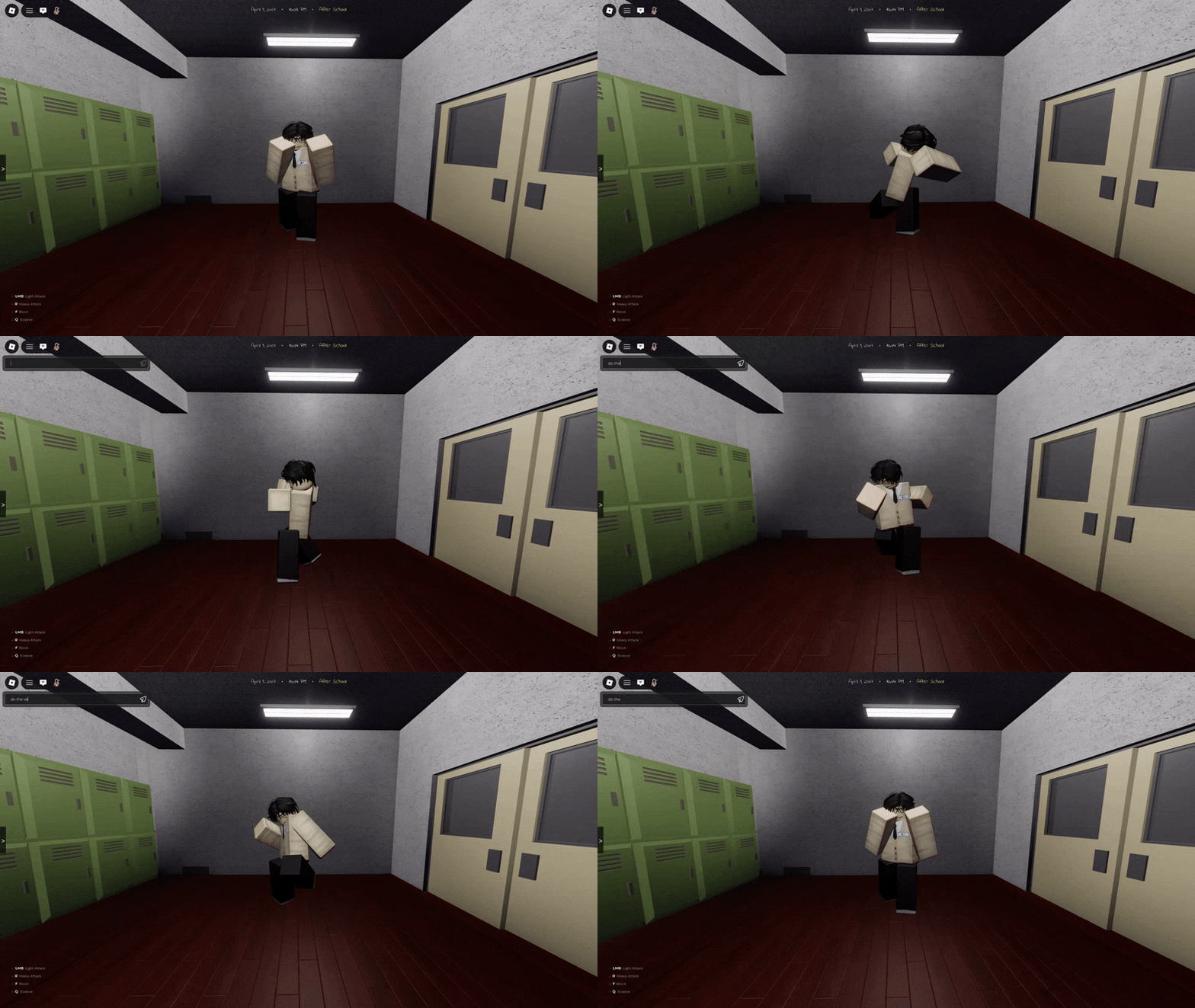
- Steady Nerves: perfect blocking increases posture regen by 15% for 3 seconds
- Balanced Strike: landing an M2 refunds 25% of your posture at low
- Guard Pierce II: 15% block chip damage
- Resilience II: 25% chance to clash into a grapple
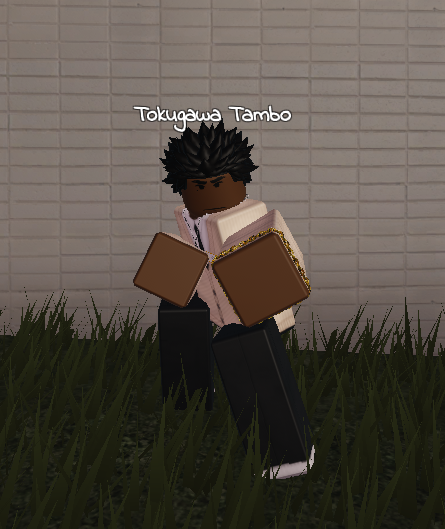
Epic Styles
Boxing
- Untouchable: iframe M2s that are uninterruptible; you must parry or dodge to avoid the heavy
- Perfect Reflex: perfect blocks reduce your M2 cooldown by 1 second if it is on cooldown
- Guard Pierce III: 20% block chip damage

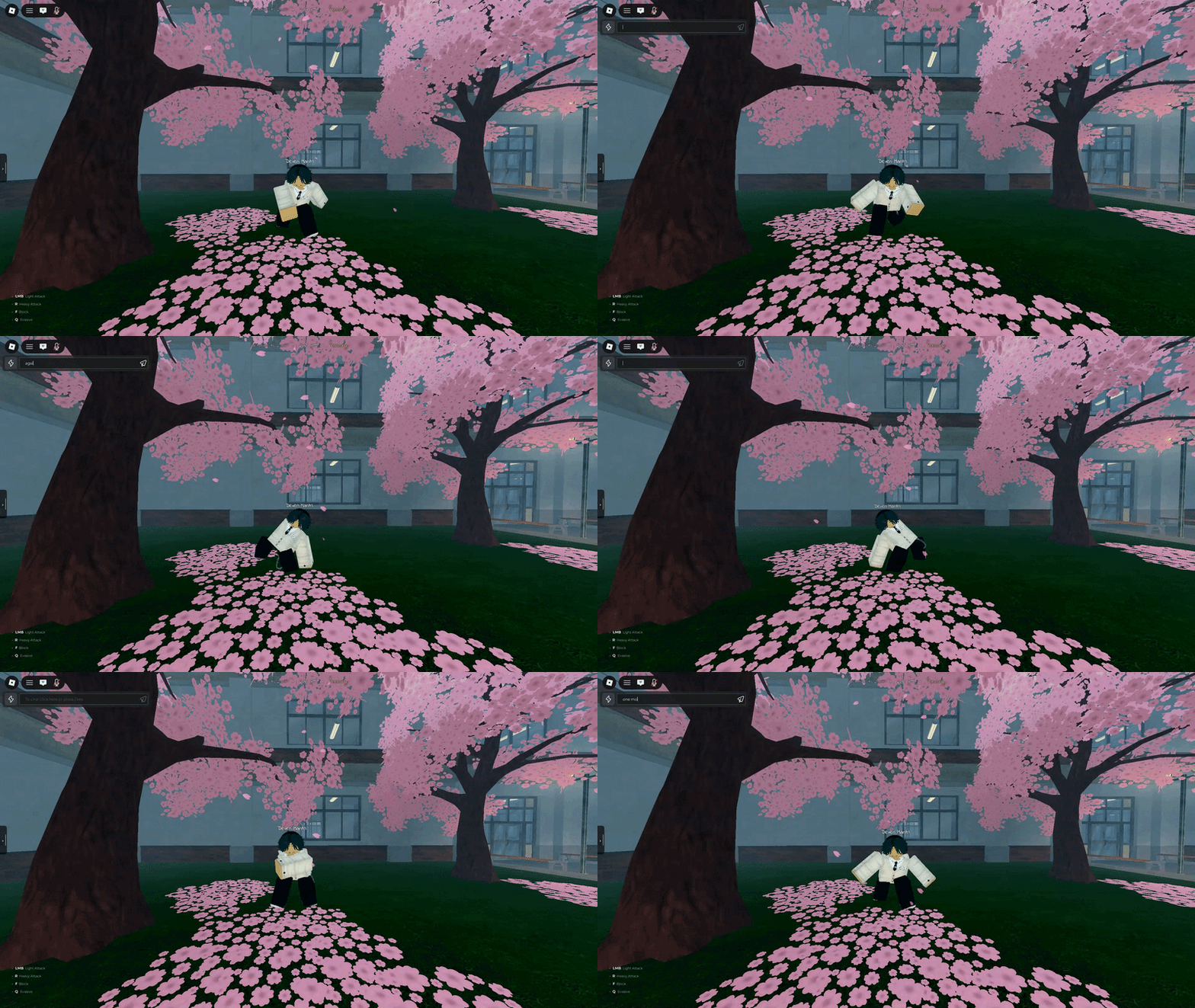
Hakari
- Powerful: ragdoll M2s
- Momentum Rush: landing a full M1 combo without being stunned grants a 7-second window where your M2 deals 3x damage
- Guard Pierce II: 15% block chip damage
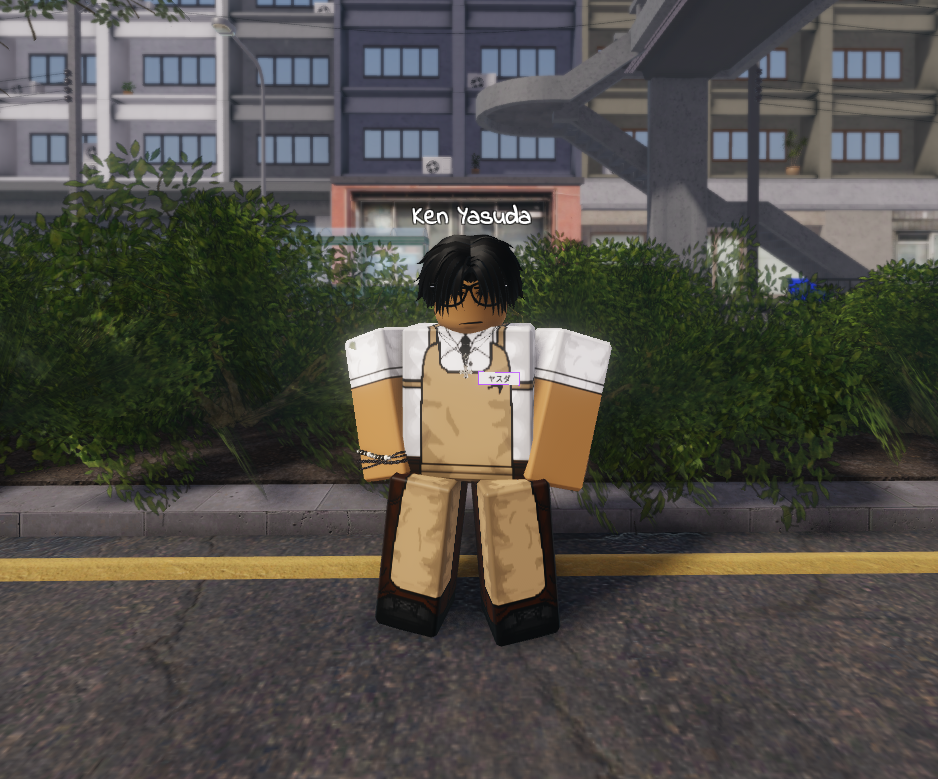
Legendary Styles
Capoeira
- Powerful: M2 ragdolls the victim on hit
- Heavy Hitter I: +5% guardbreak damage
- Guard Pierce II: 15% block chip damage
- Ginga: dash cooldown is 25% shorter
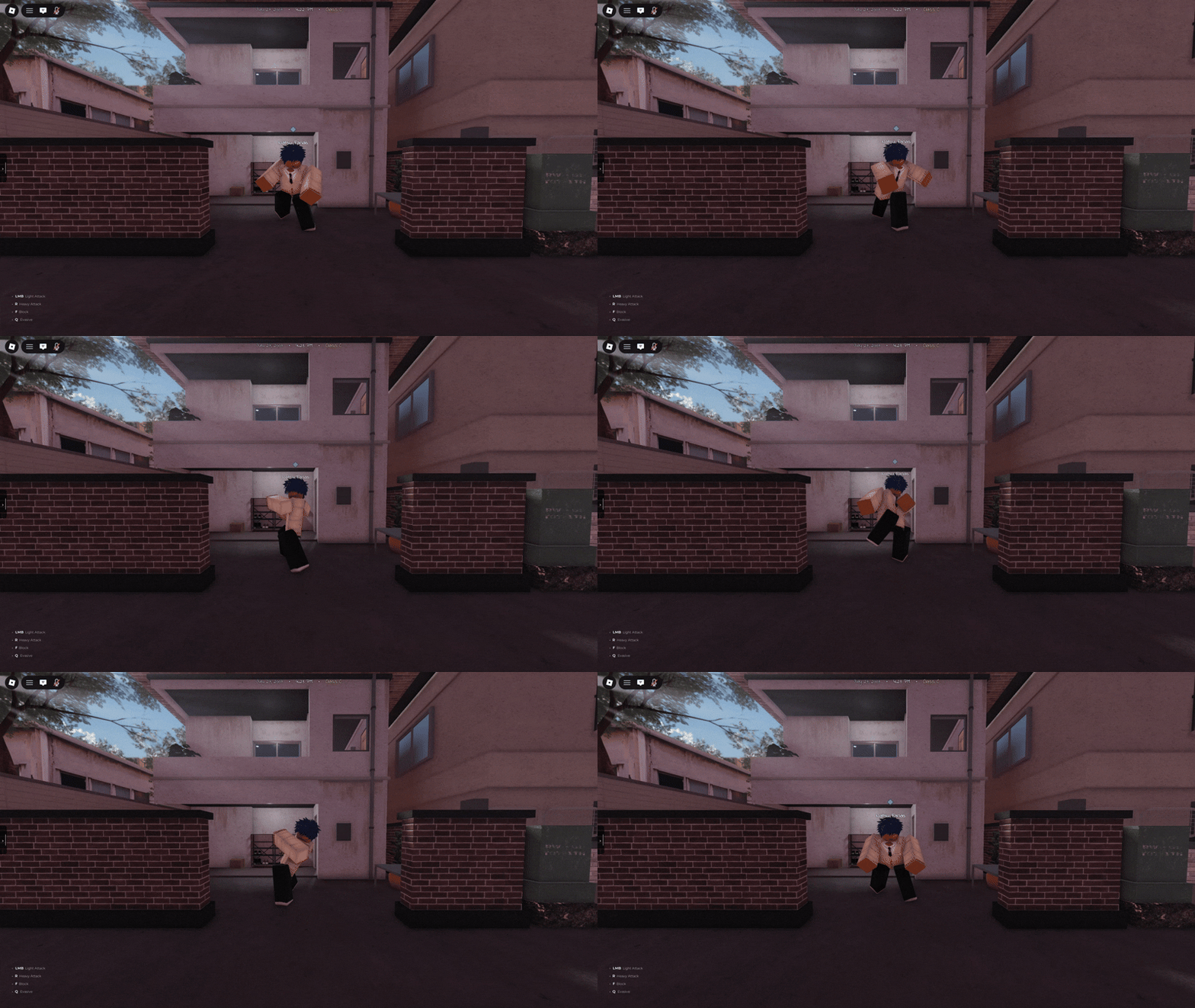
Wrestling
- Takedown: M2 grabs opponents and slams them for 1.5x damage, with hyperarmor so it cannot be interrupted unless parried or dodged
- Heavy Hitter III (MAX): +15% guardbreak damage
- Guard Pierce II: 15% block chip damage
- Resilience V: 55% chance to clash into a grapple
Unreleased and Unrollable Styles
The following styles exist in the game files but are not currently rollable. Some are tied to lore characters, and at least one is being removed. Perks are subject to change before release:
- Bulky: Crushing Force I (+10% posture damage), Heavy Hitter I, Guard Pierce IV (25% block chip), Resilience IV (45% grapple)
- Dirty (being removed): an intentionally overpowered lore style with a Revenge perk that grants 3x damage and hyperarmor after taking hits from multiple attackers
- Kure: Last Stand (+15% total damage at 25% HP or lower), Guard Pierce II, Resilience I
- Sky Gaolang: Guard Pierce II, Resilience I
- Taekwondo: Powerful ragdoll M2s, Quickstep (dash cooldown cut by 50% after a hit), Guard Pierce III
- Variant: Crushing Force I, Guard Pierce IV, Resilience IV, Heavy Hitter I
- Wild: Disorienting M2s that blur the victim’s sight and halt posture regen for 3 seconds, Guard Pierce II
- Wingchun: Swift Hands (+12.5% faster M1s, -5% total damage), Fortified (+10% posture resistance), Guard Pierce I, Resilience I
Understanding the Shared Perk System
Notice how perks like Guard Pierce, Resilience, Heavy Hitter, and Crushing Force repeat across styles at different ranks. Guard Pierce controls how much block chip damage you deal, Resilience sets your grapple clash chance, Heavy Hitter boosts guardbreak damage, and Crushing Force increases posture damage. Learning these shared systems helps you predict what any opponent’s style can do before the fight even starts.
For a ranked breakdown of which of these styles is actually the strongest in practice, see our Gakuran combat styles tier list.