

Where Winds Meet leans hard into wuxia fantasy, and nowhere is that clearer than in its acupoint striking system. The game borrows from traditional Chinese medicine ideas about meridians and “wind” and turns them into concrete mechanics: immobilizing enemies, solving puzzles, and cracking open special chests.
What “acupoint striking” means in Where Winds Meet
In the game, “acupoint striking” is not a single menu item but a family of interactions that use mystic skills to hit an opponent’s vital points and briefly lock them in place.
One example shows up during the One Leaf, One Life quest chain. A step called “Peeking Over the Wall” sends you to a rooftop, where a new objective appears, instructing you to use acupoint striking on a nearby NPC. At this point, the game expects you to use a specific combat ability that can immobilize a target when aimed correctly.
The core behavior is consistent across these moments:
- You must face the target that the quest markers highlight.
- You trigger a mystic art with an immobilize effect.
- If you are looking directly at the target and use the immobilize action, the quest advances.
How to use acupoint striking to freeze Zhou Ergou
A common early example is the instruction to “Use Acupoint Striking to Freeze Zhou Ergou,” which appears along the One Leaf, One Life path.
Step 1: Travel to the rooftop indicated by the yellow ring on your map. Move until the objective marker and NPC line up clearly in your view.
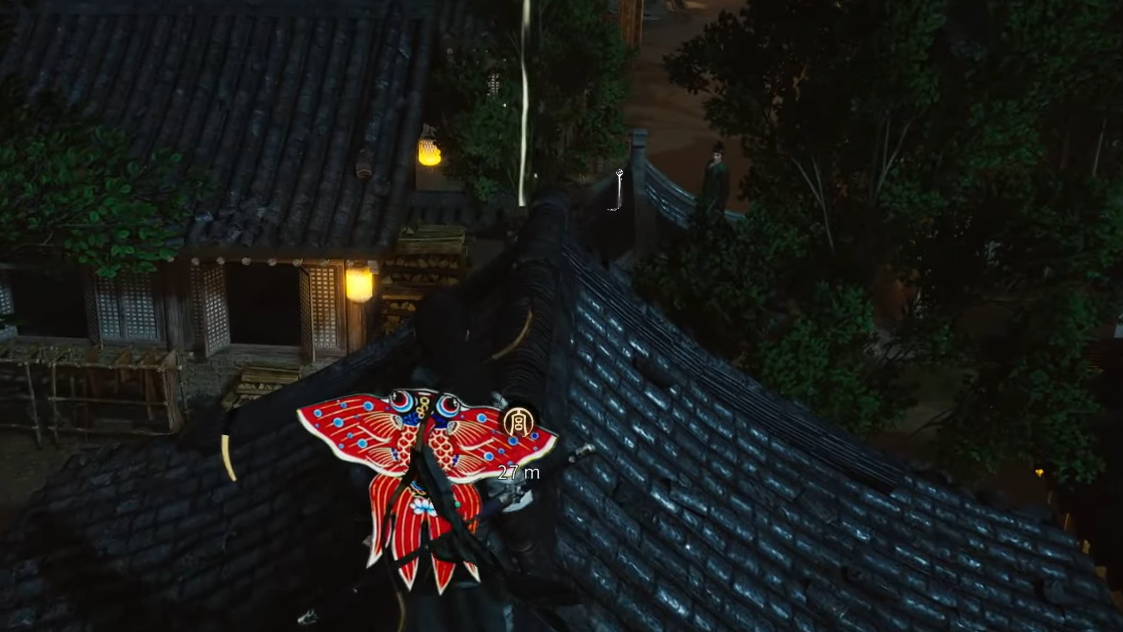
Step 2: Equip the mystic ability tied to acupoint striking. In this quest, that means putting Celestial Strike on your bar if it is not already active.
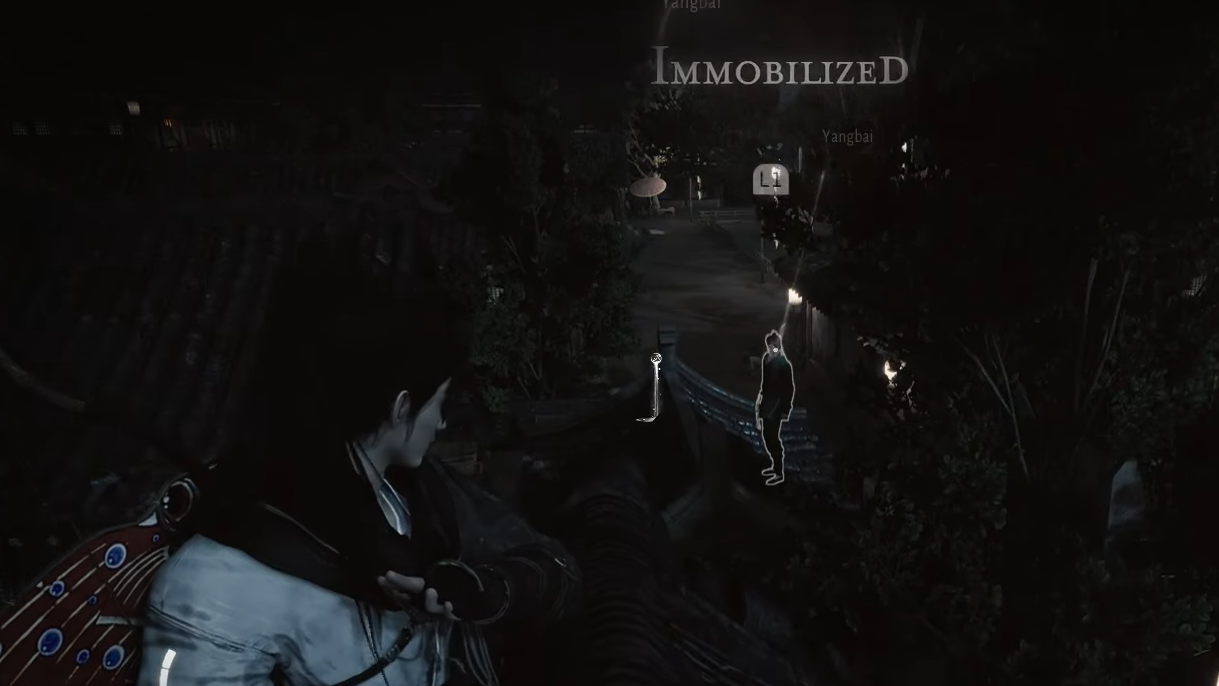
Step 3: Face Zhou Ergou directly so that the game registers him as your current target. If you are not looking at him, the interaction can fail even if you press the right button.
Step 4: Trigger Celestial Strike and then press the Immobilize input when prompted. If executed correctly while focused on the NPC, Zhou Ergou will be frozen, and the quest objective will be completed.
Meridian Touch mystic skill overview
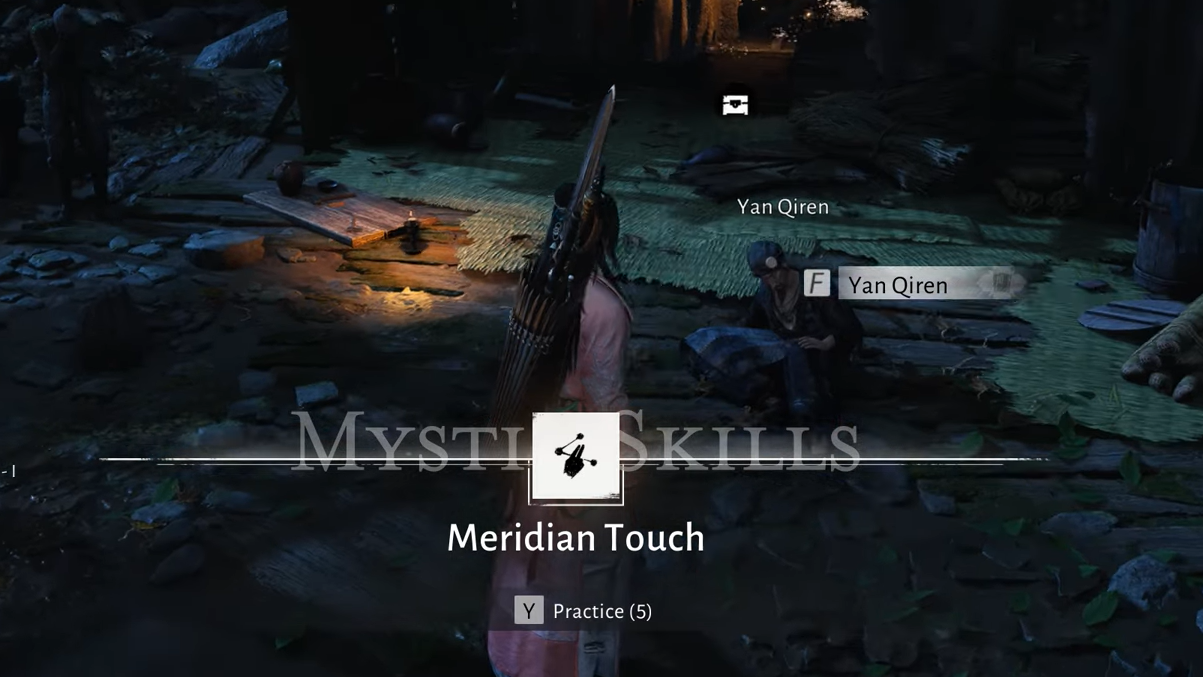
Meridian Touch is the signature acupoint-based mystic skill in Where Winds Meet. It sits under Mystic Skills as an Offensive skill in the Puzzle sub-category, and it is obtained through the Fragment Quest: Meridian Touch side story.
In the game’s fiction, Meridian Touch was created by the thief Yan Qiren under the guidance of Shi Jiuge. Yan Qiren tried to redeem the “thief’s path” and returned home in triumph, only to discover that his son had disappeared; the art then disappeared from common circulation along with him. That backstory explains why Meridian Touch is rare and packaged as a side-story reward rather than part of your starting kit.
Meridian Touch effects in and out of combat
Meridian Touch behaves very differently depending on whether you are fighting or exploring.
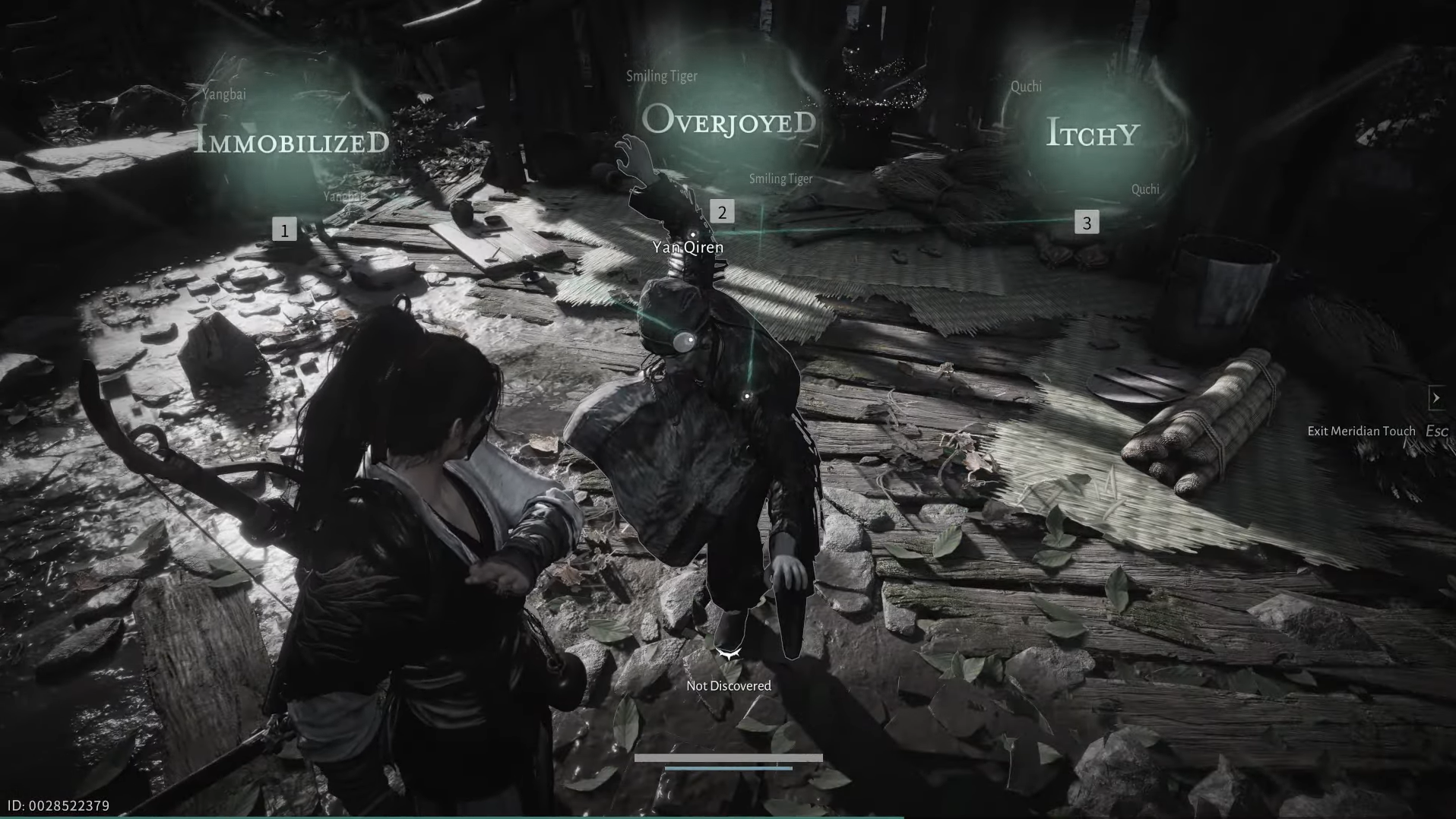
Out of combat, the skill lets you interact with specific bodies and objects by selecting acupoints. These are scripted interactions that can trigger special outcomes. The game surfaces these opportunities through prompts or puzzle elements, such as:
- Acupoint mini-games where you choose points on a character’s body.
- Special containers like Bell Chests that only react to acupoint input.
- Events like Martial Arts Sync or catching thieves, where immobilizing or disrupting an NPC without killing them is required.
In combat, Meridian Touch converts into an Immobilize attack that targets vital points to create a brief crowd-control window and a damage spike opportunity. Two details matter:
- On standard enemies, successfully landing the skill will immobilize them and “break” their vital point, opening them up to increased damage.
- On “mighty” enemies (bosses and some elites), the immobilize component does not take hold, so you cannot lock them in place, but the vital-point logic still matters for damage bonuses.
That distinction is crucial in high-level encounters. Meridian Touch will not trivialize boss fights by stunning them, but investing in the art still pays off through its damage-focused upgrades.
Weak points, vital points, and “Weak Point Break”
Meridian Touch’s rank descriptions reference “Weak Point Break” and “vital points,” which map directly to how Where Winds Meet models enemy defenses.
- Vital points are the in-universe meridian or acupoint targets on an enemy’s body. Mystic arts like Meridian Touch represent a precise strike to these locations.
- Weak points are the mechanical expression of those vulnerabilities. When you land the right type of hit, you trigger a “weak point break” that temporarily strips defenses and amplifies damage.
- A Weak Point Break therefore, means you have successfully hit an enemy’s weak point hard enough that the game flags them as “broken,” applying the conditional bonuses in Meridian Touch’s higher tiers.
In practical terms, you are rewarded for timing and positioning. Using Meridian Touch when an enemy is exposed, or chaining it after another setup ability, is how you consistently trigger these break states.
Meridian Touch rank and tier bonuses
Meridian Touch follows the standard mystic skill progression: four main tiers split into nine ranks. Ranks increase the core strength of the skill, while tiers add new conditional benefits that sit on top of the base immobilize and puzzle utility.
Advancing Meridian Touch costs resources rather than XP alone. Two materials are specifically tied to its breakthroughs:
- Ebon Iron
- Beauty's Plume
Higher tiers require higher-grade materials, which means you are choosing to invest rare drops into this art instead of others.
| Tier | Focus | Effect on Weak Point Break |
|---|---|---|
| Tier 1 | Base functionality | Unlocks immobilize and puzzle interactions (no special Weak Point bonus listed). |
| Tier 2 | Damage enhancement | Increases bonus damage by 20% when a Weak Point Break occurs. |
| Tier 3 | Strategy / debuff | Makes the target take 20% more Qi damage for 10 seconds after a Weak Point Break. |
| Tier 4 | Further damage | Adds another 30% bonus damage on Weak Point Break. |
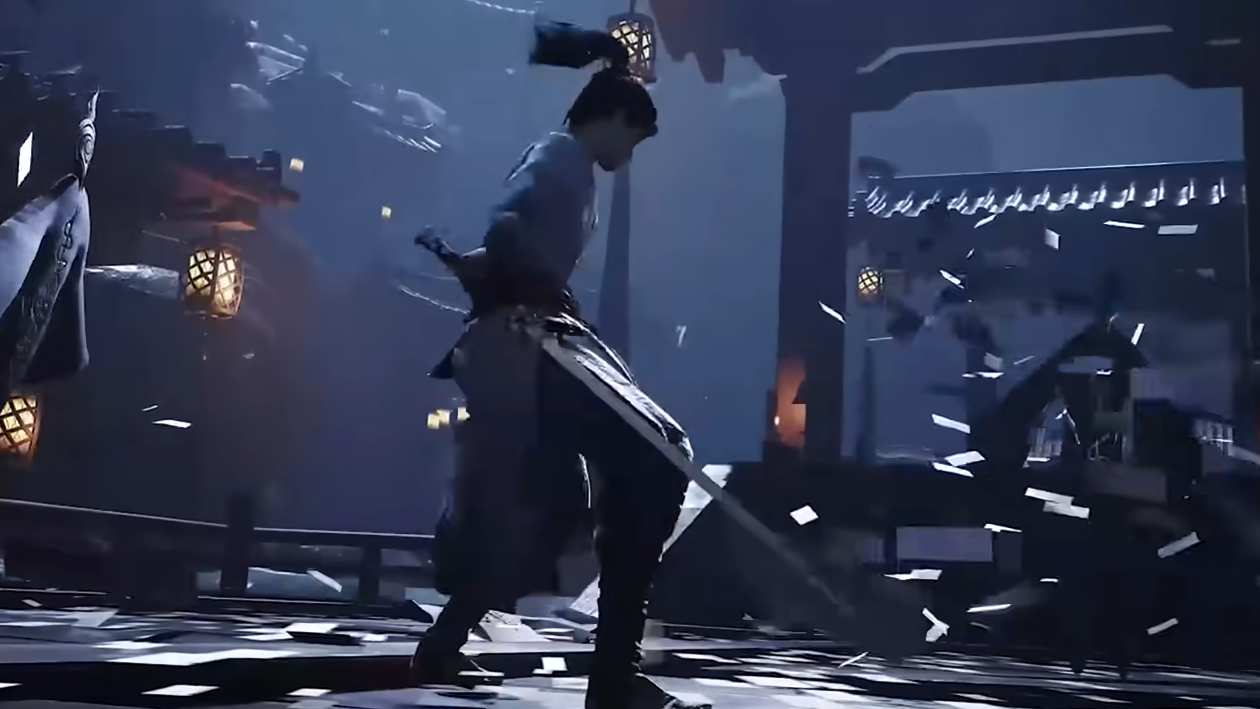
Once you reach Tier 3 and Tier 4, Meridian Touch turns into a setup tool for your entire kit. Breaking a weak point with it not only hits harder on impact but also makes subsequent Qi-based abilities significantly more effective while the debuff window is active.
Using Meridian Touch for puzzles and side content
The “Puzzle” sub-category on Meridian Touch matters just as much as its combat tags. Many optional interactions rely on it:
- Martial Arts Sync events can require precise, non-lethal control of NPCs, where immobilizing at the right moment preserves the script instead of killing the target.
- Bell Chests only open when you activate them with the right acupoint-based action. Meridian Touch is one of the recognized keys for these interactions.
- Thief-catching moments benefit from a tool that halts a fleeing target without dealing too much damage, letting you complete the encounter as intended.
Because puzzle content is scattered across the world, keeping Meridian Touch equipped while exploring Stonewash Strand (Qinghe) and beyond ensures you do not have to backtrack once you stumble onto these objects and events.
“Where winds meet” and the role of Wind in acupoint lore
The game’s title gestures at a classic Chinese medicine idea: wind moves through the body’s surface, especially around the neck and upper back, and can disturb the meridians there. That concept shows up directly in acupuncture point names with “Feng” (Wind) in them.
Common examples include points like Feng Chi (GB-20, “Wind Pool”), Feng Fu (DU-16, “Wind Mansion”), and Feng Men (BL-12, “Wind Gate”). These sit around the nape and upper back, areas described as vulnerable to external wind because the defensive Qi is close to the surface. In traditional practice, they are used to dispel wind, clear the head, and treat symptoms such as headache, neck stiffness, and facial paralysis.
Chinese medicine also talks about more severe “Wind Strike” phenomena (Zhong Feng), in which external wind combines with internal imbalances to cause sudden, violent symptoms such as stroke or seizure. The shorthand for that pattern is “Wind-Phlegm-Fire-Stasis”: wind drives the sudden change, while phlegm, fire, and blood stasis clog channels and damage tissues.
Where Winds Meet uses this vocabulary of wind, meridians, and acupoints as narrative and mechanical texture. Acupoint strikes and skills like Meridian Touch are fantasy amplifications of those themes, translating the idea of hitting “wind gates” and vital points into stun windows, weak point breaks, and puzzle triggers.
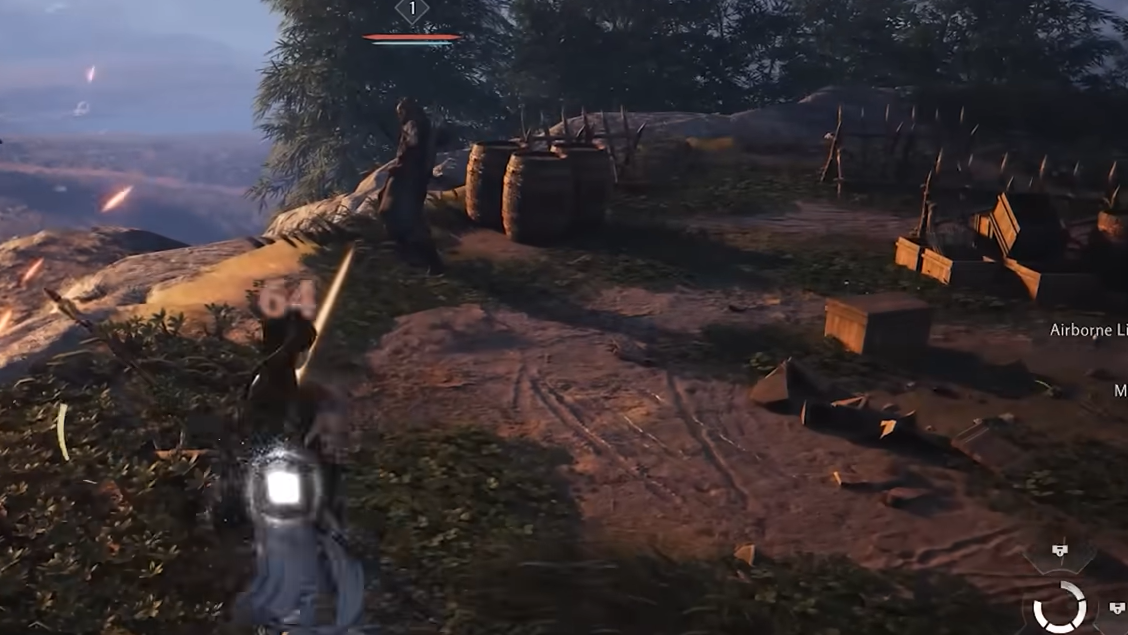
Treated as a package, acupoint striking and Meridian Touch are less about flashy particle effects and more about control and timing. They give you a way to briefly rewrite the rules of a fight, or unlock a piece of the world that otherwise stays shut, by knowing exactly where and when to strike.