

An Average Campaign is built around dying, learning, and trying again, so the class you bring into a run does a lot of heavy lifting. The base classes define your role, but subclasses are where most of the power and nuance live. Picking well can turn a brutal boss into a speedbump; picking badly usually means a short, forgettable run.
Base classes and what they’re for
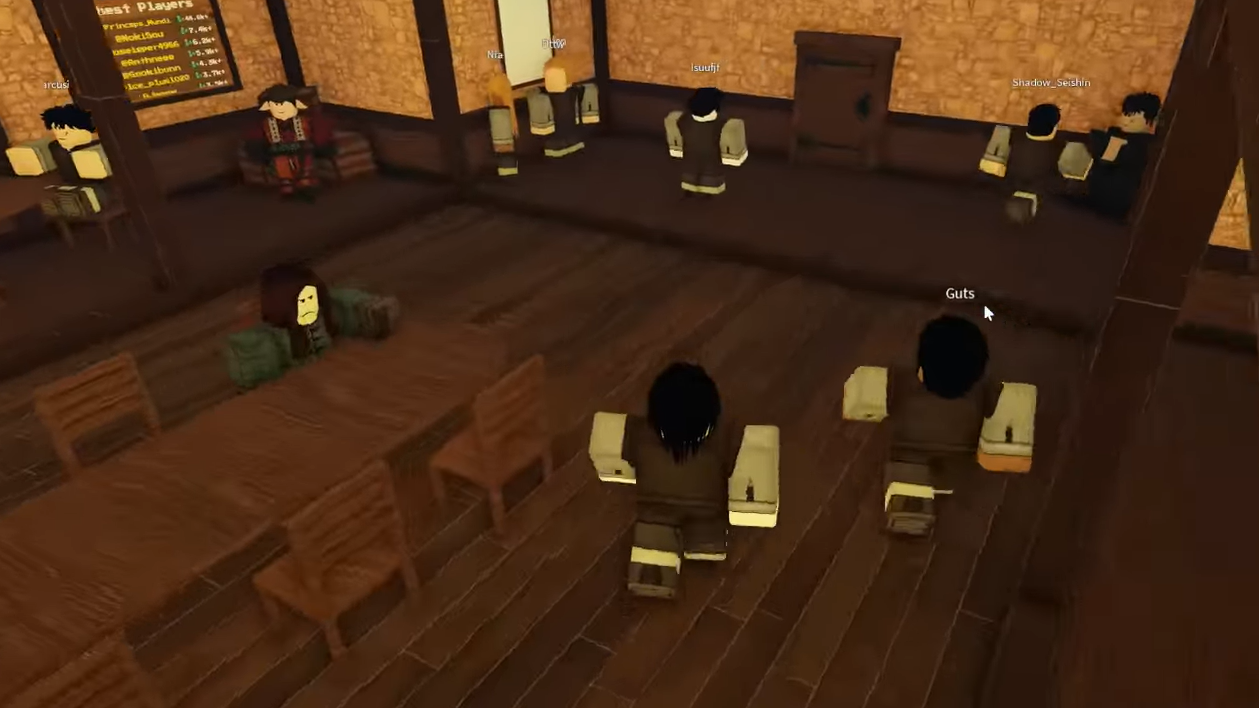
There are six base classes, all swapped at the Magic Mirror in the hub. Each one has two subclasses that unlock through Forest or Dungeon events.
| Class | Primary stats | Combat role | General strengths | Typical weaknesses |
|---|---|---|---|---|
| Warrior | STR, CON | Frontline tank / support bruiser | Damage mitigation, party buffs, control, beginner-friendly | Lower burst than pure DPS, focus-hungry as Rampager |
| Ranger | DEX, STR (base), DEX / INT / FTH on subclasses | Ranged DPS and debuffer | Multi-target hits, strong debuffs, boss pressure | Can feel fragile; some builds split stats awkwardly |
| Rogue | DEX, LCK | Single-target burst and debuff stacking | High crit potential, Bleed and Toxin stacking, team crit support | RNG-dependent, setup turns, squishy |
| Mage | INT, LCK | Glass-cannon caster | Very high damage, strong AoE, powerful scaling | Low durability, high energy costs, risky Bloodkin toolkit |
| Priest | FTH, CON | Healer, buffer, debuffer | Sustain, flexible kit, can pivot into damage (Zealot) | Damage falls off without subclass; Zealot sacrifices some utility |
| Brawler | STR, DEX | Fast melee DPS / off-support | Multi-hit attacks, self-buffs, lifesteal options | Short range, some builds are complex to pilot |
Base classes can technically clear runs alone, but the game clearly expects subclasses. Plan your route with the subclass event you want already in mind.
Top-tier subclasses (S tier)
These subclasses are powerful in almost any party and still perform well in solo runs.
| Subclass (base) | How to unlock | Why it’s S tier | Main drawbacks |
|---|---|---|---|
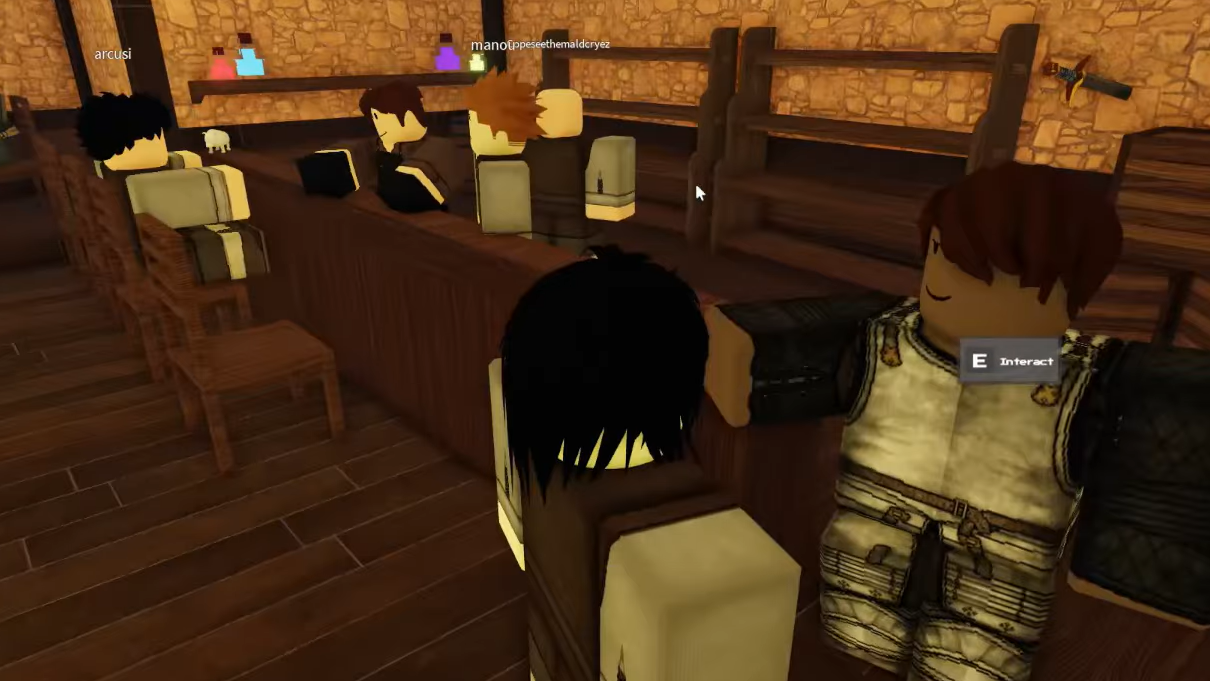
| Druid (Priest) | Forest – “A Resting Druid” event |
|
Less explosive damage than Zealot; still wants a team to fully leverage its support tools |
| GloomStalker (Ranger) | Dungeon – “The Gloomstalker” event |
|
Very fragile if caught; positioning and threat management matter a lot |
| Rampager (Warrior) | Forest – “A Powerful Stranger” event |
|
Abilities cost a lot of focus; can run dry without planning |
Strong, flexible picks (A tier)
A-tier subclasses can absolutely carry runs, but they are a little more composition- or stat-dependent than the S-tier options.
| Subclass (base) | How to unlock | What it does well | What limits it |
|---|---|---|---|
| Fey Wanderer (Ranger) | Forest – “Fey Wanderer” event |
|
Leans on DEX and faith-style scaling, which makes Hunter’s Mark (INT-scaling) less central than on GloomStalker |
| Zealot (Priest) | Dungeon – “A Single Zealot” event |
|
Gives up part of the classic “full support” profile; less team utility than Druid outside of killing things quickly |
| Beast (Brawler) | Dungeon – “Beast” event |
|
Unleash makes you take more damage, which can punish mistakes; Bleed is often overkill on weak trash enemies |
Situational but capable options (B tier)
These subclasses can absolutely win runs, but they tend to need a party built around them or specific content to shine.
| Subclass (base) | How to unlock | Strengths | Best use cases | Key issues |
|---|---|---|---|---|
| Knight (Warrior) | Dungeon – “Knight’s Caravan” event |
|
Group play where someone must soak damage and lock down threats | Slow solo clear speed, not ideal if you mostly play alone |
| Necromancer (Mage) | Dungeon – “Necromancer” event |
|
Teams that value protective tools and indirect damage; fights where extra bodies matter | Only one summon can be active at a time, so it never becomes a true “army” build |
| Elementalist (Brawler) | Forest – “A Meditating Man” event |
|
Experienced players who want to flex between support, sustain, and damage as fights evolve | High complexity; easy to misplay, and it risks being “good at everything, best at nothing” |
| Assassin (Rogue) | Forest – “Strange Man” event |
|
Bosses and elite enemies where Bleed can fully stack and be cashed out by Vicious Attack | Underwhelming in short fights; very reliant on crit and dodge luck |
High-risk or outclassed choices (C tier)
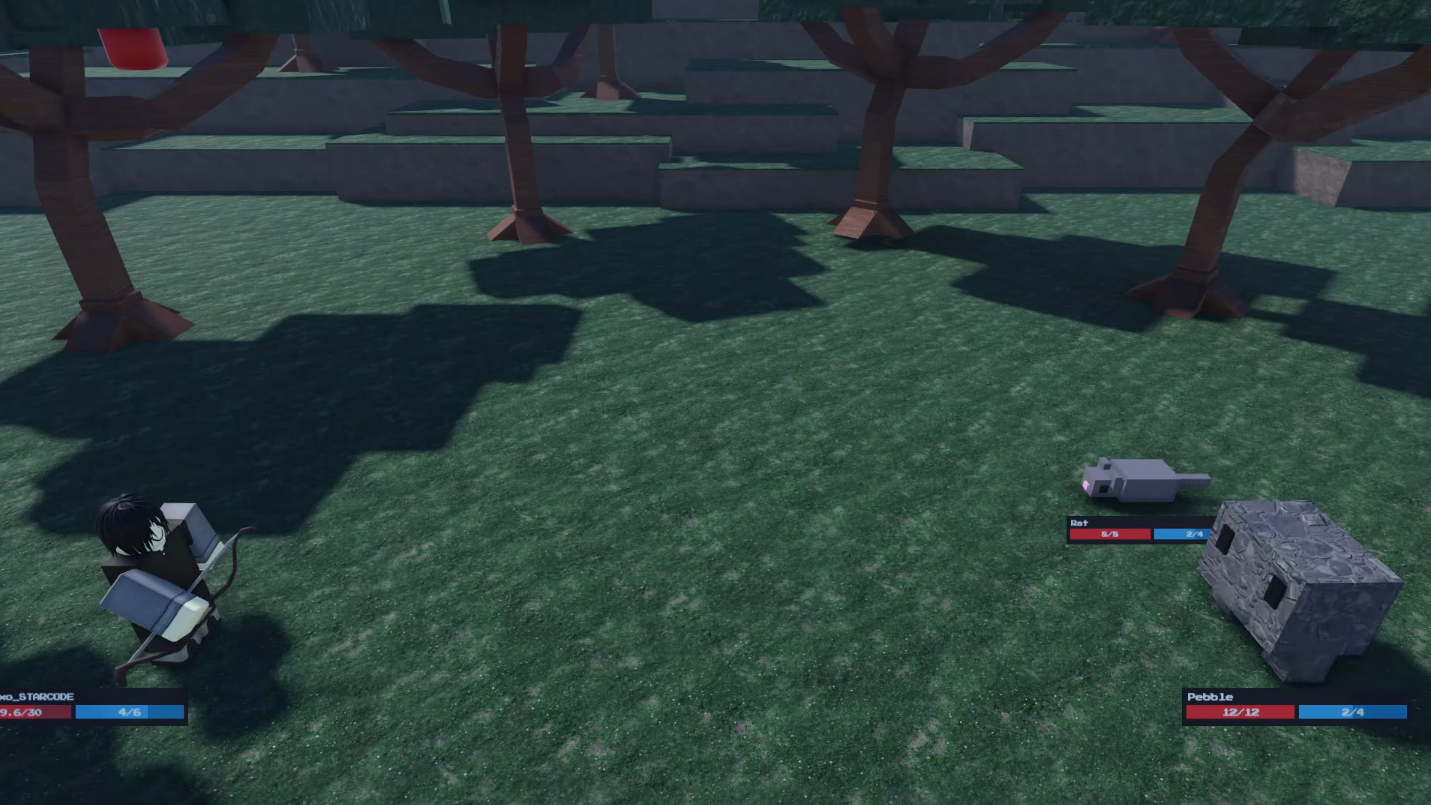
Nothing in An Average Campaign is unplayable, but these subclasses ask for a lot while offering less payoff than alternatives right now.
| Subclass (base) | How to unlock | Upside | Why it lags behind |
|---|---|---|---|
| Bloodkin Warlock (Mage) | Forest – “An Upsidedown Individual” event |
|
|
| Drifter (Rogue) | Dungeon – “Lone Drifter” event |
|
|
Where each subclass lives in the world
Subclass unlocks are gated by one-off events that appear along your Forest and Dungeon path. The class you are currently playing determines which subclass you learn when you interact and pick the right dialogue.
| Base class | Subclass | Area | Event name | Event type |
|---|---|---|---|---|
| Warrior | Rampager | Forest | A Powerful Stranger | Dialogue → subclass choice |
| Warrior | Knight | Dungeon | Knight’s Caravan | Dialogue → subclass choice |
| Ranger | Fey/Fay Wanderer | Forest | Fey Wanderer | Dialogue → subclass choice |
| Ranger | GloomStalker | Dungeon | The Gloomstalker | Dialogue → subclass choice |
| Rogue | Assassin | Forest | Strange Man | Dialogue → subclass choice |
| Rogue | Drifter | Dungeon | Lone Drifter | Dialogue → subclass choice |
| Mage | Bloodkin Warlock | Forest | An Upsidedown Individual | Dialogue → subclass choice |
| Mage | Necromancer | Dungeon | Necromancer | Dialogue → subclass choice |
| Priest | Druid | Forest | A Resting Druid | Dialogue → subclass choice |
| Priest | Zealot | Dungeon | A Single Zealot | Dialogue → subclass choice |
| Brawler | Elementalist | Forest | A Meditative Man | Dialogue → subclass choice |
| Brawler | Beast | Dungeon | Beast | Dialogue → subclass choice |
Runs are semi-random, so you won’t always see the exact event you want on the first attempt. If you care about a specific subclass, it’s worth steering toward its area (Forest vs. Dungeon) and prioritizing its named event whenever it shows up.
How party size and boons shape class power
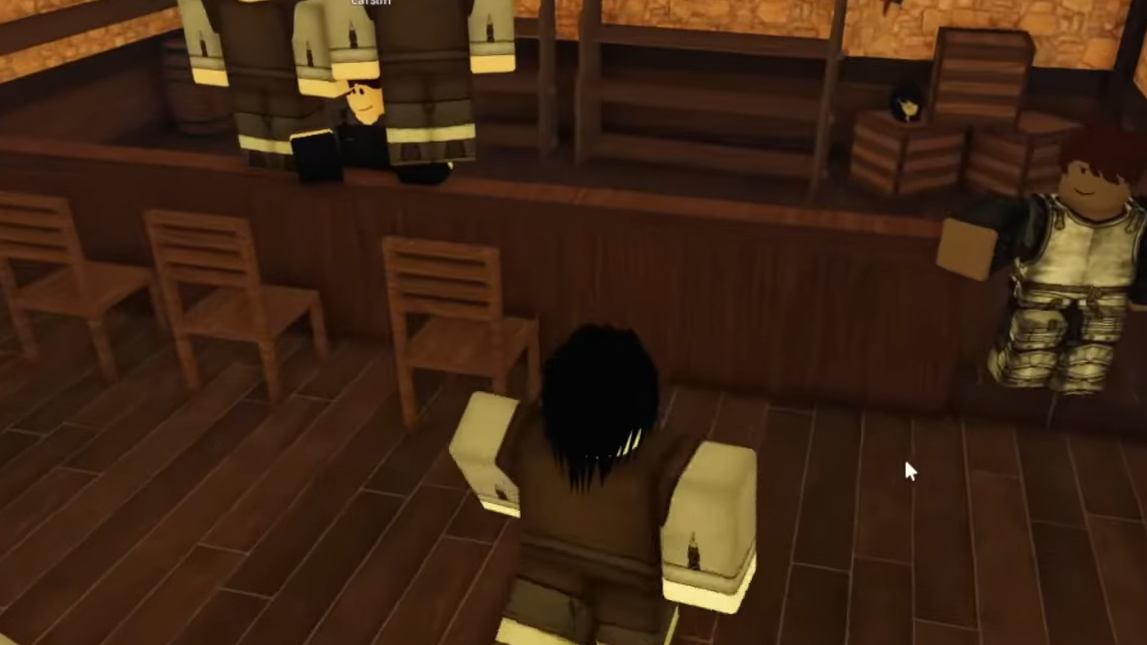
An Average Campaign supports solo play and groups of up to five, with three to four players being the sweet spot. Enemy health and damage scale up as more people join, but combining subclasses is still a net win: Warrior tanks make Druid and GloomStalker much safer; Fey Wanderer and Assassin stack debuffs; Necromancer and Knight buy everyone time to work.
Outside of class picks, boons are the other big lever. Early on, it is more efficient to invest currency into universal starting boons than into skill trees tied to a single class. Boons follow you regardless of what you’re playing; skill tree upgrades are locked to the current class and feel punishing if you swap later. Once you have a decent spread of useful boons that support multiple archetypes, then it makes sense to deepen a favorite class tree.
Practical starting points
| Playstyle | Recommended subclasses | Why they fit |
|---|---|---|
| New player, mostly solo | Rampager (Warrior), Druid (Priest) | Rampager is straightforward and durable; Druid offers a safety net with healing and a bear companion |
| Group-focused support | Druid (Priest), Knight (Warrior), Elementalist (Brawler) | High sustain and control, strong party buffs, ability to smooth over mistakes from squishier allies |
| Boss-melting DPS | GloomStalker (Ranger), Beast (Brawler), Assassin (Rogue) | Stack marks, Bleed, and self-buffs to delete priority targets fast |
| High risk, high reward | Bloodkin Warlock (Mage), Drifter (Rogue) | Offer strong damage and team crit support, but demand careful resource and timing management |
Subclasses set the tone, but the game still rewards experimentation. The important part is going into a run knowing which event you’re hunting for, what stats you’re prioritizing, and whether your party is built to let that choice do its best work.