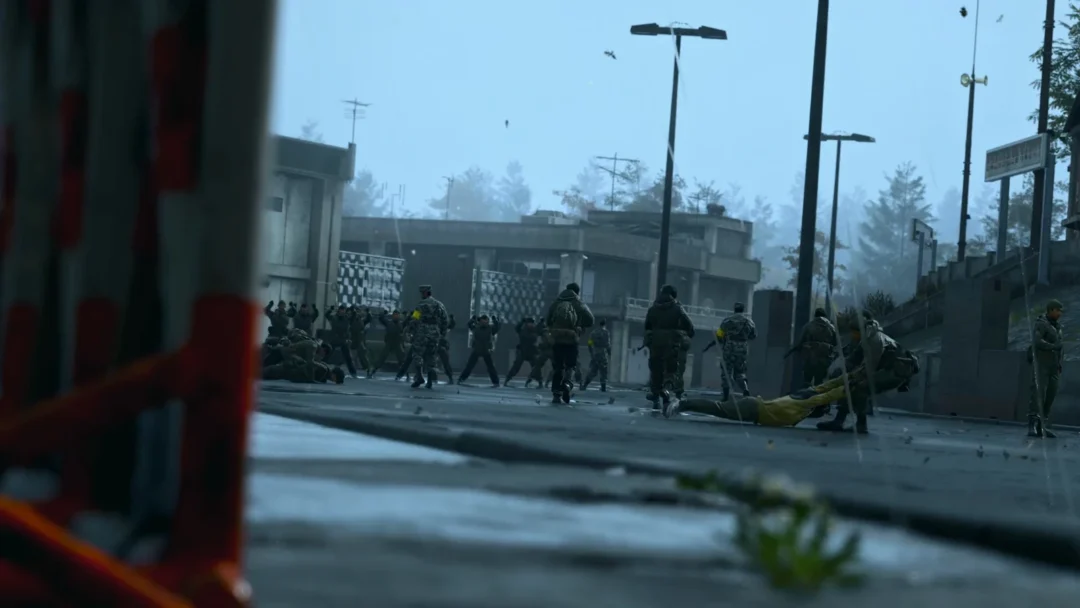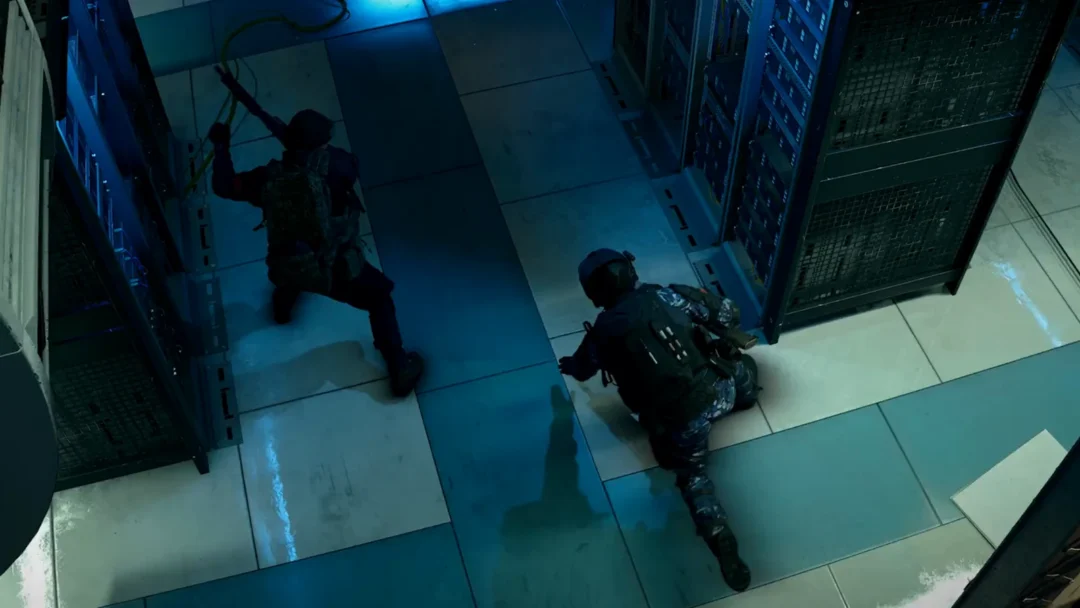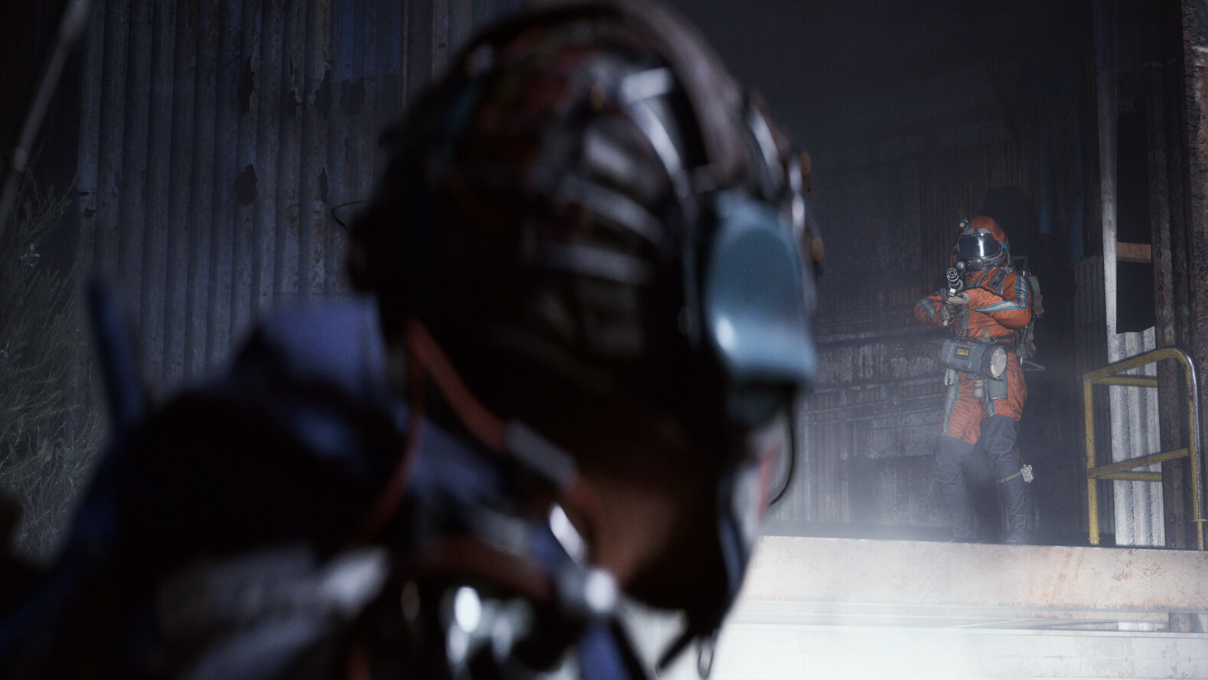
Arc Raiders didn’t slowly evolve into the extraction shooter people are playing now. It was assembled in a sprint. Design director Virgil Watkins has confirmed that nearly every front-end system in the shipped game, from Speranza to the inventory to the quest givers, was built during the final 12 months of development, long after the project had churned through multiple earlier identities.
What Watkins actually said about the final year
Watkins described a project that spent years without a defined target. Before the pivot, there was no metagame layer at all. No quest givers. No Speranza hub screen. No inventory system. The team was iterating on a PvE co-op shooter, then a hybrid with PvP elements, before landing on the full extraction format that launched in October 2025.
Once the studio committed to that direction, the frontend of the game was constructed from scratch. Players who try to spot holdovers from the earlier builds, like assuming quest structure is a leftover from the PvE era, are mostly wrong. Those systems didn’t exist in any form before the final year.
What actually carried over from the old Arc Raiders
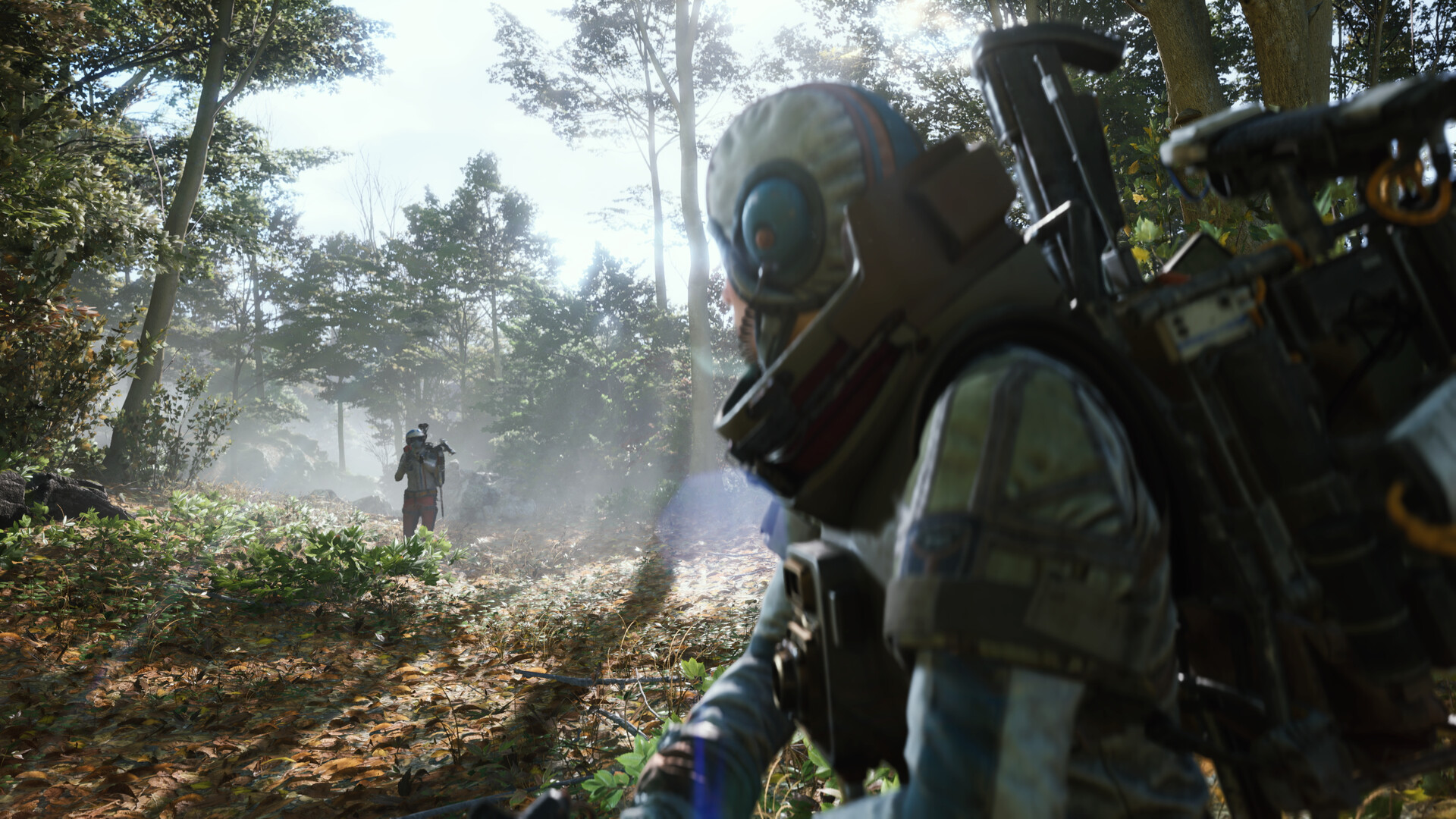
Two things survived the reset. The first is the machine-learning movement technology that drives ARC enemy behavior, which is foundationally the same tech the studio had been developing for years. The second is pieces of the world itself, though Watkins notes those environmental assets have been rebuilt roughly twice since the original PvE version.
There’s also one running joke inside the studio: the zipline code. Watkins called it “ancient” and said the team is wary of touching it in case it breaks. Given that Arc Raiders shares an engine foundation with The Finals, it’s plausible that same code powers ziplines in both games.
| System | Origin |
|---|---|
| Speranza hub | Built in final year |
| Inventory | Built in final year |
| Quest givers | Built in final year |
| Loot and extraction loop | Built in final year |
| ARC enemy movement (ML-driven) | Carried over, foundational tech |
| World assets | Carried over but rebuilt roughly twice |
| Zipline code | Original, untouched |
Why the pivot happened
The earlier PvE-focused versions had a retention problem. Watkins framed it as a “why” question the team couldn’t answer: once a player had finished the fun part, what pulled them back for the 10th, 50th, or 100,000th session? The game was free-to-play during that phase, which added its own pressure on long-term engagement.
Extraction mechanics solved that problem. Persistent stash, gear risk, wipes, and a social economy gave players an ongoing reason to log in. Production director Caio Braga has previously said the studio went through what amounted to “five or six different games” during development, and that a lot of projects wouldn’t have survived a cycle that chaotic.
Why this context matters for the game you’re playing now
A lot of the criticism and confusion around Arc Raiders makes more sense with this timeline in mind. Systems like the Expedition wipe mechanic, skill points, and endgame progression feel underbaked to some players because they genuinely are recent constructions. The team has been iterating in public because the metagame layer didn’t have years of prototyping behind it, unlike the core combat and ARC AI.
It also explains the pace of post-launch changes. Embark’s 2026 roadmap commits to monthly content drops, and the studio has been reworking expedition criteria, balancing weapons, and reshaping systems like Speranza, which the leadership has publicly called underutilized. A hub version of Speranza where players can meet in 3D space is on the table for a future update, alongside expanded trading and a revised skill tree.
What’s confirmed for the near term
The current roadmap covers January through April 2026 under the “Escalation” banner, with Embark positioning it as a buildup to a larger story beat. The studio has been shipping updates on a roughly monthly cadence, including Headwinds, Shrouded Sky, and Flashpoint earlier in the year.
The next major drop, Riven Tides, is expected to add a new map, a new large ARC enemy type in the scale class of the Queen and Matriarch, and the departure window for the third Expedition. Embark has not publicly confirmed a specific launch date beyond the late-April window communicated through in-game project expirations.
What to take away
Arc Raiders is, by its own lead designer’s description, a game built fast and built with intent. The parts that feel tight, the gunplay, the ARC behavior, the moment-to-moment tension, sit on top of years of foundational work. The parts that feel thin, like progression systems and the Speranza frontend, are essentially a year old and are being actively rebuilt as the game runs. That’s an unusual position for a live shooter with 14 million paid players, and it’s why the next two years of updates will probably look less like content drops on top of a finished base and more like continued construction of the base itself.