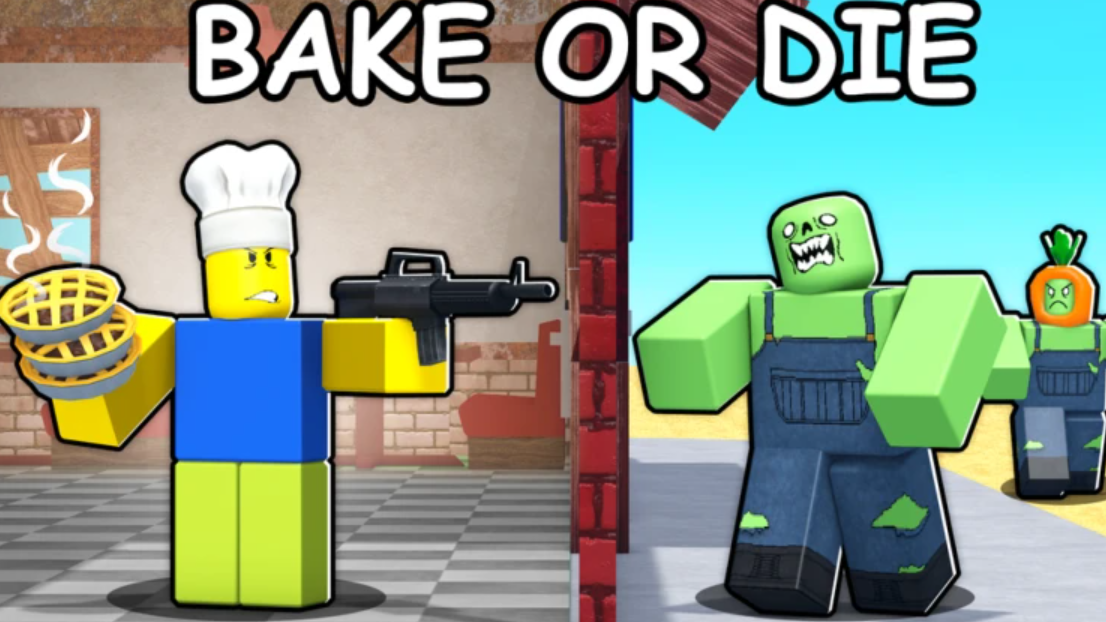
Bake or Die drops you into a desert diner where the daytime grind decides whether you live through the night. You bake pies from zombie meat, sell them for Cash, reinforce your shop, and hold the line when the undead swarm at sundown. The loop is simple, but the priority order during the day is what separates short runs from long ones.
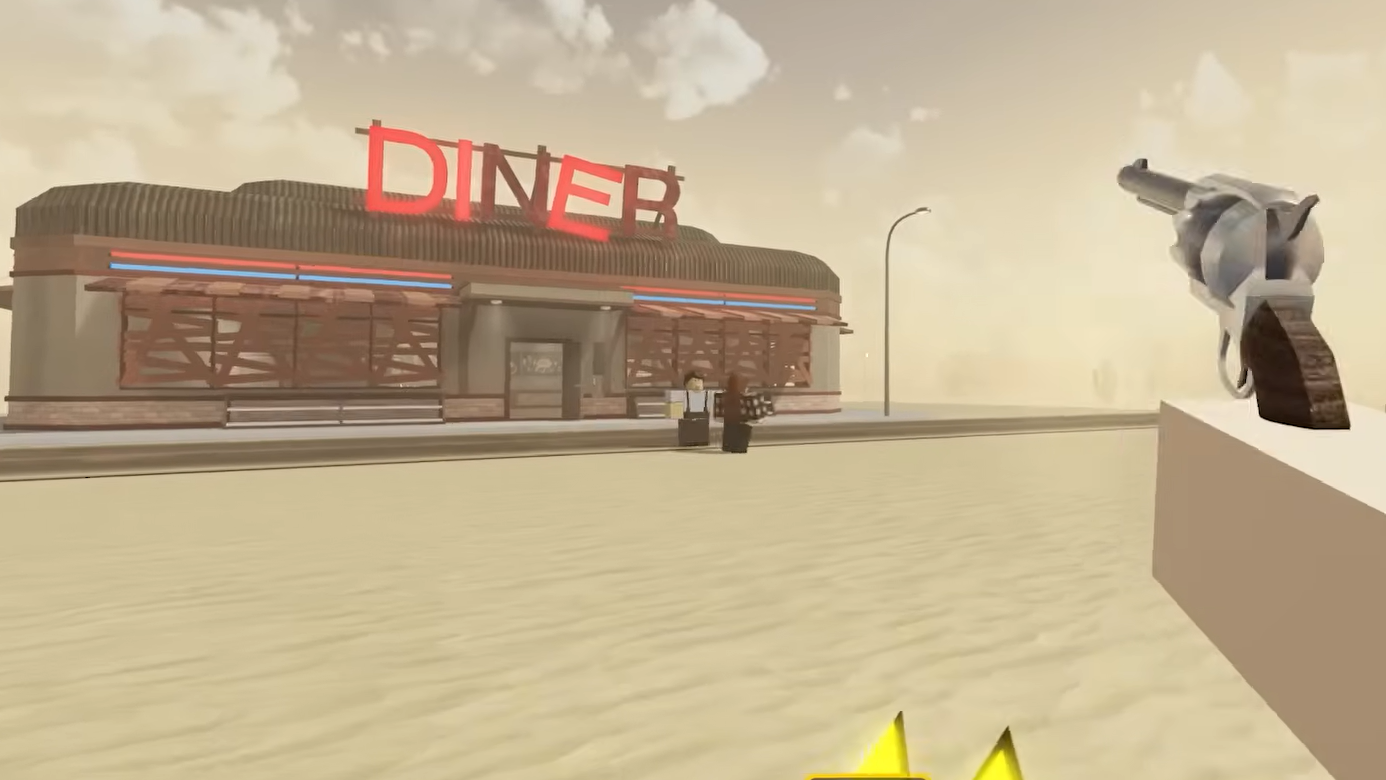
The core loop: diner, apocalypse, sunrise
Your diner is the base of operations. Every night, zombies spawn and march toward the building. You kill them, drag the corpses to the shredder, mix the resulting meat into pies, bake them in the oven, and place finished pies on the shelf to sell by morning. When the sun comes up, any remaining zombies burn instantly, giving you a clean window to clean up and prep.
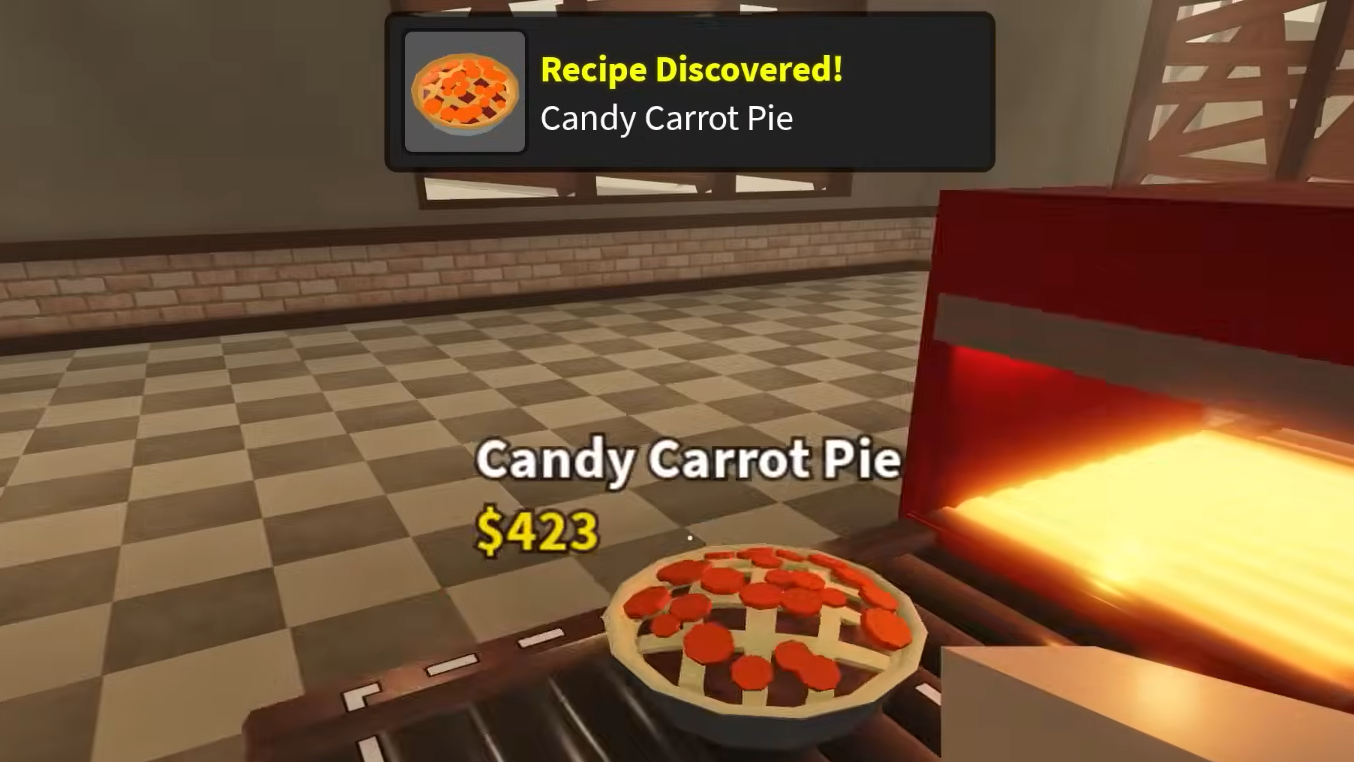
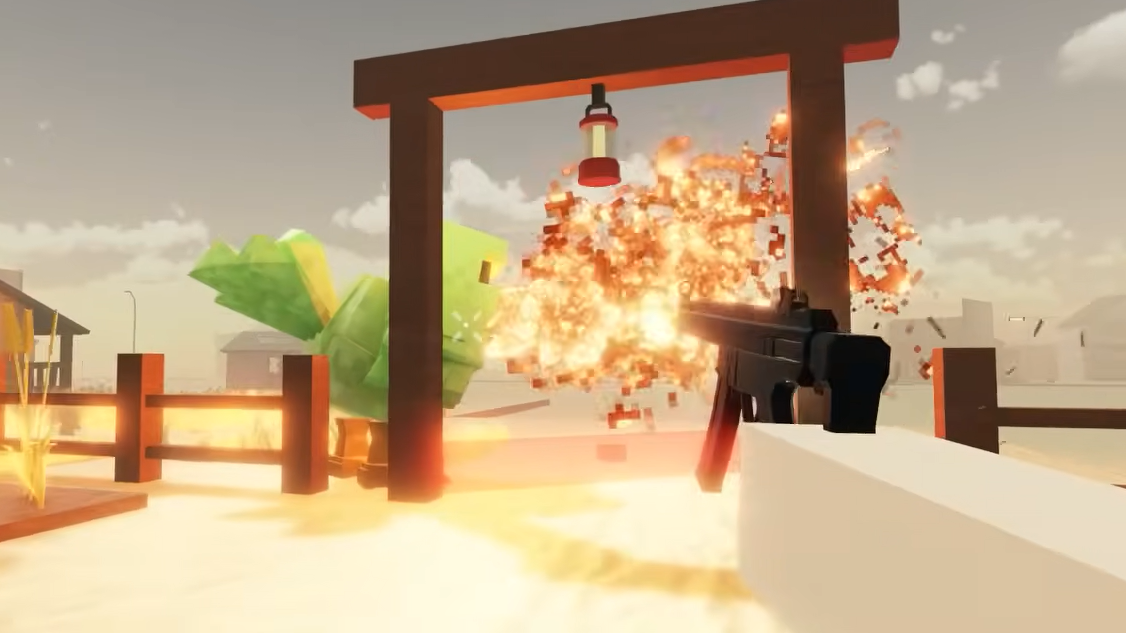
Special zombies with modified heads drop unique ingredients such as carrots and yeast, which produce higher-value pies. Fire Zombies, when shredded, yield Explosive Meat, which can be combined with regular Zombie Meat to make explosive pies.
How to farm Nuggets
Nuggets are the lobby currency used to unlock classes. Cash, the in-round currency, is separate and earned from selling pies. Don’t confuse the two.
| Method | Reward | Notes |
|---|---|---|
| Badges (scroll icon, left side of screen) | 1–10 Nuggets each, 47 total | Many trigger from normal play; remember to redeem them |
| Daily Quests (lobby quest board) | 1–3 Nuggets per quest, 3 quests | Refresh every 24 hours; finish before reset |
| Chests in dilapidated houses | Random Nuggets | Spawn chance only; loot during exploration |
| Nuggets stand (lobby) | Variable | Robux purchase |
Badges and dailies do most of the heavy lifting. Chest spawns are inconsistent, so treat them as a bonus while you’re already exploring.
Classes and what they start with
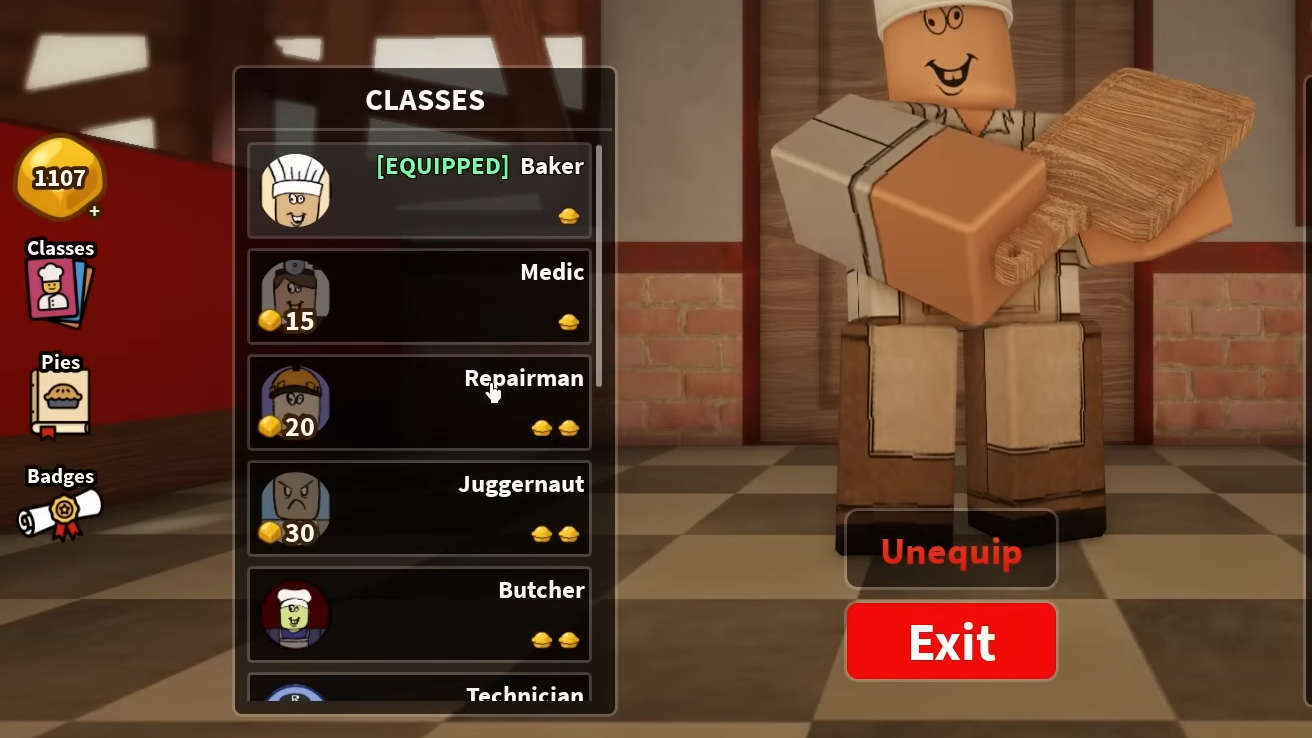
Each class hands you a starter tool when the round begins, which shapes your first night. You buy them from the Class shop in the lobby using Nuggets. Any class beats running in barehanded.
| Class | Starter item |
|---|---|
| Baker | Cutting Board |
| Medic | Bandage |
| Gunslinger | Revolver |
| Repairman | Iron Repair Hammer |
| Ninja | Katana |
| Juggernaut | No tool, but high health |
Gunslinger, Necromancer, Bombastica, and Doctor are the standout picks for combat and utility. Most players agree Bombastica is the strongest pick if you want one definitive answer, but all classes are viable.
Daytime priority order
Daytime is short. Mixing activities is the fastest way to forget a step, like leaving pies unsold or corpses unshredded. Run one task to completion before starting the next.
Weapon priority
The Gunsmith sells weapons that meaningfully shorten night fights. The progression worth saving for is M1 Garand first, then the Sawed-Off, then the SMG. If you’re early-game and the SMG’s $1,250 price tag is out of reach, two Revolvers at $150 each are a strong stopgap. Fire one, swap to the second, and keep alternating. The effective DPS while swapping beats a single SMG in many encounters and costs a fraction of the price.
Night combat positioning
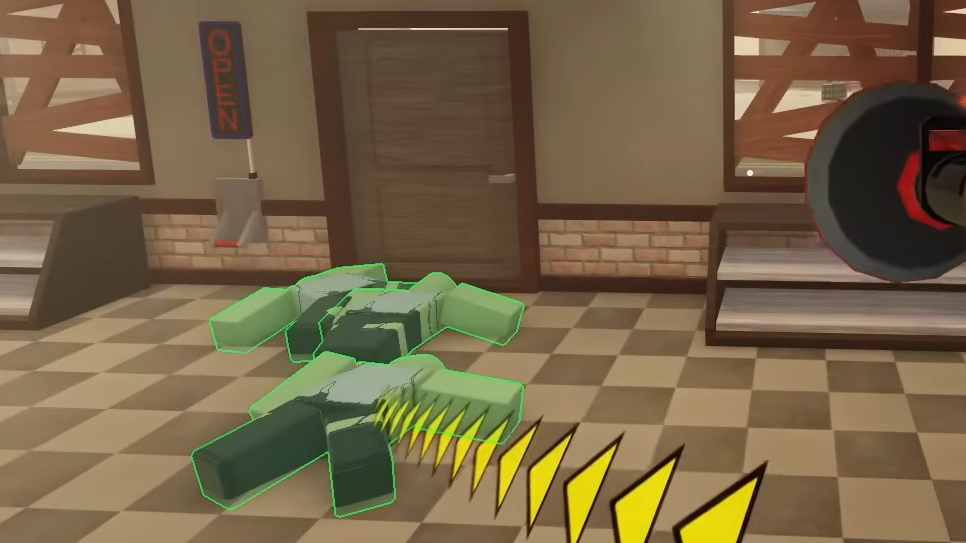
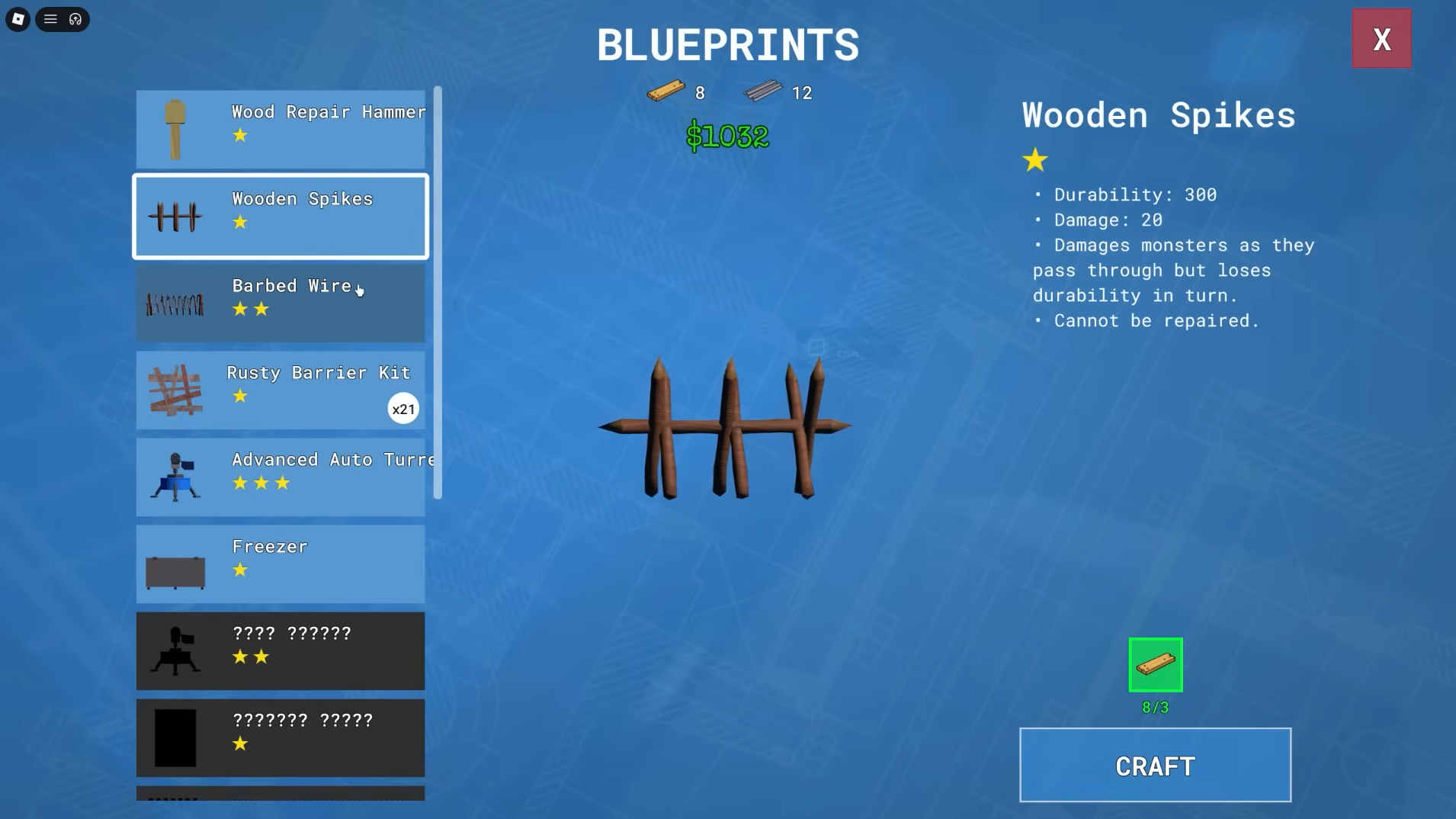
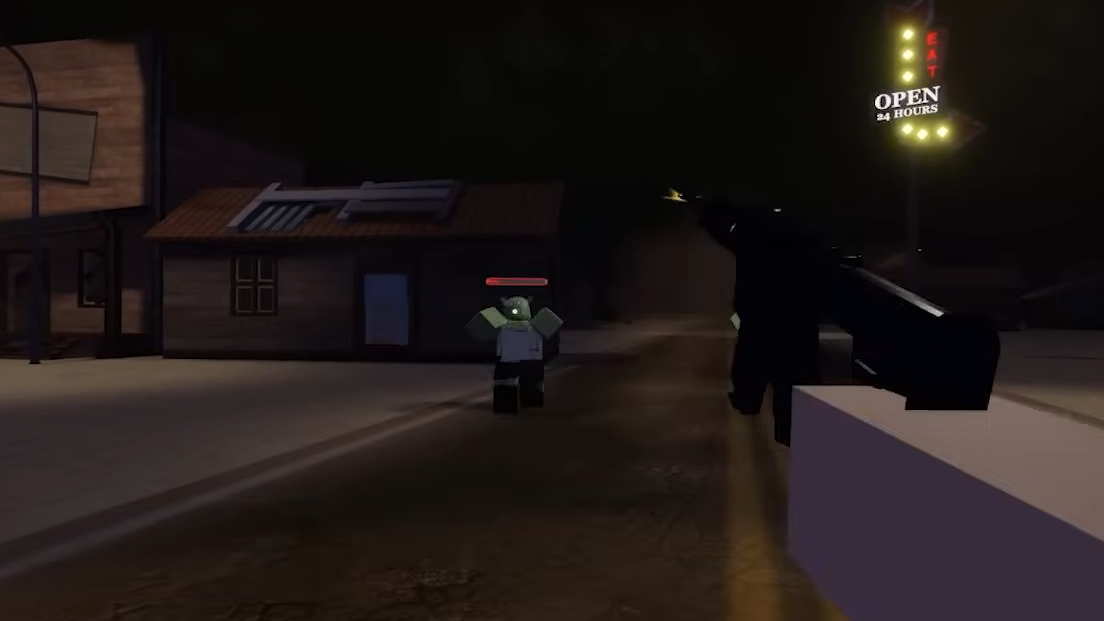
If you’re still on melee, stand on the spike machine inside the diner and let zombies come to you. The damage tick from the trap stacks with your swings, and you avoid taking hits while repositioning.
Funnel zombies through one entrance. Keep a single door open and leave the others reinforced so the swarm has only one path in. You’ll spend less wood on repairs, and your line of fire stays predictable.
Check the back room between waves. Zombies sometimes slip past and attack the generator, marked with the yellow “Danger High Voltage” sign. If it goes down, your base loses power. Old Batteries found near houses on the map can be used to recharge the generator.
Special ingredients and pie types
Zombies with modified heads drop unique ingredients. Carrots and yeast unlock higher-value pie recipes. Fire Zombies are the most useful variant beyond standard zombies. Run their corpse through the grinder to produce Explosive Meat, then combine one Explosive Meat with one Zombie Meat in the mixer for an explosive pie. That’s only two ingredients instead of six, which makes it efficient when Fire Zombies are spawning regularly.
Squad play
Cash is shared across the team, so coordinate purchases. One player buying an SMG while another buys a Revolver beats both buying Revolvers. Assign roles early. Someone runs corpses, someone bakes, someone repairs. Squads clear nights faster simply because the grind, mix, and bake stages can run in parallel instead of sequentially.
How you know it’s working
Cash per night should rise consistently. If you’re stuck at the same Cash total across two or three nights, you’re probably leaving corpses to spoil, baking single-ingredient pies, or forgetting to place finished pies on the shelf before sunrise. Pies that don’t reach the shelf don’t sell, and unsold pies are wasted ingredients.
Stick to the order: collect, bake, craft, shop, repair. Pick a class that fits how you fight, lean into six-ingredient pies, and keep the back room generator alive. The nights stop feeling like a scramble once the daytime routine becomes muscle memory.