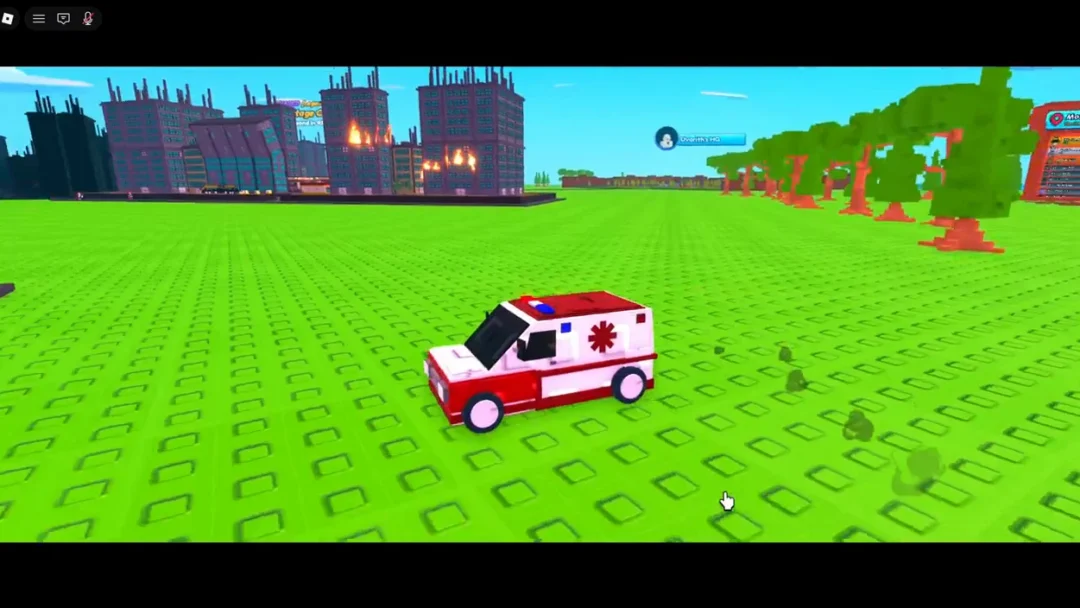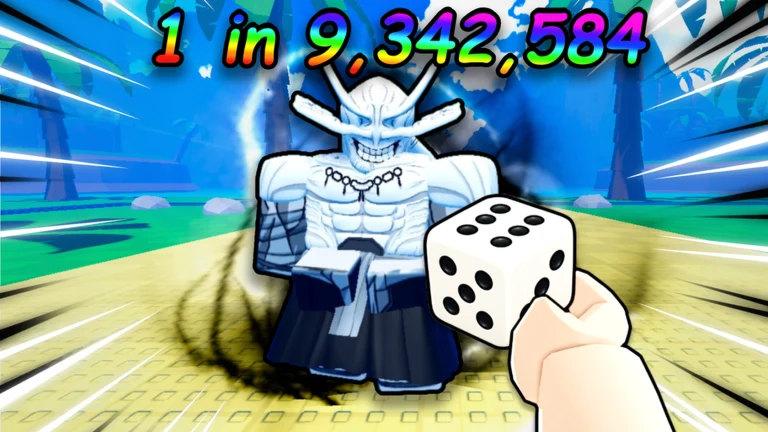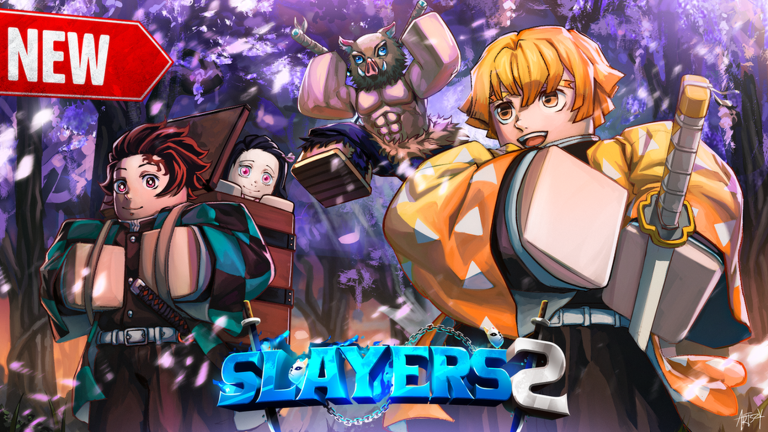
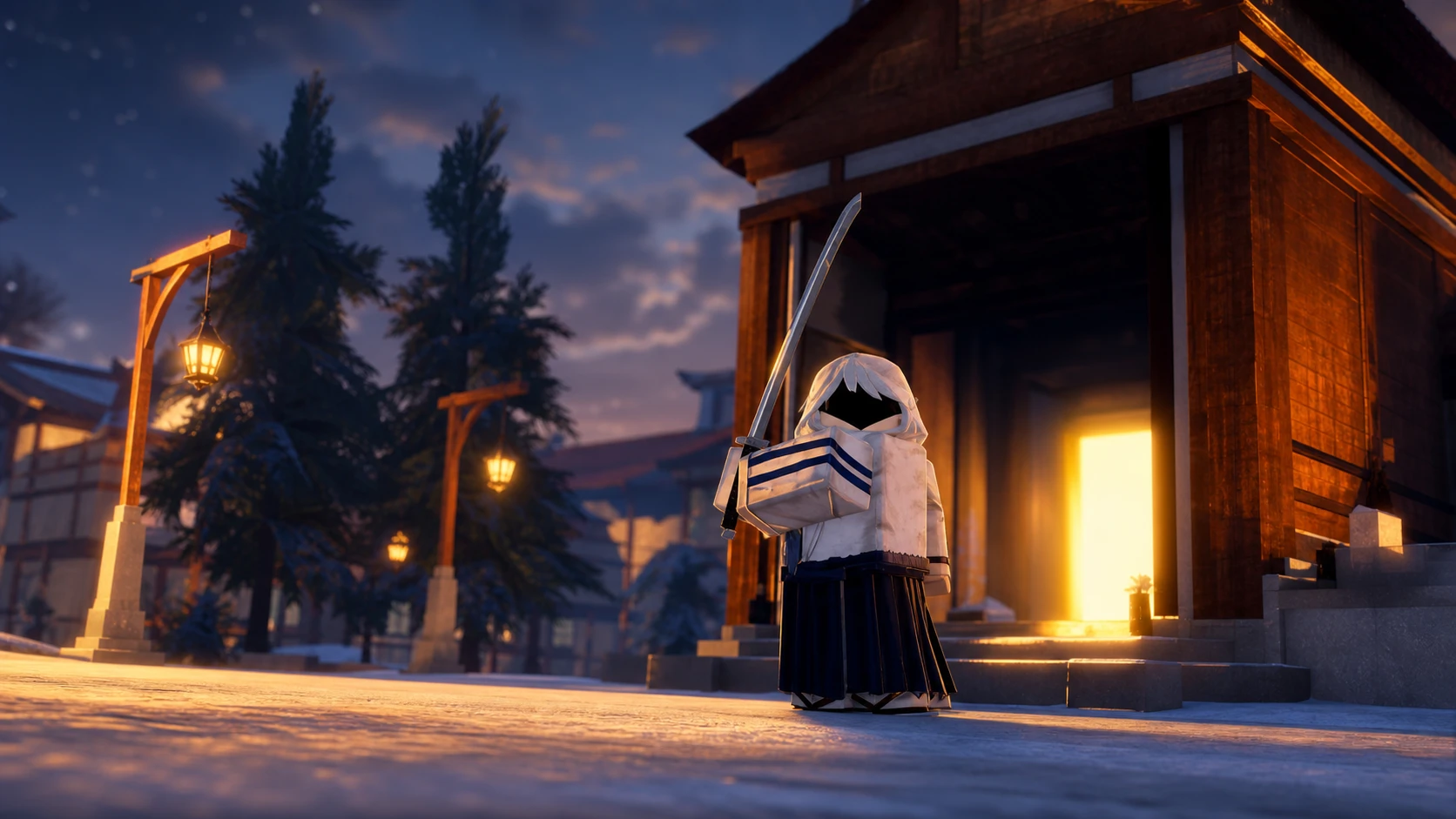
Broken Blade is an action RPG on Roblox built around repairing damaged weapons, grinding enemies for materials, and steadily climbing through Norse-themed islands. You begin weak and underequipped, and almost everything you do feeds back into one goal, which is increasing your damage so you can clear stronger content. The systems can look tangled at first, but they follow a clear dependency order once you know what unlocks when.
Quick answer: Commit to a single weapon branch, repair and upgrade it at the forge, complete quests for EXP, activate island altars for damage bonuses, then start rerolling races and elements at level 500 and blessings at level 1,000.
Core loop and your first weapon
You start with the Nameless Blade, a one-star Sword that carries you through the opening hours. Every weapon uses a star rarity from one to four, and each belongs to one of three categories, which are Sword, Katana, and Buster. Higher star counts mean better stats and stronger output.
The gameplay loop is consistent. You defeat enemies, gather materials of different rarities, and use those materials to repair and upgrade gear. Most weapons you find are broken and cannot be used until repaired. Repairing requires Gems, Coins, and crafting materials that match the weapon type. As your gear improves, you take on tougher enemies, which drop better materials, which fund the next weapon.
Default controls
| Action | Button |
|---|---|
| Movement | W, A, S, D |
| Jump | Space |
| Dash | Q |
| Basic Attack | Left Mouse Button |
| Sword Attacks | Z, X |
| Block | F |
| Aim | G |
What to prioritize early
Spreading resources across several weapon types is the fastest way to stall. A focused path keeps your materials concentrated on gear that actually grows your damage.
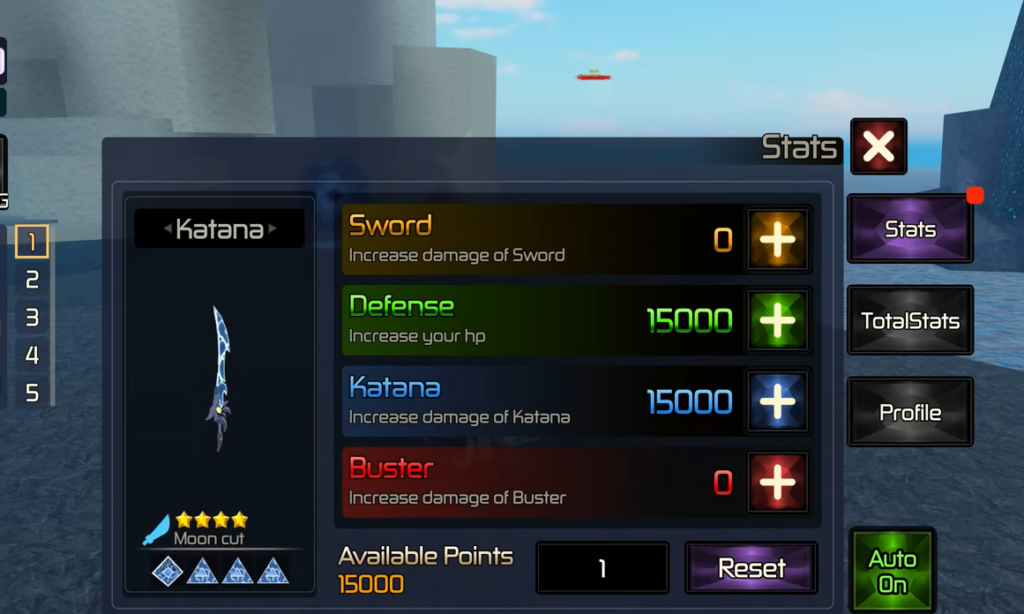
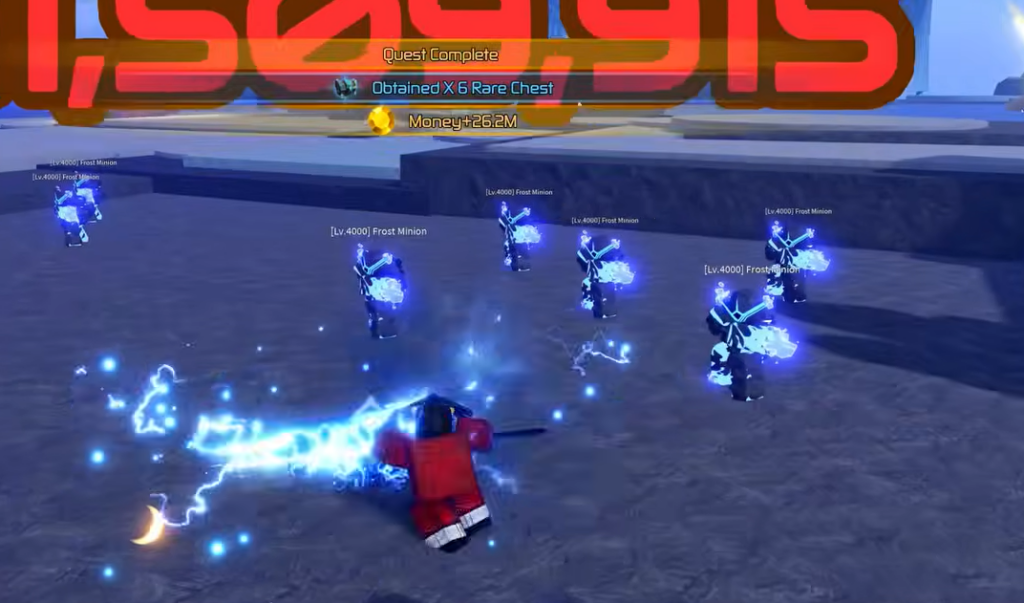
Hold off on race and element rerolls until level 500, and start investing seriously in blessings and long-term upgrades once you pass level 1,000.
Islands and unlock levels
There are around seven islands. Most are tied to level progression and open as you grow stronger, while others are gated behind raids, events, or special modes.
| Island | Unlock requirement |
|---|---|
| Origin Island | Level 1 |
| Helheim Island | Level 301 |
| Muspelheim Island | Level 1,001 |
| Niflheim Island | Level 4,001 |
| Nidavellir Island | Demon Challenge (Raid) |
| Eclipse | Redemption of Gods (Event) |
| Jotunheim | Level 13,000 (Skyspire) |
Weapons and how crafting works
Eight weapons sit across the three categories, and they are your main damage source. Crafting materials come from defeated enemies, chests, and redeemed codes.
- Wind Fang
- Night Whisper
- Excalibur
- Stone Cleaver
- Light Scar
- Moon Cut
- Soul Devourer
- Dragon Slayer
To craft a weapon you first need its broken version. After that, you gather the required resources, which usually include Coins, Gems, and weapon-specific shards. A Sword, for example, needs Sword Piece I, Sword Piece II, and Sword Piece III plus the other listed materials. Each weapon type follows the same pattern with its own matching pieces.
Boosting damage with crafting elements
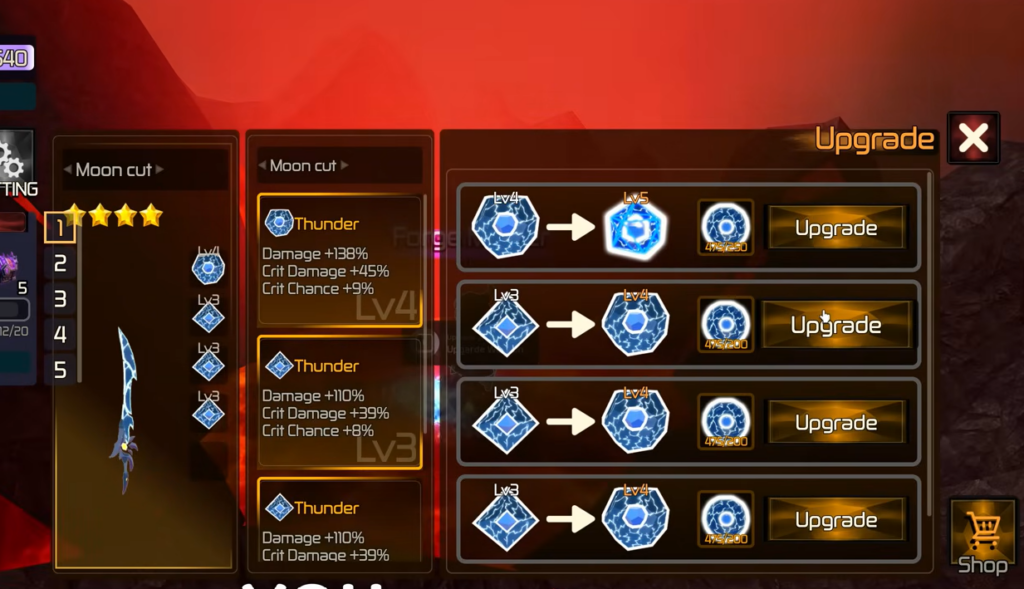
Repairing a weapon is only the start. Once it is unlocked, a forging interface lets you slot elemental materials from your inventory into the weapon. Each material adds its own buffs and stat bonuses, and those values increase as you keep upgrading them. For deeper upgrades, use the Forge Master NPC on Muspelheim Island or the Soul Forge on Jotunheim Island.
These crafting elements are separate from the Element progression system covered below. One set strengthens the weapon itself, the other applies passive bonuses to your character.
Races, Elements, and Blessings
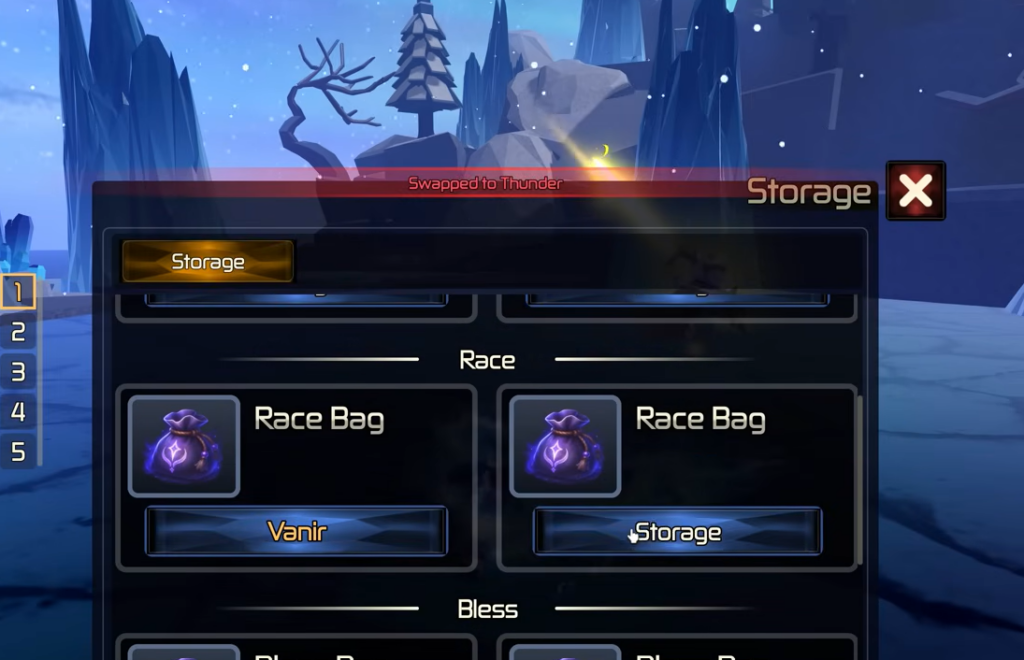
These three reroll-based systems carry your long-term power. Each is obtained with a matching Reroll item, and each has a level requirement before it unlocks. The Reroll Shop sits on Helheim Island near the Moraro boss, stocks three items at a time, and refreshes often, so check it frequently.
Races
Races give passive bonuses and are pulled with a Race Reroll. You can buy them in the Reroll Shop, trade for them, or grind bosses such as Nuvaron. There are nine races across six rarities.
| Race | Rarity |
|---|---|
| Human | Common |
| Dwarves | Uncommon |
| Giant | Rare |
| Flame | Epic |
| Frost | Epic |
| Vanir | Legendary |
| Nether | Legendary |
| Elf | Legendary |
| Aesir | Mythical |
Elements
Elements grant buffs and passive bonuses when equipped, and they unlock after level 499 once you have Element Rerolls. You are not locked to one, so depending on your rolls you can equip several at once and stack their bonuses. Keep rerolling until you land a combination that fits your build.
| Element | Rarity |
|---|---|
| Earth | Common |
| Water | Uncommon |
| Life | Rare |
| Wind / Air | Epic |
| Fire | Legendary |
| Thunder / Lightning | Mythical |
Blessings
Blessings draw on Norse gods and legendary figures, and they require a Blessing Reroll with your character at level 1,000 or higher. The first Blessing Reroll is free from the Reroll Shop. There are 21 blessings across six rarities.
| Blessing | Rarity |
|---|---|
| Dark, Light | Common |
| Valkyrie, Einherjar | Uncommon |
| Vidar, Vali, Eir | Rare |
| Njord, Frigg, Freyr, Baldr | Epic |
| Tyr, Thor, Loki, Heimdall, Freyja | Legendary |
| Surtr, Odin, Jormungandr, Hel, Fenrir | Mythical |
Maximizing damage and confirming progress
There is no single best weapon type. Swords, Katanas, and Busters can all hit hard, and the strongest choice depends on the blessings, elements, and race bonuses stacked behind it. Damage grows from layering systems rather than chasing one item. Repair a stronger weapon, slot elemental materials into it at the forge, keep your altars active, and align your race, elements, and blessings with how you play.
You know your investments are landing when your weapon’s star rating and stats climb at the forge, altar bonuses appear after activation, and boss fights that once stalled you start falling faster. The level cap currently sits at 15,000, so treat power gains as a long, compounding curve rather than a quick spike.
If progress feels stuck, the usual cause is splitting materials across multiple weapons, ignoring quests for their larger EXP rewards, or rerolling races and elements before level 500. Lock onto one branch, finish quests, and respect the unlock levels, and your damage and farming speed both move in the right direction.