

Weapons are the main way you deal damage in Code Vein II, and the game is built around swapping, augmenting, and timing them with formae and drain actions.
Quick answer: Code Vein II has seven weapon types: One-handed Sword, Two-handed Sword, Twin Blade, Bayonet, Halberd, Hammer, and Rune Blade.
Weapon types in Code Vein II (the complete list)
| Weapon type | Core role | What to expect in practice |
|---|---|---|
| One-handed Sword | General-purpose melee | Fast, flexible combo chains, and broad formae compatibility. |
| Two-handed Sword | Heavy melee burst | Big reach and high-impact single hits, with slower commitment and positioning demands. |
| Twin Blade | Mobile multi-hit pressure | Quick dual-blade strings that pair naturally with drain attacks and “wounding” play. |
| Bayonet | Hybrid melee + ranged | Switches between stabbing up close and firing at range; supported by specialized formae. |
| Halberd | Mid-range control | Long-shaft reach, wide-area swings, and thrusts that can manage multiple angles. |
| Hammer | Stance-breaking power | Slow, heavy hits that can disrupt enemies; includes slam and shockwave-style techniques. |
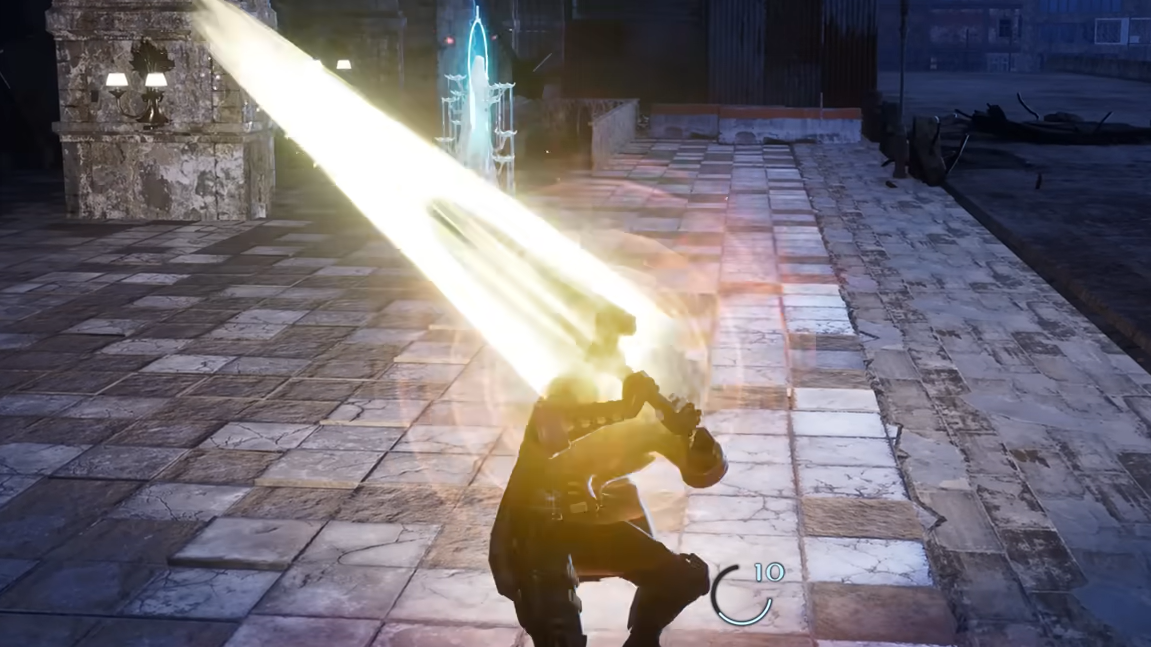
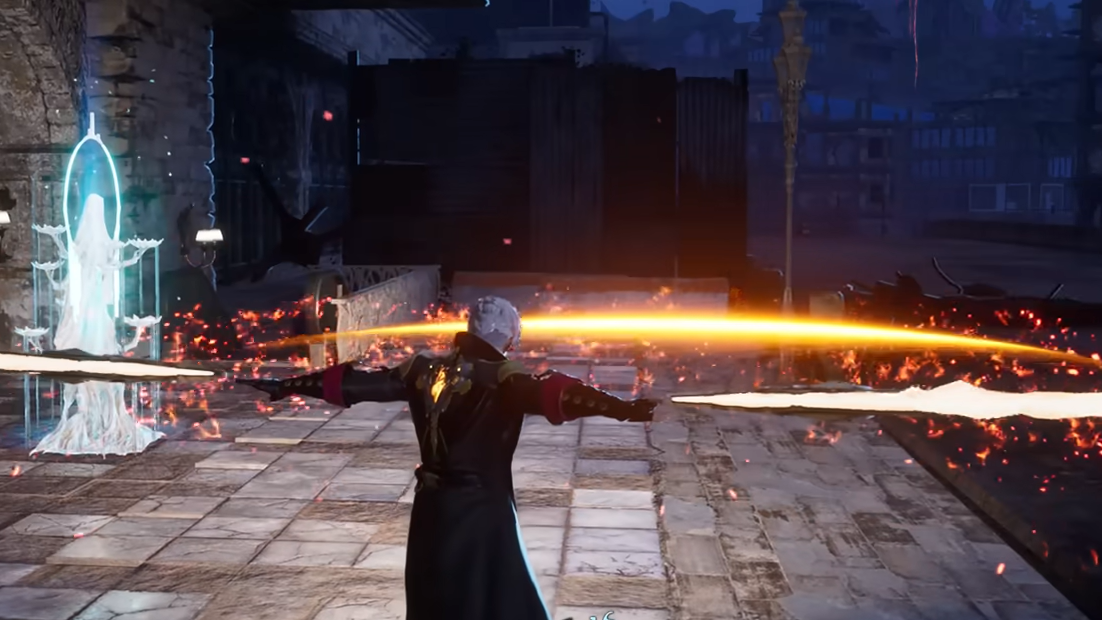
| Rune Blade | Formae-driven weapon control | Floating blades controlled through formae, leaning into long-range and ability-enhancing play. |
How to choose a weapon type with Blood Codes and burden
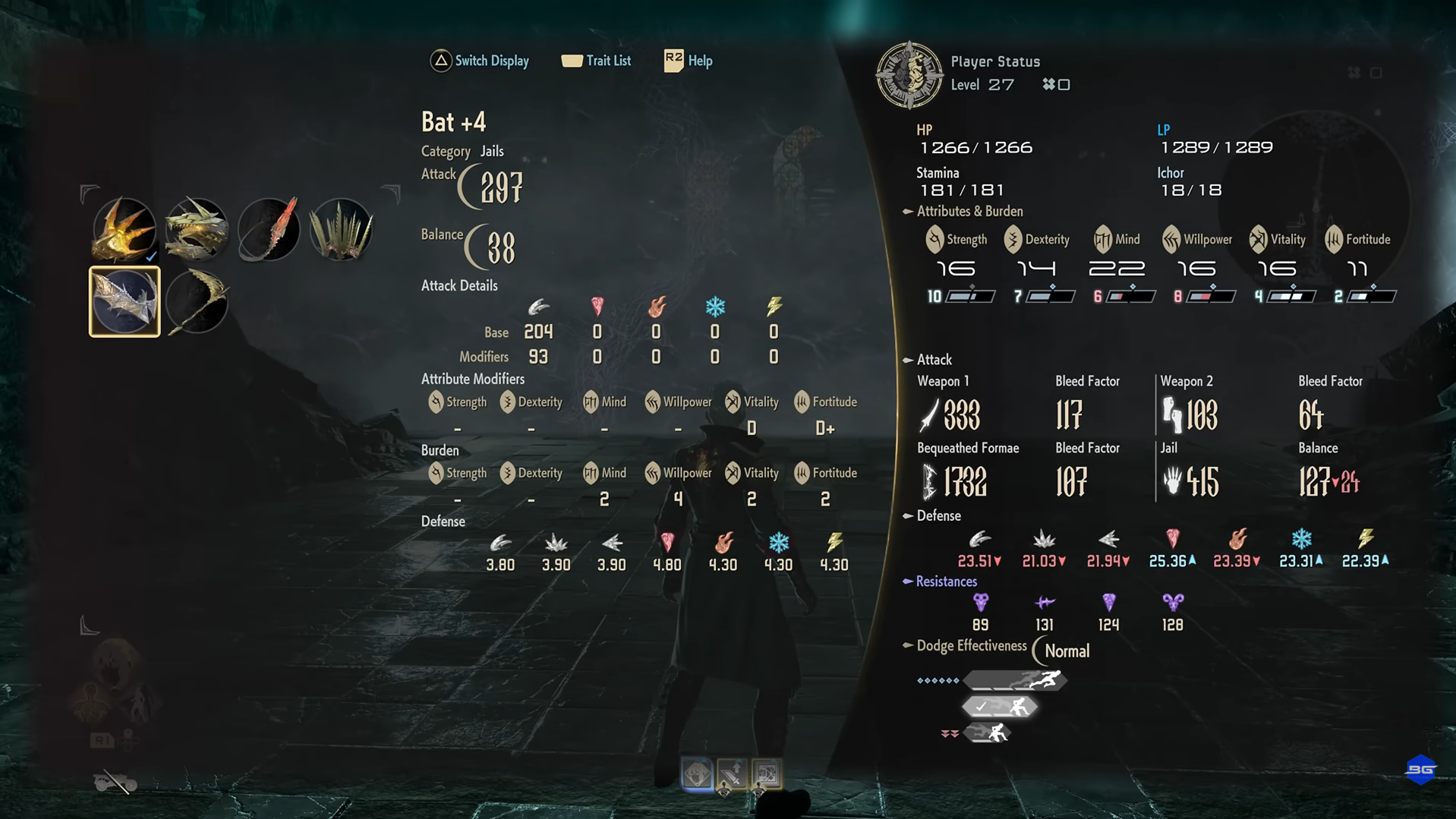
Weapon choice is tightly coupled to your Blood Code because weapons have stat requirements and can push your build into overburden. Overburden isn’t framed as a hard lockout; it’s a threshold problem: equip something that exceeds what your Blood Code comfortably supports, and you’ll feel it through the game’s burden and restriction behavior.
The practical check is simple: if equipping a weapon changes your mobility or pushes your stats beyond what your Blood Code can handle cleanly, you’re in overburden territory. The game surfaces overburden advantages and disadvantages in the in-game Journal.
Weapon slots, offensive slot, defensive slot, and Jail
Combat loadouts are more than “pick a weapon.” The Weapons menu is organized around multiple slots that shape how you fight moment to moment:
- First weapon slot and second weapon slot: your two active weapons, intended for swapping in combat and for running different formae setups.
- Offensive slot: reserved for Bequeathed Formae, which can summon a unique weapon. The summon takes time, but it’s designed to land as a high-impact strike.
- Defensive slot: reserved for Defensive Formae, supporting Guard, Parry, or Evade-focused defense depending on what you equip.
- Jail (next to your Blood Code): drives draining attacks that pull blood from enemies. Different Jails change how drain attacks behave, so this choice affects both survivability and resource flow.
Weapon Formae, Ichor, and the game’s “bleed → drain → formae” loop
Weapon Formae are the skills tied to weapons, and they run on Ichor. If you treat Ichor like a “special meter,” the game immediately starts to make sense: using Weapon Formae extends combos or chunks enemy health, but you need a reliable way to refill the resource.
The core loop is to build pressure with weapon attacks, then weave in Drain Attacks to recover Ichor. One important mechanical wrinkle is that each successful Drain Attack resets the bleed state on the enemy, so efficient play often means timing drains so you don’t cut off your own momentum.
When an enemy is staggered, you can finish with a Special Drain Attack, which functions as a natural combo closer.
How each weapon type fits that loop
One-handed Sword: It’s the most straightforward way to learn how Weapon Formae and Ichor pacing work. The moveset’s branching chains make it easier to “leave room” for drains without breaking your rhythm.
Two-handed Sword: The loop is more deliberate. You’re typically looking for safe, high-value openings, then spending Ichor on slashing formae for decisive damage rather than constant extensions.
Twin Blade: The fast, multi-hit style naturally feeds into drain synergy. The weapon type’s mobility and repeated hits pair cleanly with status and drain-focused sequencing.
Bayonet: It’s built around changing distance. You can pressure at range and still convert into close-range stabs, which makes it a flexible platform for formae that reward positioning changes.
Halberd: The loop is about space control. Wide arcs and long thrusts help you manage enemy approach angles and set up safer drain windows.
Hammer: It’s tailored for disruption. If you can reliably break stances, you get more predictable stagger states, which can make Special Drain Attacks easier to route into your damage cycle.
Rune Blade: It leans hardest into formae identity. Since the weapon is controlled via formae power, it’s designed to pair with long-range actions and ability-enhancing incantations while still functioning as a weapon moveset.
Bayonet ammunition and Ichor interaction
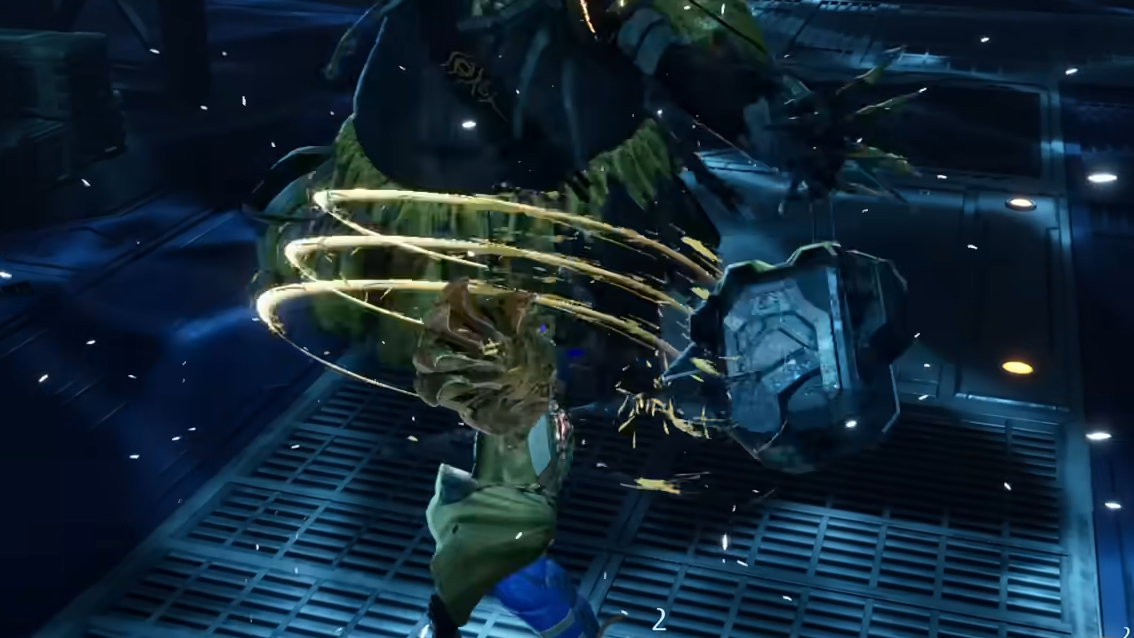
Bayonets use a different type of ammunition depending on the gun type, rather than firing by consuming Ichor directly. Ichor still appears in ranged contexts in a more specific way: it can be used as an arrow for a bow-like formae such as the Statesman’s Longbow.
Upgrading and transforming weapons
Weapons can be upgraded so that early finds don’t automatically become obsolete, and they can also be transformed at a transformation workshop if you have the required materials and Haze. Transformation changes weapon properties, including attribute inclination and element, which is how you align a weapon with a stat focus your build prefers.
How to verify you’ve built a functional weapon setup
You’ll know your setup is working when three things are consistently true in combat:
- Ichor stays stable across fights because you’re landing drains often enough to fund Weapon Formae.
- Your mobility feels predictable because your weapon choice isn’t pushing you into an unwanted overburden state.
- Your stagger opportunities convert into finishers because your Jail choice and timing let you land Special Drain Attacks when enemies break.
Code Vein II is available on PS5, Xbox Series X|S, and PC, and the weapon system is designed to reward switching tools without forcing a single “correct” loadout.