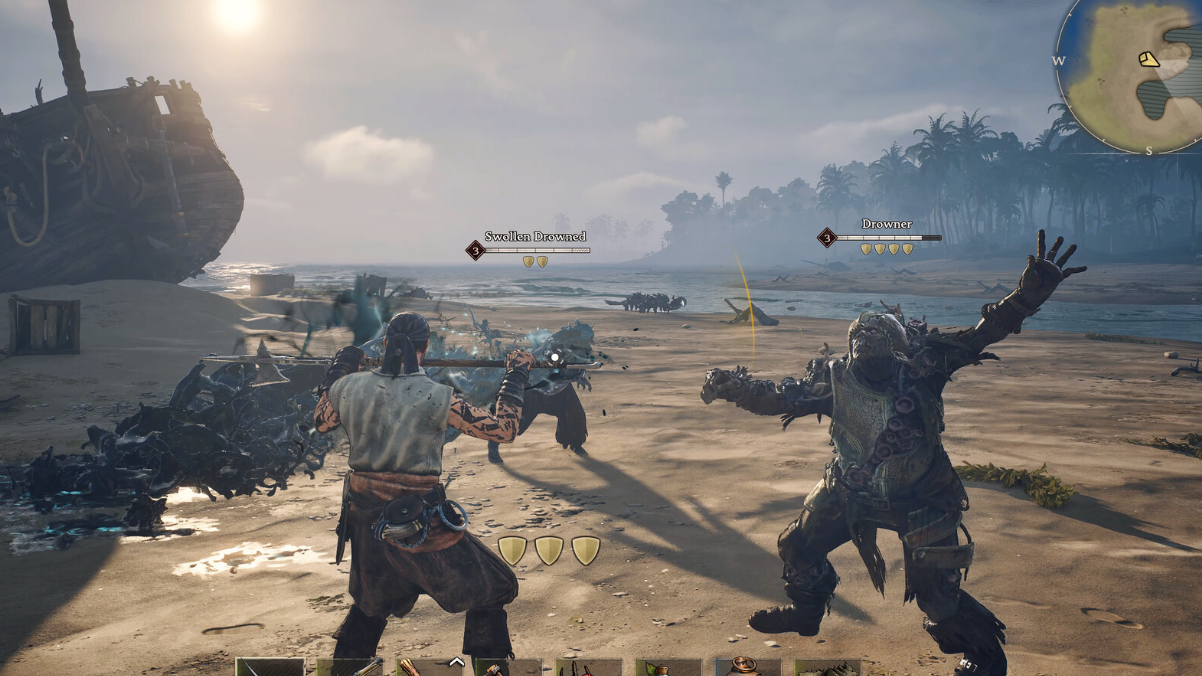
Wood is one of the most demanded resources in Windrose, and once you start clearing palms around your base, the obvious question is whether anything will fill that empty dirt back in. The short version is that trees behave differently from almost every other resource in the game, and the rules tied to your bonfire radius and leftover stumps determine what comes back.
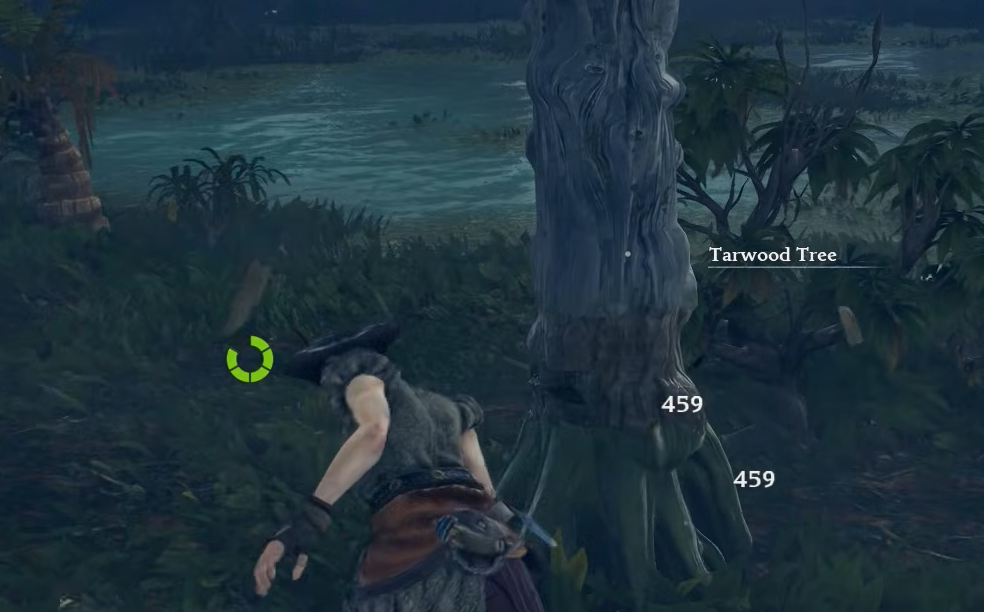
What the game actually does with trees
Windrose treats most resources on a respawn timer, but trees are the exception. Ore nodes in caves, clay deposits, wild fruit and vegetables, flowers, and animals like boars all return after a set period once you leave the area. Trees, by design, are a finite resource on each island.
There is a long-running debate in the community because some players swear they have seen trees reappear near their base. The most likely explanation is a respawn behavior from earlier playtests that was carried over inconsistently, or small shrubs and bushes being mistaken for new trees. The current intended behavior, per the developers, is that felled trees stay felled.
The bonfire radius rule
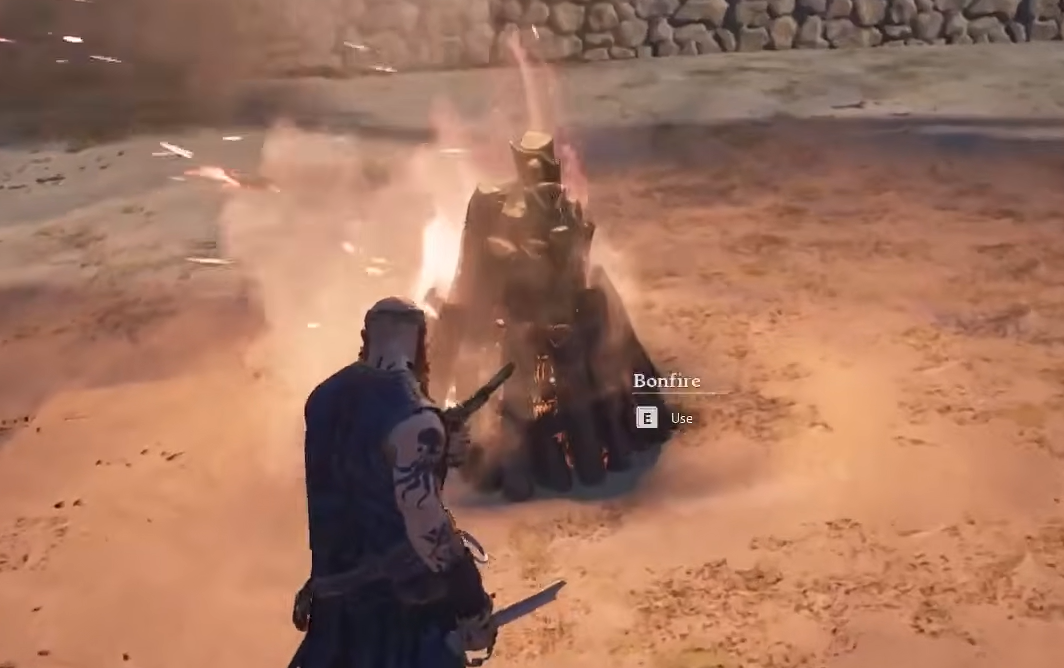
Your campfire or bonfire projects a zone of influence around your base. Inside that circle, resource respawns are suppressed so that trees, bushes, and plants do not sprout through your floors, walls, and storage. This is why clay and other nodes inside your base footprint will typically not refill, even though the same deposits elsewhere on the island do.
Outside that radius, respawning resources return on their usual timers. Trees are the one category that does not benefit from this, so clearing a forest outside your base still leaves that space empty.
Respawn timers for everything else
| Resource | Respawn behavior |
|---|---|
| Trees (palm, ficus, etc.) | Do not respawn; must be replanted from seeds |
| Ore nodes (copper, stone) | Roughly 6 hours real time, outside bonfire radius |
| Clay deposits | Respawn outside bonfire radius; blocked inside it |
| Wild fruits and vegetables | One to two in-game days |
| Flowers and herbs | One to two in-game days |
| Boars and small wildlife | A few in-game nights |
| Loot bundles in POIs | Refresh with the camp respawn cycle |
Copper caves are a useful exception to the bonfire rule. Ore inside a cave instance will continue to respawn even if you build a campfire or structures at the entrance, since the cave is treated as its own space.
How to get wood back once a tree is gone
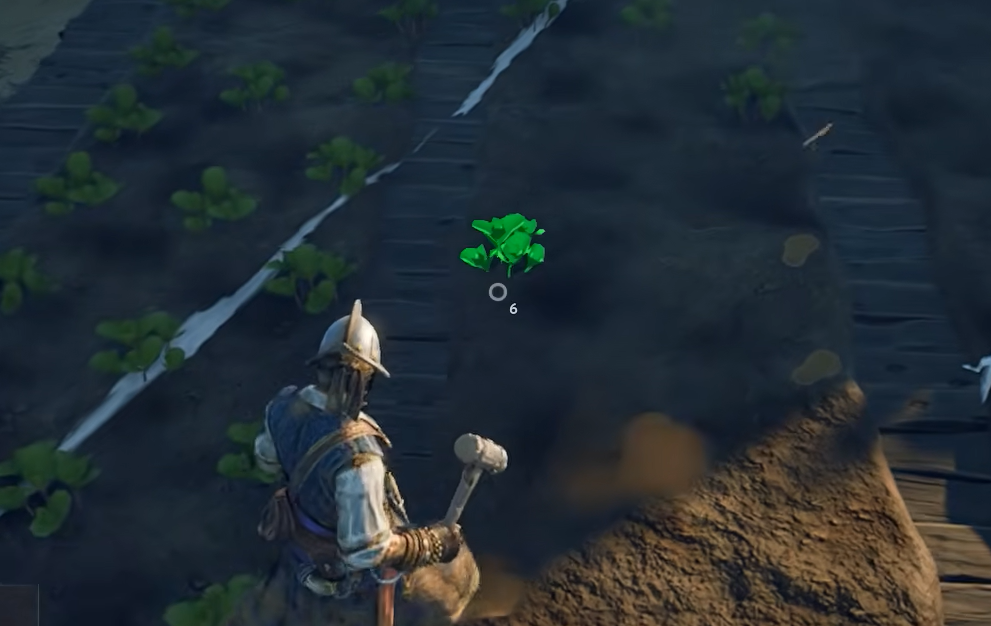
Since cutting a tree permanently removes it, the intended replacement system is seeds. Chopping trees occasionally drops seeds that can be planted in a farming plot or directly in suitable ground. Palm seeds, ficus seeds, and banana saplings all become available as you progress, and planted trees will mature into harvestable wood sources.
About the stump question
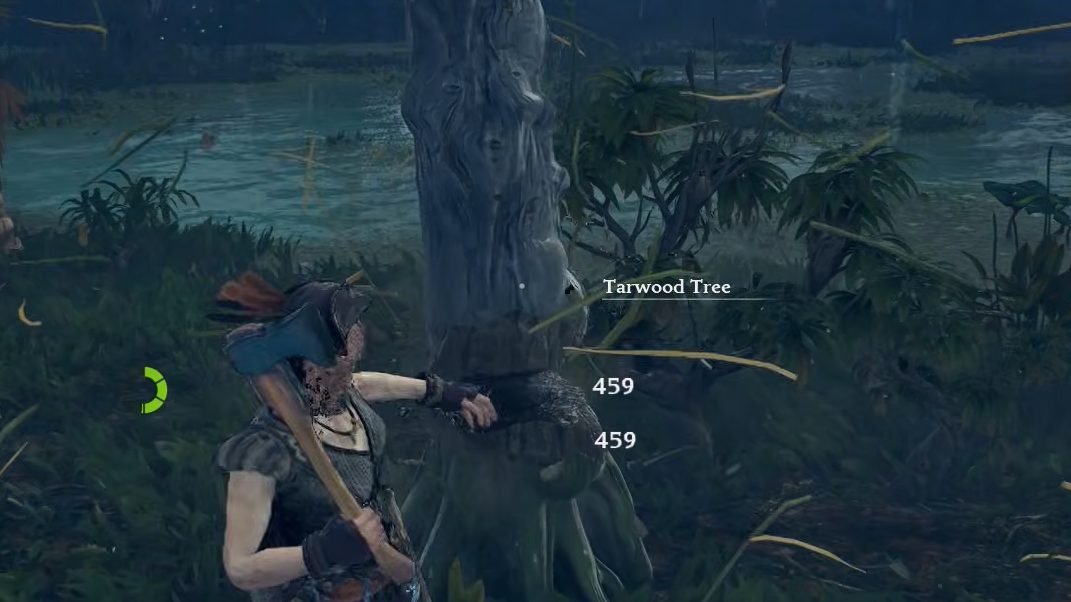
One of the most repeated tips is to leave the stump after felling a tree so it can regrow. Testing across long play sessions has not confirmed this behavior in the current build. Stumps left untouched for multiple in-game weeks have not produced new trees, and the developer guidance points to seeds as the actual replanting mechanic. Leaving stumps does no harm, but it should not be relied on as a regrowth method.
Practical ways to avoid running out of wood
The finite nature of trees sounds punishing, but Windrose gives you several workarounds that keep wood plentiful in practice.
- Sail and salvage: Floating debris, sinking pirate ships, and shipwreck loot drops produce large quantities of wood with no chopping required.
- Hop to new islands: Each new island you explore brings a fresh forest. Early-game bases tend to strip their starter island, but the wider map has plenty of untouched wood.
- Target ficus trees: Ficus trees fall in one to three hits and grow in tight clusters with bushes, so a single swing often yields wood and plant fiber at once.
- Use a secondary world: Some players run a separate save purely for gathering, fill a ship with wood, and transfer it back to their main world.
- Cannon logging: A broadside from ship cannons destroys shoreline trees instantly, at the cost of powder and ammunition.
What this means for base planning
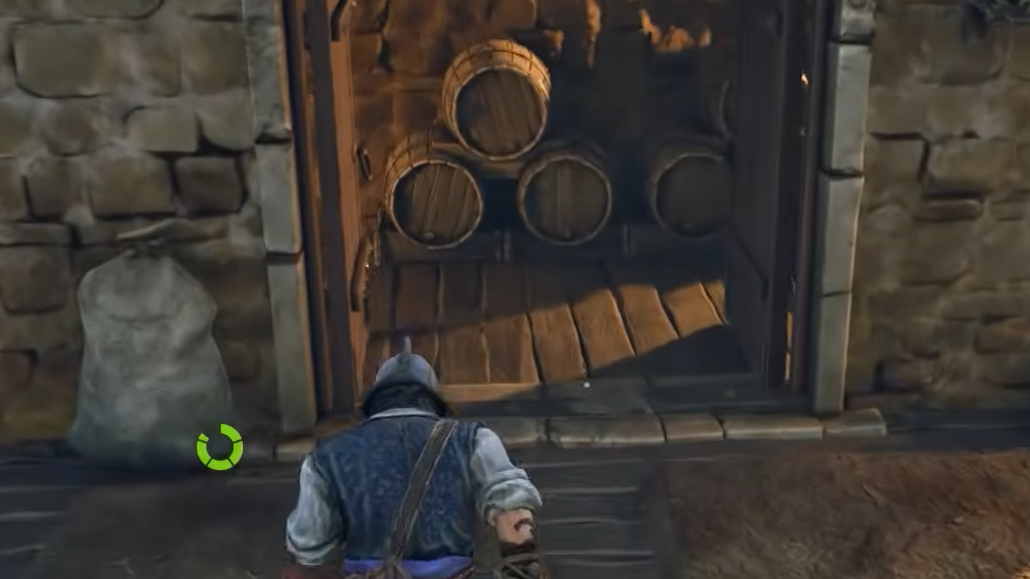
Because the bonfire radius stops respawns for things you might actually want (clay is the most common complaint), it is worth thinking about base placement before committing to a location. Avoid building directly on top of clay pits or surface resource spawns you plan to farm long-term. Copper caves are safe to build beside, since the cave interior respawns independently.
For trees specifically, plan to replant rather than preserve. Set aside a small farming area near your base for ficus and palm seeds, and treat the wild forest as a one-time harvest that funds your early progression until seeds and sailing take over.
Windrose is in early access, and the respawn systems are still being tuned. Tree regrowth may be reintroduced or adjusted in later patches, but for the current build, plan around seeds, sailing loot, and fresh islands as your long-term wood supply.