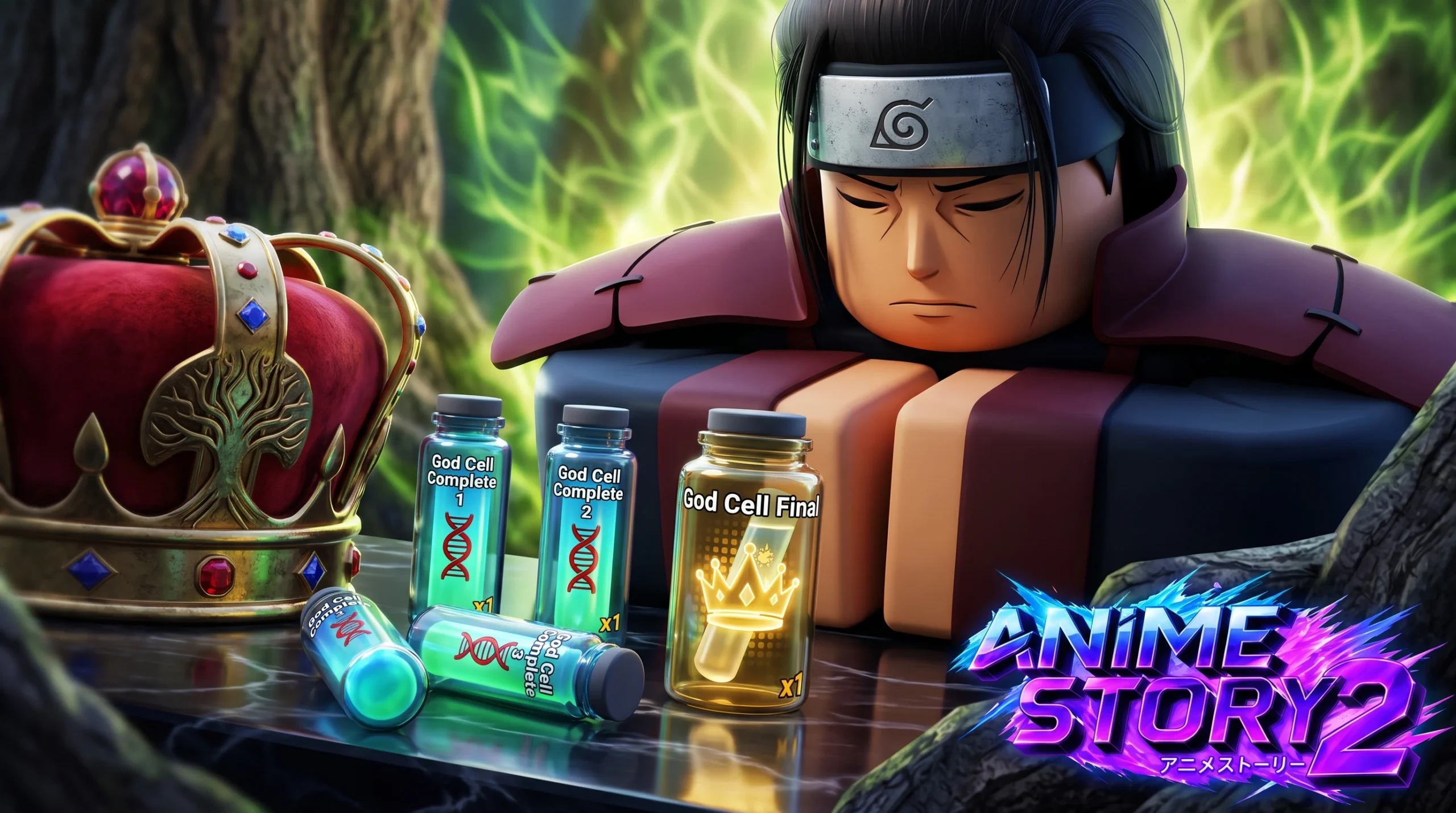
Hashirama’s Cells are the harvested tissue of Hashirama Senju, the First Hokage remembered as the “God of Shinobi.” Because those cells carry his chakra and raw life energy, people across the shinobi world have chased, transplanted, and traded them for generations. They are powerful, but they are also one of the most dangerous things a body can be given.
Quick answer: Hashirama’s Cells grant Wood Release, heightened durability, and faster recovery when transplanted, but only bodies tied to the Senju, Uzumaki, or Uchiha bloodlines (plus a handful of engineered exceptions) survive the graft. Everyone else rejects the cells and can die.
What Hashirama’s Cells are
Hashirama Senju led the Senju clan and, alongside his rival Madara Uchiha, founded the Hidden Leaf Village before becoming its First Hokage. He was hailed as the God of Shinobi for his Wood Release kekkei genkai, a bloodline ability that no one else could replicate at his level. A reincarnation of Asura Ōtsutsuki, his body held an unusual concentration of chakra and life energy.
After his death, that biology became a resource. His cells were cultured and spread far beyond anything Hashirama or the Leaf ever intended. They ended up moved, stolen, and reused so often that by the time of the next generation, their effects had leaked into wider circulation as a kind of black-market commodity.
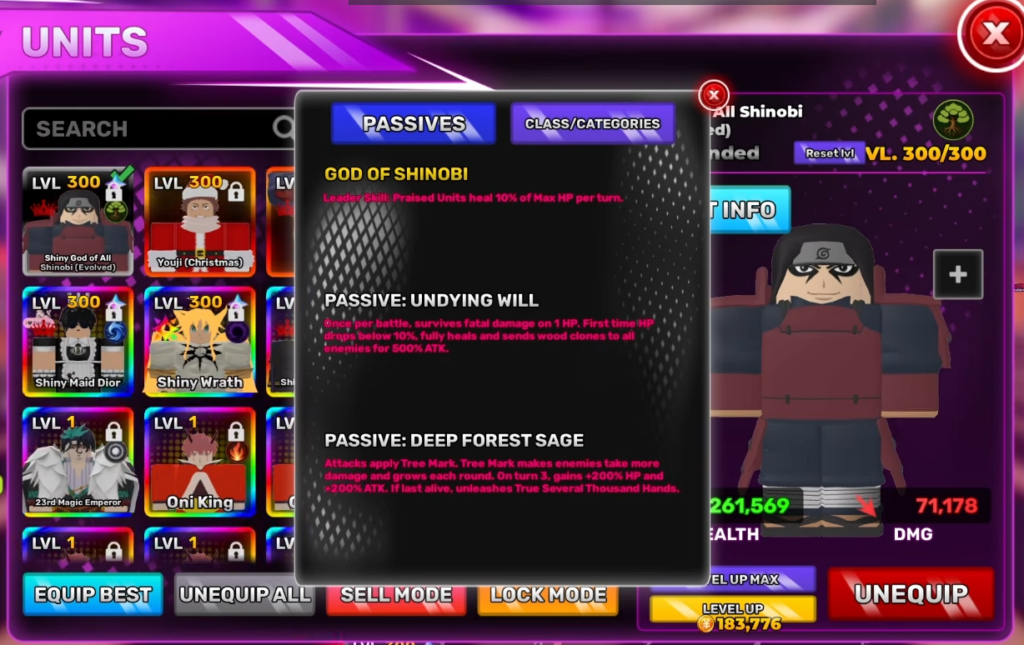
What the cells actually do
Transplanting the cells activates the recipient’s physical energy and, in the right host, unlocks abilities tied to Hashirama’s own power. The strength of each effect varies from person to person, even when the same cells are used.
| Effect | What it does |
|---|---|
| Physical boost | Raises physical ability, stamina, and healing/resilience. |
| Wood Release | Lets a compatible user perform the Mokuton techniques Hashirama used. |
| Prosthetics and bodies | Can be shaped into prosthetic limbs or full bodies that function nearly like the real thing. |
| Eased Sharingan strain | Reduces the vision loss tied to the Mangekyō and lowers the toll of reincarnation-type transplants. |
| Izanagi | Enables the Uchiha technique that pairs Senju power with Uchiha eyes. |
There is one rare, high-condition outcome. If a reincarnation of Indra Ōtsutsuki awakens the Eternal Mangekyō Sharingan and then receives Hashirama’s Cells, that person can open the Rinnegan. Only two people have ever met all of those requirements: Madara Uchiha and Sasuke Uchiha.
The cells do not grant true immortality or restore youth. That rumor spread widely, but it is false. Madara’s lifespan was extended, yet he still aged normally.

Who can survive a transplant
Compatibility is the whole game. The cells behave like a graft that fights back, so the host’s bloodline decides whether the transplant takes or kills. Bodies stably accept the cells only when they are directly or indirectly linked to Hashirama.
- The Uchiha clan, as descendants of Indra.
- The Senju and Uzumaki clans, as descendants of Asura.
- Yamato, a one-in-thousands success from Orochimaru’s experiments.
- Danzō Shimura, who used an Uchiha arm with a body that does not reject the cells.
Even Yamato was a product of chance. Orochimaru sacrificed a huge number of test subjects trying to force Wood Release from Hashirama’s Cells, and Yamato was the only survivor who could then use the ability freely.
Side effects and how they are treated
In an incompatible or poorly handled host, the cells run wild. The Wood Release can go out of control, hardening the body until the person dies or loses their mind. This is a rejection reaction, but a specific one. Instead of the body attacking the transplant, the cells themselves attack the body.
There is a known cure. The antibody in Mitsuki’s blood, created by Orochimaru, can treat a body being consumed by runaway Wood Release. Using that antibody reverses the process.
A second, visible side effect appears when the cells are transplanted directly. Hashirama’s face, eyes closed, can form at the graft site. Processing the cells into a prosthetic or covering them with a technique can prevent that from showing.

Known users of Hashirama’s Cells
| User | How the cells were used |
|---|---|
| Hashirama Senju | The original source; his own body and cells. |
| Madara Uchiha | Absorbed Hashirama’s power and mass-cultured cells through White Zetsu. |
| Obito Uchiha | Replaced his crushed half-body with a White Zetsu graft. |
| Danzō Shimura | Part of his chest and left arm; ten Sharingan in the arm are controlled with the cells. |
| Orochimaru | Extracted cells from Madara’s corpse and cultured them for experiments. |
| Kabuto Yakushi | Held cells in his body when treating a fatally wounded Sasuke. |
| Yamato | The only surviving success of Orochimaru’s transplant; uses Wood Release freely. |
| White Zetsu | Cultured in a plant medium built on Hashirama’s Cells. |
| Naruto Uzumaki | Received a prosthetic arm made from the cells after his final battle with Sasuke. |
| Sasuke Uchiha | Treated with a cell injection by Kabuto, which helped him open the Rinnegan. |
Why the cells are so heavily traded
Because the cells were cultured and distributed, they spread regardless of the Leaf’s wishes. With Madara dead and the Zetsu gone, Orochimaru is left holding the largest supply, some of which has slowly been smuggled out of his laboratories. That scarcity and power are why ninjas and agents are routinely sent to steal them.
Handling matters too. A hard enough shock can send the cells out of control and render them useless, so even moving a sample calls for care. That fragility, combined with the strict compatibility rules, is what keeps Hashirama’s Cells rare, valuable, and dangerous long after the God of Shinobi himself is gone.