

Weapon skins in Where Winds Meet look simple on the surface: roll the gacha, equip the cosmetic, enjoy the drip. Taiyi Stones complicate that picture. They sit on the same screen as a shiny spear skin, dangle extra “stats,” and offer a Reforge button that doesn’t explain itself.
Here’s how the system works, what Taiyi Stones really buy you, and why many high-spenders still treat them with caution.
What Taiyi Stones are and what they actually change
Taiyi Stones are a premium upgrade material tied to specific gacha weapon appearances, such as the Phoenix spear. They are used in a “reforge” system on the skin itself, not on the base weapon.
The key points:
- Purely cosmetic effects. The reforged “appearance stats” only affect visuals. They do not add combat power, damage, or any pay‑to‑win advantage.
- Multiple visual attributes. Each weapon skin can roll several visual attributes (often talked about as five stats). These might drive color accents, special effects, or other visual flourishes associated with that skin.
- Rarity tiers, not DPS tiers. Players talk about “gold attributes” on the skin. Think of this as cosmetic rarity or visual quality, not stronger hits or better builds.
Functionally, a reforged spear with five gold appearance attributes and a totally un‑reforged spear hit exactly the same in combat. The reforged one just looks more elaborate and rare.
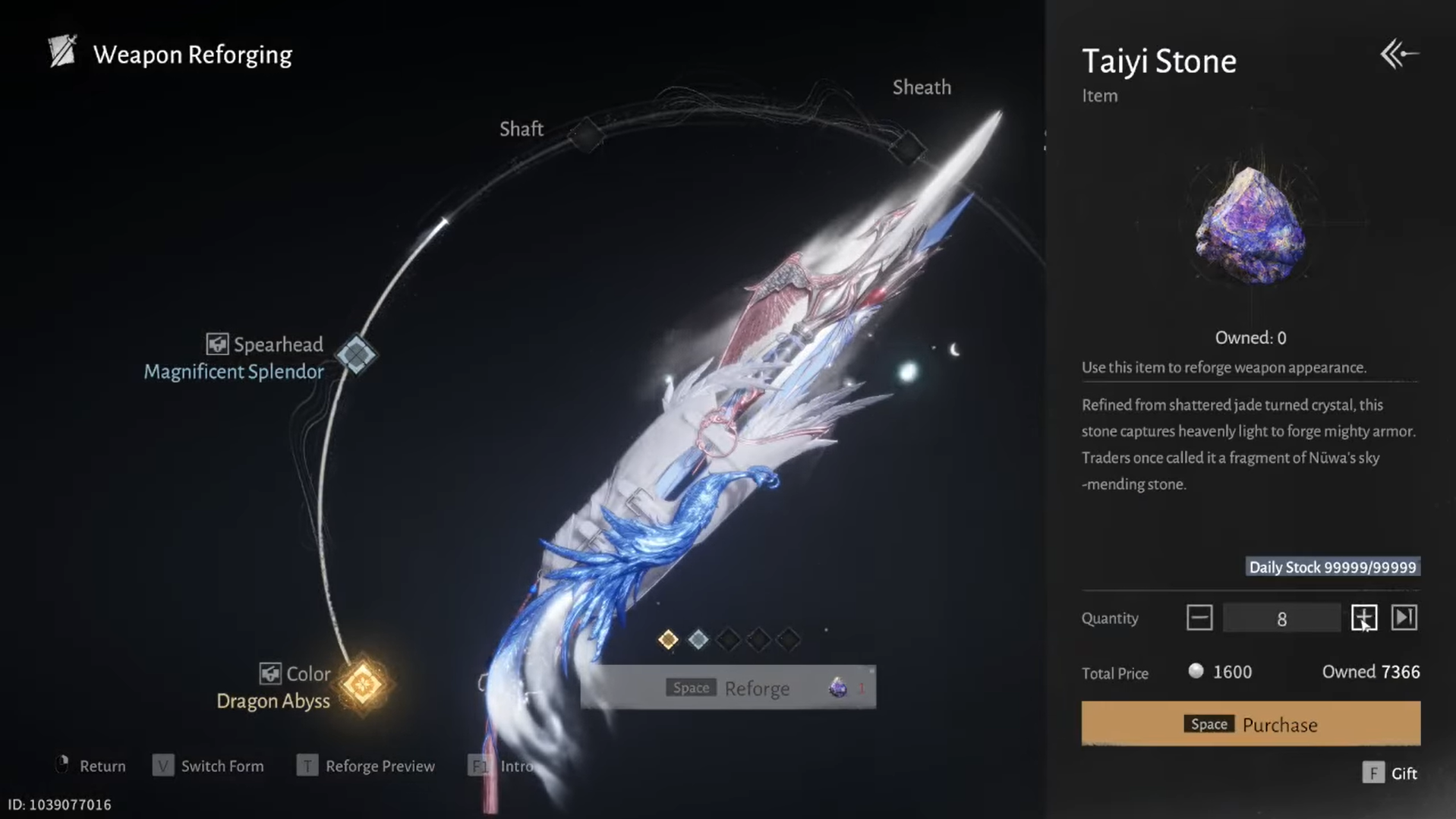
How the Taiyi Stone reforge system works (conceptually)
The reforge interface behaves like a high‑end reroll system grafted onto the cosmetic item:
- You select the weapon skin. The Phoenix spear or other gacha appearance must be unlocked and equipped in the cosmetic slot that shows the Taiyi Stone panel.
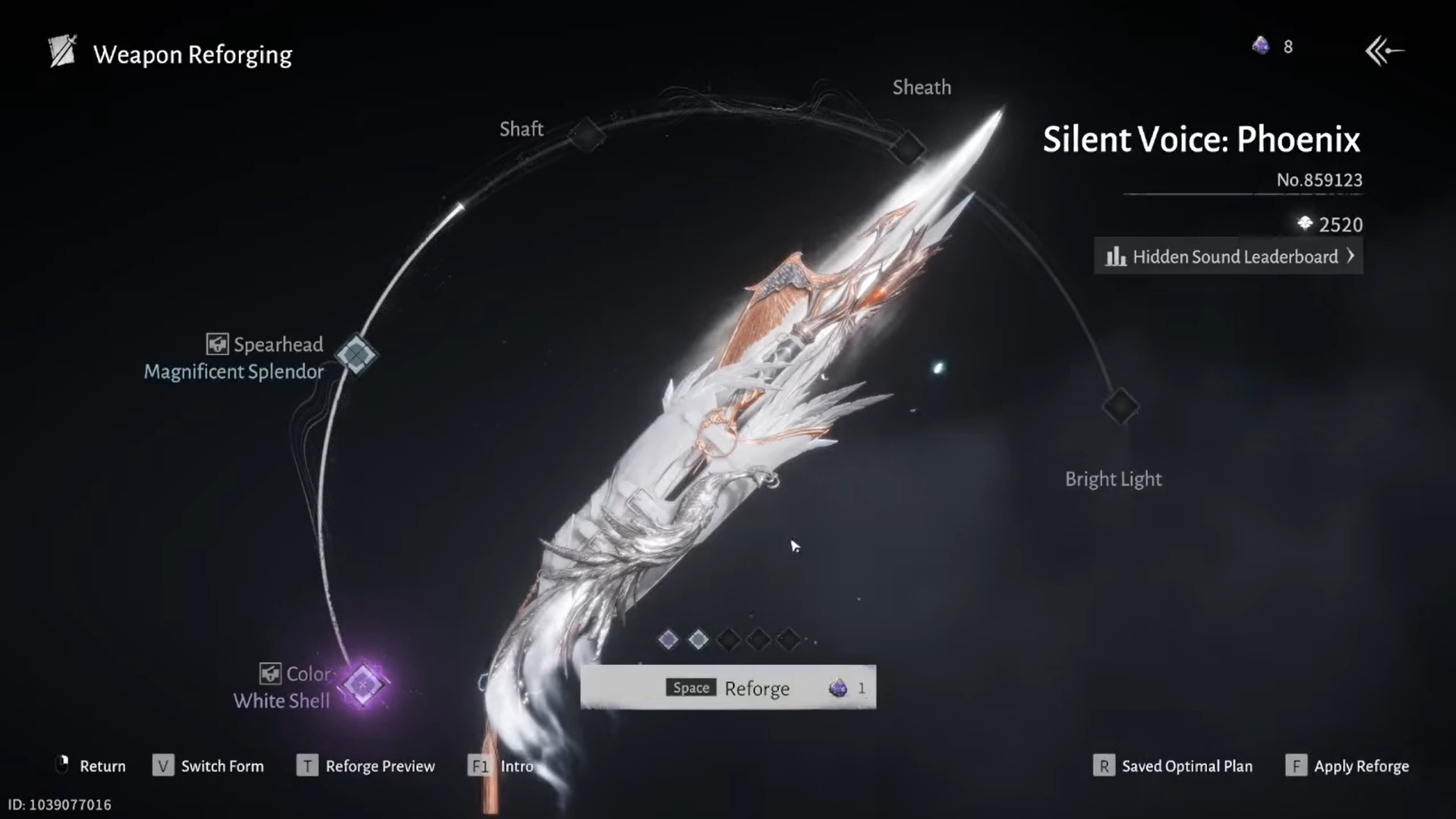
- You spend Taiyi Stones to reforge. Hitting Reforge consumes stones and rolls appearance attributes for that skin.
- Attributes have color/rarity tiers. Players chase “gold” rolls across all available appearance stats on the spear.
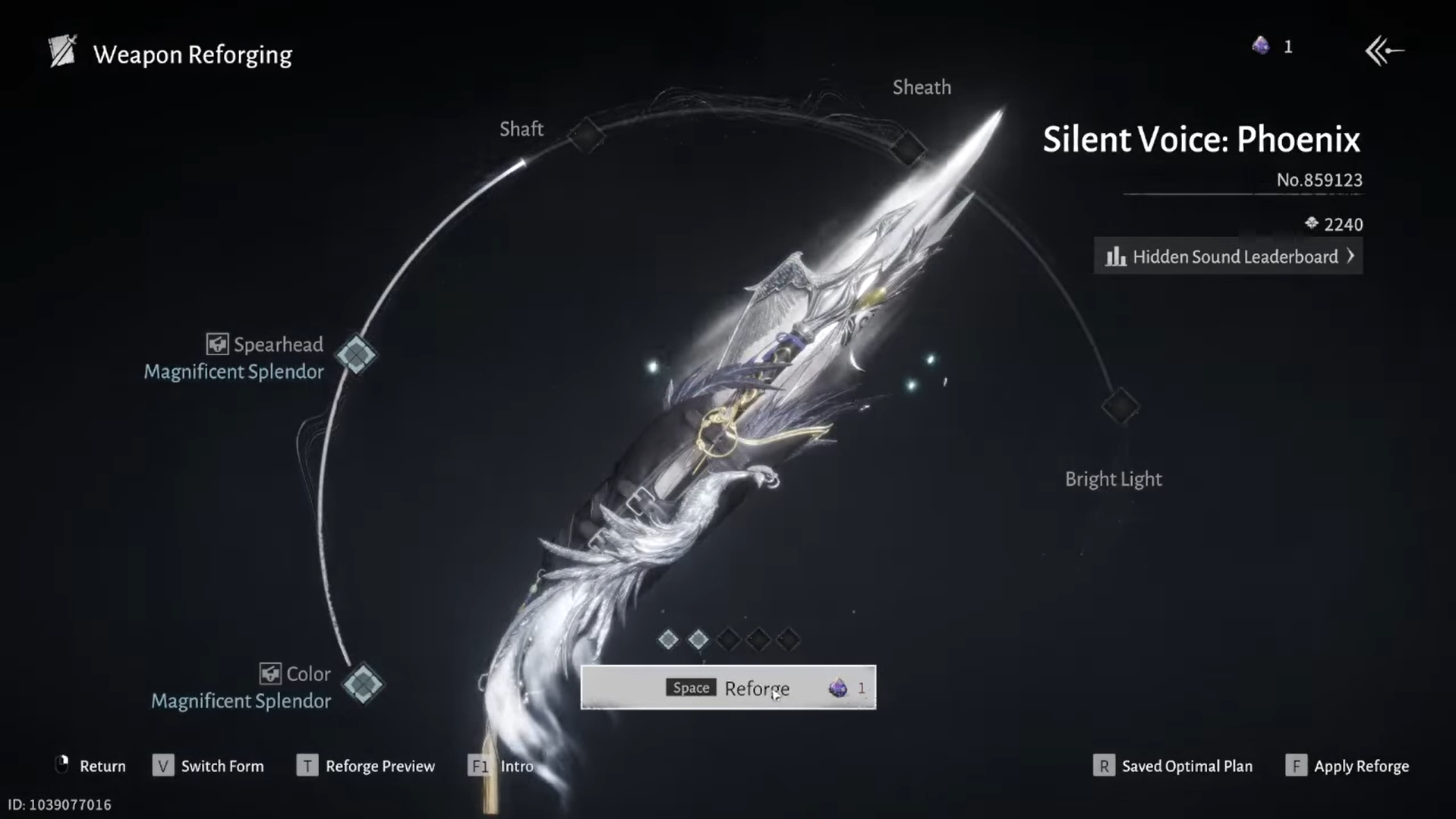
Each press of the Reforge button rolls the cosmetic stats again. Getting a full set of top‑tier gold attributes on a single skin is treated as a luxury project, not a baseline expectation.
One experienced player estimate is blunt: expect to spend several times the cost of the weapon skin itself if you seriously chase five gold attributes. That is the design: dressing the weapon to the absolute limit is meant to be an endgame vanity sink for those who care most about fashion and exclusivity.
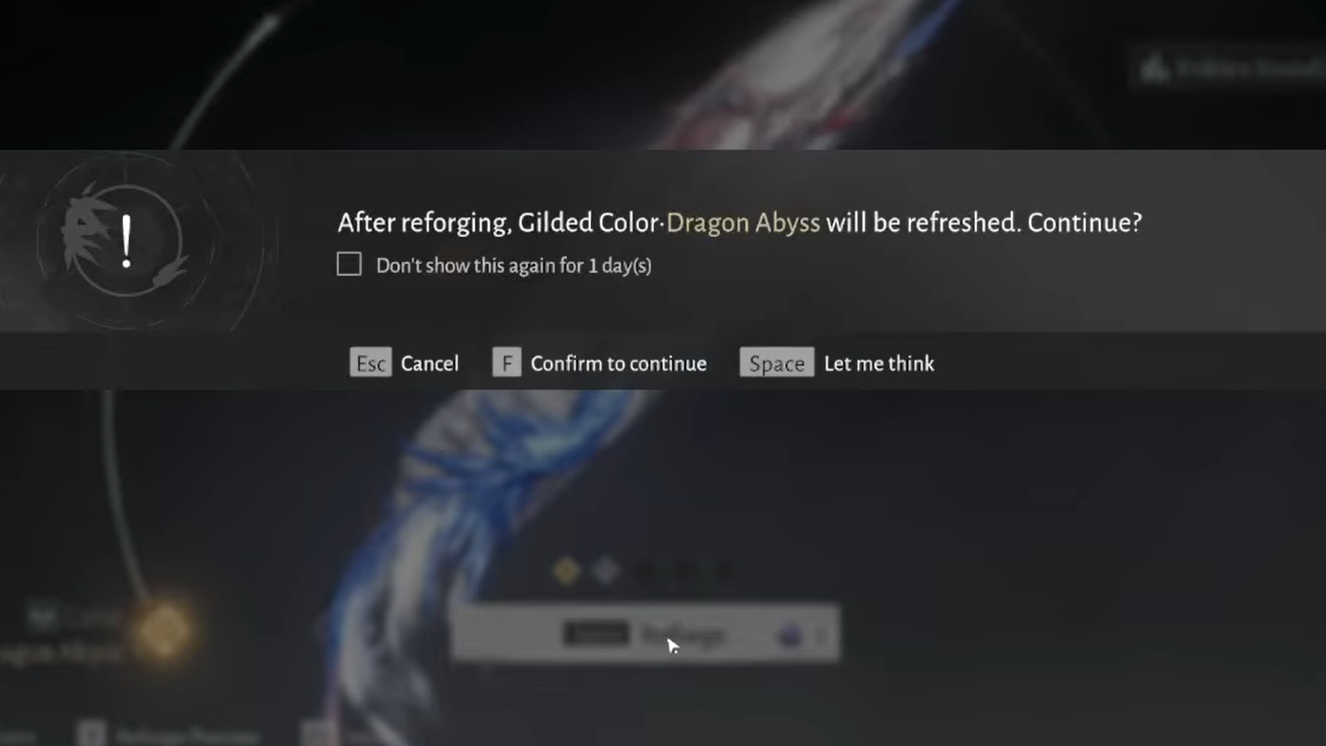
Why Reforge sometimes “does nothing”
Many players hit the Reforge button and feel like the game ignores them. There are a few common reasons.
1. The wrong item is selected. Reforge applies to the weapon skin, not the core weapon entry in your inventory. You need to be on the cosmetic/appearance entry that the Taiyi Stone UI is attached to, not a random spear.
2. You don’t have enough Taiyi Stones. If the Reforge button is clickable but the screen seems unchanged, it is usually because the system refuses the action due to missing stones or requirements. Check the Taiyi Stone count in that menu before expecting a visible roll.
3. The roll changed, but the difference is subtle. Because all results are cosmetic and often live in small UI rows, it’s easy to miss a change if you’re not watching the attributes closely. There is no big combat number that jumps up to signal success; only the colors/tiers of the appearance stats move.
How to use Taiyi Stones on a gacha spear skin
Once you have a weapon appearance that supports Taiyi reforging (for example, the Phoenix spear), using the stones follows a simple loop.
Step 1: Equip or select the relevant weapon skin in the cosmetic or appearance menu, not just the base weapon. Make sure you are looking at the screen that shows the appearance attributes and the Reforge option.
Step 2: Check your Taiyi Stone count. The reforge panel will show how many stones are needed per roll. If the displayed cost is higher than your supply, farm or purchase more stones before continuing.
Step 3: Press Reforge once and watch the appearance attribute rows. The values and/or color tiers will adjust when the roll applies successfully. If nothing moves at all, re‑confirm that the selected item is the appearance skin and that the game has accepted the input.
Step 4: Decide early how many rolls you are willing to commit. Because this is an open‑ended cosmetic gacha on top of the original gacha, it is easy to sink more currency than intended while chasing perfect gold attributes.
There is no gameplay penalty for stopping after a few reforges. A skin with mixed rarities across its appearance stats still functions exactly the same in combat as a “perfect” cosmetic roll.
Where players try to get Taiyi Stones
One of the most common follow‑up questions comes from players who have unlocked a premium spear appearance and want to customize it further without buying more stones directly.
The community discussion around this item trends in two directions:
- Direct purchase. Taiyi Stones are prominently sold in the in‑game shop. This is the clearest, most controlled way to acquire them.
- Hoping for alternative sources. Players regularly ask if there are ways to obtain stones in the world or through events so they can push their Phoenix spear cosmetics without additional spending.
No consistent, reliable non‑shop path is established for Taiyi Stones at the moment. That uncertainty is part of why many players recommend treating the cosmetic reforge system as a low priority compared with other progression tracks such as mystic arts, inner ways, and core gear upgrades, which use completely different materials like Eban iron or oscillating jade.
Appearance stats versus real stats
The language around this system is confusing by design. “Attributes” and “stats” usually imply power in RPGs, but here they are visual only.
| Type | Where it appears | What it changes | Uses Taiyi Stones? |
|---|---|---|---|
| Weapon combat stats | Core weapon entry (attack, scaling, bonuses) | Damage output, build performance | No |
| Gear enhancement stats | Develop > Gear > Enhance / Arsenal | Average level, mastery, actual power | No |
| Mystic arts / inner ways | Develop > Mystic Skills / Inner Ways | Skill strength, builds, utility | No |
| Appearance stats on skins | Weapon appearance / Taiyi Stone panel | Purely visual rarity and effects | Yes |
In short, Taiyi Stones never intersect with the systems that set your character’s strength. All of the combat work happens through other upgrade materials, online modes like joint battle or trials, and progression rewards.
How expensive “perfect” reforges can get
Players chasing all‑gold appearance attributes describe the cost in stark terms. A commonly shared rule of thumb is that obtaining a full set of gold appearance stats on a single weapon skin can run to roughly three times the original price of getting the weapon appearance in the first place.
That cost is not guaranteed; it is a rough sense of how deep the rabbit hole can go when luck is average or a little below. The point is not the exact number, but the relationship: reforging is where the system quietly invites serious spending for a reward that is 100 percent cosmetic.
From a design perspective, this mirrors high‑end costume rerolls and dye systems in other free‑to‑play games. The functional floor is “have the skin,” and the aspirational ceiling is “have the most immaculate version of that skin possible,” reserved for those willing to spend heavily for visual distinction.
When it makes sense to spend Taiyi Stones
Given that context, most practical advice falls into a few simple guidelines.
Prioritize core progression first. Mystic arts, inner way upgrades, gear enhancement, and arsenal progression all directly affect power and build flexibility. They use different currencies and materials, many of which can be accelerated through systems like the battle pass or online modes. Players looking to climb harder content or optimize damage should focus there before worrying about weapon appearance reforges.
Treat Taiyi reforging as a luxury project. Once you are happy with your build and gear, Taiyi Stones become a way to indulge in fashion: pushing a favorite spear toward a fully gold visual profile for personal satisfaction or social flex.
Set a hard budget per skin. Because the gacha is layered (first for the skin, then for its cosmetic stats), it’s easy to overspend. Decide in advance how many stones or how much currency you are comfortable burning on a single weapon’s appearance and stop when you hit that line, whether or not you’ve hit five gold attributes.
Don’t feel pressured by other players’ cosmetics. A Phoenix spear covered in gold appearance stats does not secretly hit harder than a default‑roll Phoenix spear. The difference is only in how it looks when idling in town, posing for screenshots, or showing up in group content.
Taiyi Stones sit in an odd corner of Where Winds Meet: prominent enough to attract questions, but disconnected from any real power curve. Understanding that they are a fashion‑only reforge tool helps keep expectations – and spending – in check. If the main draw is the fantasy of an exquisitely customized spear, they are a way to chase that vision. If the goal is performance, there are far better places to put your time and currency.