

ARC Raiders uses aggression-based matchmaking to group players by behavior. If you prefer cooperative PvE gameplay over constant firefights, you can influence which lobbies you join by adjusting how you play. The system tracks PvP actions—damaging other raiders or looting their bodies—and places you in lobbies with similarly aggressive or passive players.
Quick answer: Play 5–10 rounds without shooting or looting other raiders, use emotes to signal friendliness, and the matchmaking system will gradually place you in PvE-focused lobbies.
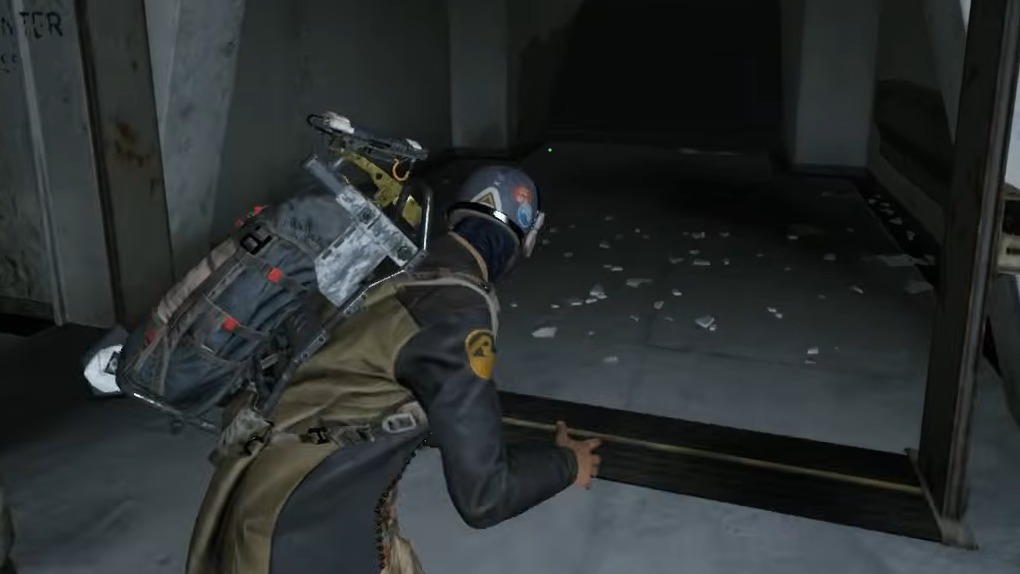
Understanding ARC Raiders Matchmaking
The game monitors your in-raid behavior to determine lobby placement. Any PvP action flags you for more aggressive matchmaking. This includes dealing damage to another raider—even in self-defense—and looting a downed raider's body. Shooting at extraction campers or defending yourself during a fight counts as PvP activity and shifts your matchmaking profile toward conflict-heavy lobbies.
Embark Studios CEO Patrick Söderlund confirmed the system exists, stating that players who prefer PvE will encounter less conflict over time. The matchmaking adjusts dynamically, so your recent behavior matters more than your overall history.
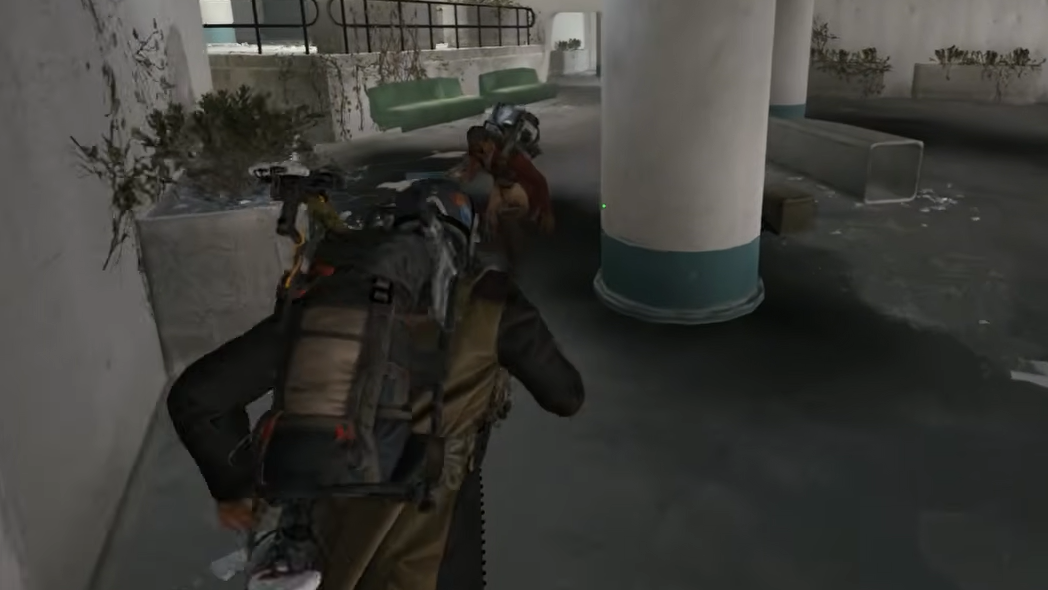
Actions That Trigger PvP Matchmaking
The system flags two specific behaviors:
Dealing damage to another raider: Any shot that hits another player registers as PvP activity. This includes warning shots, accidental hits, or defensive fire. Even if you don't down the player, the damage counts.
Looting a raider's body: Opening the inventory of a downed raider—whether you killed them or found them already dead—marks you as participating in PvP. Simply looking at a body without looting may not trigger the flag, but opening the loot screen does.
Defending yourself feels justified, but the matchmaking system treats all PvP actions equally. If you want to stay in PvE lobbies, you must avoid these actions entirely, even when provoked.
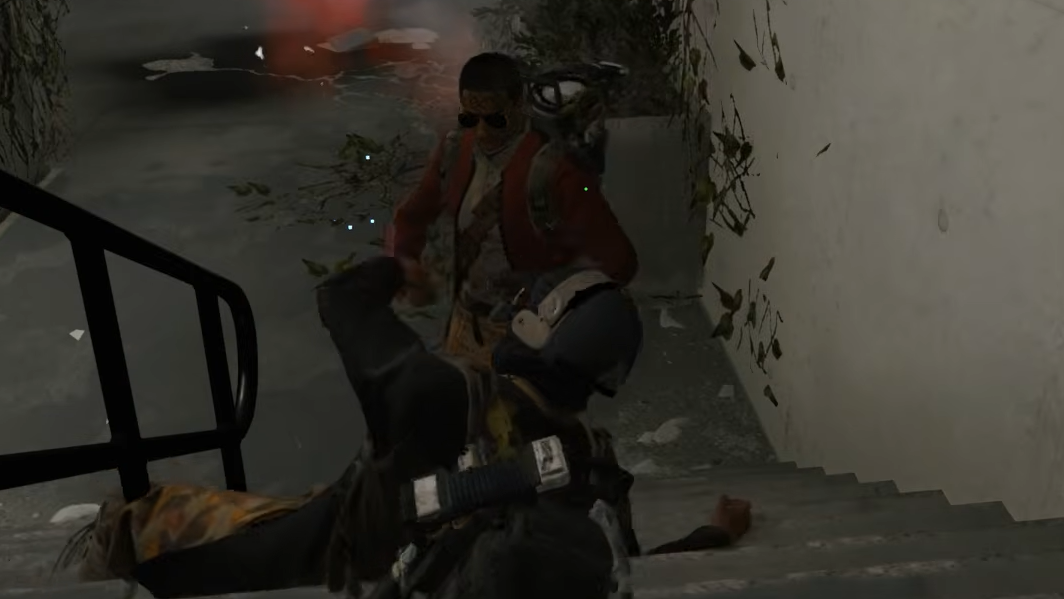
Resetting Your Matchmaking Profile
Shifting from PvP lobbies back to PvE lobbies requires consistent passive behavior over multiple rounds. The exact threshold varies, but most players report needing 5–10 clean rounds to reset their profile.
Step 1: Equip a free loadout or cheap gear (around 10,000 credits). You'll likely die during the transition period, so avoid risking valuable equipment. Use a green looting augment, basic shields, and minimal weapons—just enough to handle ARC machines.
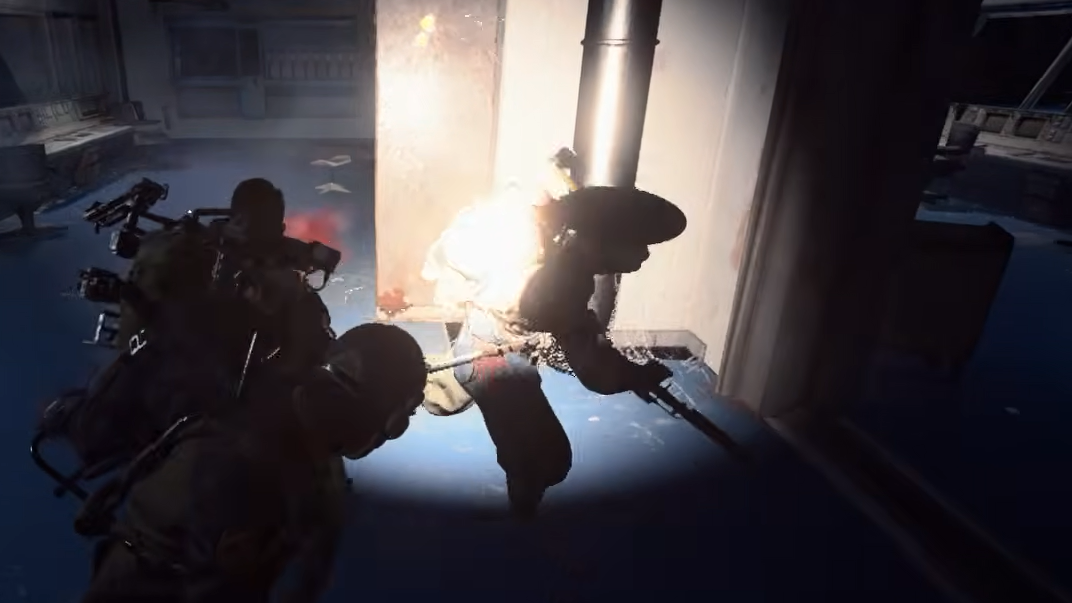
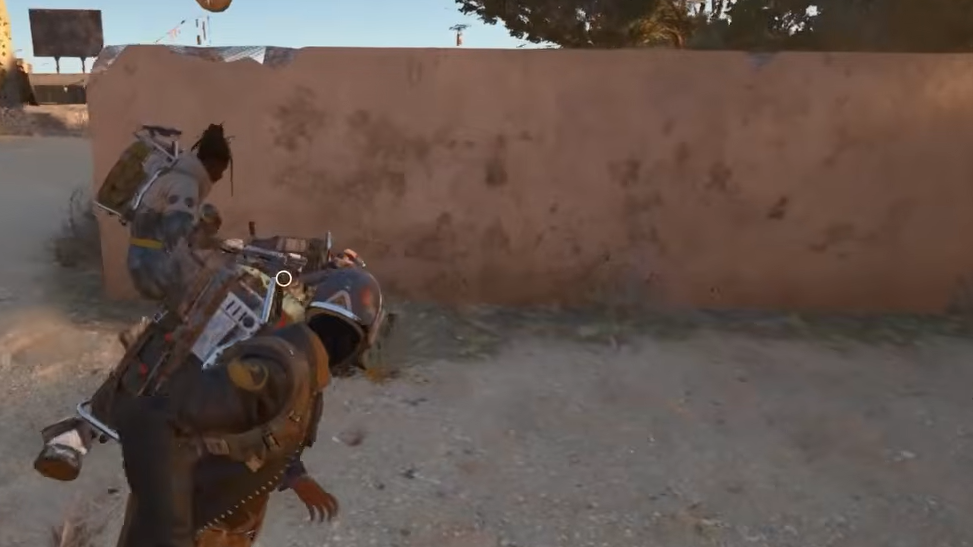
Step 2: Focus exclusively on looting and fighting ARC enemies. Ignore other raiders unless you need to communicate. If you encounter another player, use the emote wheel to signal "Hey" or "Don't Shoot." Proximity voice chat works well for quick greetings like "Hey raider" when passing by.
Step 3: If another raider shoots at you, do not return fire. Let them kill you, or attempt to escape without engaging. Dancing, using the "Don't Shoot" emote, or simply running away all work. The key is avoiding damage output.
Step 4: After each round, submit feedback through the in-game system. Select "hated it" and choose PvP as the reason. Some players report that this accelerates the matchmaking shift, though it's not confirmed by the developer.
Step 5: Repeat for 5–10 rounds. You'll notice the shift when lobbies become noticeably quieter—players looting the same rooms without conflict, fewer gunshots in the distance, and successful extractions alongside other raiders.
Maintaining PvE Lobby Status
Once you're in PvE lobbies, maintaining that status requires ongoing passive behavior. A single PvP encounter can push you back toward mixed or aggressive lobbies.
Announce your presence: When entering buildings or approaching other raiders, use emotes or voice chat immediately. Sneaking makes other players paranoid and increases the chance they'll shoot first. A quick "Hey" or "Friendly" reduces tension.
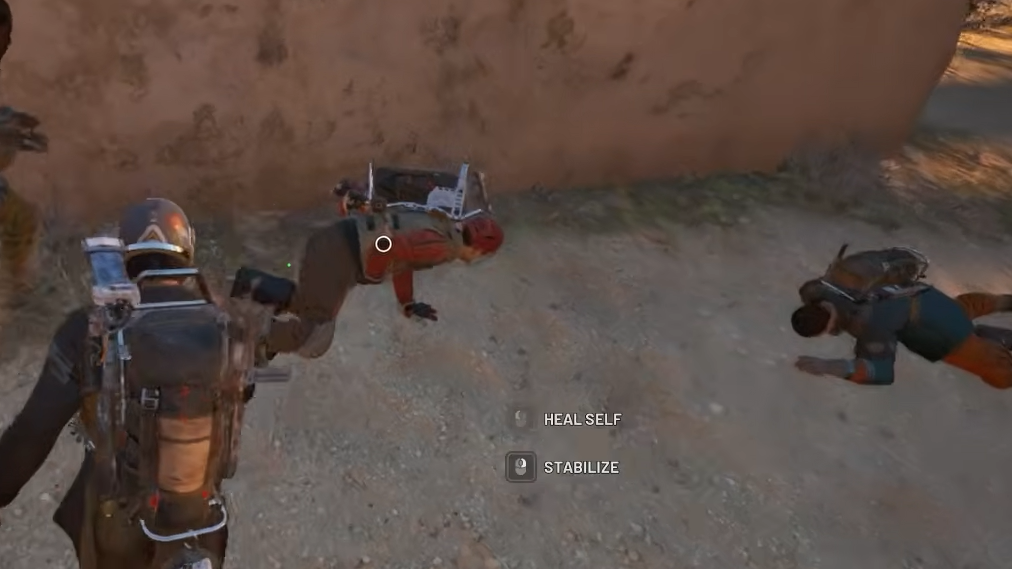
Carry defibrillators: Reviving downed raiders reinforces your passive profile. If you find a player knocked out by ARC machines, revive them. This cooperative action signals to the matchmaking system that you prefer teamwork over conflict.
Drop items for other players: Leaving loot near other raiders and allowing them to pick it up (ideally followed by a "Thank You" emote) may help maintain your PvE status. This behavior demonstrates generosity rather than competition.
Play instruments around other players: The Cold Snap update added musical instruments (Acoustic Guitar, Recorder, Shaker) that trigger a Vibing status effect. Playing these near other raiders creates a positive interaction that may influence matchmaking, though this is less confirmed than other methods.
What PvE Lobbies Look Like
In PvE-focused lobbies, players often ignore each other while looting the same areas. You'll see raiders running past without stopping, emoting instead of shooting, and extracting together at the same subway station. Firefights still happen—usually when someone accidentally triggers PvP or when a player from a higher aggression tier joins the lobby—but they're rare.
Extraction camping drops significantly. Most players in these lobbies prioritize loot over kills, so subway stations become cooperative zones rather than ambush points. You can often go 10–20 rounds with the same loadout, with gear degradation from ARC fights becoming the main concern rather than losing equipment to other raiders.
Loot competition increases in late-spawn situations. If you join a round that's been running for a while, high-value areas may already be cleared. Early spawns give you better access to resources before other passive players arrive.
Limitations and Edge Cases
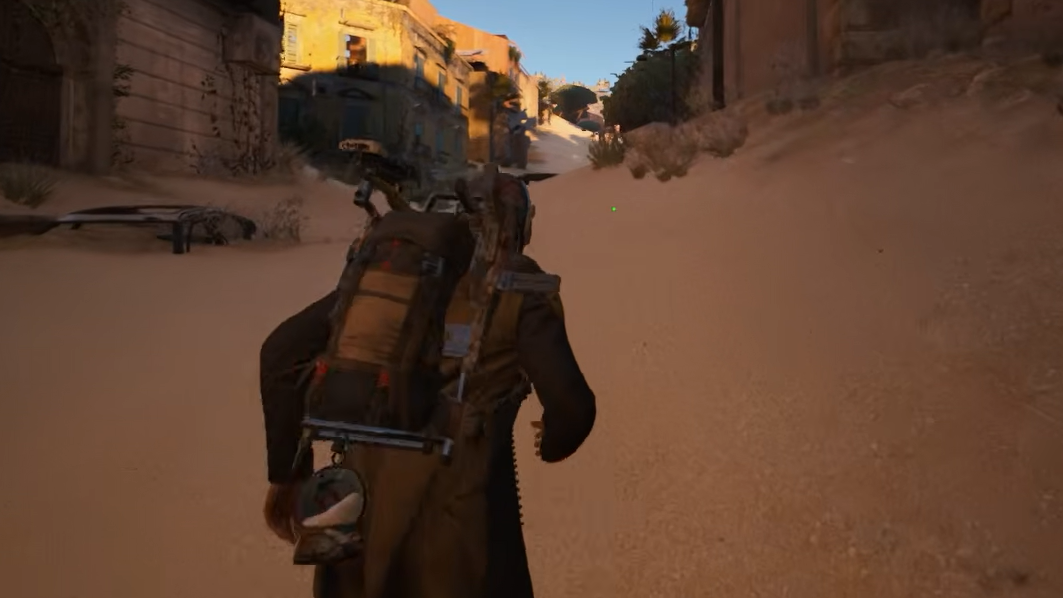
PvE lobbies don't guarantee zero PvP. Other players in your lobby may be transitioning between matchmaking tiers, or they may intentionally lower their aggression score to access easier targets. Some players exploit the system by resetting their profile, entering PvE lobbies, and then attacking unsuspecting raiders.
The matchmaking system doesn't distinguish between aggressor and defender. If you shoot back in self-defense, you'll be flagged for PvP activity just like the player who attacked you first. This creates a frustrating dynamic where defending yourself punishes you, but it's the trade-off for accessing PvE lobbies.
Server and platform settings may affect matchmaking. Some players report that switching servers (for example, from EU to NA) or toggling crossplay resets their matchmaking profile, though this isn't officially confirmed. Playing during off-peak hours (late night or early morning) may also increase PvP encounters due to smaller player pools.
Solo, duo, and trio matchmaking may use separate profiles. If you play aggressive trios with friends and then switch to solo, your solo lobbies may become more hostile. The exact relationship between party size and matchmaking isn't documented, but anecdotal evidence suggests they're tracked separately.
Verifying Your Lobby Type
You'll know you're in a PvE lobby when you complete multiple rounds without seeing or hearing PvP. Look for these signs:
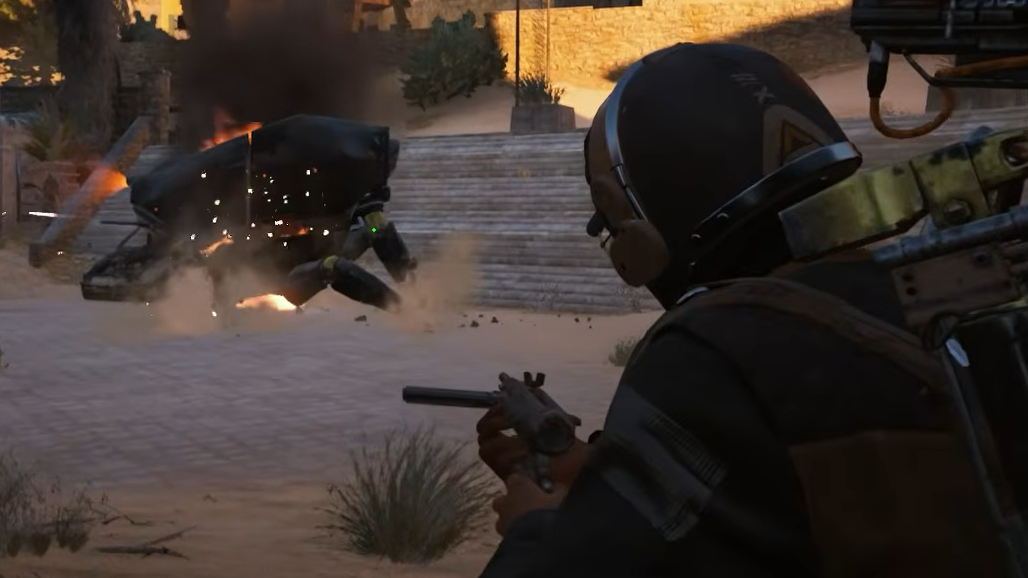
No gunfire in the distance: ARC weapon sounds are distinct from raider weapons. If you only hear ARC machines fighting, other players are avoiding conflict.
Emote responses: When you emote at other raiders and they emote back instead of shooting, you're in a cooperative lobby.
Shared extraction: Multiple raiders calling the same subway elevator and extracting together without incident confirms a PvE environment.
Consistent survival: If you're completing 10+ rounds with the same gear and only losing equipment to ARC damage or repair costs, you've successfully shifted into PvE matchmaking.
Alternative Method: Suicide Runs
Some players reset their matchmaking profile by running 6–12 suicide rounds with free loadouts. This involves spawning in, immediately engaging ARC machines recklessly, and dying without any raider interaction. The theory is that repeated deaths without PvP activity signal passive intent to the matchmaking system.
This method is faster than playing full rounds passively, but it's less reliable. The game may interpret repeated quick deaths as disconnects or griefing rather than genuine PvE intent. If you try this approach, vary your survival time slightly and avoid instant suicides at spawn.
Accessing PvE lobbies in ARC Raiders requires patience and discipline. The matchmaking system responds to behavior over time, not single-round actions. Once you've shifted into PvE lobbies, maintaining that status means accepting that you can't defend yourself without consequences. For players who prefer cooperative looting and ARC combat over raider firefights, the trade-off is worth it—PvE lobbies allow consistent progression, longer gear lifespan, and a fundamentally different gameplay experience.