

Marathon ties a large part of its progression to factions. You work for one of six groups, take contracts during runs, earn reputation by completing them and by extracting with an active contract, and turn that reputation into faction rank. That rank opens more gear, upgrades, loadouts, and storage options tied to the faction system.
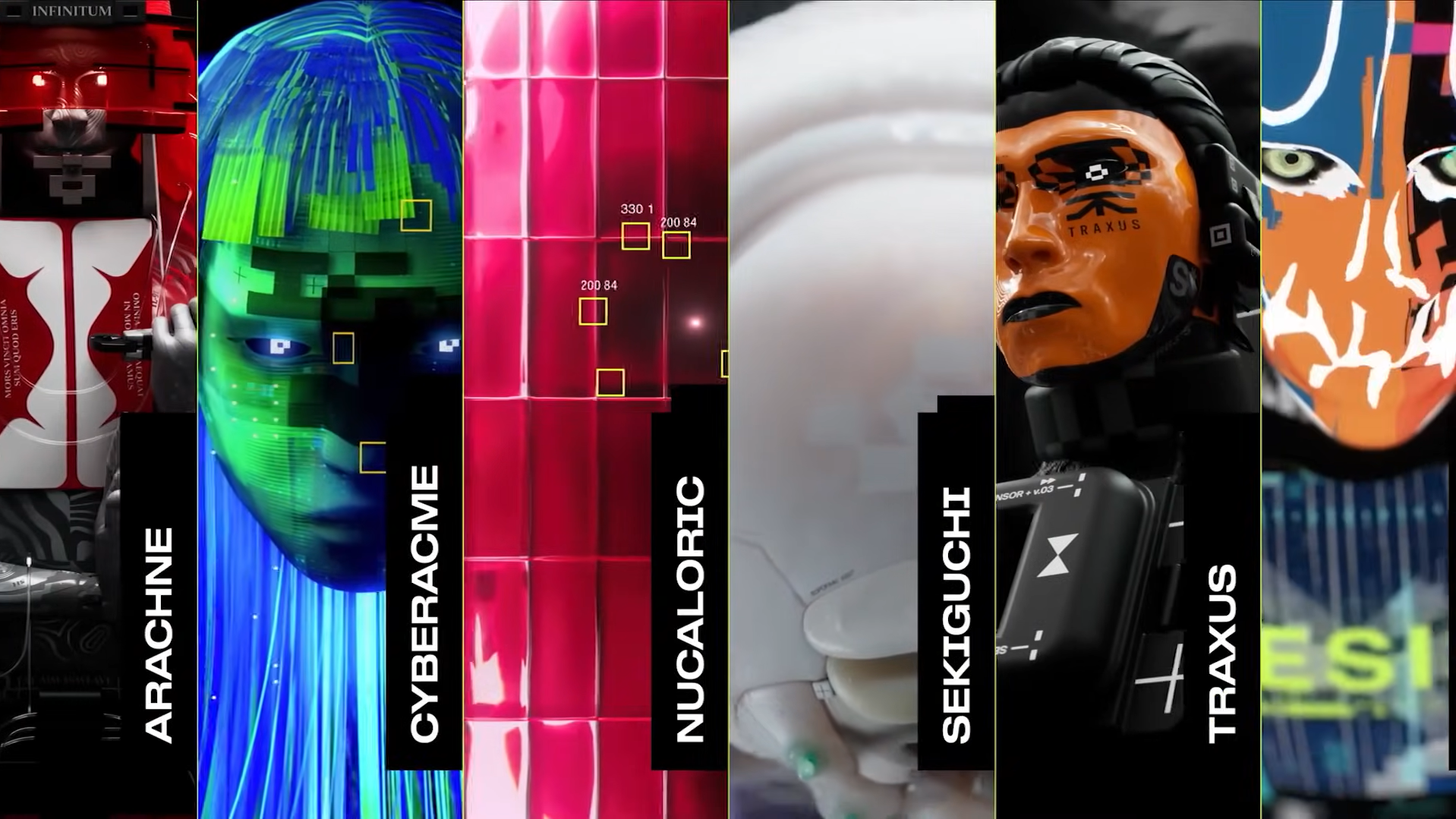
Marathon factions and contracts
At launch, Marathon has six playable factions you can align with. Each faction offers contracts built around that group’s priorities, whether that means gathering data, salvaging valuables, fighting other Runners, or sabotaging UESC assets.
Contracts fall into three categories. Standard contracts are the basic repeatable jobs. Boosted contracts ask for more specific actions and pay out better rewards. Priority contracts are the important ones. They are one-time missions tied to faction progression and carry more of the game’s narrative weight.
Reputation is not only tied to checking off objectives. Extracting with an active contract also contributes to your reputation gain, which makes clean exfils part of the progression system rather than just a survival check.

Faction rank rewards
Raising faction rank unlocks access to stronger seasonal upgrades, starting loadouts, increased vault space, black-market gear, and other faction-related options. Unlocking access is only part of the process, though. You still need to spend your own resources to acquire what the rank makes available.
The upgrade structure is seasonal, which means faction progress is designed around recurring resets rather than a single permanent ladder. The exact reset flow is not fully spelled out, but the practical takeaway is simple: faction rank matters for the current season’s power and inventory options.
All Marathon factions
| Faction | Focus | Agent | What it generally asks you to do |
|---|---|---|---|
| CyberAcme | Digital systems, AI, general utility | Noted through ONI support; starter-facing faction | Balanced objectives that fit early progression and general-purpose play |
| NuCaloric | Food production, colony survival, historical recovery | Gaius | Collect biological materials, gather historical data, interact with environmental systems |
| Traxus | Industrial power, salvage, asset recovery | Vulcan | Loot valuables, recover salvage, deliver weapons or mods, recoup corporate losses |
| MIDA | Anti-UESC sabotage and destabilization | Gantry | Hack, plant malware, disrupt UESC systems, attack symbols of control |
| Arachne | Violence, combat pressure, PvP | Charter | Fight other Runners and lean into direct player conflict |
| Sekiguchi | Biomata Shell technology | Nona | Test Shell-related systems, extract implants and Cores, engage with precision-focused tasks |
CyberAcme
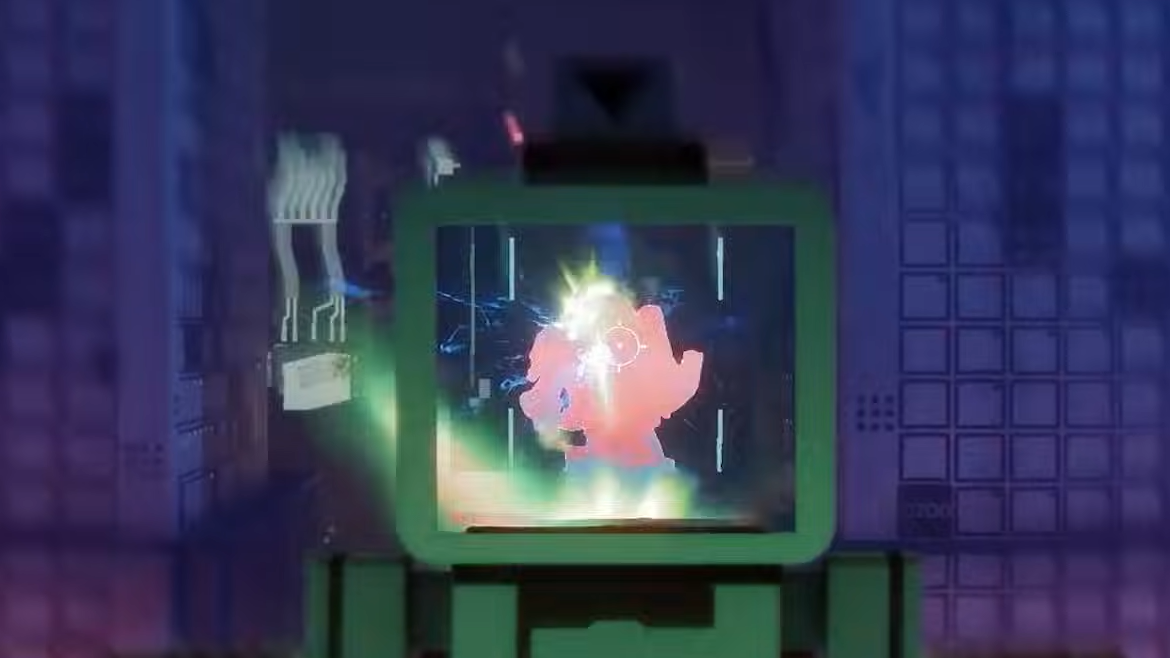
CyberAcme, often shortened to CyAc, sits closest to the center of Marathon’s technology stack. Its specialty is digital tech and AI functionality, and its most visible footprint is the ONI system installed in Runner Shells. That makes it the most natural all-rounder faction and the easiest entry point for players who want a balanced progression path rather than a narrow specialty.
Its known priority contracts reflect that broad utility. Tasks include using a prime ability, defeating hostiles, delivering Salvage to DCON, and interacting with systems tied to Sekiguchi research. CyberAcme feels built to introduce the wider contract loop rather than force a single extreme playstyle.
NuCaloric
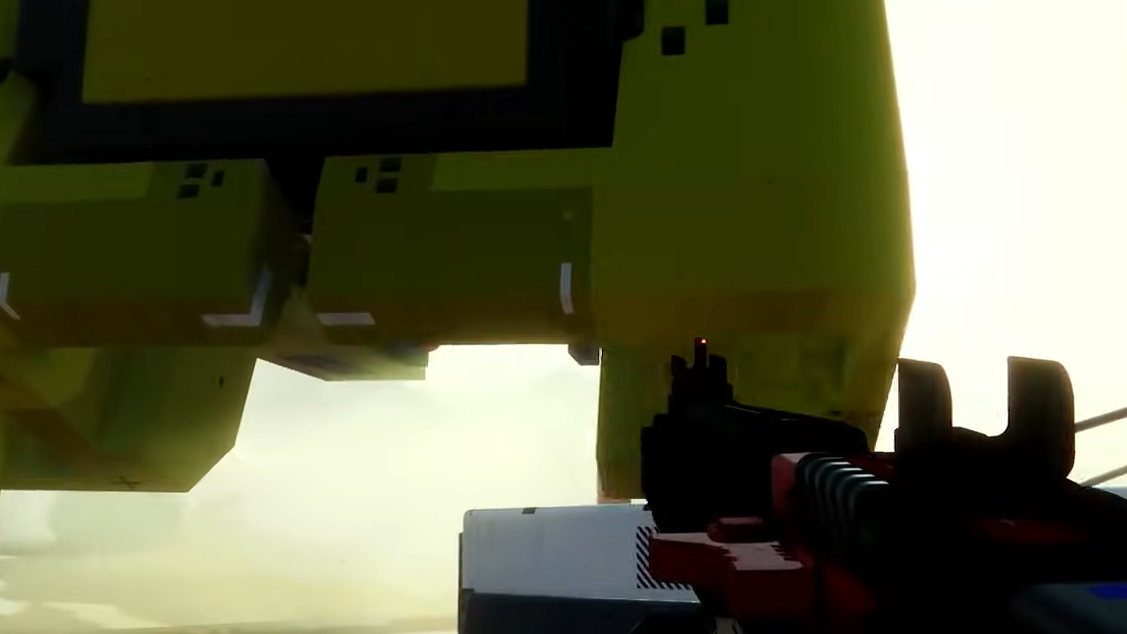
NuCaloric Agricultural is tied to food production and the practical question of human survival. In Marathon’s setting, it had a major stake in the Tau Ceti colony, so its contract line leans toward recovering lost knowledge and understanding how the colony fell apart.
Its jobs are strongly themed around biological collection and field recovery. Known examples include hacking data repositories, downloading an AI maintenance protocol, delivering Unstable Biomass to DCON, destroying Tick Nests, and extracting Chitin Samples. One listed priority contract, Data Reconstruction [3/3], rewards Protector V1, Faction Intel, a Random Enhanced Material, Self-Revive, Patch Kit, Shield Charge, and additional rewards, along with 450 faction reputation.

Traxus
Traxus OffWorld Industries is the hard-edged corporate scavenger in the group. It is framed as an enormous power that expects returns on its investments, and its contract design follows that logic exactly. If something valuable can be looted, extracted, or repurposed, Traxus wants it.
Its known priority contracts include recovering enhanced Salvage in Dire Marsh and successfully extracting, along with looting containers and feeding weapons or weapon mods into DCON. One named reward set for Cutthroat Competition [1/1] includes the V22 Volt Thrower, a Volt Battery, a Random Material, 1,500 Credits, and 150 faction reputation.

MIDA
MIDA carries over its anti-establishment identity as a faction that wants the UESC and its surrounding power structure broken apart. That puts its contract line on the sabotage end of the spectrum.
The clearest example is Truth/Lies [1/6]. The objective chain sends you to Outpost to acquire a Transponder in Flight Control, hack it at a terminal, and upload malware to UESC dropships outside the area. It grants 810 faction reputation, which is one of the larger listed reputation values among the named contracts.

Arachne
Arachne is the faction most openly built around killing other players. It is described as a death cult that treats violence as both a philosophy and a method, and that identity carries straight into its in-game role.
If you want a faction whose contract flow naturally overlaps with PvP pressure, Arachne is the obvious pick. Its agent, Charter, pushes you toward direct confrontation with other Runners, making it the clearest faction specialization in the roster, even if its currently listed contract details remain sparse.
Sekiguchi
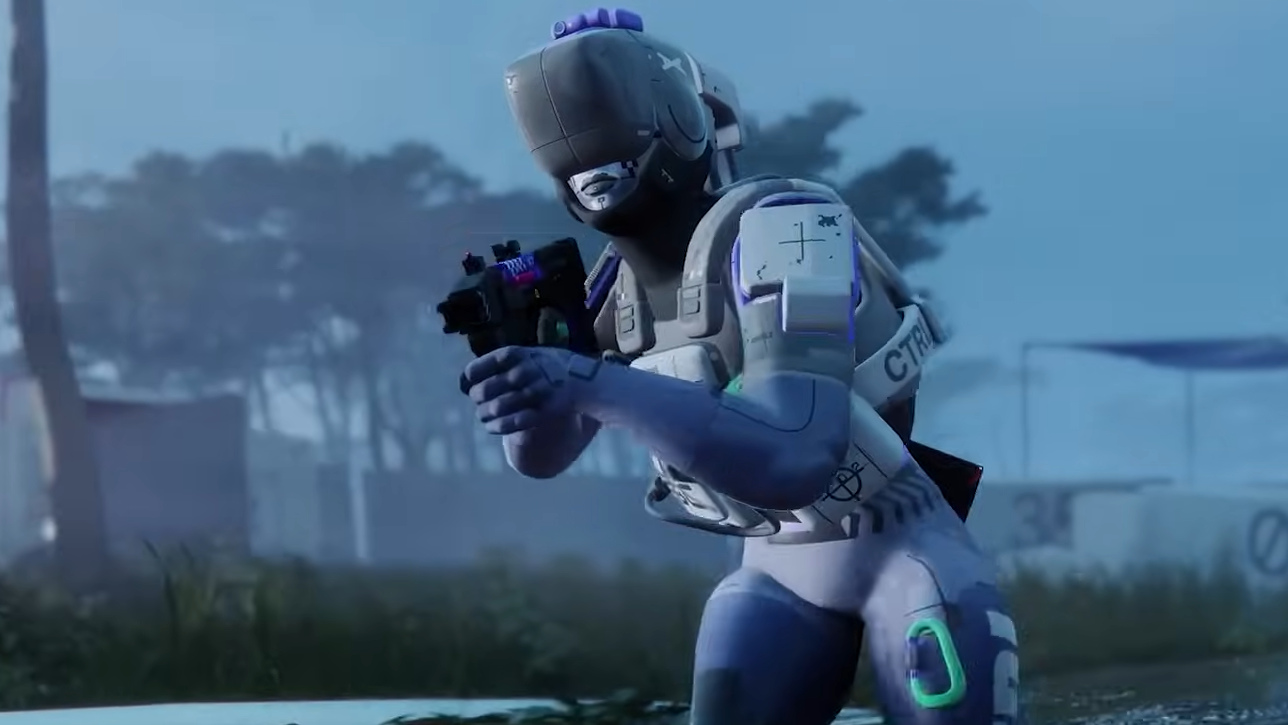
Sekiguchi Genetics is tied to the biomata Shells used by Runners. Its technical identity is rooted in WEAVEworms and synthetic bodies, which makes it the faction most closely linked to Shell construction and related research.
Its known priority contracts show that focus clearly. Introducing: Sekiguchi sends you to Outpost to inject a Necrotic Sample in southern Flight Control and then scan your shell in southeastern Orientation, awarding 60 faction reputation. Friction II asks for precision damage kills and the extraction of Implants and Cores, awarding 180 reputation.
One practical note matters here. A previously described server slam setup excludes Sekiguchi, leaving only five available factions in that test environment even though the full launch roster contains six.
How contracts behave in practice
| Contract type | Repeatable | Main purpose | Progress impact |
|---|---|---|---|
| Standard | Yes | Routine faction tasks | Steady reputation gain |
| Boosted | Yes | Harder or more specific objectives | Better rewards than standard contracts |
| Priority | No | Key faction missions and story progression | Required for faction rank progression |
The important distinction is that priority contracts are not simply “better bounties.” They gate faction rank progression. If you are trying to push a faction higher, repeating standard jobs is useful, but it is not enough by itself.
What faction choice changes
Faction choice changes the type of objectives you will see most often and the kind of rewards you unlock access to over time. It also changes the flavor of your progression. CyberAcme is broad and accessible, Traxus values salvage and gear recovery, NuCaloric leans into data and biological collection, MIDA favors sabotage, Arachne rewards aggression, and Sekiguchi centers on Shell-related experimentation and valuable tech extraction.
That does not mean factions replace the rest of the match loop. You are still looting, fighting, extracting, and managing resources. The faction system sits on top of that loop and gives those actions a direction.
UESC and the non-playable threat layer
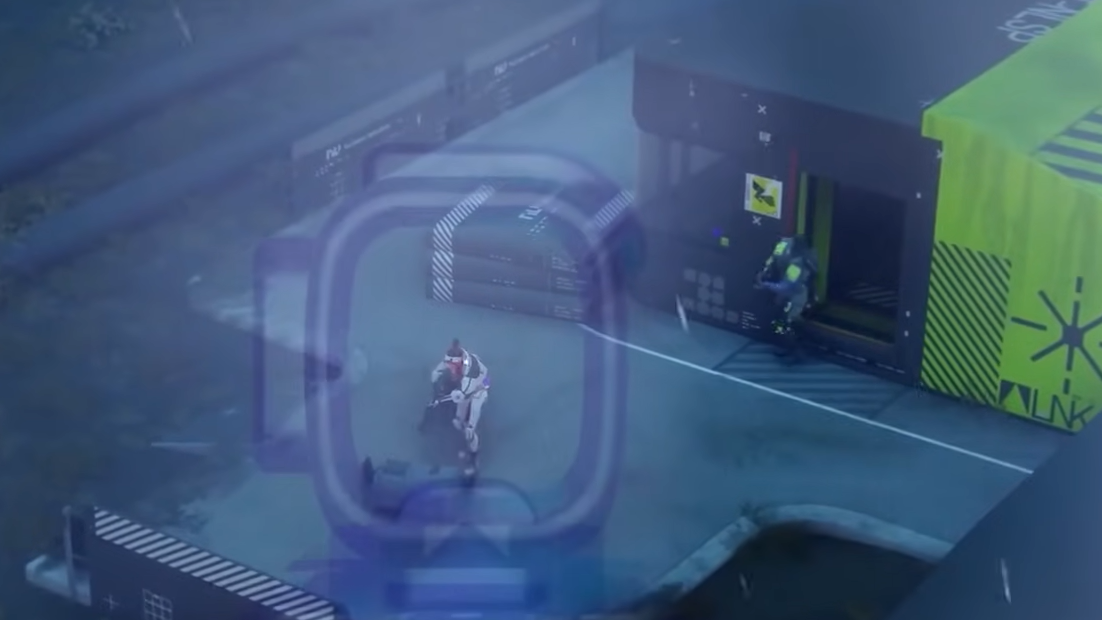
The UESC sits outside the six contract factions. It is the main hostile force you fight, using humanoid combat drones to patrol Tau Ceti IV and kill intruders. You can battle UESC units constantly, but you cannot represent the UESC or take contracts from it.
Another threat line is also hanging over the game world. S'pht compilers, the cyborg aliens able to interface with human digital technology, have been teased as part of Marathon’s wider conflict. They are separate from the faction progression system, but they matter to the broader shape of the setting.
If you only need the shortest version, remember the hierarchy. Pick a faction that matches the way you want to play, run contracts for that faction, complete priority contracts when they appear, extract with active objectives whenever possible, and use the resulting rank gains to open more seasonal upgrades, loadouts, vault space, and faction gear.