

Mario Tennis Fever is the ninth installment in the Mario Tennis series, developed by Camelot Software Planning and published by Nintendo exclusively for the Nintendo Switch 2. Released on February 12, 2026, it arrives as part of the Super Mario Bros. 40th Anniversary celebration and introduces a headline mechanic — Fever Rackets — that fundamentally reshapes how matches play out. The game is priced at $69.99 USD ($99.99 CAD) and carries an ESRB rating of E for Everyone with Mild Fantasy Violence.
Quick answer: Mario Tennis Fever is a strong multiplayer arcade tennis game built around 30 unique Fever Rackets and 38 playable characters, but its Adventure mode clocks in at roughly three to four hours and functions more as a tutorial than a full single-player campaign.
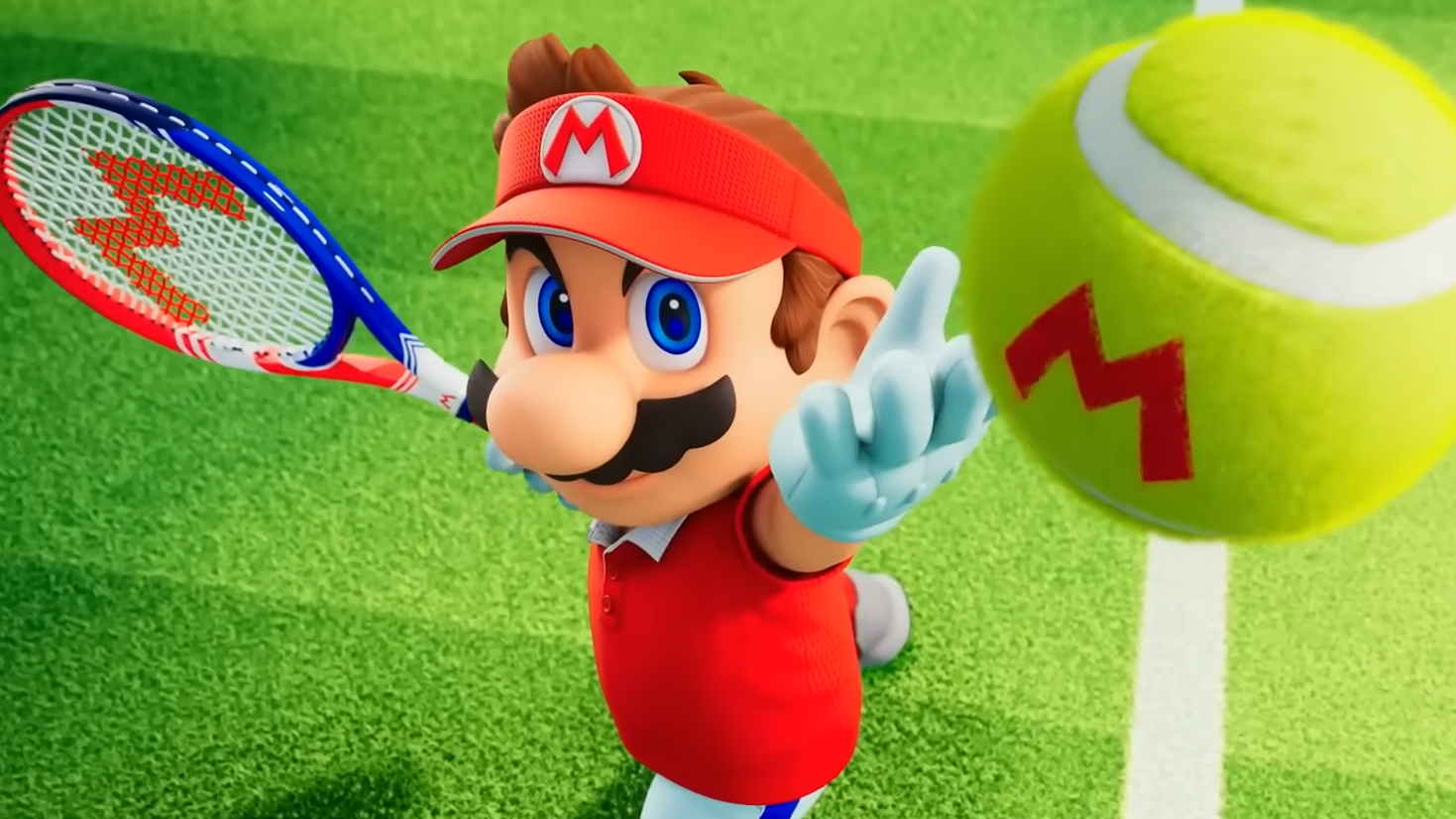
Fever Rackets and the Fever Gauge system
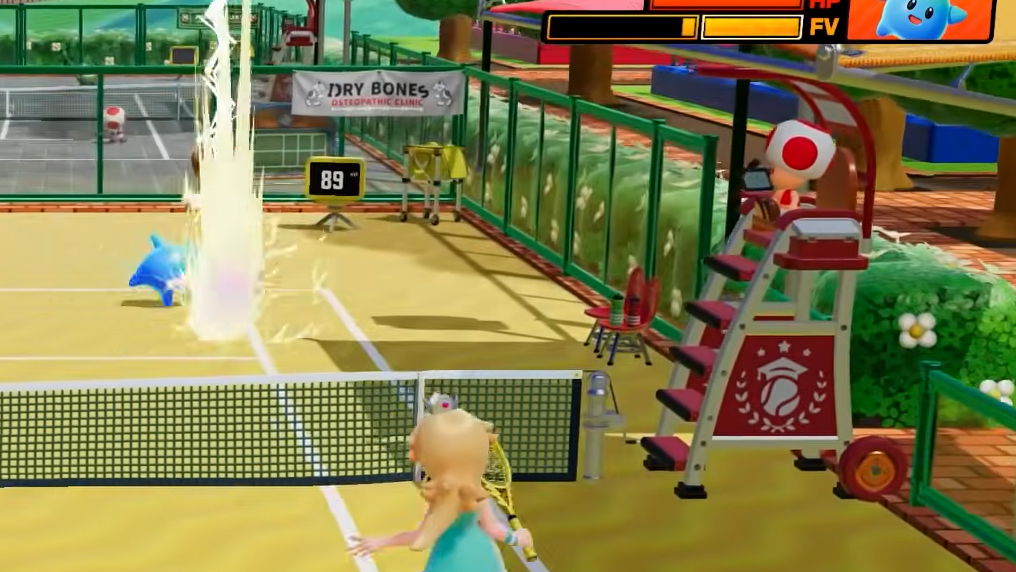
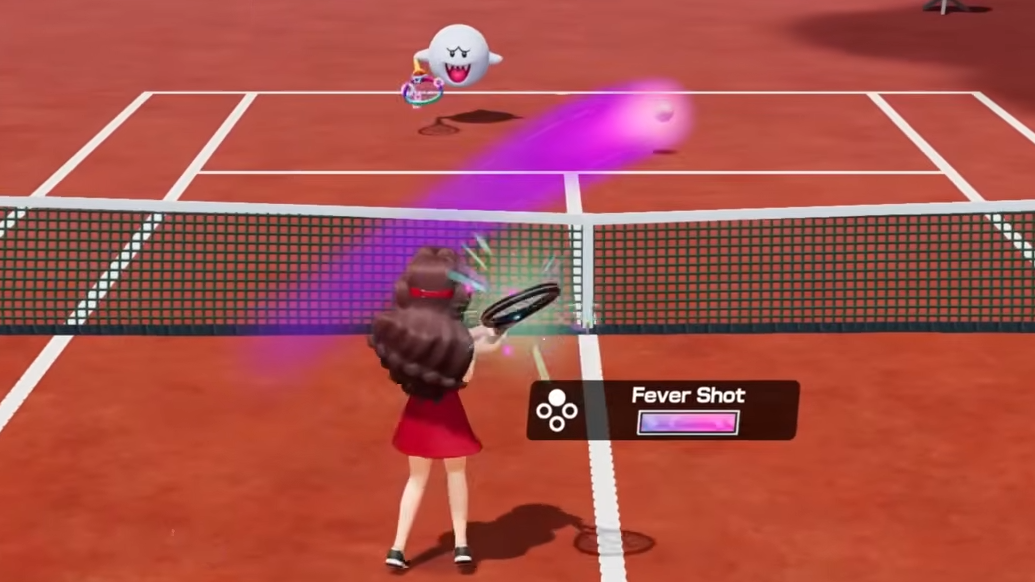
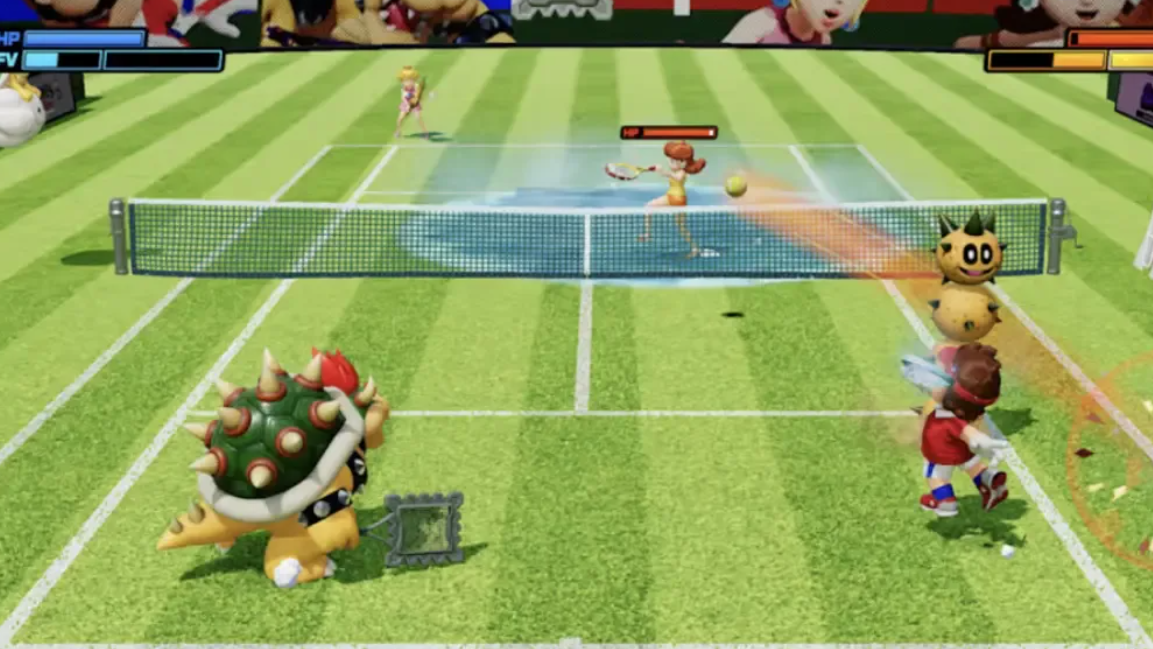
The central new mechanic revolves around Fever Rackets, a set of 30 equippable rackets that each grant a distinct special ability. During a match, rallying builds up a Fever Gauge. Once it's full, you can unleash a Fever Shot that triggers your racket's effect when the ball hits the ground on your opponent's side. The Flame Racket scatters fire where the ball bounces, the Ice Racket creates a slippery sheet of ice, the Lightning Racket stuns opponents with a bolt, the Ty-Foo Racket spawns a twister, and the Mud Racket leaves puddles that slow ball bounce and damage players.
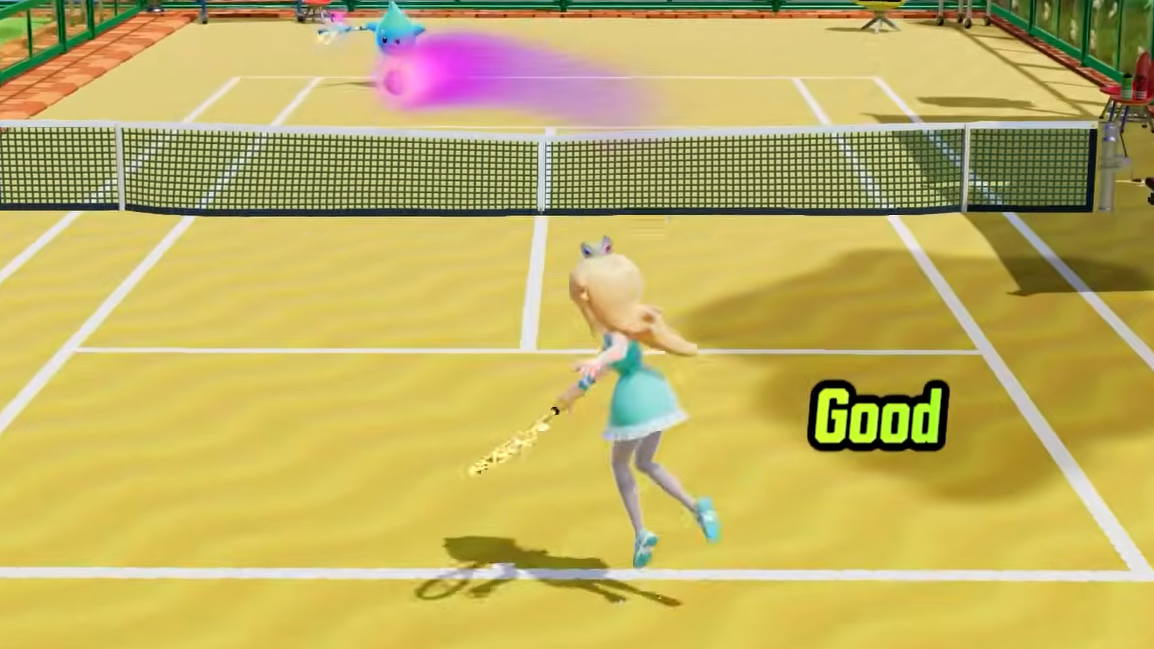
Crucially, Fever Shots can be countered. If the receiving player returns the ball before it bounces, the effect window expires harmlessly, or the shot can be reversed back to the attacker's side of the court. This creates a tense push-and-pull dynamic during rallies that rewards quick reflexes and court positioning. In certain modes, you can bring two Fever Rackets into a match and swap between them between serves, opening up layered strategic combinations. Players who prefer a cleaner experience can disable Fever Rackets entirely and play "Classic Tennis."
If a player takes too much cumulative damage from Fever effects, their health depletes, and they're temporarily KO'd — removed from the match briefly to heal. This fighting-game-inspired wrinkle adds another dimension to doubles matches, especially.
Roster, character types, and courts
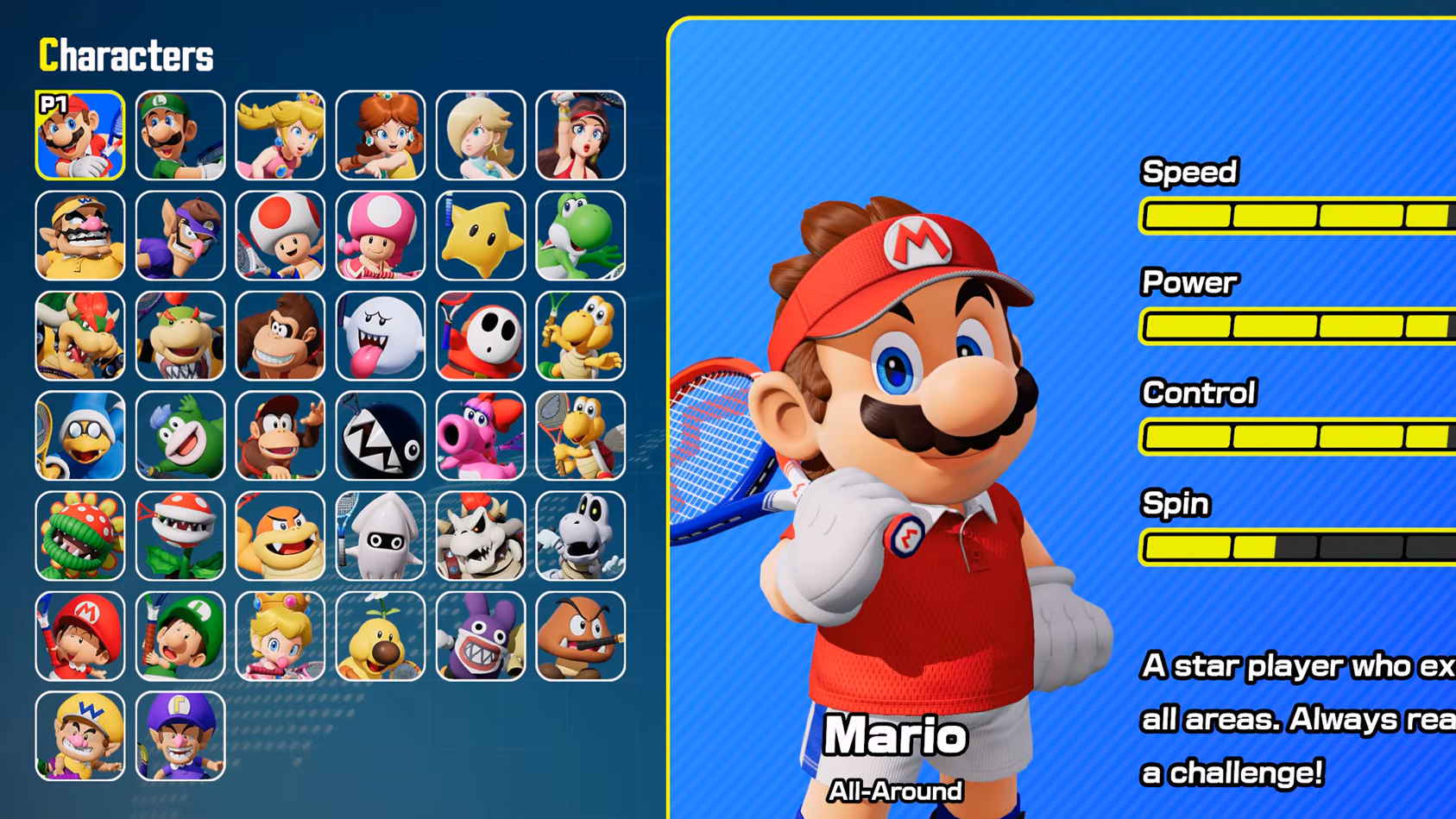
Mario Tennis Fever features 38 playable characters, the largest roster in series history. Six characters make their Mario Tennis debut: Nabbit, Goomba, Piranha Plant, Baby Luigi, Baby Wario, and Baby Waluigi — with Baby Waluigi appearing in a game for the very first time. Each character falls into one of six play types that influence their base stats: All-Around, Defensive, Powerful, Speedy, Technical, and Tricky.
The game includes 14 courts spanning realistic stadiums and fantastical Mushroom Kingdom locations like Bowser's airship, a forest court with Piranha Plants, and Waluigi's Pinball Arcade. Environmental gimmicks on these courts can be toggled off for those who want a straightforward playing surface.
Game modes overview
Tournament puts you through an eight-player bracket in singles or doubles, with play-by-play commentary from the Talking Flower introduced in Super Mario Bros. Wonder. The Talking Flower is enabled by default across most modes, but can be disabled everywhere except Tournament and Adventure.
Trial Towers presents a series of challenge floors where characters, rackets, and rules shift between rounds. Completing one tower unlocks the next. Initial towers contain 10 rounds each, but finishing them all unlocks over 100 additional trials — a substantial chunk of solo content that tests your understanding of different Fever Racket effects under unusual conditions.
Mix It Up collects unconventional game types with special rules. Ring Shot returns, asking players to hit the ball through rings spawning over the net for points. Pinball Match adds bumpers and flippers to the court. Racket Factory Match has a cannon periodically launching random Fever Rackets onto the court mid-game, forcing on-the-fly adaptation. One variant takes place on a Wonder Court that incorporates Wonder Effects from Super Mario Bros. Wonder.
Free Match lets up to four players customize rules, choosing singles or doubles, one, two, or zero Fever Rackets, and match length. Swing Mode uses Joy-Con 2 motion controls to simulate racket swings, though reviewers have noted it doesn't offer one-to-one tracking and feels imprecise compared to button controls.
Adventure mode — promising start, quick finish
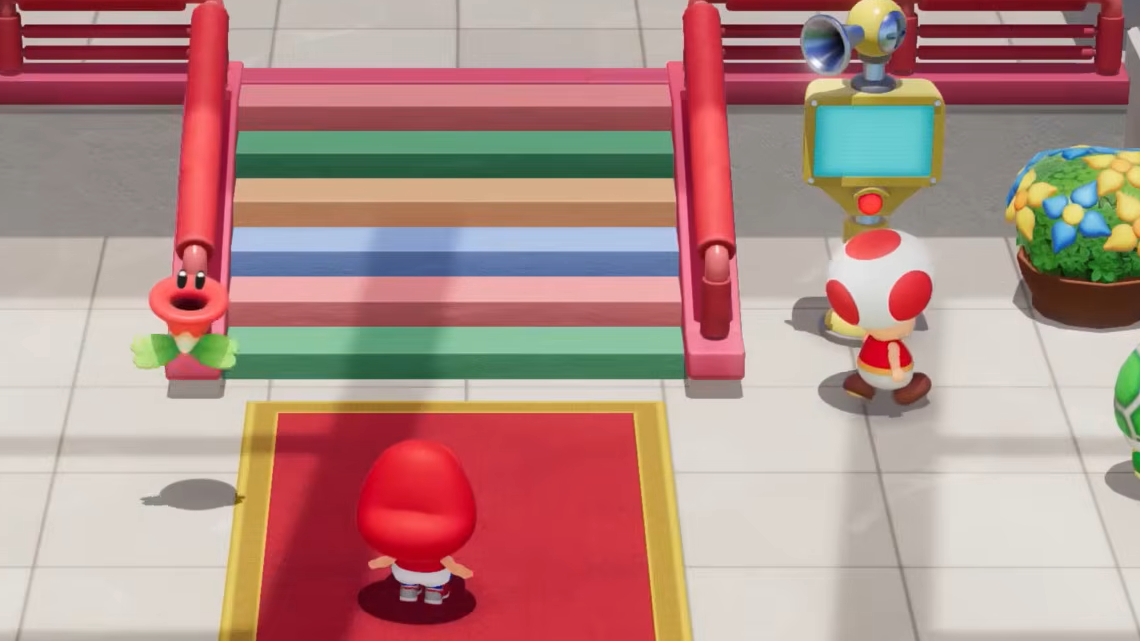
The Adventure mode opens with Mario and friends being transformed into babies after encountering monsters on a remote island. Playing as Baby Mario, Baby Luigi, Baby Peach, Baby Wario, and Baby Waluigi, you relearn tennis fundamentals at a sprawling tennis academy through mini-games and quizzes before venturing into an overworld with boss encounters.
The academy portion takes roughly two hours and includes stat-building exercises and Mario Party-style challenges that grow progressively harder. RPG-like elements surface early — visible stats, level-ups, and character progression — which initially suggests a deep single-player experience. But the overworld areas beyond the academy are short, often wrapping up in 10 to 15 minutes each. Boss fights are creative (one has you deflecting bombs and Bullet Bills from Bowser's airship), but there simply aren't enough of them. The entire mode runs about three to four hours.
Multiple reviewers flagged this as the game's most significant weakness. The mode teases the kind of tennis RPG that fans of the GBA-era Mario Tennis: Power Tour have been requesting for years, but it doesn't follow through. Stats fill up quickly, the path is linear, and you can't choose which Fever Racket to use against specific bosses — the game assigns them for you.
Online play and GameShare
Online modes split into Ranked Matches for competitive singles and doubles, and Online Rooms for casual play with customizable rules. A Nintendo Switch Online membership is required for all online features. Pre-release testing showed matches were generally quick to find and lag-free, though some reviewers noted mild latency issues tied to individual player connections.
Mario Tennis Fever supports GameShare, a Switch 2 feature that lets one player who owns the game share it with up to three nearby friends playing on either Nintendo Switch 2 or original Nintendo Switch systems. The shared game is only playable during the active GameShare session and won't be accessible after it ends. Local wireless play supports up to four players across multiple consoles.
Critical reception and the $70 question
Review scores have landed in a range that reflects a familiar pattern for modern Mario sports titles. The Metacritic aggregate sits around 76, making it the highest-rated Mario Tennis game since Power Tour on GBA. IGN scored it 7/10, praising the roster and Fever Rackets but criticizing the Adventure mode as "little more than an extended tutorial." GameSpot gave it 8/10, calling it "the best Mario sports game in years." PCMag awarded it 4.5/5 and an Editors' Choice, highlighting the fighting-game-like depth of the Fever Racket system. Nintendo Life scored it 8/10, noting the streamlined power system finally makes special abilities feel like a natural part of tennis rather than a flow-breaking interruption.
The recurring criticism across nearly every review centers on value at the $70 price point. The core tennis mechanics are widely regarded as excellent, and the multiplayer has the potential for a long competitive life. But for players who primarily play alone, the short Adventure mode and limited solo options make the asking price harder to justify. Several community voices have suggested $40 to $50 would better match the content on offer.
Technical details
| Detail | Specification |
|---|---|
| Platform | Nintendo Switch 2 (exclusive) |
| Developer | Camelot Software Planning |
| Publisher | Nintendo |
| Price (US / CA) | $69.99 / $99.99 |
| File size | ~10 GB |
| Play modes | TV, Tabletop, Handheld |
| Players (single system) | 1–4 |
| Players (online) | 1–4 |
| Supported languages | 14 (including English, Japanese, French, German, Spanish, Korean, Chinese) |
| Composer | Motoi Sakuraba |
| amiibo support | Yes — character-themed tennis ball skins |
Mario Tennis Fever lands in a familiar spot for the franchise: mechanically sharp, visually polished, and genuinely fun with friends, but thin on solo content relative to its premium price. The Fever Racket system is the strongest new idea the series has introduced in years, adding real strategic variety without drowning the core tennis in chaos. Whether that's enough depends largely on how you plan to play — couch sessions and online competition reward the investment, while solo players may want to wait for a sale.