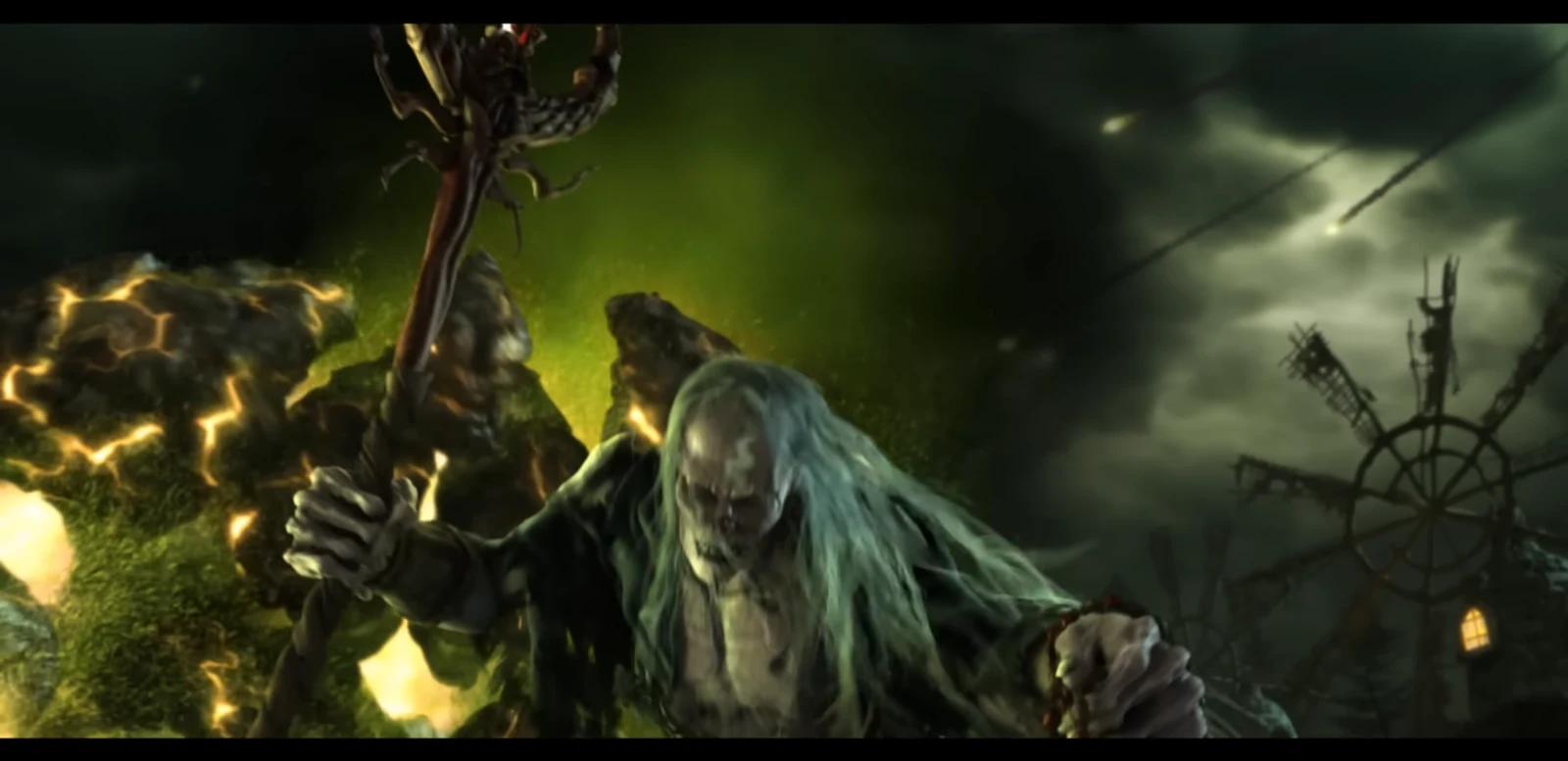
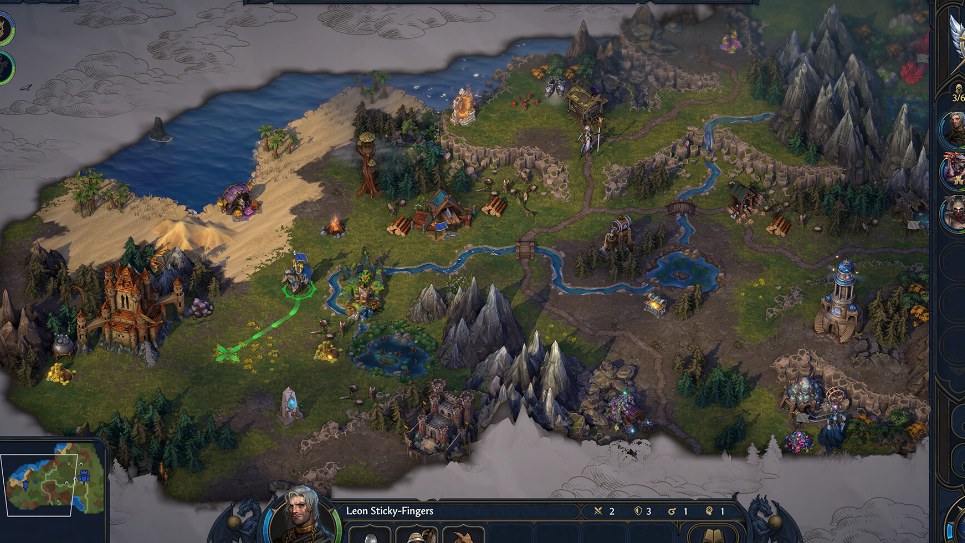
Necropolis in Heroes of Might and Magic: Olden Era is the undead faction designed to grow stronger after every fight. The core promise is simple. Win battles with low losses, convert the fallen into your own troops through Necromancy, and feed extra creatures into the Undead Transformer until your army outpaces anything the map can throw at you.
Quick answer: Rush Crypts and Graves II on day one, upgrade Skeletons into Skeleton Archers as fast as gold allows, push Necromancy to Expert, and use a second hero to funnel external dwelling units through the Undead Transformer.
Necromancy and Necromantic Energy
Necromancy is the faction’s defining mechanic. After a victorious battle, a percentage of the strongest enemy stack is reborn as undead of the same tier and joins your army. The percentage scales with the hero’s Necromancy skill level.
The raise is gated by a separate pool called Necromantic Energy, which caps at 1,000 and refills weekly or whenever the hero has no stack of that tier. Raising units costs energy based on tier and quantity, and you can toggle Necromancy off through the skull icon near the hero portrait to instead regenerate energy from victories. You also need a slot of that unit type in your army, otherwise the raise fails.
| Skill level | Strongest stack converted | Notable subskills unlocked |
|---|---|---|
| Basic Necromancy | 10% | — |
| Advanced Necromancy | 15% | Gravesoil, Soul Harvest, Death Herald |
| Expert Necromancy | 20% | Soul Reaper, Eternal Service |
Gravesoil grants +10% damage dealt and –10% damage taken for friendly Necropolis creatures on native terrain. Soul Harvest restores 4 mana after each won battle. Death Herald adds 500 to the hero’s maximum Necromantic Energy. Soul Reaper applies –1 Morale and –1 Luck to all enemy creatures, and Eternal Service is an active hero ability that costs 3 Focus to restore HP and revive fallen units in a friendly stack.
The Undead Transformer
The Undead Transformer is a town building that converts any non-undead creature into undead of the matching tier. It costs 1,000 gold, 5 Wood, and 5 Ore to build, and the conversion itself is free. This is the second engine of Necropolis scaling and the reason the faction punishes opponents who leave external dwellings and neutral joiners on the table.
The intended loop pairs a main hero who fights with a courier hero who gathers. The courier visits external dwellings, picks up free stacks, and uses Diplomacy to convince neutrals to join. Everything non-undead returns to a town with the Transformer, gets converted, and is handed off to the main army through a meetup or Remote Foothold.
Best starting heroes
Each Necropolis hero is built around a different opening plan. Pick the one whose specialty matches the strategy you actually intend to run, not the one with the loudest stats.
| Hero | Starting skills | Specialization | Best for |
|---|---|---|---|
| Onkos | Basic Necromancy, Basic Offense | Skeletons: +2 growth in town; +1 Speed/Initiative, +20% HP; +1 Attack/Defense per 3 levels (enemy Skeletons lose the same) | Skeleton Archer snowball, fastest map clearing |
| Marl | Basic Necromancy, Basic Logistics | Web: starts with Masterful Web affecting all enemies; +1 Spell Power per 3 levels while casting it | Tempo, safe early clears, large maps |
| Mag | Basic Necromancy, Basic Arcane Magic | Arcane Magic: +1 level to all Arcane spells (+1 more per 10 levels), unrestricted casting, denies enemy Arcane | Spell-driven games and hard fights |
| Funerella | Advanced Necromancy | Necromancy: +5% Necromancy power (+1% per 4 levels) | Long matches, maximizing the snowball |
| Shadespinner Oona | Basic Necromancy, Basic Night Magic | Night Magic: +1 level to all Night spells (+1 more per 10 levels), denies enemy Night | Control with Sleep and Night spells |
| King-of-Kings | Basic Necromancy, Basic Diplomacy | Charisma: army preserved when fleeing neutrals; +5% Persuasion (+1% per 4 levels) | Undead Transformer abuse via Diplomacy joiners |
| Ethric | Necromancy-line start with Lich specialty | Lich: stronger Liches, faster path to ranged caster pressure | Lich-centric draft, week one ranged power |
| Zam | Necromancy-line, Alchemist | +1 Mercury daily (+1 per 5 levels); doubles Mercury found on the map | Solving the Mercury bottleneck for Vampire and Lich rushes |
Week one build order
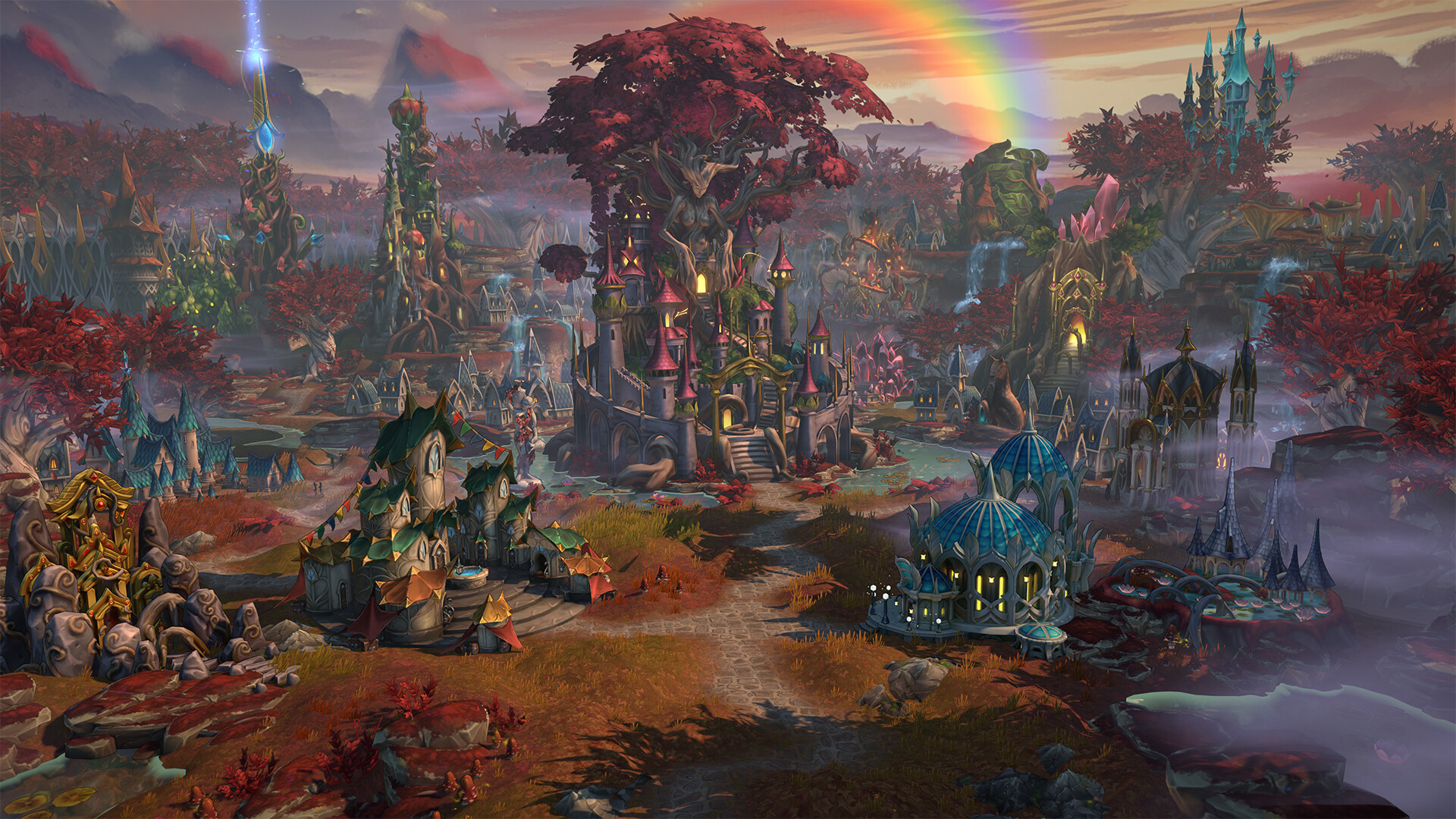
Mercury, the resource that gates the army
Necropolis cannot reach its full roster without Mercury. The Graverobber, Lich, and Vampire dwellings all require it for construction, and every Vampire you recruit costs 1 Mercury on top of gold. Treat Mercury like the primary currency of weeks one and two.
- Build a Marketplace early to trade other surplus resources into Mercury.
- Pick Zam if you want a steady daily Mercury drip and doubled pickups from the map.
- Use law points on any law that adds daily Mercury income.
- Build the Resource Depot once you have headroom; it generates Mercury daily.
Focus point usage
Focus points are generated in combat and shared between your hero’s Heroic Strike and several unit abilities. Necropolis has unusually strong Focus sinks, so spending them early on a basic hero strike is almost always wrong.
Save them for these three options instead:
- Rewind Death (Lich): 2 Focus, usable twice per battle. Restores HP to a friendly stack and revives fallen units.
- Eternal Service (hero ability from Expert Necromancy): 3 Focus. Heals and revives friendly creatures.
- Graverobber / Merchant of Death / Kennelmaster summons: Place fresh Skeletons, Wraiths, or Undead Pets onto the battlefield, including a Kennelmaster mark that forces an enemy to always take maximum damage.
Key units in practice
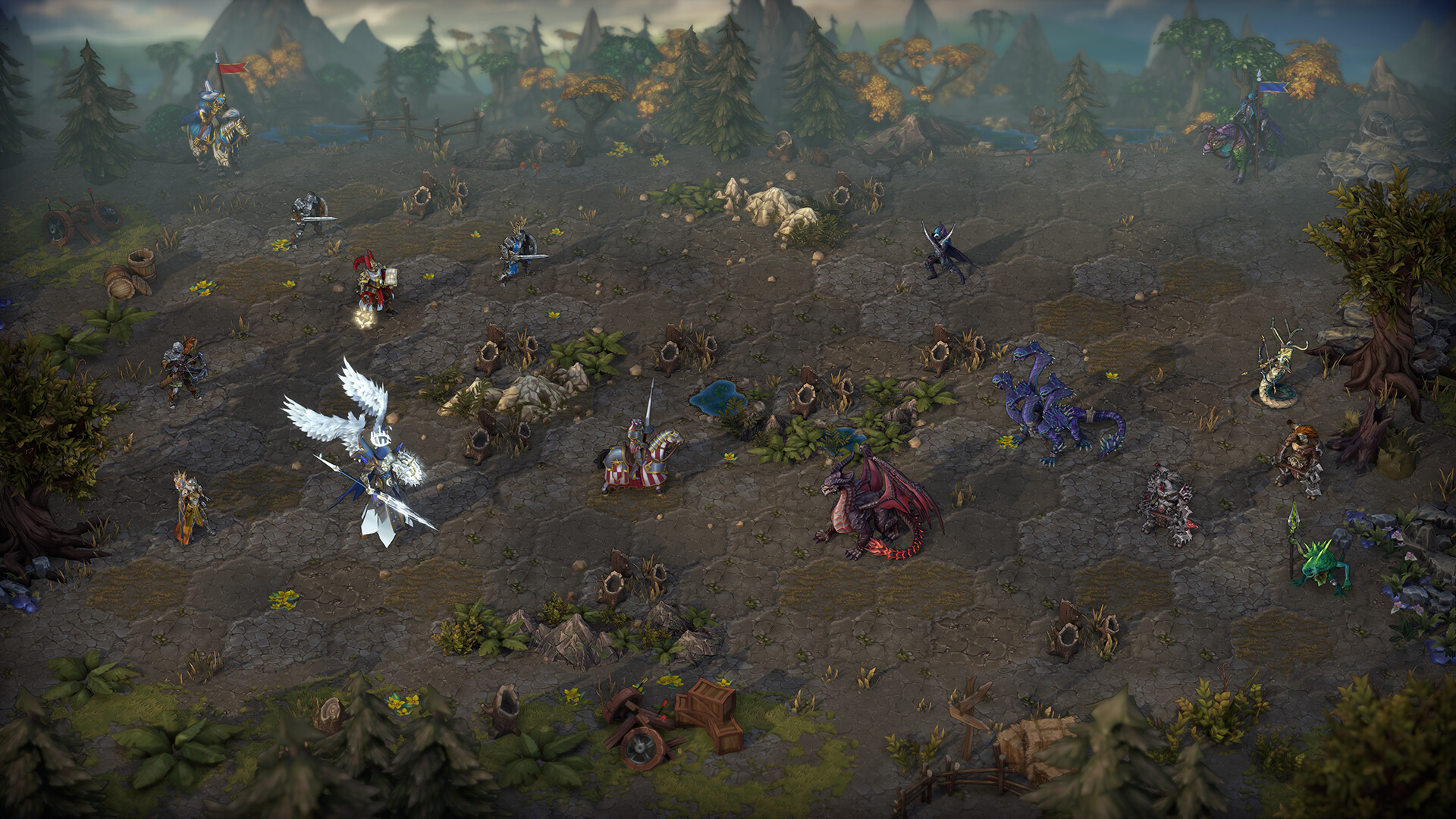
The Necropolis roster snowballs because its mid-tier and high-tier units interact directly with the faction’s revive mechanics.
| Unit | Role | Why it matters |
|---|---|---|
| Skeleton Archer | Tier 1 ranged backbone | Cheap, plentiful, grows through Necromancy; clears week-one camps without melee trades |
| Graverobber line (Merchant of Death, Kennelmaster) | Tier 3 utility caster | Summons extra Skeletons, Wraiths, or Undead Pets mid-battle for free meat shields |
| Wraith | Mid-tier melee | Soul Eater absorbs 40% of damage taken, damage rises with each attack, can lower enemy defense |
| Lich (Plague Lich / Peeven Lich) | Tier ranged caster | AoE attack, curse amplification, and Rewind Death revives are the faction’s core healing |
| Vampire Lord / Vampire Scholar | Tier flyer | Lifesteal in the current lifesteal-heavy meta; Scholars heal allies via absorbed HP and have corpse explosion |
| Dread Knight / Harbinger of War | Tier 7 frontline | Double strike makes it the carry stack against most factions; can solo-clear large camps with Nightshade support |
Laws to prioritize
Law points are produced by city taxes and hero activity and are spent on a per-faction skill tree. For Necropolis, the goal is to compound the snowball rather than spread points evenly.
- Any creature-growth law that affects Skeletons or your chosen tier-7 line.
- Laws that raise Necromancy power or maximum Necromantic Energy.
- Resource laws that supply daily Mercury, since the faction’s strongest dwellings depend on it.
- Resource Riches, the universal early-game tempo law, if a one-off payoff unlocks your next dwelling.
Skip generic combat buffs unless they cover an immediate weakness in your draft. Saving points for a milestone law on the next tier is often better than spending on a small buff right now.
Which fights to take
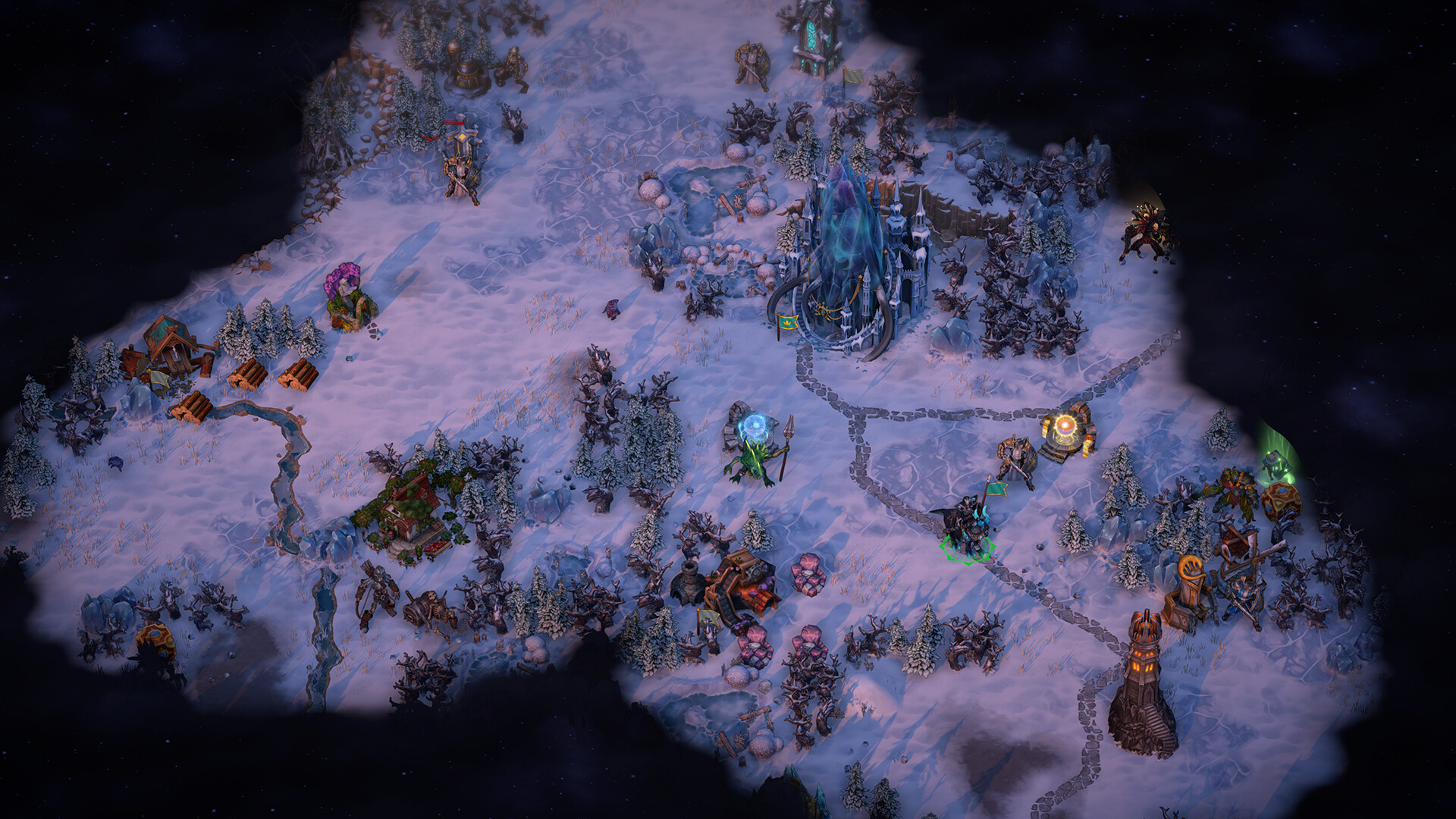
The snowball only works if your army survives to the next battle. A fight is worth taking when the battle preview reads easy or normal, when Skeleton Archers can shoot freely from the back row, when the reward is a mine, artifact, or town tile, or when Necromancy plus Lich revives clearly cover the expected losses.
Skip or retreat when fast neutral stacks will close on your shooters before you can wear them down, when the prize is purely experience, when you would burn a key tier-6 or tier-7 stack for it, or when your route depends on having a clean army for the next several fights. King-of-Kings is the exception here, since Charisma preserves the entire army when fleeing a neutral.
Common mistakes
- Delaying Skeleton Archers. Without a tier-1 ranged option, week-one fights turn into melee trades the faction cannot afford.
- Treating Necromancy as infinite. Necromantic Energy is finite, and raises require the unit type to already be in the army. Toggle it off when you are saving energy for a higher-tier raise later.
- Ignoring the Undead Transformer. Building it costs almost nothing and unlocks the entire Diplomacy-and-conversion plan.
- Spending Focus too early. A Lich Rewind Death or Graverobber summon at the wrong moment is worth more than three Heroic Strikes.
- One-hero play. Necropolis has too many tasks for a single hero by day seven; assign a courier hero to dwellings, resources, and Undead Transformer runs.
- Mixing factions in one army. Multi-faction stacks lose Morale, which hurts even an undead-heavy mix that includes a few converted units.
The pattern under all of this is the same. Skeleton Archers buy time, the Undead Transformer multiplies value from every external dwelling, Liches and Eternal Service refund your losses, and Mercury keeps the upgrade chain alive. Match a hero whose specialty supports the plan, push Necromancy to Expert as fast as the skill rolls allow, and the faction settles into the slow, mechanical grind it was designed to win.