Petit Planet is HoYoverse’s first real swing at the cozy genre, and after spending time with the closed beta, it’s clear the studio has built something that could genuinely rival Animal Crossing. The planet-nurturing loop is warm and inviting, the neighbors are more fleshed out than you’d expect from a gacha-adjacent title, and quality-of-life touches address complaints Nintendo has ignored for years. But the story scaffolding holding all of this together? That’s where the game wobbles.
What Petit Planet actually is
Petit Planet is a cosmic life simulation from HoYoverse, the studio behind Genshin Impact, Honkai: Star Rail, and Zenless Zone Zero. You nurture a small planet floating in a star-filled sky, inviting fuzzy animal neighbors to move in while you fish, farm, mine, cook, craft, and decorate. The game’s framing device is Luca — a kind of life-energy currency that you feed into a central tree called the Luca Arbor. As the tree grows, new biomes unlock on your planet: a beach, a mountain region, and other terrain types that appear over time.
The closed beta, labeled the Stardrift Test, runs on PC, iOS, and Android. A prior Coziness Test ran in November 2025, and impressions from both rounds paint a consistent picture: the game’s core loop is already very good.
The Animal Crossing comparison is fair
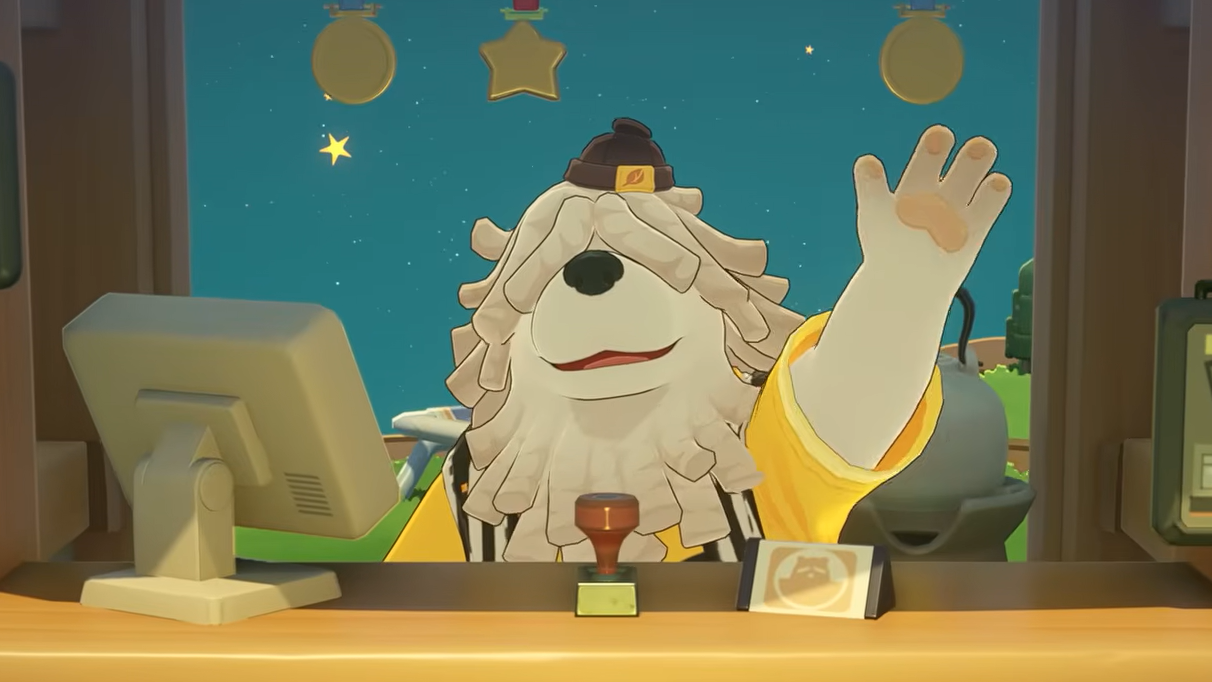
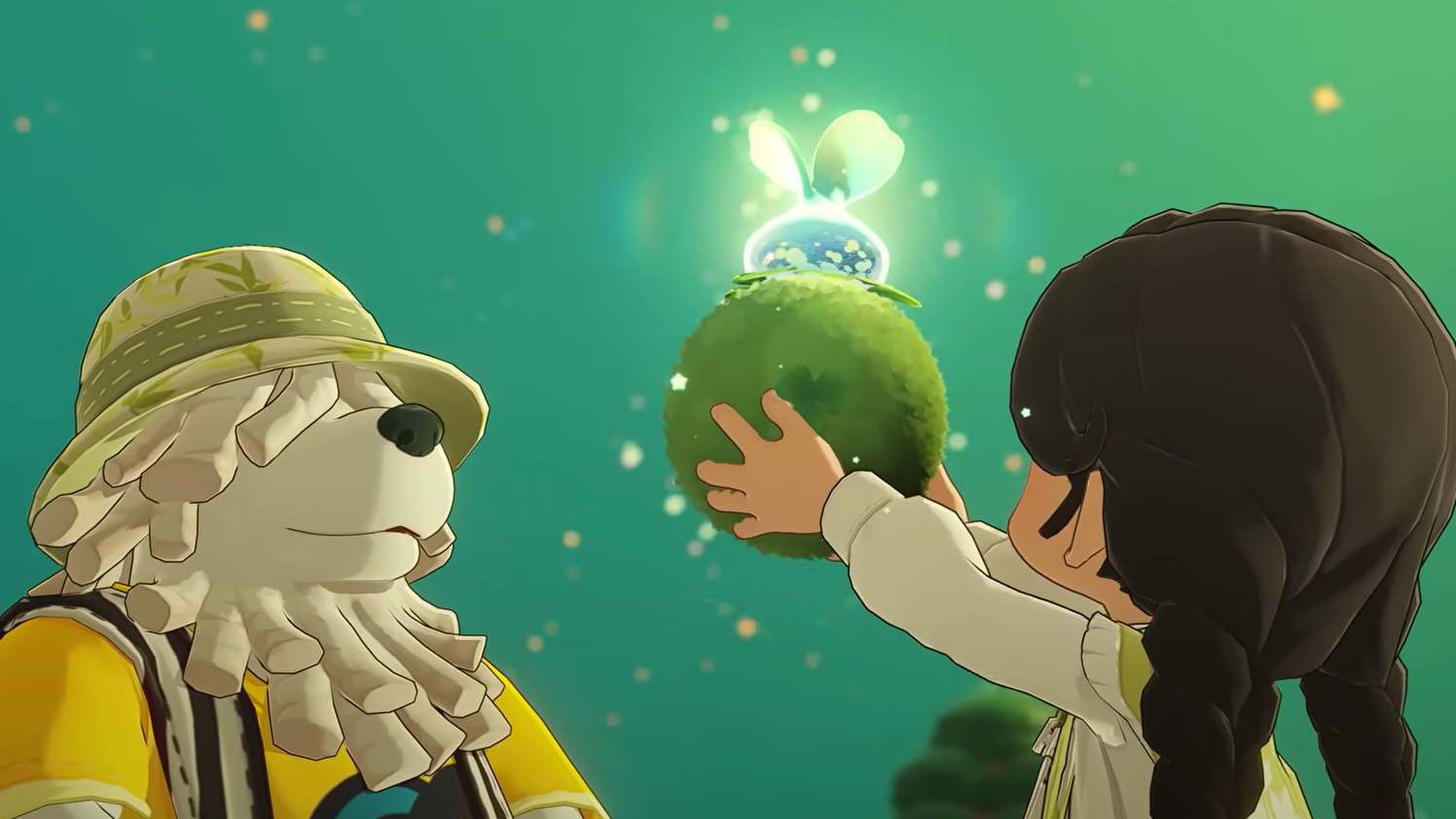
Players who’ve spent hundreds of hours in Animal Crossing will recognize almost everything here. There’s a fishing rod, a bug net, a shellfish tool, a museum-equivalent called the Eco House run by a character named Mors, and a pair of welcoming NPCs at a central camp who function like Isabelle and Tom Nook. The game even acknowledges the comparison directly — an early scene has a character nervously asking whether moving in comes with a loan, only to be told there will never be any loans. It’s a self-aware wink.
Where Petit Planet diverges is in how much it expands on the formula:
| Feature | Animal Crossing: New Horizons | Petit Planet |
|---|---|---|
| Neighbor depth | Personality archetypes with hobbies | Unique backstories, quirks, bond levels, and themed house aesthetics |
| Terraforming | Slow, single-tile edits | Noticeably faster and more flexible |
| Bridges and stairs | Build overnight with fees | Place instantly, no fees, loan-free |
| Inventory | Limited pocket slots | Effectively no storage cap during beta |
| Store hours | Closed overnight | 24/7 activity on your planet |
| Multiplayer | Visit islands directly | Passive drift-by planets plus a dedicated Galactic Bazaar hub |
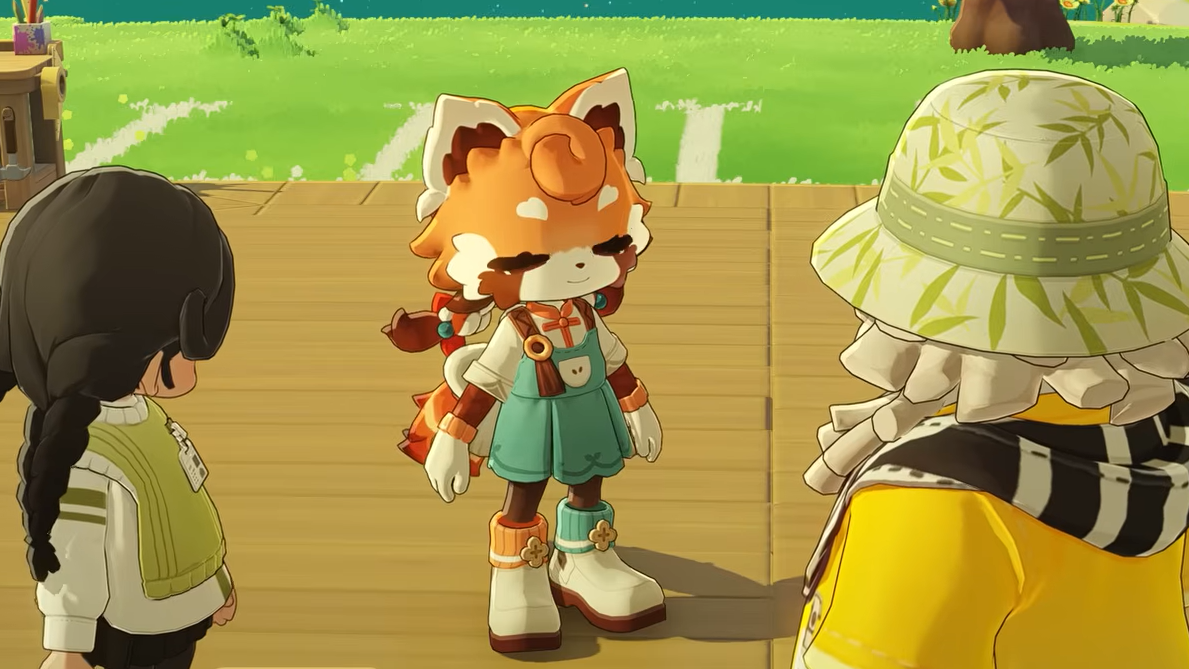
The neighbor system is the standout. Each animal companion has their own dialogue, furniture set, exterior house aesthetic, and a “Planette” — a tiny personal planet you level up using fluffy creatures called Archaboos that you collect while gathering, fishing, or catching bugs. Raising a neighbor’s Planette unlocks emotes, decor, and even planet-wide customization options.
Where the story stumbles
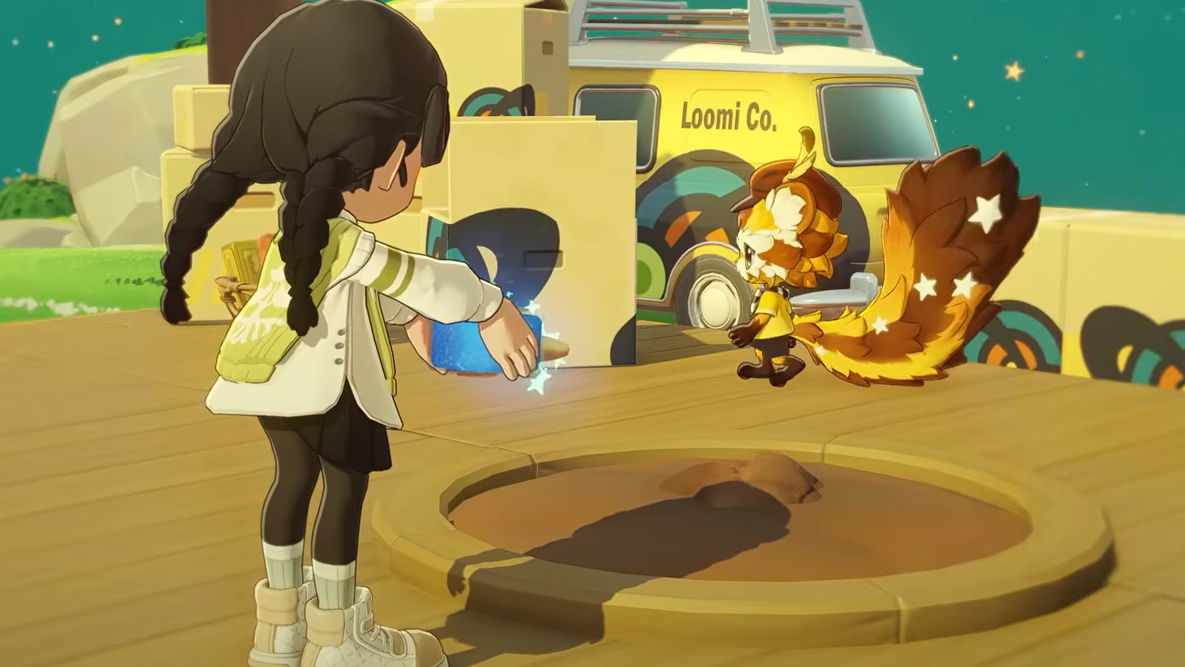
The mechanical foundation is solid, but the narrative framing around it is where cracks show. Multiple beta players flagged the same issues: the opening cutscene is forgettable, the initial cast of NPCs blur together visually, and the tutorial loop of “do an activity, water the tree, do another activity, water the tree” drags on for too long before letting you explore freely.
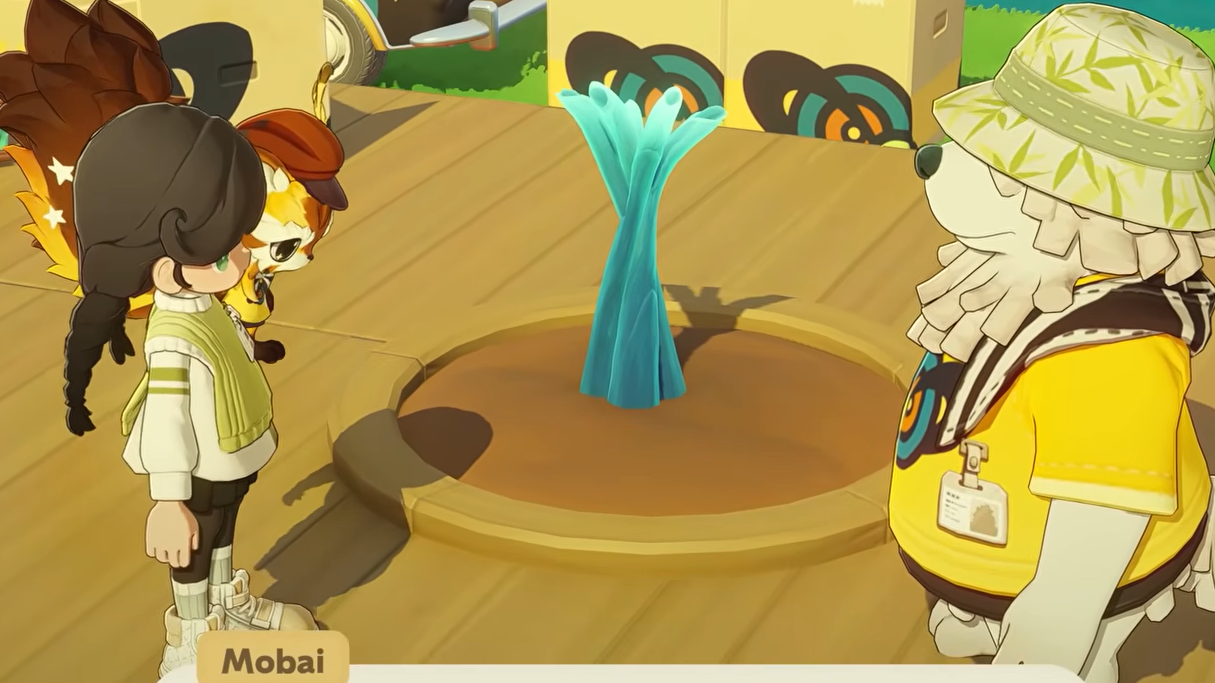
The writing itself has rough patches. The guide NPC Mobai speaks with intentional verbal quirks (saying “mo rush” instead of “no rush,” for example), and neighbor Yunguo uses “lickle” in place of “little” — both apparently puns from the Chinese original that don’t translate cleanly into English. Beyond those stylistic choices, sentence structure is sometimes awkward, scene transitions feel abrupt, and the pacing swings between over-explaining and under-explaining. Voice acting hasn’t been implemented yet, which players suspect is why the text still feels unfinished.
The bigger issue is motivation. Cozy games don’t need heavy lore, but they do need a reason to keep pulling you forward. Some beta testers reported reaching the end of substantial content within five days and struggling to articulate why they were doing any of it beyond aesthetic satisfaction. The Luca Arbor progression gives you tangible unlocks — terraforming at level 6, meteor showers as an event — but the connective tissue between the player, the planet, and the neighbors doesn’t yet carry much emotional weight.
Starsea Voyages and the gacha question
Exploration happens through Starsea Voyages, where you take two neighbors in a customizable interstellar car to visit procedurally placed Islets. You gather resources that may not grow on your home planet, collect Lucadrops to upgrade your vehicle, and occasionally meet new neighbors you can invite home. Each voyage drains a Lumia Battery, and batteries refill via real-world wait time, neighbor Planette rewards, or purchase with the in-game currency Loomi — effectively the closest thing the game has to a traditional gacha stamina system.
There is no gacha system in the current build. HoYoverse has a track record of adding monetization later in development — Zenless Zone Zero’s early betas also shipped without gacha — so the monetization picture remains unclear. Beta players widely speculate that neighbors will be the gacha focus, given how detailed they are and how much progression is tied to them. Cosmetics in the Lumi Mart rotate daily and currently cost Loomi earned through dailies and achievements.
What’s notably absent: no RNG gear system, no artifact grind, no combat stat treadmill. For a HoYoverse title, that alone is significant.
The Galactic Bazaar and AI NPCs
The multiplayer hub, called the Galactic Bazaar, is currently thin — a couple of minigames, some hangout areas, and passive interaction with other players. Among the NPCs, there is an AI-driven barista character who generates dynamic responses. Players have already pushed the chatbot into saying odd, off-script things, and the game also uses an AI-powered in-game help system trained on game data.
Reaction to the AI features is split. The help assistant gets relatively positive marks for answering material-location and tutorial questions accurately. The barista chatbot is more controversial, and some players are skeptical of HoYoverse’s broader AI trajectory given the studio’s art job listings referencing AI experience.
What works, what doesn’t
| Strengths | Weaknesses |
|---|---|
| Deep, distinct neighbors with real backstories | Forgettable intro cutscene and thin early lore |
| Intuitive decorating and loan-free building | Clunky localization and awkward writing |
| Fast terraforming and generous QoL | Over-long tutorial loop |
| Charming 3D stylized visuals | Performance issues on mid-range laptops and hot phones |
| Crop stalk market and farming systems | No seasons, no swimming, no voice acting yet |
| No RNG gear, no loans, no daily hard caps | Pogo stick jump is a manual tool instead of contextual |
| Passive multiplayer via drifting planets | Meteor shower event location bugs |
The bugs and missing features are expected for a beta — HoYoverse has confirmed voice acting is coming, and controller support is still half-baked. Download size is lean: roughly 8GB on PC and 4.5GB on mobile.
Who this is for
If you’ve poured hours into Animal Crossing: New Horizons and wished Nintendo would add multiple islands, faster terraforming, deeper villager systems, or a stalk market that applies to all crops, Petit Planet is already delivering most of that. If you enjoyed Pocket Camp but wanted something fuller, this feels closer to a traditional Animal Crossing experience than Pocket Camp ever did. Stardew Valley and Disney Dreamlight Valley fans will find familiar rhythms too.
What it isn’t, at least right now, is a narrative-driven cozy game in the vein of Spiritfarer or Coral Island. The story framework is the weakest part of the experience, and whether HoYoverse tightens the writing, adds voice acting, and gives the central mystery of the Starsea more weight before launch will determine whether Petit Planet feels like a full-bodied life sim or just a very pretty sandbox with charming neighbors.
For now, the foundation is good enough that the Animal Crossing comparison isn’t just marketing shorthand — it’s earned. The story just needs to catch up.