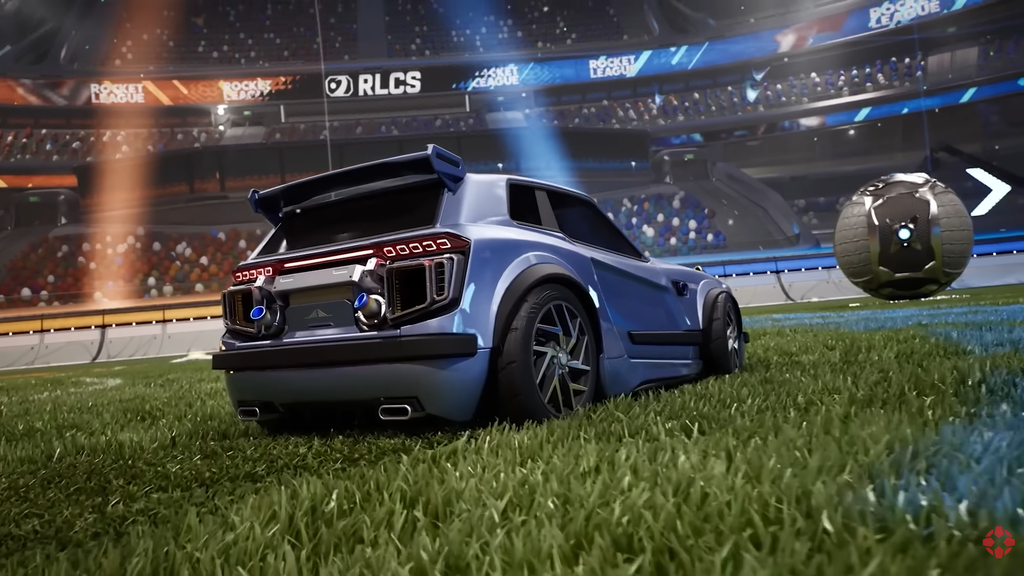
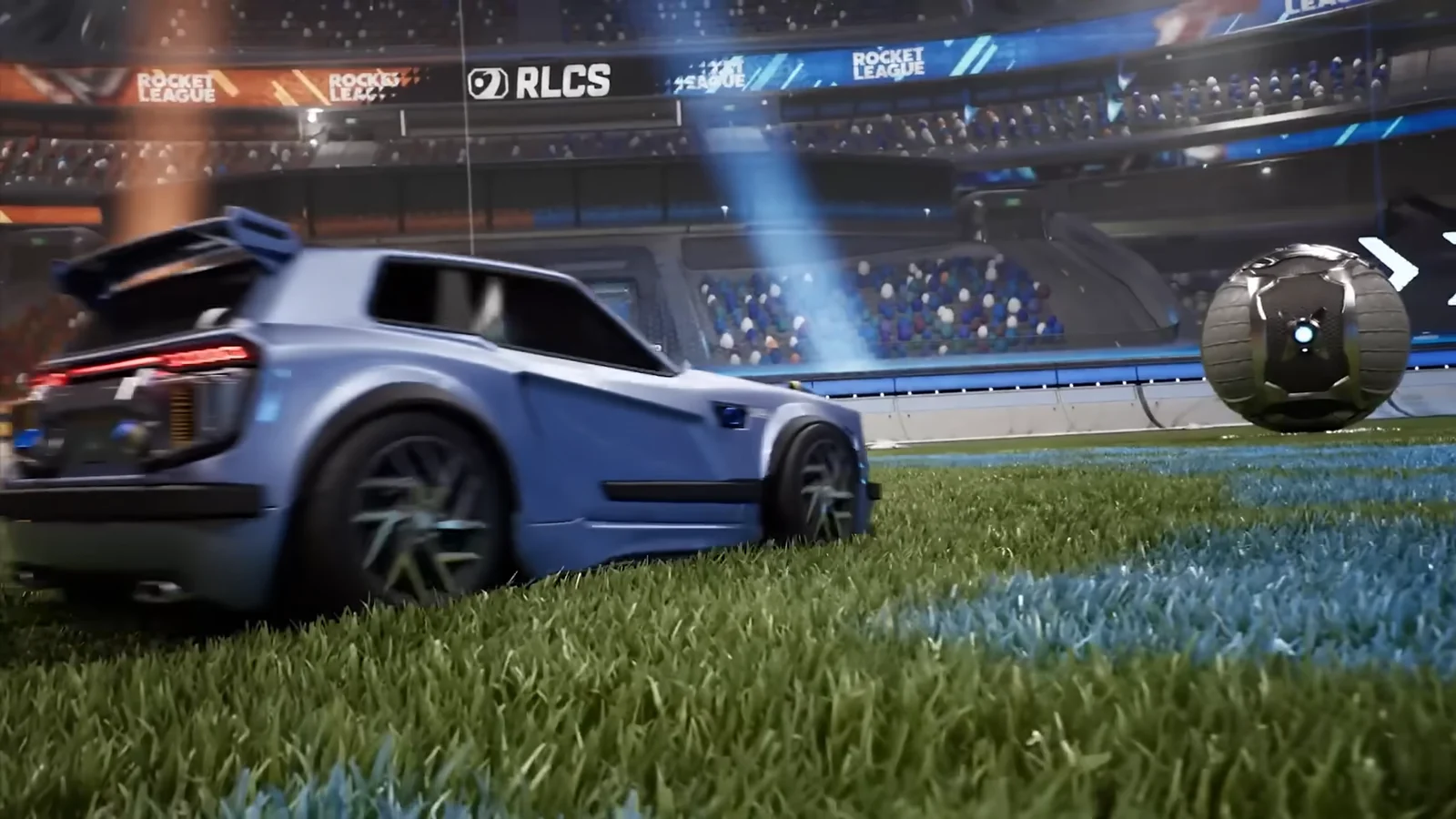
Rocket League is being rebuilt on Unreal Engine 6, making it the first game to run on Epic’s next engine. Psyonix has now shared a behind-the-scenes look at that work, showing professional players testing an early build and giving direct feedback to the developers.
Quick answer: The Unreal Engine 6 version of Rocket League is in active pro playtesting, with more sessions planned through the end of 2026, a final build expected in early 2027, and a launch set for 2027. No exact release date is confirmed.
What the Unreal Engine 6 gameplay reveal shows
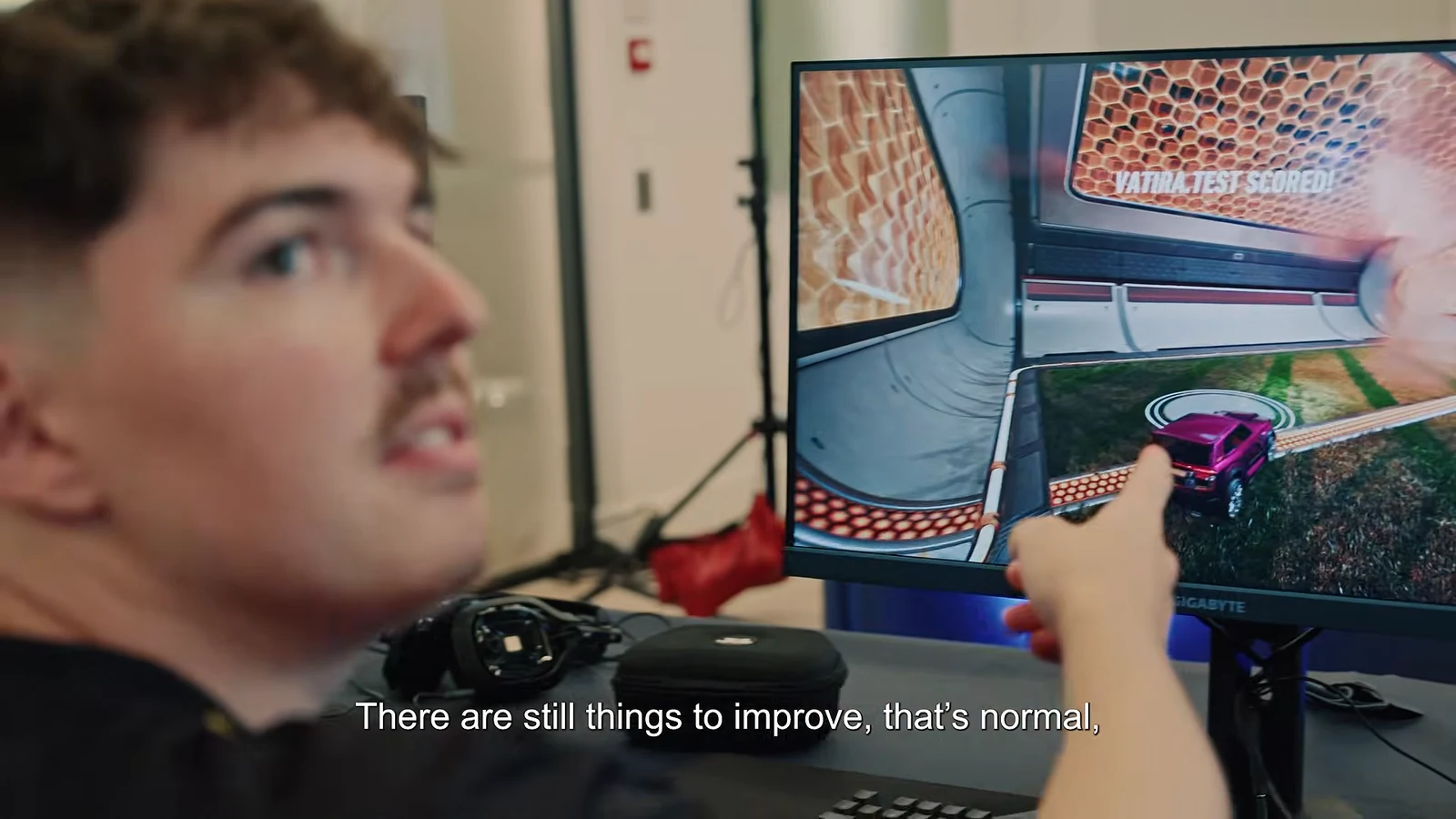
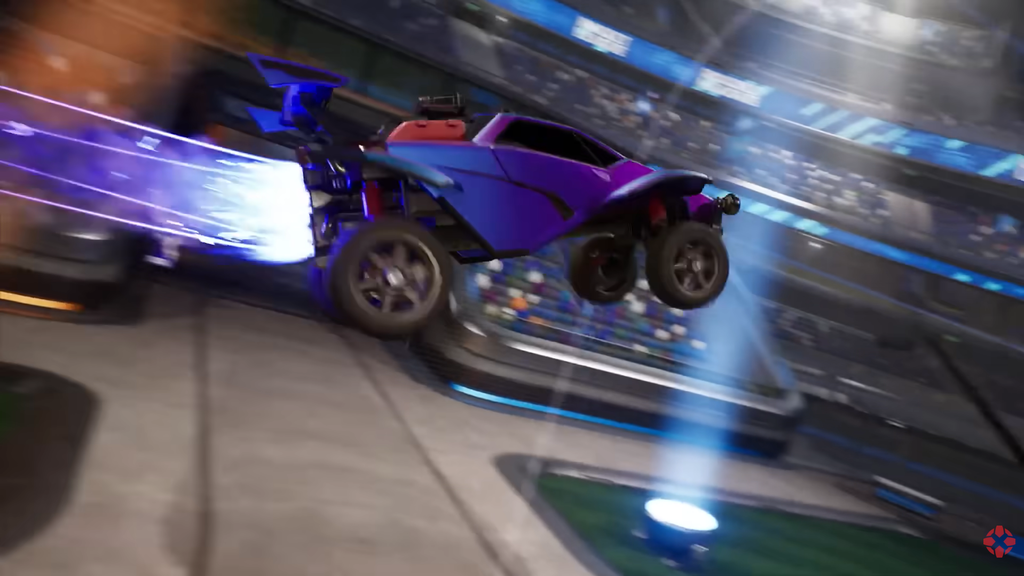
The clip posted on the Rocket League channel centers on playtest sessions rather than a polished cinematic. It shows RLCS athletes running through matches and practice while Psyonix staff take notes at the side of the room. The footage was captured in real time, in engine, not pre-rendered.
During the sessions, pros pulled off aerial shots and dribbled the ball on the roof of their cars, using a mix of controllers from the PS4 pad to the PS5 DualSense. That range fits the game’s existing cross-platform support across consoles and PC.
Pro playtests in Cary and Paris
Psyonix held playtest sessions in June and August 2026, in Cary and Paris. The invited players included RLCS competitors such as JSTN, Firstkiller, Archie, and Zen. An active build was also on the floor during the RLCS World Championship weekend.
The feedback was mixed but constructive. Archie said some mechanics in the early build “felt a bit off and laggy and hard to do.” Zen followed by saying the team “listened to us a lot” and took the feedback seriously. JSTN framed it as the kind of fresh change players want from a new version, adding, “There’s that little change that you kind of want to have in a new game, so I’m super stoked for it.”
Psyonix says the pros will keep helping “retool, refine, and rebuild” the game from the ground up until the new version is “pro-approved.” More sessions are planned before launch, giving competitors a say on how the physics and mechanics feel.
Interface changes: scoreboard and speedometer
The on-screen presentation has been reworked. The scoreboard at the top now uses more realistic car models and stadiums. The speedometer in the bottom-right corner has also changed, with a ring that tracks the car’s speed more closely.
In practice, the ring becomes white and shows an infinity icon, indicating unlimited boost. The ceiling also features an impact indicator that reveals the direction of a pinched shot.
The Epic launcher tied to Fortnite
Near the end of the clip, the same multiverse Epic launcher teased earlier in the year appears again. This time it carries a new Fortnite image using the Override key art featuring Jonesy.
The remaining tiles show Disney’s Fortnite experience, Rocket League, additional modes, and LEGO Fortnite. Epic is expected to release the launcher with Unreal Engine 6 for Fortnite and Rocket League, indicating that its games will use a shared platform.
Release timeline for the UE6 version
The move was first teased at the RLCS 2026 Paris Major on May 24, 2026, where a short trailer slotted between semifinal matches showed a “new era” and a “new engine,” closing on the Unreal Engine 6 logo. That reveal confirmed the jump without a full feature breakdown.

Based on the plan Psyonix has outlined, more playtests will run through the end of 2026, the final build is targeted for early 2027, and the new version launches in 2027. A precise date and time have not been announced.
Why the jump from Unreal Engine 3 matters
Rocket League has run on Unreal Engine 3 since its 2015 release, with its core technology largely unchanged for over a decade. The finely tuned ball-and-car physics that the competitive scene is built on were written into that older engine, which is a big reason a move has taken so long.
Skipping Unreal Engine 5 entirely and going straight to UE6 is unusual. The upgrade opens the door to a large visual overhaul, more frequent updates, and closer ties to Fortnite-style seasonal and branded content.
Psyonix and Epic have publicly promised that UE6’s physics will remain identical, and the competitive community is watching that commitment closely before release.
For now, the reveal confirms the rebuild is real and progressing, with pros directly shaping how the new version plays ahead of its 2027 arrival.